Find the Best Trenchless Sewer Repair Companies for Your Business
No obligation • Fast responses • Nationwide coverage

Why you can trust Search a Plumber
Search a Plumber is a leading United States resource for finding and evaluating professional plumbing services. Our team researches licensing, experience, and customer feedback to create unbiased, fact-driven overviews. Companies cannot pay to change ratings or placement, ensuring homeowners get trustworthy information.
Search providers near you
Top Trenchless Sewer Repair Companies in Vista, California Ranked
A failing sewer line is a major headache for any homeowner, but the thought of a massive, yard-destroying excavation to fix it can be even worse. Fortunately, trenchless sewer repair offers a modern, less invasive solution for many common sewer problems. This guide explains what trenchless sewer line repair is, how it works, and why it's a popular choice for Vista residents dealing with cracked pipes, root intrusion, or leaks, especially under driveways, landscaping, or foundations. You can use this information to understand your options and connect with qualified local specialists who can assess your specific situation.
HomePro Plumbing and Drains
8910 Activity Rd Suite C, San Diego, CA 92126
HomePro Plumbing and Drains is a licensed and insured plumbing company serving San Diego, CA. They provide a wide range of plumbing services including sewer camera inspection, water heater repair and installation, drain cleaning, hydro jetting, trenchless sewer repair, leak detection, repiping, and gas line installation. The company uses advanced tools and technologies such as Viega Propress and smart water shutoff systems to deliver efficient solutions. With decades of industry experience, HomePro Plumbing and Drains offers 24/7 emergency support to both residential and commercial clients in the area.
Exodus Plumbing
3553 Clairemont Mesa Blvd, San Diego, CA 92117
Exodus Plumbing is a family-owned plumbing company serving San Diego, CA, including Clairemont, Del Mar, and La Jolla. Since 2019, they have provided residential and commercial plumbing services such as water heater repair and installation, sump pump repair, drain cleaning, hydro jetting, sewer line repair, trenchless sewer repair, leak detection, repiping, and gas line installation. Their licensed technicians are equipped to handle a wide range of plumbing needs efficiently. Exodus Plumbing offers same-day service and free estimates to help customers address plumbing issues promptly.
California Plumbing
San Diego, CA
California Plumbing is a full-service plumbing company serving San Diego, CA, and surrounding communities. They offer a wide range of services including sewer camera inspections, water heater repair and installation, water softener installation, drain cleaning, hydro jetting, sewer line repair, trenchless sewer repair, leak detection, repiping, gas line installation, toilet and garbage disposal repair. With over 10 years of experience, they handle residential, commercial, and new construction plumbing projects. The company provides emergency plumbing services with after-hours availability to address urgent needs promptly.
LoMonaco Coast Plumbing & Pipelining
929 Calle Negocio Ste F, San Clemente, CA 92673
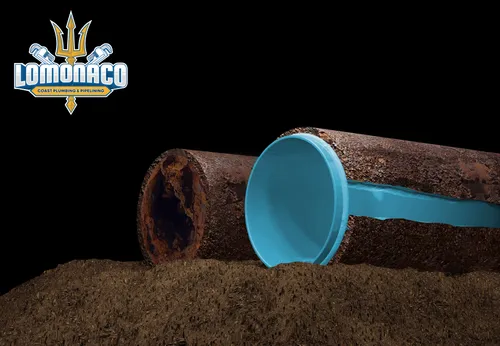
LoMonaco Coast Plumbing & Pipelining is a family-owned plumbing company serving Irvine, CA, and surrounding areas including San Clemente, Costa Mesa, and Lake Forest. They specialize in trenchless sewer repair using NuFlow technology, which restores pipes without excavation. Their services include sewer camera inspections, drain cleaning, leak detection, repiping, and sewer line repairs. With 12 years of experience, their licensed and insured technicians focus on providing long-lasting plumbing solutions. The company is locally owned and accredited by the Better Business Bureau.
Almco Plumbing
4838 Ronson Ct unit d, San Diego, CA 92111
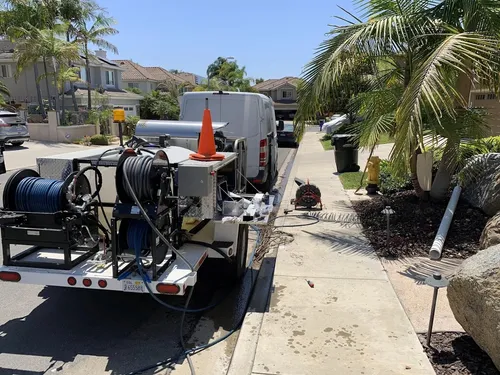
Almco Plumbing is a plumbing contractor serving San Diego, CA, with over 20 years of experience since 2001. They offer a wide range of residential and commercial plumbing services including sewer camera inspections, water heater repairs, sump pump repairs, drain cleaning, hydro jetting, leak detection, repiping, and trenchless sewer line repairs. Almco Plumbing specializes in advanced trenchless technology such as epoxy pipe lining and pipe bursting to repair sewer systems efficiently without extensive digging. They serve both homeowners and business owners, providing durable solutions designed to extend pipe life up to 50 years. Almco Plumbing operates during regular business hours and is known for handling complex plumbing challenges with state-of-the-art tools.
What is Trenchless Sewer Repair?
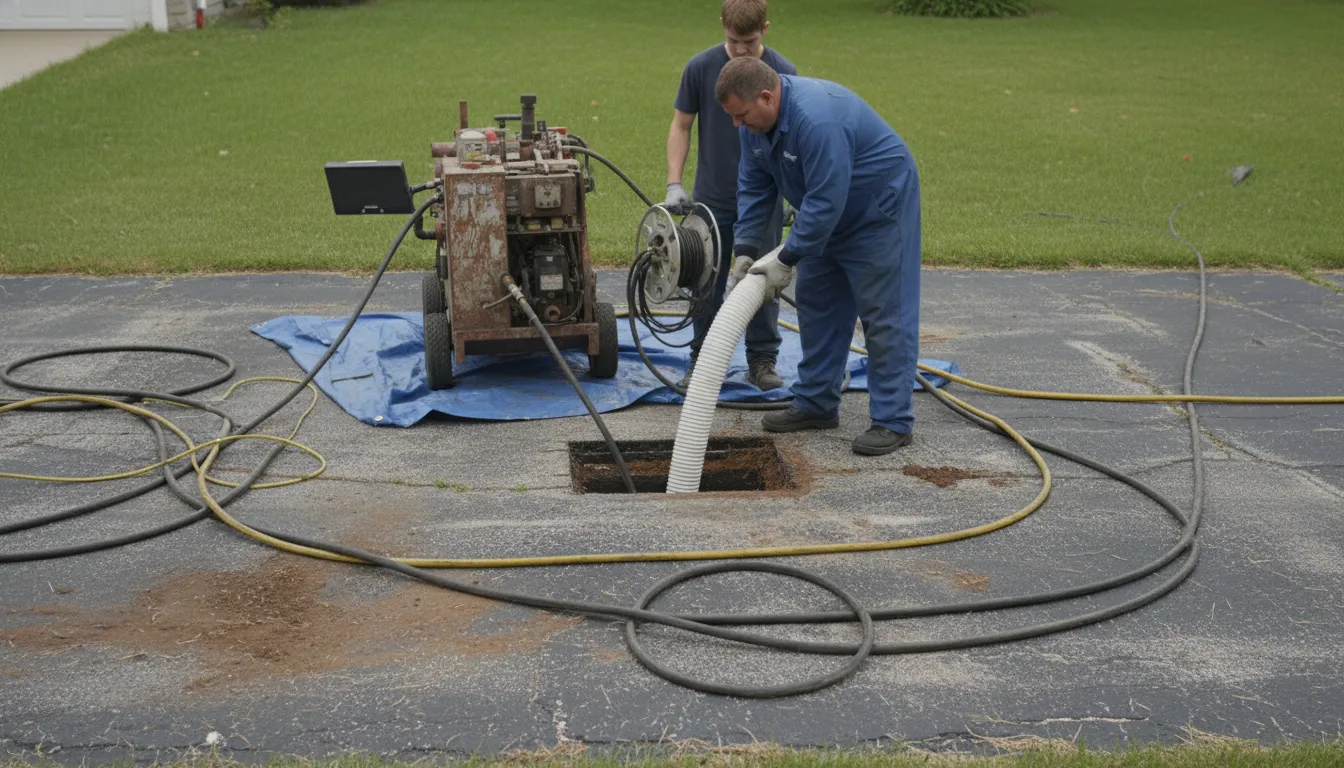
Trenchless sewer repair is a collection of advanced techniques that fix or replace underground sewer pipes with minimal digging. Unlike traditional methods that require a long, deep trench to expose the entire pipe, trenchless technology typically requires only one or two small access points. The primary goal is to rehabilitate the existing pipeline from the inside, creating a new, durable pipe within the old one. This approach is also known as trenchless pipe lining, cured-in-place pipe (CIPP), or pipe bursting, depending on the specific method used. For Vista homes, this means preserving your beautiful landscaping, patios, and driveways while still addressing serious underground issues.
When is Trenchless Repair the Right Choice?
Not every sewer problem can be solved with trenchless methods. Understanding the specific scenarios where it excels will help you determine if it's suitable for your home.
Ideal for Trenchless Repair:
- Cracks and Leaks: Horizontal cracks, fractures, or holes that are leaking but haven't caused a full collapse.
- Root Intrusion: Pipes that have been infiltrated by tree roots seeking moisture, causing blockages and damage to pipe joints.
- Corroded or Deteriorating Pipes: Pipes that have lost structural integrity due to age or corrosion but are still largely intact.
- Misaligned Joints: Sections where pipe connections have shifted, creating gaps and leaks.
- Pipes Under Obstacles: The most significant advantage is for sewer lines that run under driveways, sidewalks, pools, decks, mature trees, or garden beds where excavation would be highly disruptive and costly to restore.
When Traditional Excavation is Necessary:
- Complete Pipe Collapse: If a section of pipe has fully flattened or collapsed, a liner cannot be installed through it.
- Severe Pipe Breaks: Major, shattered breaks may require full removal.
- Extreme Corrosion or Bellies: Pipes that are severely corroded (common with old cast iron) or have developed a deep "belly" (a sagging section that traps waste) often need replacement.
A professional camera inspection is the critical first step to diagnose the exact condition of your pipe and recommend the correct approach.
The Trenchless Repair Process: Step-by-Step
The trenchless sewer line replacement and repair process is methodical and typically completed much faster than a full dig.
- Video Camera Inspection: A specialized, waterproof camera is snaked through the sewer line from a cleanout. This provides a real-time view of the pipe's interior, pinpointing the location, type, and extent of damage. This inspection is often required by the City of Vista for permitting.
- Cleaning and Preparation: High-pressure water jetting or mechanical cleaning tools are used to scour the pipe clean of roots, grease, debris, and scale. This ensures the new liner will adhere properly to the host pipe.
- Creating Access Points: Two small pits (typically 4x4 feet or smaller) are dug: one at the beginning of the damaged section (often near the house cleanout) and one at the end (near the city connection or street). These are the only excavations needed.
- The Repair Method:
- Cured-In-Place Pipe (CIPP Lining): A flexible, resin-saturated felt tube is inverted or pulled into the old pipe. It is then inflated with air or water pressure, pressing the liner against the host pipe's walls. The resin is cured using hot water or UV light, hardening into a strong, jointless "pipe within a pipe".
- Pipe Bursting: Used for full replacement. A conical bursting head is pulled through the old pipe, fracturing it outward while simultaneously pulling a new, high-density polyethylene (HDPE) pipe into place behind it. This method is for situations where the old pipe is beyond rehabilitation.
- Tie-Ins and Testing: Once cured or installed, the new liner or pipe is trimmed at the access points and reconnected to the main house line and city sewer lateral. The system is then tested for proper flow and seal integrity.
- Final Inspection and Restoration: A post-repair camera inspection is usually performed and submitted to the city for final approval. The small access pits are backfilled and compacted, requiring only minor patching of grass or pavement.
Find the perfect trenchless sewer repair companies for your needs
Get personalized recommendations and expert advice
Cost of Trenchless Sewer Repair in Vista
The cost of a trenchless sewer line repair in Vista can vary widely based on the length of the pipe, the chosen method, the severity of the damage, and local permit fees. However, it's crucial to consider the total project cost, not just the repair quote.
- Trenchless Repair Cost: Generally ranges from $55 to $250 or more per linear foot. For a typical 20-foot repair section, this translates to approximately $1,100 to $5,000+ 1.
- Traditional Excavation Cost: While the pipe replacement itself might seem comparable, the added costs of labor for digging, shoring, and-most significantly-landscape and hardscape restoration can drive total costs to $12,000 to $25,000 or more for a full line replacement.
- Cost Factors: Key elements that influence your final price include the pipe's length and depth, ease of access, the pipe material (clay, cast iron, PVC), city permit fees (which can be $1,000 or more in Vista), and any unexpected complications discovered during the inspection 2 3 4.
While the upfront quote for trenchless technology can sometimes be higher than the basic pipe replacement cost of excavation, it almost always results in significant savings by completely avoiding the massive expense and hassle of restoring your yard, driveway, or landscaping 5.
Permits and Regulations in Vista
All sewer repair and replacement work in Vista requires proper permits from the City of Vista or San Diego County, depending on your property's location. Reputable contractors will handle this process. The permit ensures the work meets municipal codes and standards. As part of the permitting process, video inspection footage is typically required both before work begins (for diagnosis) and after completion (for verification). A city inspector will usually visit to approve the final connection and restoration. Failing to pull a permit can result in fines and problems when you sell your home.
Pros and Cons of Trenchless Technology
Weighing the advantages and limitations helps in making an informed decision.
Pros:
- Minimal Disruption: Preserves lawns, gardens, driveways, and hardscapes.
- Faster Completion: Most projects are completed in 1-2 days versus a week or more for excavation.
- Durable Result: CIPP liners are resistant to root intrusion and corrosion, often with a 50-year lifespan.
- Less Labor Intensive: Reduces the need for heavy machinery and large crews on your property.
- Often More Cost-Effective: Lower total project cost when restoration is factored in 6 7 8.
Cons:
- Not a Universal Solution: Cannot fix completely collapsed or severely misaligned pipes.
- Potential for Reduced Diameter: CIPP lining can slightly reduce the internal pipe diameter (though this is often negligible with modern liners).
- Upfront Cost: The material and technology costs can lead to a higher initial quote than a basic "dig and replace" estimate (before restoration).
- Access Requirements: Requires sufficient space at both ends of the damaged section to create the entry and exit pits.
Frequently asked questions
Sources
Footnotes
-
What Trenchless Sewer Repair Costs & What Impacts the Price - https://www.sunsethc.com/what-trenchless-sewer-repair-really-costs-and-what-impacts-the-price/ ↩
-
Sewer Line Replacement vs Repair: A Cost-Benefit Analysis ... - https://www.alpineplumbingandair.com/sewer-line-replacement-vs-repair-a-cost-benefit-analysis-for-california-homes/ ↩
-
How Much Does Trenchless Sewer Line Piping Cost? [2026 Data] - https://www.angi.com/articles/trenchless-sewer-line-replacement-cost.htm ↩
-
Empower Your Decision: Decoding Trenchless Sewer Repair Costs - https://pipelinerpros.com/trenchless-sewer-repair-cost/ ↩
-
Trenchless Sewer Repair vs. Traditional Excavation - https://alphaenvironmental.net/blog/trenchless-sewer-repair-vs-traditional-excavation-which-is-better/ ↩
-
From Start to Finish: Understanding Trenchless Sewer Line ... - https://jollyplumbing.com/how-does-trenchless-sewer-line-replacement-work/ ↩
-
What Are The Pros and Cons of Trenchless Sewer Repair? - https://www.southernairnow.com/blog/what-are-the-pros-and-cons-of-trenchless-sewer-repair/ ↩
-
Trenchless Sewer Line Repair vs. Sewer Line Excavation - https://dandfplumbing.com/sewer-line-repair-vs-sewer-line-excavation/ ↩