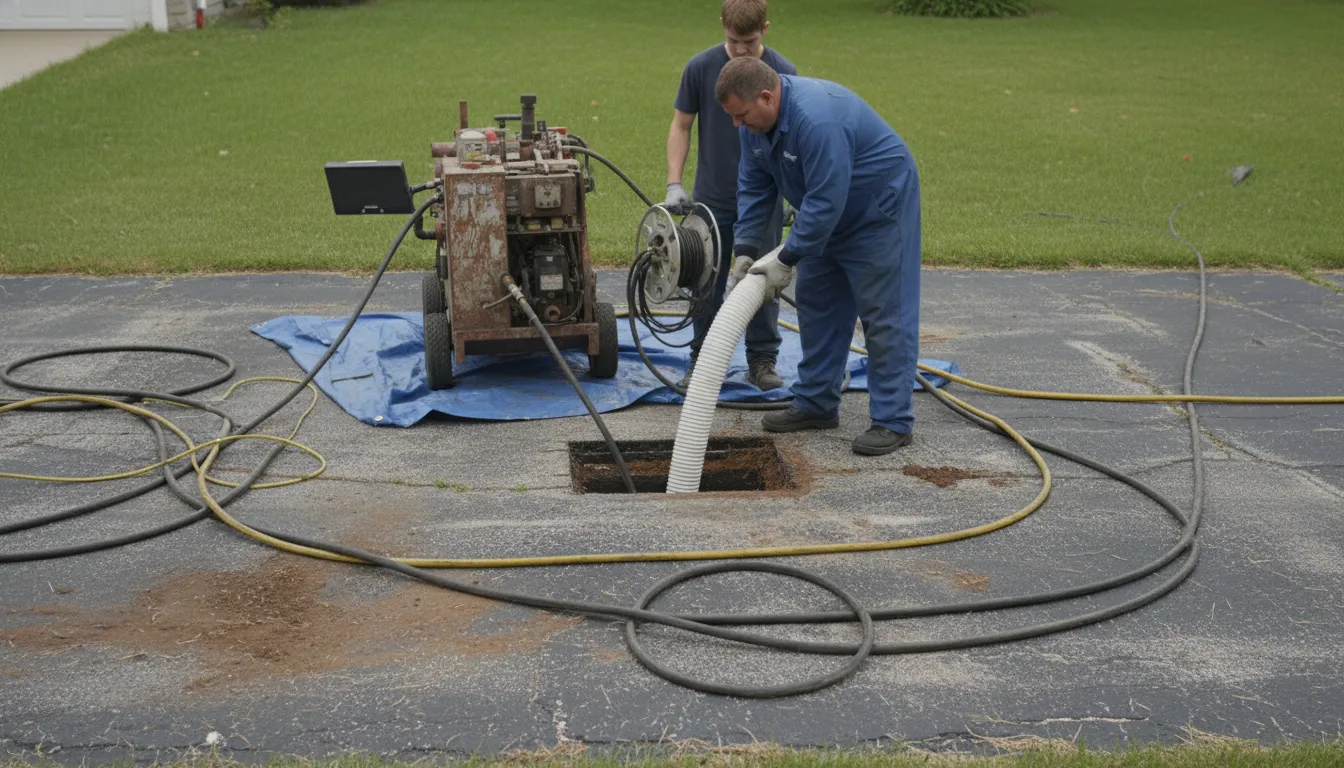
Find the Best Trenchless Sewer Repair Companies for Your Business
No obligation • Fast responses • Nationwide coverage

Why you can trust Search a Plumber
Search a Plumber is a leading United States resource for finding and evaluating professional plumbing services. Our team researches licensing, experience, and customer feedback to create unbiased, fact-driven overviews. Companies cannot pay to change ratings or placement, ensuring homeowners get trustworthy information.
Search providers near you
Top Trenchless Sewer Repair Companies in Hemet, California Ranked
A damaged sewer line is a serious problem for any Hemet homeowner, but the thought of a massive, disruptive excavation across your yard can be just as daunting. Trenchless sewer repair offers a modern, less invasive solution to fix cracked, leaking, or blocked pipes without the need for extensive digging. This guide explains what trenchless technology is, why it's a valuable option for our local landscape, and how you can find qualified professionals in the Hemet area to assess and resolve your sewer line issues efficiently.
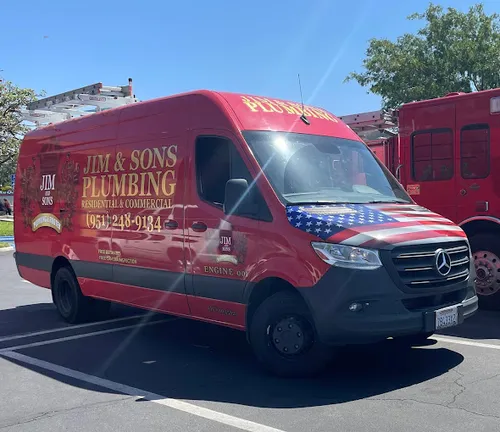
Jim & Sons Plumbing & Rooter
9345 Narnia Dr, Riverside, CA 92503
Jim & Sons Plumbing & Rooter is a family-owned plumbing company serving Riverside, CA, and the surrounding Inland Empire region. Since 1983, they have provided residential and commercial plumbing services including water heater repair and installation, drain cleaning, sewer line repair, leak detection, repiping, gas line installation, and garbage disposal repair. They specialize in trenchless sewer repair techniques such as pipe bursting and cured-in-place lining, which allow sewer line renewal without excavation, preserving landscaping and minimizing environmental impact. The company offers same-day service and is fully licensed and insured.
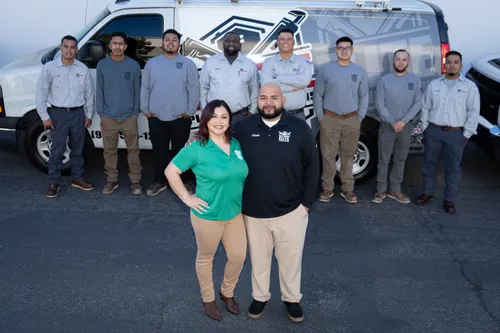
Elite Plumbing & Drains LLC
1440 3rd St Unit 20, Riverside, CA 92507
Elite Plumbing & Drains LLC is a plumbing company based in Riverside, CA, offering a range of services including sewer camera inspections, drain cleaning, sewer line repair, and trenchless sewer repair. They serve both residential and commercial customers in the Riverside area. The company uses advanced technology and trenchless methods to provide efficient, no-dig solutions for sewer and drain problems. Elite Plumbing & Drains LLC is available 24/7 for emergency services and provides a workmanship guarantee for their work.
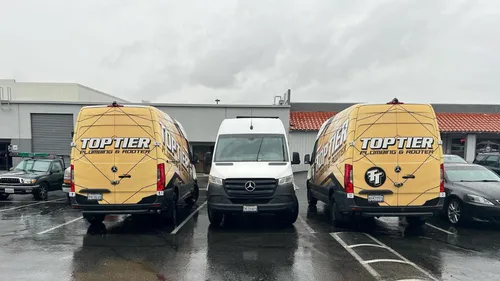
Top Tier Plumbing & Air LLC
12210 Michigan St Unit 2, Grand Terrace, CA 92313
Top Tier Plumbing & Air LLC is a plumbing company serving Riverside, CA, and surrounding areas. They offer a range of residential plumbing services including water heater repair and installation, tankless water heater services, drain cleaning, sewer line repair, trenchless sewer repair, leak detection, gas line installation, and toilet repair. The company specializes in trenchless sewer replacement and hydro jetting, providing modern solutions for sewer and drain issues. Established in 2010, Top Tier Plumbing & Air LLC brings over a decade of experience to their work. They also provide 24/7 emergency plumbing services to address urgent needs promptly.
Benjamin's Plumbing & Drain Cleaning
5639 Durango Rd, Riverside, CA 92506
Benjamin's Plumbing & Drain Cleaning is a plumbing service provider located in Riverside, CA. They offer a wide range of plumbing services including sewer and drain cleaning, water heater repair and installation, gas line installation, leak detection, repiping, and trenchless sewer line repair. The company uses modern technology such as sewer video inspections and hydro jetting to diagnose and resolve plumbing issues efficiently. They serve residential, commercial, and industrial clients throughout Riverside and surrounding areas. Benjamin's Plumbing & Drain Cleaning also provides commercial plumbing services including water tempering, boiler maintenance, backflow testing, and preventive maintenance. Their trenchless sewer repair technology helps minimize property damage during underground repairs.
A-Plus Plumber Riverside CA
1765 University Ave, Riverside, CA 92507
A-Plus Plumber Riverside CA provides a wide range of plumbing services in Riverside, CA, including water heater repair, drain cleaning, leak detection, trenchless sewer repair, and hydro jetting. The company uses advanced diagnostic tools and modern techniques such as trenchless pipe relining and hydro jetting to address plumbing issues efficiently while minimizing disruption to properties. Their experienced technicians handle everything from routine maintenance to emergency repairs, ensuring plumbing systems function properly. A-Plus Plumber Riverside CA also offers specialized services like slab leak repair and sewer line replacement. They serve Riverside and surrounding areas with availability Monday through Sunday during regular business hours.
Understanding Trenchless Sewer Line Technology
Often called "no-dig" sewer repair, trenchless technology is a method for repairing or replacing underground sewer pipes with minimal surface disruption. Instead of digging a long, deep trench to expose the entire pipe, technicians use small access points-typically at the beginning and end of the damaged section-to perform the repair from inside the pipe itself. This approach is particularly well-suited for Hemet, where pipes may run under driveways, mature landscaping, gardens, or even the home's foundation, making traditional excavation costly and destructive 1.
The core principle is rehabilitation rather than full-scale removal. By creating a new, structurally sound pipe within the old one, trenchless methods restore full flow and function while preserving your property. The process relies on specialized equipment, including high-resolution sewer cameras for diagnosis and cured-in-place pipe (CIPP) or pipe bursting machinery for the repair itself.
When to Consider Trenchless Repair for Your Hemet Home
Not every sewer problem requires a trenchless solution, but it is an excellent option for many common issues. Understanding when this method is applicable can help you make an informed decision when consulting with a local specialist.
Ideal Candidates for Trenchless Repair:
- Cracks and Minor Breaks: Horizontal cracks, fractures, or small holes in the pipe wall.
- Root Intrusion: Where tree roots have entered and blocked or damaged the pipe but haven't fully collapsed it.
- Leaks and Seepage: Deteriorated pipe joints or corrosion causing groundwater infiltration or sewage exfiltration.
- Bellied Pipes: Sections that have sunk, creating a low spot that collects waste and causes blockages.
- Long Pipe Runs: Especially those running under hardscapes like driveways, patios, or pools 2.
When Traditional Excavation May Be Necessary: Trenchless methods require a relatively intact host pipe to guide the new lining or bursting tool. Full traditional excavation is typically still required for:
- Severely Collapsed Pipes: Where the pipe is flattened or crushed and cannot be navigated.
- Total Pipe Failure: Sections that are completely disintegrated.
- Major Misalignments: Severe offsets where one pipe section has shifted dramatically from another.
A professional sewer camera inspection is the critical first step to determine the exact condition and suitability for a trenchless fix.
The Two Primary Trenchless Methods Explained
Local plumbing professionals in Hemet generally utilize one of two main trenchless techniques, each suited for slightly different scenarios.
Cured-In-Place Pipe (CIPP) Lining
This is the most common form of trenchless rehabilitation. A flexible, resin-saturated tube (liner) is inserted into the damaged sewer pipe through an access point. The liner is then inflated, pressing it tightly against the interior walls of the old pipe. The resin is cured using hot water or UV light, hardening to form a smooth, jointless, and corrosion-resistant "pipe within a pipe." CIPP lining effectively seals cracks, blocks root intrusion, and restores structural integrity without changing the pipe's diameter.
Best for: Pipes with cracks, leaks, root holes, or corrosion that are not fully collapsed. It's a superb choice for fixing long runs under landscapes.
Pipe Bursting
Pipe bursting is a trenchless replacement method. A conical bursting head is pulled through the old, damaged pipe, fracturing it outward into the surrounding soil. Simultaneously, a new high-density polyethylene (HDPE) pipe is pulled in behind the bursting head, immediately replacing the old line. This method can slightly increase the diameter of the new pipe, improving flow capacity.
Best for: Replacing severely deteriorated pipes that are beyond simple lining, or when a slight increase in pipe size is desired. It still requires only small access pits but is more forceful than CIPP.
Find the perfect trenchless sewer repair companies for your needs
Get personalized recommendations and expert advice
The Step-by-Step Trenchless Repair Process
Knowing what to expect can alleviate stress. Here's how a typical trenchless sewer repair project in Hemet unfolds:
- Comprehensive Camera Inspection: A specialized sewer camera is sent down the line to pinpoint the exact location, nature, and extent of the damage. This video evidence is crucial for diagnosing the problem and planning the repair 3.
- Line Preparation & Access: The existing pipe is thoroughly cleaned using high-pressure water jetting to remove debris, roots, and scale. Small, strategic access pits are excavated at the start and end points of the repair section.
- Lining or Bursting: For CIPP, the saturated liner is fed into the pipe and inflated. For pipe bursting, the bursting head and new pipe are set up and pulled through. This is the core "no-dig" phase of the work.
- Curing and Finalization: For CIPP, the resin is cured until hard. The ends are trimmed, and connections are re-established. For pipe bursting, connections are made to the existing sewer system.
- Final Quality Inspection: A post-repair camera inspection is conducted to verify the new pipe is seamless, properly aligned, and ready for service 4.
Costs of Trenchless Sewer Repair in Hemet
The cost of trenchless sewer repair is influenced by the method used, the length and depth of the pipe, the severity of damage, and local factors like permit fees. While it often has a higher per-foot material cost than traditional digging, it can be more cost-effective overall by eliminating extensive restoration expenses.
Cost Breakdown:
- Total Project Range: Projects can range from $1,900 to over $25,000, depending on scope.
- Per-Foot Costs: Generally between $80 to $285 per foot 5.
- CIPP Lining: Often falls in the range of $135 to $150 per foot.
- Pipe Bursting: Typically costs $150 to $190 per foot when including the new pipe 6.
- Additional Costs:
- Camera Inspection: $175 to $350 (usually essential) 7.
- Permits: The City of Hemet requires permits for sewer line work, which can add several hundred to over a thousand dollars to the project cost.
- Landscape Restoration: Minimal with trenchless, but small access pits will need to be filled and resodded.
Permits and Inspections in Hemet
Sewer line work is regulated to ensure public health and environmental safety. Reputable Hemet contractors will handle this process for you.
- Permits: A permit from the City of Hemet is mandatory for sewer repair or replacement. The contractor typically pulls this permit, and its cost is factored into your project estimate.
- Inspections: City or county inspectors will visit the site, often before the access pits are backfilled, to verify the work complies with local plumbing and building codes. Passing this inspection is a critical step to close out the project legally and safely.
Trenchless vs. Traditional Excavation: A Clear Comparison
Choosing the right method involves weighing key factors:
Advantages of Trenchless Repair:
- Minimal Landscape Destruction: Preserves lawns, gardens, driveways, and hardscapes.
- Faster Completion: Most projects can be completed in 1-2 days.
- Reduced Restoration Cost: Eliminates the high cost of repairing large excavated areas.
- Durable Result: The new CIPP liner or HDPE pipe is resistant to roots and corrosion, often with a 50-year lifespan.
Advantages of Traditional Excavation:
- Solves All Problems: Can address any type of damage, including total collapses.
- Direct Visual Inspection: The entire pipe is exposed for assessment.
- Potentially Lower Material Cost: The pipe materials themselves are often less expensive than trenchless liners 8 9 10.
Key Takeaway: For most repairs involving cracks, leaks, or root intrusion-especially under valuable landscaping-trenchless technology in Hemet offers a faster, cleaner, and often more economical long-term solution. For completely failed pipes, traditional excavation remains the necessary option 11.
Finding a Qualified Trenchless Professional in Hemet
Your project's success depends on the skill of the contractor. Always seek a licensed, insured plumber or sewer specialist with specific experience in trenchless methods. Ask for proof of licensing, references from local projects, and detailed, written estimates that include permit fees and inspection costs. A trustworthy professional will always recommend a camera inspection first and clearly explain why a particular method is best for your situation 12.
Frequently asked questions
Sources
Footnotes
-
Empower Your Decision: Decoding Trenchless Sewer Repair Costs - https://pipelinerpros.com/trenchless-sewer-repair-cost/ ↩
-
The Large Pros and Small Cons of Using Trenchless Sewer Repair - https://plumberoftucson.com/plumbing-services/the-large-pros-and-small-cons-of-using-trenchless-sewer-repair/ ↩
-
Trenchless Sewer Repair vs Traditional Method - CPI Service - https://cpiservice.com/blog/trenchless-pipe-repair-vs-traditional-method/ ↩
-
Trenchless Sewer Line Repair vs. Sewer Line Excavation - https://dandfplumbing.com/sewer-line-repair-vs-sewer-line-excavation/ ↩
-
Trenchless Sewer Repair vs. Traditional Excavation - https://tdtplumbing.com/trenchless-sewer-repair/difference-to-traditional-repair/ ↩
-
How much does it cost to repair a sewer using trenchless methods? - https://sewerpros.com/trenchless-sewer-repair-cost/ ↩
-
How Much Does Trenchless Sewer Line Piping Cost? [2026 Data] - https://www.angi.com/articles/trenchless-sewer-line-replacement-cost.htm ↩
-
Trenchless Sewer Repair vs. Traditional Excavation - AQUALIS - https://aqualisco.com/trenchless-sewer-repair-vs-traditional/ ↩
-
Trenchless vs. Traditional Sewer Repair - https://sewerlinesonly.com/trenchless-vs-traditional-sewer-repair-which-is-more-cost-effective-for-lakewood-homeowners/ ↩
-
Trenchless Sewer Repair vs. Traditional Excavation - https://alphaenvironmental.net/blog/trenchless-sewer-repair-vs-traditional-excavation-which-is-better/ ↩
-
What Are The Pros and Cons of Trenchless Sewer Repair? - https://www.southernairnow.com/blog/what-are-the-pros-and-cons-of-trenchless-sewer-repair/ ↩
-
What Trenchless Sewer Repair Costs & What Impacts the Price - https://www.sunsethc.com/what-trenchless-sewer-repair-really-costs-and-what-impacts-the-price/ ↩