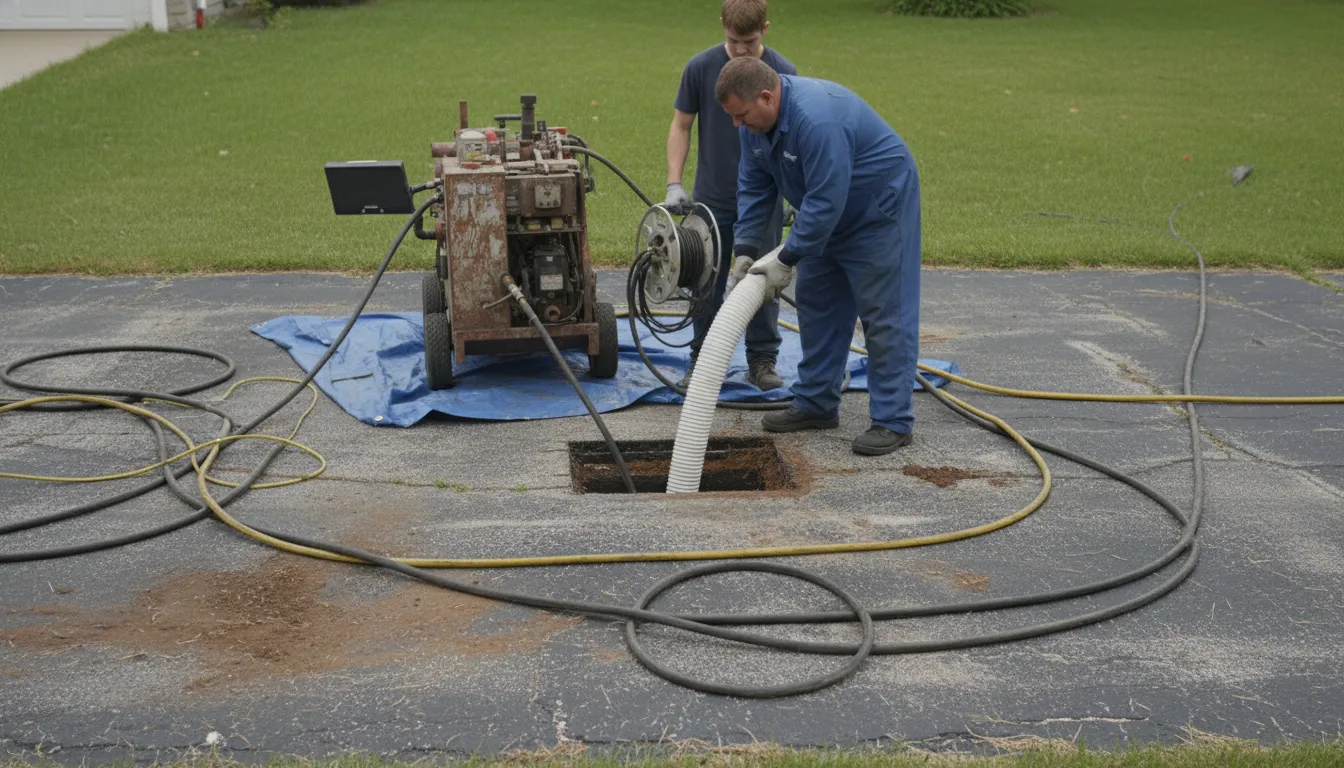
Find the Best Trenchless Sewer Repair Companies for Your Business
No obligation • Fast responses • Nationwide coverage
Why you can trust Search a Plumber
Search a Plumber is a leading United States resource for finding and evaluating professional plumbing services. Our team researches licensing, experience, and customer feedback to create unbiased, fact-driven overviews. Companies cannot pay to change ratings or placement, ensuring homeowners get trustworthy information.
Search providers near you
Top Trenchless Sewer Repair Companies in Queen Creek, Arizona Ranked
A damaged sewer line is a serious problem that can disrupt your home and threaten your property. Trenchless sewer repair offers a modern, minimally invasive solution to fix underground pipes without the need for extensive, destructive digging. This advanced method is crucial for preserving Queen Creek's landscaping, driveways, and hardscapes while efficiently restoring your home's essential plumbing function. The following guide explains how trenchless technology works, when it's the right choice, and how you can connect with local specialists to assess and address your sewer line issues.
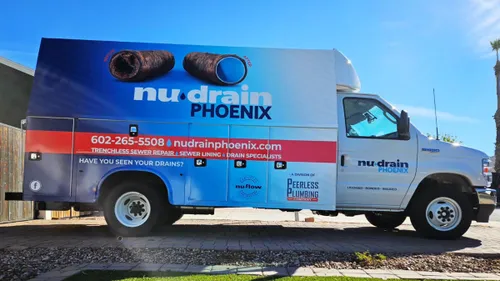
Peerless Plumbing & Nudrain Phoenix
3801 E Roeser Rd #20, Phoenix, AZ 85040
Peerless Plumbing & Nudrain Phoenix is a family-owned trenchless plumbing contractor based in Phoenix, AZ. They specialize in trenchless sewer repair, sewer camera inspections, repiping, and sewer line repairs using innovative, minimally disruptive technology. As the first licensed NuFlow contractor in Arizona, they offer services that avoid traditional digging, preserving landscapes and structures while restoring pipes efficiently. With over 30 years and more than 10,000 piping installations experience, Peerless Plumbing provides long-term plumbing solutions throughout Arizona and partners with professionals across the U.S. and Canada to extend their reach. They are certified by NASSCO and NuFlow and have been recognized in industry publications and podcasts for their expertise.
Angry Pipe Plumbing Solutions, LLC.
32424 Apache Ave, Queen Creek, AZ 85142
Angry Pipe Plumbing Solutions, LLC. provides a wide range of plumbing services in Phoenix, AZ. Their offerings include sewer camera inspections, water heater repair and installation for both tanked and tankless systems, water softener installation, sewer line repair including trenchless methods, and leak detection. They use advanced technology such as video camera inspections and trenchless sewer repair to deliver efficient and minimally invasive solutions. The company emphasizes quality workmanship and honest service, with licensed and experienced plumbers handling everything from emergency repairs to full system upgrades. Angry Pipe Plumbing Solutions also offers 24/7 emergency plumbing repairs to address urgent issues promptly.
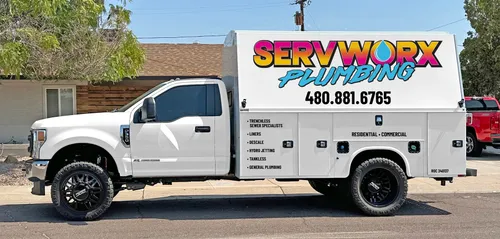
ServWorx Plumbing
25408 S 197th St #5, Queen Creek, AZ 85142
ServWorx Plumbing is a family-owned plumbing company serving Phoenix, AZ, and surrounding areas including Queen Creek, Gilbert, Scottsdale, and more. With 15 years of experience, they offer a full range of plumbing and trenchless sewer repair services for both residential and commercial properties. Their capabilities include sewer camera inspections and trenchless sewer repairs, allowing for less invasive and efficient solutions. ServWorx Plumbing provides 24/7 emergency service to address urgent plumbing needs.
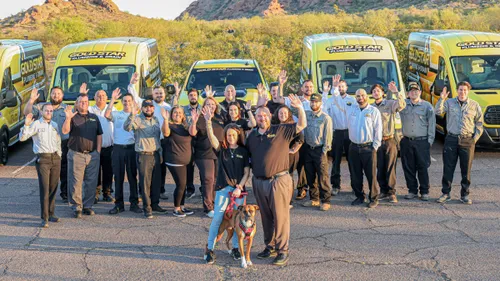
Gold Star Plumbing & Drain
1528 W San Pedro St #4, Gilbert, AZ 85233
Gold Star Plumbing & Drain is a full-service plumbing company serving Phoenix, AZ, and nearby areas including Gilbert, Chandler, Mesa, Queen Creek, and Scottsdale. They offer a wide range of services such as sewer camera inspections, hydro jetting, water heater installation and repair, water softener and filtration systems, leak detection, repiping, gas line installation, and commercial plumbing solutions. Known for their expertise in trenchless sewer repair and 24/7 emergency availability, Gold Star Plumbing & Drain has been serving the Gilbert area for over 20 years. Their licensed and insured technicians provide solutions tailored to local water quality and infrastructure challenges.
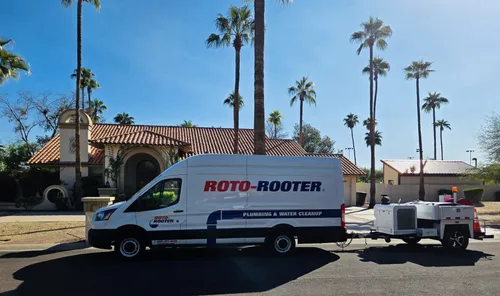
Roto-Rooter Plumbing & Water Cleanup
3230 E Washington St Ste 101, Phoenix, AZ 85034
Roto-Rooter Plumbing & Water Cleanup is a plumbing service provider based in Phoenix, AZ. They offer a wide range of services including sewer camera inspections, water heater repairs and installations, water softener and filtration system installations, drain cleaning, hydro jetting, sewer line repairs including trenchless methods, and leak detection. Their team uses video camera inspections to accurately diagnose sewer line issues and provides both conventional excavation and trenchless sewer line repairs to minimize disruption. Roto-Rooter serves Phoenix and nearby communities such as Komatke, Laveen Village, and Downtown Phoenix. They provide 24/7 emergency plumbing services to address urgent plumbing and water-related problems at any time.
What is Trenchless Sewer Repair?
Trenchless sewer repair, often called cured-in-place pipe (CIPP) lining or pipe bursting, is a method for repairing or replacing underground sewer lines with minimal excavation. Instead of digging a long, deep trench to access the entire pipe, technicians use specialized equipment to repair the line from the inside out through small access points. This innovative approach focuses on rehabilitation rather than full-scale replacement, saving time, money, and your property's appearance.
The core principle involves accessing the damaged pipe through existing cleanouts or by digging two small holes at each end of the section needing work. A flexible liner coated with resin is then inserted and inflated, hardening in place to form a new, seamless pipe within the old one. For severely damaged lines, a pipe bursting method may be used, which fragments the old pipe while simultaneously pulling a new one into place.
Common Problems Trenchless Repair Can Fix
Trenchless methods are highly effective for a range of common sewer line failures, particularly those found in Queen Creek's residential systems. If you're experiencing frequent clogs, slow drains, or sewage odors, your sewer lateral may be compromised by one of these issues:
- Root Intrusion: Tree roots seeking moisture can infiltrate pipe joints and cracks, causing blockages and eventual pipe failure. Trenchless lining creates a seamless barrier against future root growth.
- Cracks, Holes, and Corrosion: Over time, pipes can develop cracks from ground shifting, pinhole leaks from corrosion, or general deterioration. The CIPP liner seals these breaches completely.
- Minor Misalignments and Sags: Sections of pipe that have settled or become slightly offset can lead to waste buildup and blockages. Lining can often correct minor sags and restore proper flow.
- Bellied Pipes: A low spot or "belly" in the line where waste collects can be rehabilitated with lining, though severe collapses may require excavation.
It's important to have a professional video inspection to accurately diagnose the problem, as this determines the most suitable repair strategy.
Trenchless Repair vs. Traditional Excavation
Choosing between a no-dig solution and traditional digging depends on the specific condition of your pipes and your property's layout.
When Trenchless is the Best Choice: Trenchless pipe repair is ideal when the goal is to preserve your property. It's the recommended approach for fixing cracks, root intrusion, and corrosion, especially when the damage is located under driveways, patios, mature landscaping, or pools 1 2 3. The overall project cost is often lower than excavation because it eliminates thousands of dollars in restoration work, such as repaving concrete or re-sodding lawns. Most trenchless projects can be completed in a single day with significantly less disruption.
When Traditional Excavation May Be Necessary: There are situations where full excavation is unavoidable. This includes completely collapsed pipes, severe breaks where the pipe has shattered, or instances where the existing pipe material or condition makes it unsuitable for lining or bursting 4. A qualified plumbing professional will use camera inspection footage to advise you on the only viable method for your situation.
Find the perfect trenchless sewer repair companies for your needs
Get personalized recommendations and expert advice
The Trenchless Repair Process: Step-by-Step
Understanding the workflow can help homeowners know what to expect from a trenchless sewer line rehabilitation project in Queen Creek.
- Video Camera Inspection: A high-resolution sewer camera is snaked through the line to pinpoint the exact location, nature, and extent of the damage. This is the essential first step for an accurate diagnosis and quote 5.
- Hydro Jetting & Cleaning: Before any repair, the pipe must be thoroughly cleaned. High-pressure water jetting clears out roots, grease, debris, and scale to prepare the interior surface for the liner.
- Access Preparation: Technicians will locate and use existing cleanouts. If necessary, they will excavate two small, strategic access pits at the beginning and end of the damaged section. These are the only digging required.
- Liner Installation & Curing: For CIPP lining, a flexible felt tube saturated with thermosetting resin is inverted or pulled into the old pipe. It is then inflated with air or steam, which presses it against the host pipe's walls and cures the resin into a hard, durable new pipe. For pipe bursting, a bursting head is pulled through, breaking the old pipe apart while simultaneously drawing in a new HDPE pipe.
- Final Inspection and Restoration: Once cured, a final camera inspection is conducted to ensure a seamless, watertight repair that meets code. The small access pits are backfilled, requiring minimal, if any, restoration. Your water service is restored, and the project is complete.
Permits, Inspections, and Local Queen Creek Considerations
Most sewer line repairs in Queen Creek require a permit from the Town's Building & Development Services department. Reputable plumbing companies will typically handle the permit application process on your behalf. The purpose of the permit is to ensure the work meets municipal plumbing and building codes, protecting your home and the public sewer system.
After the trenchless repair is finished, a town inspector will usually require a final inspection. This often involves reviewing the post-repair camera footage to verify the integrity of the new liner or pipe 6. Securing the proper permits and passing inspection is a non-negotiable part of a professional, lasting repair.
Understanding the Cost of Trenchless Sewer Repair
The cost for trenchless sewer repair in Queen Creek varies based on the length of the damaged section, the diameter of the pipe, the specific technology used (CIPP vs. pipe bursting), and the complexity of the access. However, the no-dig approach is frequently more cost-effective when considering the total project.
- Cost Ranges: Complete trenchless projects can range from $2,000 to $50,000 or more, with most residential lateral repairs falling on the lower end of that spectrum.
- Per-Foot Cost: A common way to estimate is by the linear foot. Cured-in-place pipe (CIPP) lining typically costs between $80 and $250 per foot, which includes materials, labor, and equipment 7 8 9.
- The Overall Value: While the initial quote for trenchless methods might seem comparable to excavation, the total savings are substantial because you avoid the high costs of restoring landscaping, concrete, decks, or other surface features 10. The value of preserving your property's aesthetics and avoiding weeks of disruption is a significant financial benefit.
For an accurate estimate, local Queen Creek providers like ServWorx Plumbing or Angry Pipe Plumbing Solutions can provide specific quotes after a video inspection 11.
Frequently asked questions
Sources
Footnotes
-
Trenchless Pipe Repair - Servworxplumbing.com - https://servworxplumbing.com/services/trenchless-pipe-repair/ ↩
-
Trenchless Sewer Line Repair vs. Sewer Line Excavation - https://dandfplumbing.com/sewer-line-repair-vs-sewer-line-excavation/ ↩
-
Traditional Excavation vs. Trenchless Pipe Repair in Phoenix - https://nuflowphoenix.com/traditional-excavation-vs-trenchless-pipe-repair-in-phoenix-a-full-cost-benefit-analysis/ ↩
-
Trenchless Sewer Line Repair vs Traditional: Which Is Better - https://cactusplumbingandair.com/trenchless-sewer-line-repair-vs-traditional/ ↩
-
Trenchless Sewer Repair vs Traditional Method - CPI Service - https://cpiservice.com/blog/trenchless-pipe-repair-vs-traditional-method/ ↩
-
Trenchless Sewer Repair - Knockout Plumbing, LLC - https://knockoutplumbingaz.com/plumbing-services/trenchless-sewer-repair/ ↩
-
Sewer Repair Signs & Trenchless Savings: Your Expert Guide - https://anyhourservices.com/arizona/sewer-line-repair-trenchless-options/ ↩
-
How Much Does Trenchless Sewer Repair Cost? - https://aridvalleyaz.com/how-much-does-trenchless-sewer-repair-cost/ ↩
-
Trenchless Sewer Repair Service near Phoenix AZ - https://www.hobaica.com/sewer/trenchless-repairs/ ↩
-
Trenchless vs. Traditional Sewer Repair - https://sewerlinesonly.com/trenchless-vs-traditional-sewer-repair-which-is-more-cost-effective-for-lakewood-homeowners/ ↩
-
Trenchless Plumbing Repairs in Queen Creek, AZ - https://www.angrypipe.com/trenchless-plumbing-repairs/ ↩