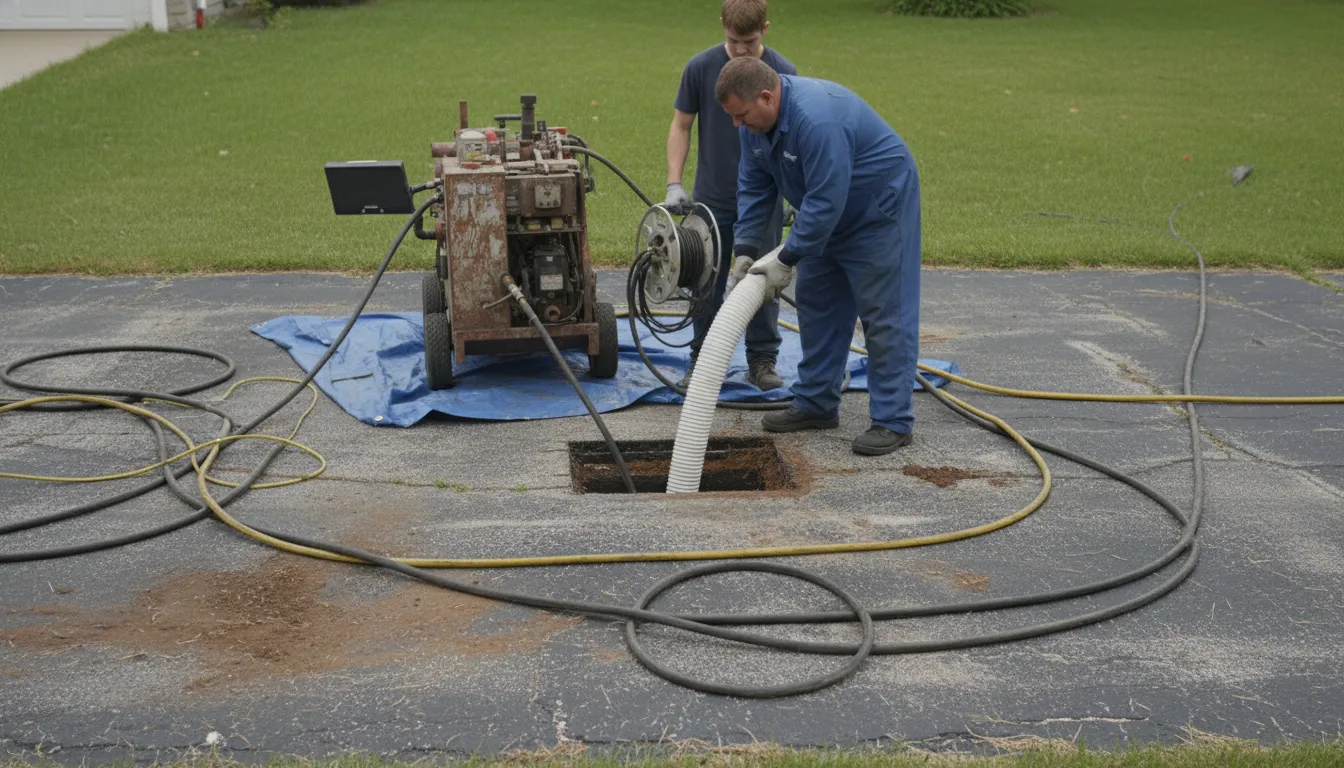
Find the Best Trenchless Sewer Repair Companies for Your Business
No obligation • Fast responses • Nationwide coverage
Why you can trust Search a Plumber
Search a Plumber is a leading United States resource for finding and evaluating professional plumbing services. Our team researches licensing, experience, and customer feedback to create unbiased, fact-driven overviews. Companies cannot pay to change ratings or placement, ensuring homeowners get trustworthy information.
Search providers near you
Top Trenchless Sewer Repair Companies in Goodyear, Arizona Ranked
Trenchless sewer repair is a modern method for fixing damaged underground sewer lines without the need for extensive digging. This approach is crucial for homeowners in Goodyear as it preserves landscaping, driveways, and patios while addressing common issues like cracks, root intrusion, and pipe deterioration. This guide explains how trenchless technology works, when it's the best solution, and how you can find qualified local specialists to assess and repair your sewer line efficiently.
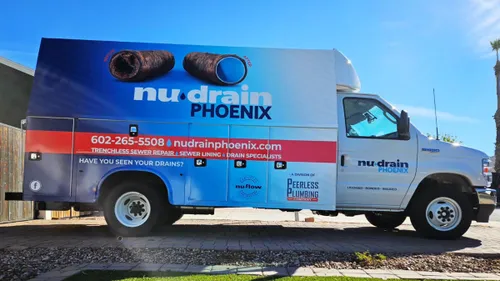
Peerless Plumbing & Nudrain Phoenix
3801 E Roeser Rd #20, Phoenix, AZ 85040
Peerless Plumbing & Nudrain Phoenix is a family-owned trenchless plumbing contractor based in Phoenix, AZ. They specialize in trenchless sewer repair, sewer camera inspections, repiping, and sewer line repairs using innovative, minimally disruptive technology. As the first licensed NuFlow contractor in Arizona, they offer services that avoid traditional digging, preserving landscapes and structures while restoring pipes efficiently. With over 30 years and more than 10,000 piping installations experience, Peerless Plumbing provides long-term plumbing solutions throughout Arizona and partners with professionals across the U.S. and Canada to extend their reach. They are certified by NASSCO and NuFlow and have been recognized in industry publications and podcasts for their expertise.
Roto-Rooter Plumbing & Water Cleanup
12133 W Bell Rd #104, Surprise, AZ 85378
Roto-Rooter Plumbing & Water Cleanup provides comprehensive plumbing and water cleanup services in Phoenix, AZ, and the surrounding areas. They serve both residential and commercial clients with a wide range of services including sewer and drain cleaning, water heater repair and installation, leak detection, gas line installation, and trenchless sewer repair. The company is equipped to handle emergency plumbing situations and offers 24/7 availability to address urgent issues such as sewer backups, flooding, and gas leaks. Roto-Rooter also specializes in hydro jetting and mold remediation, using advanced technology to maintain and restore plumbing systems effectively. Serving the greater Phoenix area, Roto-Rooter has a strong local presence and understands the unique plumbing challenges posed by the region's weather and infrastructure. Their team is experienced in both conventional and trenchless sewer repair methods, providing tailored solutions for each property. The company emphasizes emergency readiness with around-the-clock service to minimize damage and disruption during plumbing crises.
Somers Plumbers - Phoenix Plumbing Company
14039 N 8th Pl, Phoenix, AZ 85022
Somers Plumbers - Phoenix Plumbing Company provides a wide range of plumbing services to residential and commercial clients in Phoenix, AZ, and surrounding communities including Scottsdale, Tempe, and Laveen. They specialize in water heater installation and repair, drain cleaning with hydro jetting, sewer line repair including trenchless methods, leak detection, repiping, and emergency plumbing services available 24/7. Their team is experienced in handling the challenges of the Phoenix climate, such as hard water and slab leaks, using advanced equipment like sewer cameras and hydro jetting tools. With decades of experience in the plumbing trade, Somers Plumbers offers expert advice and tailored solutions to meet the unique needs of homes and businesses in the Valley of the Sun.
AZ Family Plumbing Co LLC
Phoenix, AZ
AZ Family Plumbing Co LLC is a plumbing company serving Phoenix, AZ, and the surrounding areas. They offer a range of plumbing services including drain cleaning, sewer line repair, trenchless sewer repair, water heater installation and repair, water softener installation, leak detection, and hydro jetting. The company uses camera inspections to diagnose sewer and drain issues and provides hydro jetting to clear pipes effectively. Founded in 2021, AZ Family Plumbing is led by a Master Plumber with over 25 years of experience. They also provide emergency plumbing services to address urgent plumbing problems.
AquaForce Plumbing and Drain
Glendale, AZ
AquaForce Plumbing and Drain is a veteran-owned plumbing company serving Glendale, AZ, and the surrounding West Valley areas including Peoria, Phoenix, and Surprise. They provide a wide range of plumbing services for both residential and commercial customers, including sewer line inspection and repair, water heater installation and repair, leak detection, drain cleaning, and trenchless sewer and pipe replacement. AquaForce is equipped to handle emergency plumbing needs with 24/7 availability and uses advanced technology for precise leak detection and sewer inspections.
Understanding Trenchless Sewer Line Technology
Often called "no-dig" sewer repair, trenchless technology encompasses two primary methods: pipe lining and pipe bursting. Both are designed to rehabilitate or replace your existing sewer line with minimal surface disruption. This is a significant advantage in Goodyear neighborhoods with mature trees, decorative hardscaping, or lines that run under structures. The process begins with a critical first step: a detailed camera inspection to pinpoint the exact location and nature of the damage.
The core idea is to fix the pipe from the inside out. Instead of excavating a long, deep trench across your property, technicians dig small, strategic access holes at the beginning and end of the damaged section. All repair work is then conducted through these openings, drastically reducing the mess and restoration time compared to traditional excavation.
Trenchless Repair Methods: Pipe Lining vs. Pipe Bursting
Not all sewer problems are solved the same way. Professional plumbers in Goodyear will recommend the specific trenchless technique best suited to your pipe's condition.
Cured-in-Place Pipe (CIPP) Lining This is a common form of trenchless pipe repair. A flexible tube coated with a resin (like epoxy) is inserted into the damaged sewer line. Once in position, the liner is inflated, pressing the resin against the interior walls of the old pipe. It is then cured using heat or UV light, forming a hard, seamless "pipe within a pipe." This new lining seals cracks, blocks root intrusion, and restores flow. CIPP lining is ideal for pipes that are structurally sound but have internal damage, such as cracks, holes, or corrosion.
Pipe Bursting This method is used for trenchless sewer replacement. A conical bursting head is pulled through the old, damaged pipe, fracturing it outward into the surrounding soil. Simultaneously, a new, durable pipe (often HDPE) is pulled in behind the bursting head to replace the old line. Pipe bursting is the solution when the existing pipe is too collapsed, misaligned, or degraded for lining. It also allows for the installation of a new pipe with a slightly larger diameter, which can improve flow capacity.
When is Trenchless the Right Choice for Your Goodyear Home?
Trenchless sewer rehabilitation is not a universal fix, but it is the preferred method for a wide range of common issues. Understanding its best applications will help you discuss options more effectively with a contractor.
Trenchless Repair is Best For:
- Minor to Moderate Damage: This includes cracks, small holes, joint separations, and corrosion.
- Root Intrusion: Roots seeking water can infiltrate pipe joints and cracks. A new CIPP liner creates a seamless barrier that roots cannot penetrate.
- Pipes in Inaccessible Areas: It is the ideal solution for sewer lines running under driveways, patios, pools, gardens, or even under the foundation of your house itself.
- Minimizing Property Disruption: If preserving your lawn, landscaping, or concrete surfaces is a top priority, the minimal excavation of trenchless methods is a major benefit 1.
Find the perfect trenchless sewer repair companies for your needs
Get personalized recommendations and expert advice
When Traditional Excavation May Be Necessary
While trenchless methods are versatile, there are situations where traditional, open-trench excavation is the necessary or more practical approach. A reputable plumbing professional will always conduct a camera inspection first to determine the most effective repair strategy.
Excavation is Necessary For:
- Severely Collapsed Pipes: If a pipe has completely flattened or shattered, there may be no viable path for a liner or bursting head 2.
- Multiple Major Failures: In cases where a long section of pipe has multiple severe breaks or is extensively misaligned, replacement via excavation might be more cost-effective 3 4.
- Access Limitations: Certain soil conditions, extreme depth, or complex utility conflicts can sometimes make trenchless methods impractical 5.
- Complete Line Replacement with Size Change: If you need to significantly increase the diameter of your sewer line beyond what pipe bursting can accommodate, excavation may be required.
The Trenchless Repair Process: Step-by-Step
Knowing what to expect can make the repair process less stressful. Here's a typical workflow for a trenchless sewer line fix in Goodyear:
- Comprehensive Inspection: A sewer camera is snaked through the line to visually confirm the problem, locate the damage, and assess the pipe's overall condition. This step is non-negotiable for an accurate diagnosis and quote.
- Clearing the Path: Any blockages, such as grease or roots, are cleared using hydro-jetting or mechanical augers to ensure a clear path for the liner or bursting equipment.
- Securing Permits: Your licensed contractor will obtain the necessary permits from the City of Goodyear. Permit costs can range from a few hundred to over a thousand dollars, depending on the project's scope, and are typically included in the overall estimate.
- Creating Access Points: Two small pits (typically 4x4 feet or smaller) are excavated at the start and end points of the damaged section.
- Executing the Repair: Either the CIPP liner is installed and cured, or the pipe bursting equipment is used to replace the line 6 7.
- Final Inspection & Restoration: After the liner has cured or the new pipe is installed, a follow-up camera inspection is often performed. A city inspector will also typically visit to approve the work. The small access pits are then backfilled and restored, requiring minimal landscaping.
Cost Considerations for Trenchless Sewer Repair
The cost of trenchless pipe lining or bursting in Goodyear is influenced by several factors. While the upfront cost per foot for trenchless methods is often higher than the pipe-and-labor cost of excavation, the total project cost can be very competitive or even lower when you factor in the massive savings on landscape and hardscape restoration.
Primary Cost Factors:
- Length of Damaged Pipe: Costs are frequently calculated per linear foot. The longer the section needing repair, the higher the cost.
- Pipe Diameter and Depth: Larger or deeper pipes require more material and labor.
- Repair Method: Pipe bursting can be slightly more expensive than CIPP lining due to the equipment and process involved.
- Complexity: Multiple bends, connections, or difficult access can increase the price.
- Permits and Inspections: As mentioned, these are required municipal costs 8.
While prices can vary, homeowners can expect a general range. Trenchless repair costs can range from $55 to $250 or more per linear foot 9 10. For a typical 20-foot section, this translates to a rough range of $1,100 to $5,000 or more, with complex projects reaching $10,000+ 9 11. It's important to get detailed, written estimates from multiple licensed contractors that clearly break down all costs, including permits, inspections, and restoration.
Maintaining Your Repaired Sewer Line
Once your sewer line has been repaired with trenchless technology, proper maintenance is key to ensuring its longevity. The new CIPP liner or HDPE pipe is highly durable and resistant to roots and corrosion, but the entire system still benefits from care. Avoid flushing anything other than toilet paper and human waste. Be mindful of what goes down kitchen drains to prevent grease buildup. Consider periodic camera inspections every few years as a proactive measure to catch any new issues early, especially with older sections of pipe that weren't replaced.
Frequently asked questions
Sources
Footnotes
-
Traditional Excavation vs. Trenchless Pipe Repair in Phoenix - https://nuflowphoenix.com/traditional-excavation-vs-trenchless-pipe-repair-in-phoenix-a-full-cost-benefit-analysis/ ↩
-
Trenchless Sewer Line Repair vs. Sewer Line Excavation - https://dandfplumbing.com/sewer-line-repair-vs-sewer-line-excavation/ ↩
-
What Are The Pros and Cons of Trenchless Sewer Repair? - https://www.southernairnow.com/blog/what-are-the-pros-and-cons-of-trenchless-sewer-repair/ ↩
-
Trenchless Sewer Repair Service near Phoenix AZ - https://www.hobaica.com/sewer/trenchless-repairs/ ↩
-
Trenchless Sewer Repair vs. Traditional Excavation - AQUALIS - https://aqualisco.com/trenchless-sewer-repair-vs-traditional/ ↩
-
Trenchless Sewer Repair & Replacements | Goodyear, AZ | Bradley Plumbing LLC - https://www.bradleyplumbingaz.com/trenchless-sewer-repair-replacements ↩
-
What is Trenchless Sewer Repair? - https://bouldenbrothers.com/what-is-trenchless-sewer-repair/ ↩
-
How Much Does Trenchless Sewer Line Piping Cost? [2026 Data] - https://www.angi.com/articles/trenchless-sewer-line-replacement-cost.htm ↩
-
Empower Your Decision: Decoding Trenchless Sewer Repair Costs - Pipeliner Pros - https://pipelinerpros.com/trenchless-sewer-repair-cost/ ↩ ↩2
-
Cost of Trenchless Sewer Repair - NuFlow Phoenix - https://nuflowphoenix.com/cost-of-trenchless-sewer-repair/ ↩
-
Trenchless Sewer Repair Near You in Phoenix, Arizona - https://nuflowphoenix.com/trenchless-sewer-repair/ ↩