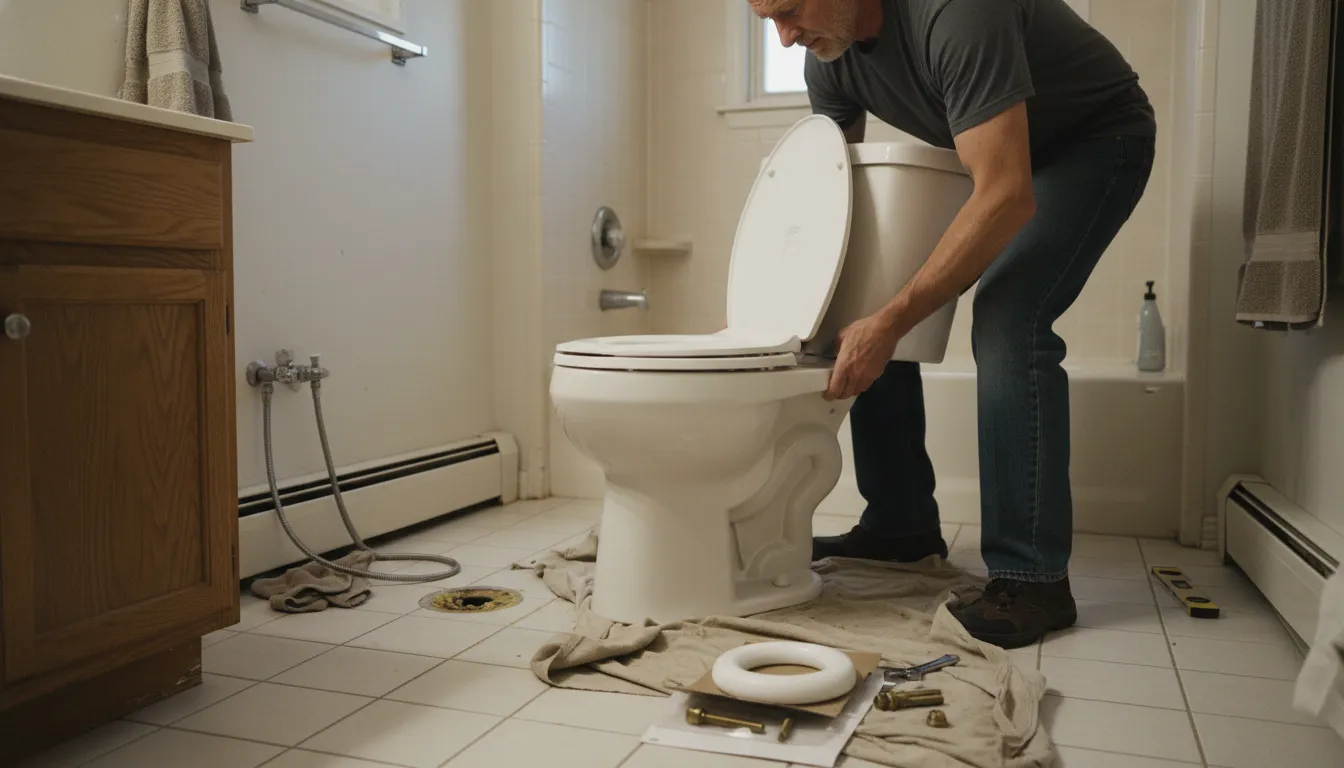
Find the Best Toilet Repair & Replacement Contractors for Your Business
No obligation • Fast responses • Nationwide coverage

Why you can trust Search a Plumber
Search a Plumber is a leading United States resource for finding and evaluating professional plumbing services. Our team researches licensing, experience, and customer feedback to create unbiased, fact-driven overviews. Companies cannot pay to change ratings or placement, ensuring homeowners get trustworthy information.
Search providers near you
Top Toilet Repair & Replacement Contractors in Stamford, Connecticut Ranked
Dealing with a faulty toilet is more than just an inconvenience; it can lead to wasted water, higher utility bills, and potential water damage in your Stamford home. Whether you're facing a persistent leak, a weak flush, or a toilet that's simply past its prime, timely professional attention is key. This guide will help you understand common toilet problems, your repair and replacement options, and how to connect with skilled local plumbing specialists who can restore function and efficiency to your bathroom.
Superior Plumbing, Heating, & Mechanical, LLC
New York, NY
Superior Plumbing, Heating, & Mechanical, LLC is a family-owned business serving New York, NY, and surrounding areas including the five boroughs, Long Island, and Westchester County. Since 2003, they have provided commercial plumbing, heating, and mechanical services to building owners, managers, and engineers. Their licensed team offers a range of services such as drain cleaning, leak detection, gas line installation, toilet repair, backflow prevention, and water leak detection. They are certified for gas piping and backflow testing and provide 24/7 emergency and scheduled maintenance services to ensure building systems operate efficiently and comply with local codes.
Dr. Drip Plumbing and Heating
123 Woodland Ave, Westwood, NJ 07675
Dr. Drip Plumbing and Heating is a family-run, veteran-owned plumbing and heating company serving New York, NY. They offer a wide range of services including water heater repair and installation, water softener and filtration systems, drain cleaning with hydro jetting, sewer line repair using trenchless methods, leak detection, and toilet repair. The company specializes in high-efficiency hot water systems such as condensing tankless water heaters and heat pump water heaters, as well as advanced leak detection and frozen pipe thawing. Founded by a master plumber with over 10 years of experience, Dr. Drip Plumbing and Heating focuses on comprehensive home water and heating solutions.
Serve-Well Plumbing & Heating Inc
116-04 Atlantic Ave, Richmond Hill, NY 11419
Serve-Well Plumbing & Heating Inc is a family-owned and operated plumbing and heating company serving New York, NY, and the surrounding tri-state area. With over 50 years of experience, they provide a wide range of services including sewer camera inspections, water heater installations, drain cleaning, sewer line repairs, leak detection, gas line installations, and toilet repairs. The company specializes in oil to gas conversions and offers fire suppression system installation and maintenance. Their technicians are licensed and certified, and they provide 24/7 support to address urgent plumbing and heating needs.
DC NY Sewer and Mechanical
New York, NY
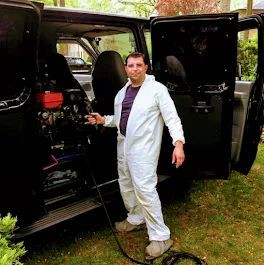
DC NY Sewer and Mechanical is a plumbing service provider based in New York, NY. They offer a wide range of plumbing solutions including sewer camera inspections, water heater repair and installation, drain cleaning, hydro jetting, leak detection, repiping, and garbage disposal repair. Their services cover both residential maintenance and repair needs, using modern equipment to diagnose and fix issues such as corrosion, leaks, and clogs efficiently. The company emphasizes comprehensive plumbing repairs to prevent recurring problems and supports upgrades like water heater replacements and water softener installations.
Atlas Plumbing & Heating
1129 Northern Blvd #404, Manhasset, NY 11030
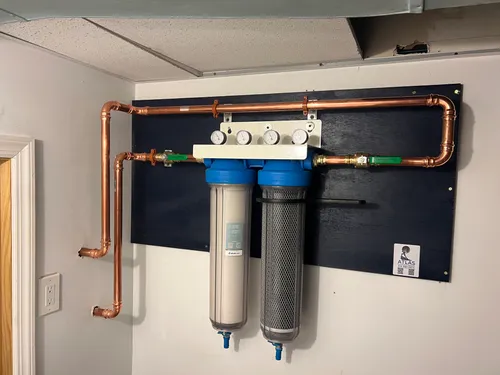
Atlas Plumbing & Heating provides plumbing and heating services in New York, NY, focusing on Nassau County and Long Island. The company offers water heater repair and installation, drain cleaning, leak detection, and toilet repair. They handle emergency plumbing repairs and routine maintenance for both homes and businesses, with a capability in water heater installation and energy-efficient plumbing solutions. Atlas Plumbing & Heating operates 24/7 for emergency plumbing and heating repairs, serving areas including Garden City, Manhasset, and Valley Stream.
Common Toilet Problems in Stamford Homes
Toilets are durable fixtures, but their constant use and exposure to water make them susceptible to specific issues. Recognizing the signs early can prevent minor problems from becoming major repairs.
- Running Toilets & Ghost Flushing: If you hear water running into the bowl long after a flush or the toilet seems to refill on its own, you're likely dealing with "ghost flushing." This is almost always caused by a worn-out flapper valve that no longer seals properly, allowing water to trickle from the tank into the bowl. A faulty fill valve or a cracked overflow tube can also cause continuous running, wasting hundreds of gallons of water monthly 1.
- Leaks at the Base: Discovering water pooling around the base of your toilet is a clear red flag. This typically indicates a broken seal. The wax ring that creates a watertight connection between the toilet and the sewer flange can degrade over time. A leak here can damage your subfloor and require more extensive repairs if not addressed promptly.
- Persistent Clogs and Weak Flushes: While a plunger can handle occasional blockages, frequent clogs or a consistently weak flush signal a deeper issue. This could range from a partial obstruction deeper in the drain line to problems with the toilet's internal trapway design or insufficient water flow from the tank.
- Age and Inefficiency: Older toilets, particularly those installed before 1994, can use 3.5 to 7 gallons per flush. Modern low-flow and dual-flush models use 1.28 gallons or less, offering significant water savings. If your toilet is constantly needing repairs or is an outdated water-guzzler, a full replacement often becomes the most cost-effective and eco-friendly solution.
Repair vs. Replacement: Making the Right Choice
When your toilet acts up, the first decision is whether to fix the existing fixture or install a new one. Here's how to evaluate your situation.
When Repair is the Best Path
Many toilet malfunctions are resolved by replacing a single, inexpensive component. Repairs are generally recommended when:
- The toilet is relatively new (less than 10-15 years old) and otherwise in good condition.
- The problem is isolated, such as a running toilet (fix: new flapper or fill valve) or a leak at the base (fix: new wax ring and possibly flange).
- The bowl and tank are not cracked and the overall style and function still meet your needs.
A professional plumber can quickly diagnose the issue. Common repair parts include rubber flappers, plastic or brass fill valves, wax rings, and closet bolts. The cost-effectiveness of repair is clear for simple fixes.
When Replacement Makes More Sense
Sometimes, investing in a new toilet is smarter than repeatedly patching up an old one. Consider replacement if:
- The toilet is old, cracks are visible in the porcelain, or it requires frequent repairs.
- You have an outdated, inefficient model and want to reduce your water bill with a WaterSense-certified high-efficiency toilet.
- You're renovating your bathroom and want to update the style or improve comfort with an ergonomic, elongated bowl design.
- The repairs needed are extensive, such as a broken flange beneath the floor or severe corrosion, where the labor cost approaches that of a new installation.
New toilets offer improved performance, easier cleaning with skirted designs, and comfort features like chair-height bowls. The initial investment is often offset by long-term water savings and reduced repair headaches.
Understanding Costs for Toilet Services
The cost for toilet work in Stamford varies based on the job's complexity, the parts required, and the time of day (emergency rates are higher). Here's a general breakdown based on local service data:
- Internal Parts Repair: Fixing a running toilet by replacing the flapper, fill valve, or flush valve typically ranges from $100 to $200 for parts and labor 2. This is a common and relatively straightforward service call.
- Wax Ring/Seal Replacement: Resolving a leak at the base by removing the toilet, replacing the wax ring, and resetting the fixture generally falls between $150 and $400 3. The price can increase if the underlying closet flange is damaged and needs repair or replacement.
- Full Toilet Replacement: Installing a brand-new toilet, including the cost of a standard model, removal of the old unit, and all necessary supplies, typically ranges from $400 to over $1,0004 5. The final cost depends heavily on the toilet you select (basic vs. premium models like dual-flush or smart toilets) and the condition of your plumbing connections. One Connecticut-based provider notes a median cost of around $875 for combined repair and replacement work in the state, reflecting the potential for higher-end projects or complex scenarios 5.
Find the perfect toilet repair & replacement contractors for your needs
Get personalized recommendations and expert advice
The Professional Service Process: What to Expect
Hiring a licensed Stamford plumber ensures the job is done safely and correctly, protecting your home from water damage. Here's how the process usually unfolds:
- Diagnosis: The technician will inspect your toilet, identify the root cause of the problem, and check for related issues like flange condition or supply line integrity.
- Explanation & Quote: A reputable professional will explain their findings, discuss whether repair or replacement is advisable, and provide a clear, upfront quote for the recommended solution.
- Parts & Preparation: For repairs, they will have common parts on their truck. For replacements, you may select a toilet beforehand, or they can assist in choosing an appropriate model. They will protect your bathroom floor and turn off the water supply.
- Execution: The work is performed using proper tools and techniques. For installations, this includes securing the new toilet to a stable flange, creating a perfect seal with a new wax ring or gasket, and testing for leaks.
- Clean-up & Review: The area will be cleaned, and the plumber will demonstrate proper operation, ensuring you're satisfied with the result.
Choosing a Toilet for Your Stamford Home
If you're moving forward with a replacement, you have several options. The standard two-piece toilet (separate tank and bowl) is the most common and affordable. A one-piece toilet offers a sleeker look and is easier to clean. Key features to consider include:
- Flush Technology: Look for pressure-assisted or gravity-fed, glazed trapways for powerful, clog-resistant performance.
- Water Efficiency: Choose a model that uses 1.28 gallons per flush (GPF) or less to maximize savings.
- Comfort Height: These bowls are 2-3 inches taller than standard, making sitting down and standing up easier, similar to a chair height.
- Elongated vs. Round Bowl: Elongated bowls offer more seating comfort, while round bowls save space in smaller bathrooms.
Your plumbing professional can help you select a model that fits your budget, bathroom layout, and performance expectations.
Why Professional Installation is Crucial
A toilet might seem simple, but improper installation is a leading cause of leaks and damage. A professional ensures:
- A Proper Seal: An incorrect wax ring installation is the main cause of base leaks, which can rot your subfloor 6.
- Secure Mounting: The toilet must be firmly and evenly secured to the flange to prevent rocking, which can break the seal.
- Correct Water Connection: The supply line must be correctly attached and leak-free.
- Code Compliance: Installation meets local Stamford plumbing codes, which is important for home insurance and resale.
Attempting a DIY repair or replacement can seem like a way to save money, but without the right tools and experience, it often leads to callbacks, water damage, and higher costs in the long run.
Frequently asked questions
Sources
Footnotes
-
Common Plumbing Repairs - https://mrplumberindy.com/knowledge-center/common-plumbing-repairs/ ↩
-
Plumbing Repair: Costs by Type, Materials, Emergencies & DIY vs. Pro - https://modernize.com/plumbing/repair-cost ↩
-
Toilet seal replacement: signs, costs & DIY tips. - Dr Rooter - https://www.drrooterlexington.com/blog-posts/toilet-seal-replacement-essential-guide-for-homeowners ↩
-
Toilet Repair and Replacement | Connecticut - Hope Plumbing - https://thehopecos.com/toilet-repair-replacement/ ↩
-
Toilet Repair & Replacement in Connecticut - https://www.aiellohomeservices.com/plumbing/toilet-repair-replacement ↩ ↩2
-
Why Is Water Leaking from the Base of My Toilet? | Causes & Fixes - https://anchorplumbingservices.com/why-is-water-leaking-from-the-base-of-my-toilet/ ↩