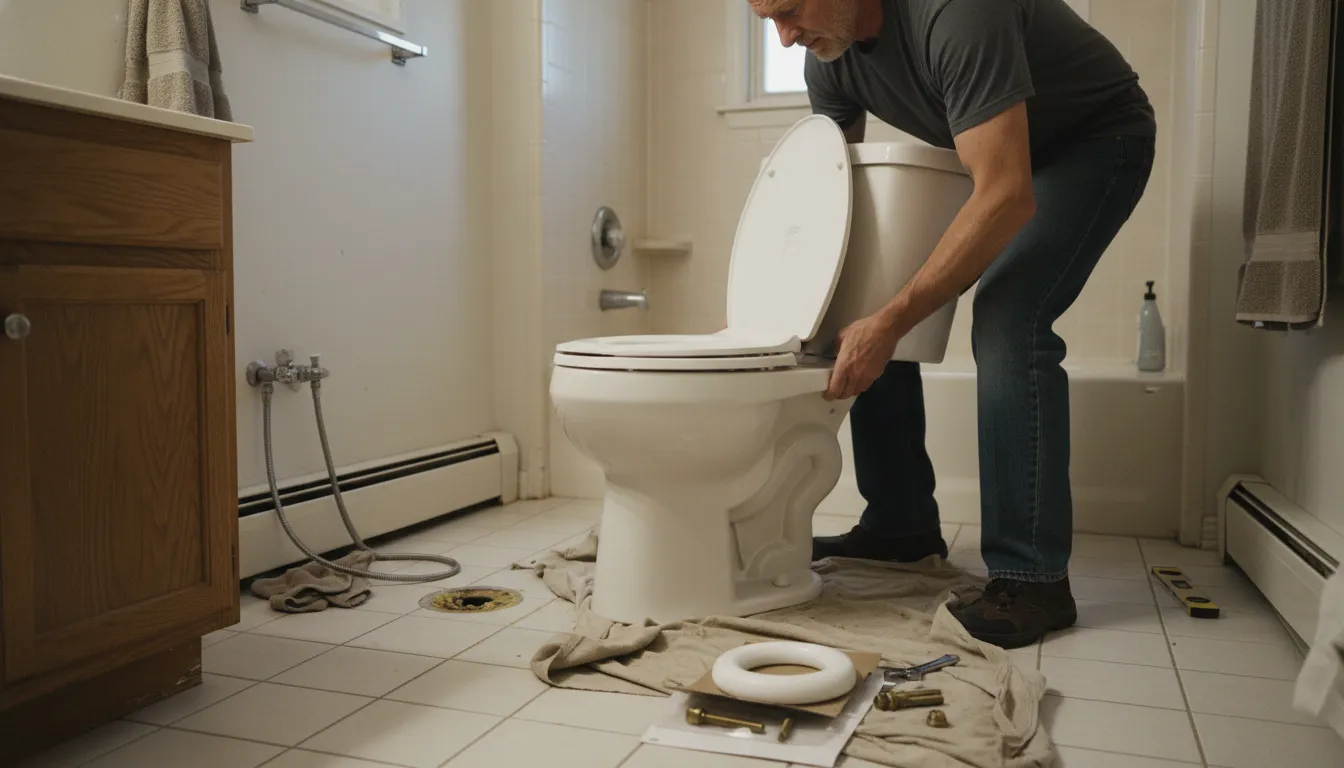
Find the Best Toilet Repair & Replacement Contractors for Your Business
No obligation • Fast responses • Nationwide coverage

Why you can trust Search a Plumber
Search a Plumber is a leading United States resource for finding and evaluating professional plumbing services. Our team researches licensing, experience, and customer feedback to create unbiased, fact-driven overviews. Companies cannot pay to change ratings or placement, ensuring homeowners get trustworthy information.
Search providers near you
Top Toilet Repair & Replacement Contractors in Boulder, Colorado Ranked
Dealing with a malfunctioning toilet is more than just an inconvenience; it can lead to water waste, property damage, and unsanitary conditions. Whether you're facing a persistent clog, a mysterious leak, or a wobbly fixture, understanding your options for toilet repair or a full replacement is key to restoring function and peace of mind to your Boulder home. This guide will help you identify common toilet problems, understand the repair and replacement process, and connect with skilled local professionals who can provide a lasting solution.
High 5 Plumbing, Heating, Cooling & Electric
15710 W Colfax Ave, Golden, CO 80401
High 5 Plumbing, Heating, Cooling & Electric is a full-service plumbing company serving Denver, CO. They provide a wide range of plumbing services including water heater installation and repair, drain cleaning, sewer line repair, leak detection, and gas line installation. The company uses advanced video technology for sewer camera inspections and offers trenchless sewer repair to minimize excavation. They also specialize in hydro jetting to clear blocked drains efficiently. High 5 Plumbing is licensed for gas plumbing and installs energy-efficient tankless water heaters. The company has received recognition such as the Angi Super Service Award and a BBB Torch Award for Ethics. They provide 24/7 emergency response for urgent plumbing needs.
TYCO Plumbing
Denver, CO
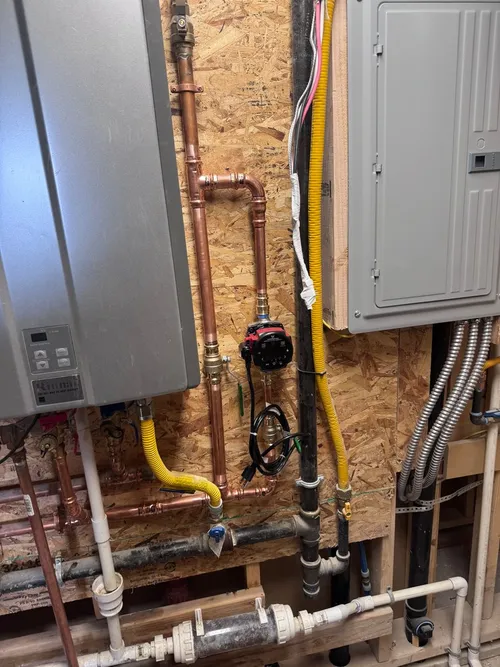
TYCO Plumbing is a family-owned plumbing company serving Denver, CO, and nearby areas. They offer a wide range of plumbing services including leak detection, toilet repair, and garbage disposal repair. The company emphasizes integrity and professionalism, with licensed plumbers experienced in handling various plumbing issues. TYCO Plumbing provides a 24/7 answering service for customer convenience. They also engage in community support through monthly charitable events.
Big Apple Plumbing LLC - Broomfield, CO
1022 Depot Hill Rd Unit 10, Broomfield, CO 80020
Big Apple Plumbing LLC - Broomfield, CO provides a wide range of plumbing services in Denver, CO, including drain cleaning, sewer line repair, water heater installation and repair (tank and tankless), leak detection, gas line installation, sump pump repair, and repiping. The company serves both residential and commercial clients, handling routine maintenance, emergency repairs, and new installations with licensed plumbers. They specialize in sewer line services and offer 24/7 emergency plumbing solutions to address urgent issues like burst pipes and leaks. Big Apple Plumbing is locally owned and operated, with a focus on safety and code compliance. Their team is experienced in gas line installations and water heater replacements, ensuring efficient and reliable service. The company is known for upfront pricing, timely arrivals, and clear communication, serving Broomfield and surrounding areas including Anthem, The Broadlands, and Interlocken/FlatIron Crossing.
AE Plumbing Services
5672 S Johnson St, Littleton, CO 80123
AE Plumbing Services is a full-service plumbing company serving the Denver, CO area, including Littleton. They provide a range of residential and commercial plumbing repairs such as main line water service repairs, cracked and broken pipe repairs, toilet repairs and installations, and faucet installations. The company emphasizes quality workmanship and clear communication, ensuring customers are informed throughout the process. Their licensed and insured technicians handle new construction projects, tenant improvements, and green plumbing solutions. AE Plumbing Services has built a reputation for professional craftsmanship and offers after-hours assistance when needed.
Midwest Plumbing Co. LLC
8360 Auburn Ln, Westminster, CO 80031
Midwest Plumbing Co. LLC is a plumbing service provider based in Denver, CO, offering a wide range of plumbing solutions. Their services include water heater repair and installation, sump pump repair, sewer line repair with trenchless technology, leak detection, repiping, gas line installation, toilet and garbage disposal repair, and more. The company uses advanced equipment and techniques to address both simple and complex plumbing issues, aiming to provide long-term solutions. They serve residential customers and emphasize careful, tailored service for each home. Midwest Plumbing Co. LLC offers 24/7 emergency plumbing services to assist customers whenever needed.
Common Toilet Problems in Boulder Homes
Toilets are robust fixtures, but they are not immune to issues, especially given Boulder's unique climate and household habits. Recognizing the symptoms early can prevent minor annoyances from becoming major plumbing disasters.
Persistent Clogs: The most frequent complaint is a clogged toilet. While often caused by an overabundance of toilet paper, Boulder plumbers frequently encounter clogs from non-flushable items like wipes, tissues, or even small toys. In the winter, external pipes can freeze, leading to blockages that prevent proper flushing and drainage.
Leaks and Running Water: A toilet that runs constantly is a silent water-waster. This is typically due to a faulty flapper valve that doesn't seal or a fill valve that doesn't shut off properly. More concerning are leaks at the base of the toilet, which often indicate a failed wax ring seal or a cracked toilet flange. This can lead to water damage on your bathroom floor and subfloor.
Wobbling or Movement: If your toilet rocks or feels unstable when you sit on it, this is a red flag. It's usually caused by a worn-out wax ring or a broken, corroded toilet flange that anchors the toilet to the drainpipe and floor. This seal failure can allow sewer gases and moisture to escape.
Sewer Line Concerns: When multiple drains in your home are slow (sinks, showers, and the toilet), the issue may extend beyond the toilet itself to a clog or break in the main sewer line 1. This requires immediate professional attention.
Diagnosing Your Toilet Trouble
Before calling a professional, a quick diagnosis can help you understand the potential scope of the problem. Here's a simple guide:
- For a clog: Try a plunger first. If that fails, a toilet auger (closet snake) can often reach deeper blockages without damaging the porcelain 2. If these don't work, the clog may be deeper in the drain line.
- For a running toilet: Remove the tank lid and listen. A hissing sound often points to a bad flapper. If water continuously flows into the overflow tube, the fill valve or float mechanism needs adjustment or replacement.
- For water at the base: Dry the area thoroughly and check for new moisture after a few flushes. Water seeping from the base almost always means the wax seal beneath the toilet has failed.
- For a wobbly toilet: Gently try to rock the bowl. Any movement indicates the securing bolts are loose or the flange/seal underneath is compromised, requiring re-securing or replacement.
Find the perfect toilet repair & replacement contractors for your needs
Get personalized recommendations and expert advice
Repair vs. Replacement: Making the Right Choice
Knowing whether to fix your existing fixture or invest in a new one depends on the problem's nature, frequency, and the age of your toilet.
When Repair is the Best Path:
- Infrequent, simple clogs that a plunger or auger can clear.
- Internal tank leaks involving replaceable parts like the flapper, fill valve, or flush valve seal.
- A leak at the base caused solely by a deteriorated wax ring or a loose flange 3.
- Minor cracks in the tank (which can sometimes be repaired with epoxy, though replacement is often safer).
When Replacement is Recommended:
- Frequent repairs on an older toilet, indicating it's nearing the end of its service life.
- A cracked porcelain bowl, which cannot be reliably repaired and poses a leakage and injury risk.
- Persistent clogging that snaking cannot resolve, suggesting design flaws or internal damage.
- Inefficiency. Older toilets can use 3.5 to 7 gallons per flush (GPF). Replacing them with a modern, WaterSense-labeled model using 1.28 GPF or less can save thousands of gallons of water annually.
- Aesthetics or comfort. An upgrade can improve your bathroom's look and ergonomics.
Understanding Toilet Service Costs in Boulder
The cost for toilet services depends on the job's complexity, parts required, and labor rates. Here's a general breakdown for the Boulder area:
- DIY Minor Repairs: Replacing a flapper or fill valve kit yourself typically costs between $20 and $50 for parts.
- Professional Toilet Repair: For a service call involving part replacement (like a flapper, fill valve, or handle), expect to pay between $150 and $400, which includes both parts and professional labor. Replacing a failed wax ring or repairing a toilet flange generally falls in the $100 to $200 range for parts plus labor 4.
- New Toilet Installation: The total cost for installing a new toilet typically ranges from $500 to over $1,000. This includes:
- Labor: Professional installation labor averages between $250 and $500.
The Professional Repair and Replacement Process
Hiring a licensed plumber ensures the job is done correctly, safely, and up to code. Here's what a standard service entails:
For a Repair:
- Inspection & Diagnosis: The technician will identify the exact cause of the leak, clog, or wobble.
- Parts Replacement: They will replace the faulty component, such as a flapper, fill valve, wax ring, or toilet flange. For flange repairs, this may involve accessing the subfloor.
- Testing & Clean-up: The toilet will be thoroughly tested through multiple flushes to ensure the issue is resolved, and the work area will be cleaned.
For a Full Replacement:
- Shut-off & Removal: The water supply is turned off, the tank is emptied, and the old toilet is disconnected and removed.
- Preparation: The old wax seal is scraped away, and the flange is inspected and repaired or replaced if necessary. The floor opening is cleaned.
- Installation: A new wax or rubber seal is placed on the flange. The new toilet is carefully set, leveled, and bolted down. A new supply line is connected.
- Testing & Caulking: The water is turned on, the tank is filled, and the toilet is flushed repeatedly to check for leaks. The base is often caulked (leaving a gap at the back to reveal any future base leaks).
Frequently asked questions
Sources
Footnotes
-
The Lowdown on Identifying and Fixing Common Plumbing Issues ... - https://allensonsplumbing.com/the-lowdown-on-identifying-and-fixing-common-plumbing-issues-in-colorado-homes/ ↩
-
Toilet Installation Boulder | Toilet Repair | Clogged & Unclog ... - https://www.planetplumbinganddrain.com/toilet-installation-repair-boulder ↩
-
Clogged Toilet Repair & Installation Services Boulder CO - https://canyonplumbers.com/services/clogged-toilet-repair/ ↩
-
2026 Cost To Replace a Toilet Flange | Angi - https://www.angi.com/articles/how-much-does-it-cost-replace-toilet-flange.htm ↩
-
Toilet Repair Cost (2026) | Average Prices and Common Repairs - https://modernize.com/plumbing/toilet-repair-cost ↩
-
How Much Does Toilet Installation Cost in 2025? - This Old House - https://www.thisoldhouse.com/bathrooms/new-toilet-cost ↩