Find the Best Toilet Repair & Replacement Contractors for Your Business
No obligation • Fast responses • Nationwide coverage

Why you can trust Search a Plumber
Search a Plumber is a leading United States resource for finding and evaluating professional plumbing services. Our team researches licensing, experience, and customer feedback to create unbiased, fact-driven overviews. Companies cannot pay to change ratings or placement, ensuring homeowners get trustworthy information.
Search providers near you
Top Toilet Repair & Replacement Contractors in Fountain Valley, California Ranked
A properly functioning toilet is essential for any home, but issues like constant running, clogs, or leaks can be a major inconvenience and lead to water waste and damage. Toilet repair and replacement services address these common problems, ensuring your bathroom fixtures work efficiently and hygienically. This guide is designed to help Fountain Valley residents understand local plumbing challenges, typical solutions, and how to connect with qualified professionals for your specific toilet needs.
All City Plumbing, Air & Electrical
5612 E La Palma Ave, Anaheim, CA 92807
All City Plumbing, Air & Electrical is a full-service plumbing, HVAC, and electrical provider located in Anaheim, CA. They offer a wide range of services including water heater repair and installation, drain cleaning, hydro jetting, sewer line repair, leak detection, repiping, and toilet repair. Their team is licensed, bonded, and insured, with technicians who are ACE Certified and available 24/7 for emergency plumbing and HVAC needs. With over 13 years of experience serving Anaheim and surrounding areas, they use advanced technology to ensure efficient and reliable service.
Dymek's Freedom Plumbing, Inc
2921 E Miraloma Ave #17, Anaheim, CA 92806
Dymek's Freedom Plumbing, Inc is a plumbing service provider based in Anaheim, CA, offering a wide range of residential and commercial plumbing solutions. Their services include sewer camera inspections, water heater installation and repair, drain cleaning, hydro jetting, trenchless sewer repair, leak detection, repiping, and garbage disposal repairs. They utilize advanced technology such as electronic slab leak detection and sewer video inspection to diagnose and address plumbing issues efficiently. With over 25 years of experience, the company emphasizes old-fashioned values combined with modern technology and is available 24/7 for emergency plumbing needs.
Drainflow Solutions & Plumbing
454 Shrode Ave, Duarte, CA 91010
Drainflow Solutions & Plumbing offers a wide range of plumbing services in Los Angeles, CA, including water heater repair, tankless water heater service, drain cleaning, sewer line repair, leak detection, toilet repair, and garbage disposal repair. The company serves residential and commercial clients throughout the San Gabriel Valley and surrounding areas. They provide specialized capabilities such as Navien-certified tankless water heater repairs and 24/7 emergency plumbing services. Drainflow Solutions & Plumbing has built a reputation for honest, transparent pricing and personalized plumbing solutions tailored to each customer's needs.
SoCal Plumbing & Rooter Inc.
420 W Lambert Rd suite f, Brea, CA 92821
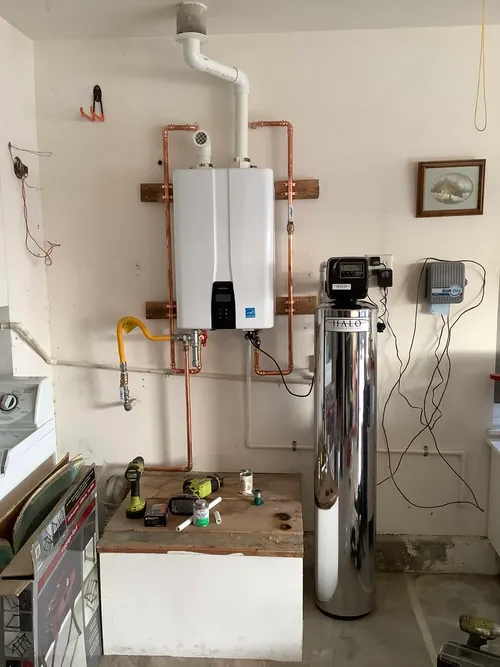
SoCal Plumbing & Rooter Inc. is a full-service plumbing company serving Anaheim, CA, and the surrounding Orange County area. They provide a wide range of plumbing services including sewer camera inspections, water heater repair and installation, drain cleaning, hydro jetting, leak detection, repiping, gas line installation, and sewer line repair with trenchless methods. The company offers 24/7 emergency plumbing services to address urgent issues such as burst pipes, overflowing toilets, and sewer backups. Their expertise includes advanced leak detection and hydro jetting to clear stubborn clogs and maintain plumbing system efficiency. SoCal Plumbing & Rooter Inc. is fully licensed and insured, committed to meeting industry standards and local codes.
Mullen Plumbing Inc.
1390 Newport Ave, Long Beach, CA 90804
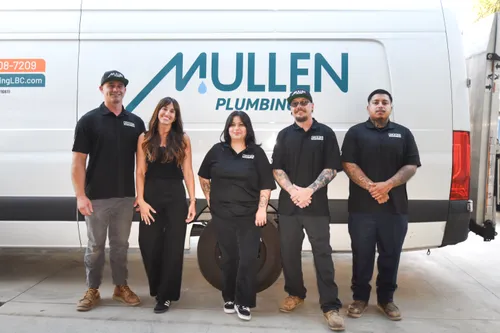
Mullen Plumbing Inc. provides plumbing services in Long Beach, CA, specializing in water heater repair and installation, drain cleaning, leak detection, and toilet repair. They focus on maintaining smooth plumbing systems by addressing issues such as slow or clogged drains and hidden leaks. Their advanced leak detection helps identify problems early to prevent further damage. Mullen Plumbing aims to make plumbing service straightforward and efficient for homeowners.
Understanding Common Toilet Problems in Fountain Valley
Toilet troubles in Fountain Valley often have distinct local causes. Being aware of these can help you identify issues early and communicate effectively with a plumbing professional.
Hard Water Buildup: The water in our area contains high levels of calcium and magnesium. Over time, these minerals form scale deposits inside toilet tanks, supply lines, and rim jets. This buildup can restrict water flow, cause components like the fill valve to stick, and lead to a constantly running toilet or weak, ineffective flushes.
Aging Home Infrastructure: Many Fountain Valley neighborhoods feature homes built several decades ago. Older plumbing systems may have galvanized steel pipes that are prone to internal corrosion and rust, which can flake off and cause clogs in the toilet trapway. Additionally, the seals and components in older toilets simply wear out with age.
Foundation and Soil Considerations: A significant number of homes in the region are built on concrete slab foundations. While sturdy, this means the main drain lines and sometimes toilet flanges are embedded within the concrete. Repairing a leak under the slab or addressing a broken flange can become a more complex and costly project due to the need for concrete cutting and repair. Soil movement can also stress pipes over time.
Typical Toilet Repairs and the Materials Involved
Most toilet malfunctions fall into a few common categories. Here's a breakdown of what's typically involved in fixing them.
Fixing a Running Toilet
A toilet that runs continuously is usually wasting water and increasing your utility bill. The repair typically focuses on the tank's internal mechanisms:
- Flapper Replacement: The rubber flapper that seals the flush valve opening can become warped or degraded. Replacing it is a common and relatively inexpensive fix.
- Fill Valve Adjustment or Replacement: Also known as the ballcock, the fill valve controls water entering the tank. Hard water scale can cause it to malfunction. It can often be cleaned or replaced.
- Float Mechanism Issues: An improperly adjusted float (either a classic ball float or a newer cup-style float) can cause the tank to overfill. This is usually a simple adjustment.
These repairs often involve common materials like rubber, plastic, and brass components.
Clearing Stubborn Clogs
While a plunger can handle minor blockages, deeper clogs in the toilet's internal trap or the drain line require professional tools.
- Drain Snaking/Augering: A plumber will use a specialized toilet auger-a flexible, coiled cable-to break up or retrieve obstructions deep in the drain without damaging the porcelain.
- Hydro-Jetting: For severe, recurring clogs caused by accumulated waste or scale, a high-pressure water jetting system can scour the pipes clean.
Sealing Base Leaks and Stabilizing a Wobbly Toilet
Water seeping from the base of the toilet or a toilet that rocks when you sit on it indicates a failed seal.
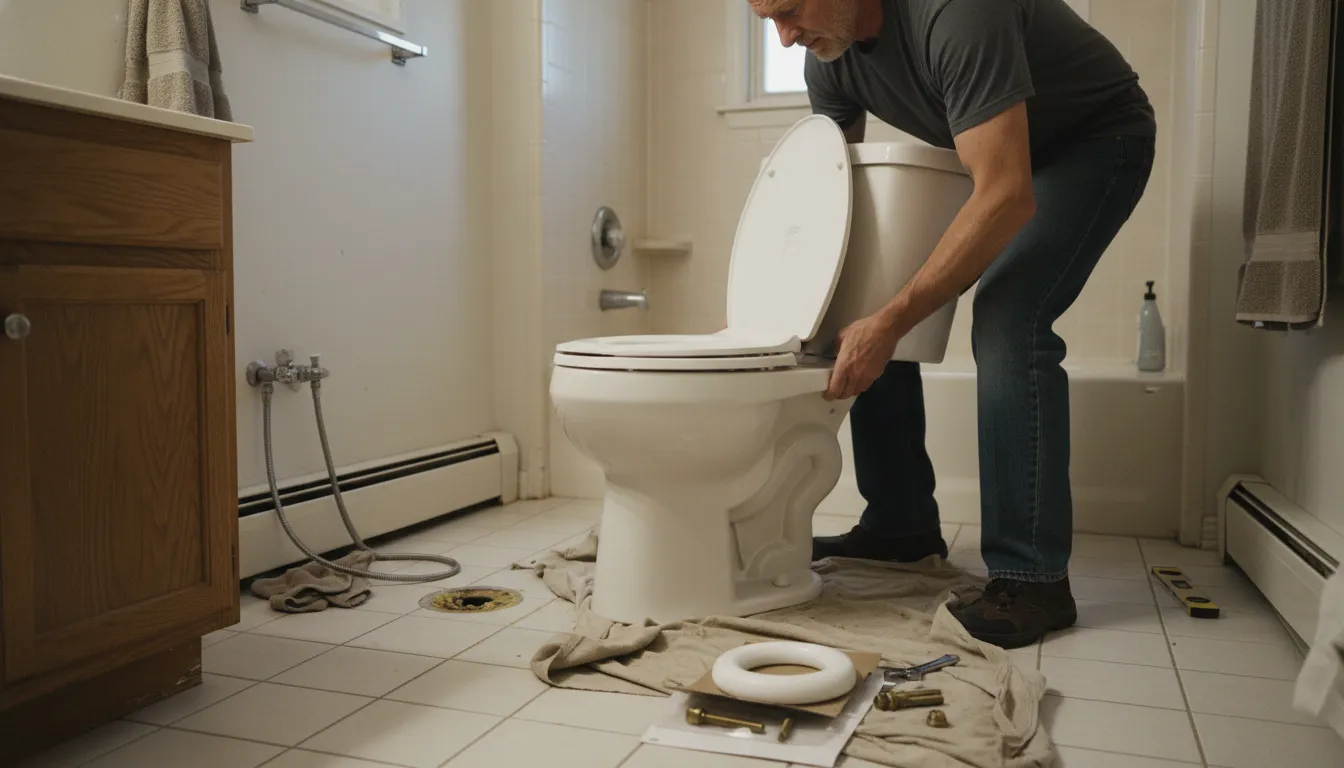
- Wax Ring Replacement: The wax ring creates a watertight seal between the toilet horn and the drain flange in the floor. Over time, it compresses or fails. Replacing it is standard for fixing base leaks.
- Flange Repair: The toilet flange is the fitting that secures the toilet to the floor and connects to the drain pipe. If it's cracked, corroded, or broken, the wax ring cannot seal properly. Repair may involve a repair ring or full flange replacement using PVC or ABS materials.
Addressing Supply Line Problems
The flexible or rigid pipe that brings fresh water to the toilet tank can develop leaks. Repair usually involves replacing the supply line with a new braided stainless steel hose, which is durable and resistant to bursting, or modern PEX tubing 1.
Find the perfect toilet repair & replacement contractors for your needs
Get personalized recommendations and expert advice
Repair vs. Replacement: Making the Right Choice
When faced with a faulty toilet, a key decision is whether to repair it or replace the entire unit. Several factors influence this choice.
When Repair is the Best Path: If your toilet is relatively new (less than 10-15 years old), matches your bathroom, and the issue is isolated-like a worn flapper, faulty fill valve, or a simple clog-repair is almost always the most cost-effective solution 2. These fixes restore functionality for a fraction of the cost of a new installation.
Signs It's Time for a Replacement:
- Persistent Problems: Frequent clogs or recurring leaks often signal deeper issues with the toilet's design or the drain line.
- Age and Inefficiency: Older toilets (manufactured before 1994) use 3.5 to 7 gallons per flush. Modern WaterSense®-certified models use 1.28 gallons or less, offering significant water savings.
- Cracks in Porcelain: Any crack in the bowl or tank can lead to sudden failure and flooding. Replacement is necessary.
- Major Component Failure: If a critical part like the flush valve or the entire tank is cracked, the cost of repair may approach the cost of a new toilet.
- Aesthetic or Comfort Upgrades: You may want a new toilet for comfort-height (ADA-compliant) seating, an elongated bowl, or a modern one-piece design.
Cost Considerations for Fountain Valley Homeowners
Understanding potential costs can help you budget for toilet services. Prices vary based on the job's complexity, the cost of parts, and local labor rates.
Typical Repair Costs:
- Minor Repairs (Fill Valve, Flapper): Professional repair for common internal parts typically ranges from $100 to $250.
- Unclogging a Toilet: Professional drain snaking usually costs between $60 and $250, depending on the severity and tools required.
- Wax Ring/Flange Repair: Resealing a toilet base or repairing the flange is a more involved job, often costing $150 to $400 3.
Toilet Replacement Costs: A full toilet replacement includes the price of the new fixture plus professional installation.
- New Toilet Unit: You can purchase a standard, efficient two-piece toilet for $200 to $500+ 4.
- Professional Installation: Labor for removing the old toilet, preparing the flange, setting the new wax ring, installing the new toilet, and connecting the supply line typically adds $150 to $300+ to the project 5.
- Total Project Cost: Therefore, a complete toilet replacement in Fountain Valley often falls in the range of $300 to $600 or more for a standard model 6 7.
Important Note: These are approximate ranges. Complex situations, like repairing a sub-slab leak or extensive flange damage on a concrete foundation, will increase the project cost significantly 8. Always get a detailed, written estimate from your plumbing professional.
Preventative Maintenance for Longevity
Proactive care can extend the life of your toilet and prevent emergencies.
- Address Hard Water: Consider installing a water softener for your home. This reduces scale buildup in all your appliances and plumbing fixtures, including toilets.
- Avoid Flushing Non-Flushables: Only human waste and toilet paper should go down. Even "flushable" wipes can cause major clogs.
- Check for Minor Leaks: Periodically add a few drops of food coloring to the tank. If color appears in the bowl without flushing after 15-20 minutes, you have a silent leak, likely from the flapper.
- Tighten Loose Connections: Gently check the bolts at the toilet base and the water supply connection. If they are loose, tightening them slightly can prevent future leaks (be careful not to overtighten and crack the porcelain).