Find the Best Sump Pump Installation & Repair Companies for Your Business
No obligation • Fast responses • Nationwide coverage

Why you can trust Search a Plumber
Search a Plumber is a leading United States resource for finding and evaluating professional plumbing services. Our team researches licensing, experience, and customer feedback to create unbiased, fact-driven overviews. Companies cannot pay to change ratings or placement, ensuring homeowners get trustworthy information.
Search providers near you
Top Sump Pump Installation & Repair Companies in Madison, Wisconsin Ranked
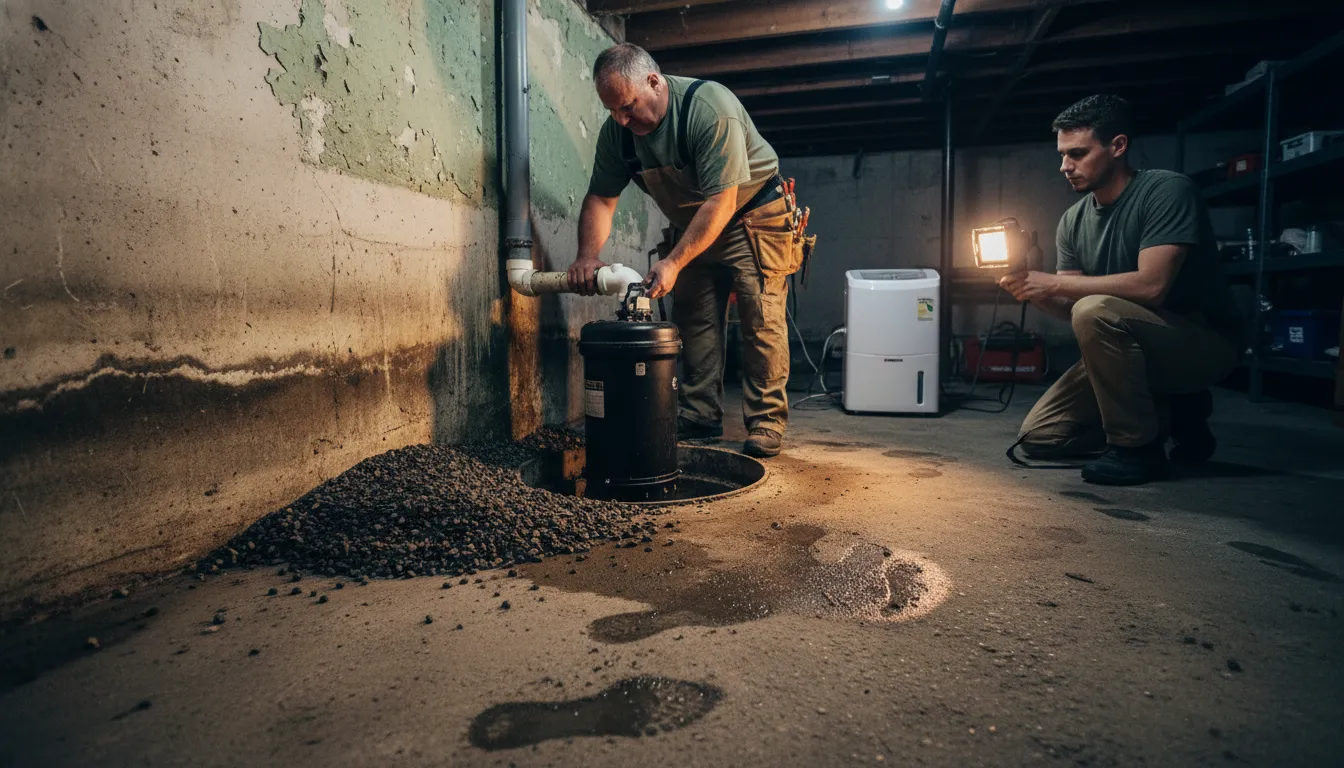
For homeowners in Madison, a reliable sump pump system isn't just an appliance-it's a critical line of defense for your basement and foundation. The city's unique combination of clay soil and a high water table makes properties particularly susceptible to groundwater intrusion and flooding. This guide is designed to help you understand your options for sump pump installation, repair, and maintenance, connecting you with the knowledge needed to protect your home from costly water damage. You can use the information here to evaluate your needs and find qualified local specialists to ensure your system is correctly sized, installed, and maintained.
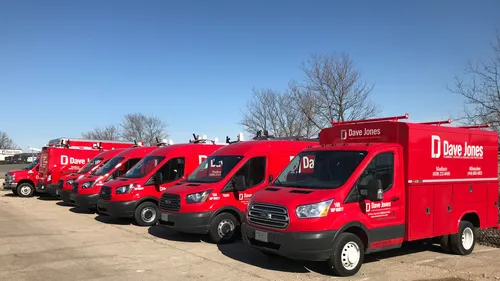
Dave Jones - Plumbing, HVAC, Fire Protection, Electrical
2225 Kilgust Rd, Monona, WI 53713
Dave Jones - Plumbing, HVAC, Fire Protection, Electrical offers a wide range of services in Madison, WI, including water heater repair and installation, water softener installation, sump pump repair, drain cleaning, sewer line repair, leak detection, gas line installation, toilet repair, and garbage disposal repair. The company has been serving the Madison and Dane County area since 1977, providing plumbing, HVAC, fire protection, and electrical services for both residential and commercial clients. Their team is equipped to handle various installations and repairs, with a focus on quality craftsmanship and customer satisfaction.
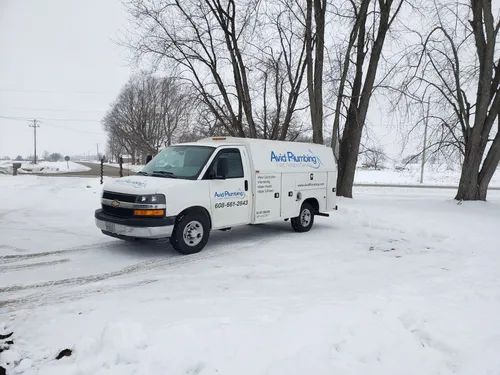
Avid Plumbing LLC
818 Post Rd, Madison, WI 53713
Avid Plumbing LLC is a family-owned plumbing company serving Madison, WI, and surrounding areas. They offer a wide range of residential plumbing services including water heater repair and installation, water softener installation, sump pump repair, drain cleaning, repiping, and gas line installation. Their team uses advanced tools and techniques to handle various plumbing needs such as fixture replacements, water treatment, and emergency repairs. Avid Plumbing provides same-day service and 24/7 emergency support, ensuring prompt assistance whenever needed.
Stagecoach Plumbing, Inc.
6852 Schneider Rd, Middleton, WI 53562
Stagecoach Plumbing, Inc. is a locally owned plumbing company serving Madison, WI, and nearby communities. They offer a range of plumbing services including water heater repair and installation, water softener installation, and sump pump repair. The company also provides remodeling services for kitchens and bathrooms, as well as plumbing for new construction and light commercial projects. Stagecoach Plumbing is accredited as a master plumber and brings decades of experience to each project. They are members of several builders associations, reflecting their commitment to industry standards. Emergency plumbing services are available to address urgent needs.
Plumbing Pros
3608 Marsh Rd, Madison, WI 53718
Plumbing Pros is a full-service plumbing contractor based in Madison, WI, serving homeowners and businesses with a wide range of plumbing solutions. They offer water heater installation and repair, water softener installation, sump pump services, gas line installation, and repairs for toilets, garbage disposals, faucets, and sinks. Their team is equipped to handle both simple repairs and complex under-slab plumbing issues with care and precision. Plumbing Pros focuses on providing consistent, energy-efficient hot water and protecting homes from hard water damage and flooding through quality installations and repairs.
Cooper Plumbing LLC
302 Investment Ct, Verona, WI 53593
Cooper Plumbing LLC is a licensed plumbing company serving Madison, WI, and surrounding communities. They offer a wide range of services including installation, repair, and replacement of traditional and tankless water heaters, water softener installation, sump pump services, and gas line installation. The company also specializes in remodeling plumbing projects, radiant floor heating, and heated driveway systems. Founded by Brandon Cooper, a third-generation plumber with deep local roots and experience dating back to his apprenticeship after high school, Cooper Plumbing LLC combines traditional skills with modern, eco-friendly technology. They provide a one-year labor warranty and emphasize building long-term client relationships.
Why Madison Homes Need Sump Pumps
The geology beneath Madison presents a constant challenge for homeowners. The prevalent clay soil is dense and has very poor drainage, meaning rainwater and melting snow cannot easily percolate down into the earth. Instead, it sits near the surface or travels laterally, seeking the path of least resistance-often toward your home's foundation. Compounding this issue is a naturally high water table in many areas, where the level of saturated ground is close to the surface. This one-two punch of impermeable soil and abundant groundwater creates significant hydrostatic pressure against basement walls and floors. Without a proper drainage and pumping system, this pressure will force water through cracks, joints, and porous concrete, leading to persistent dampness, mold growth, and potentially catastrophic flooding during heavy rains or rapid spring thaws.
Local Regulations and Considerations
Before planning any sump pump work, it's essential to understand Madison's specific rules. The City of Madison has clear preferences and requirements for how sump pump discharge is handled to manage community stormwater effectively.
- Discharge Location: The city strongly prefers that sump pump water be discharged into the storm sewer system. If that's not feasible, discharging to the street curb or gutter is the next best option 1. Discharging onto your own property is allowed but must be done in a way that does not create a nuisance or flow onto a neighbor's property. Critically, you must ensure discharge does not create ice hazards on sidewalks or streets in winter 1.
- Permits Are Required: A building permit from the City of Madison is required for the installation of a new sump pump system. If your discharge pipe needs to cross the public right-of-way (like a sidewalk or terrace) to reach the curb, an additional permit for that work will also be necessary.
- Call Before You Dig: This is non-negotiable. Before any excavation for a sump pit or discharge line, you must call Diggers Hotline at 800-242-8511 at least three business days in advance. This free service will have all public underground utilities marked on your property, preventing dangerous and costly strikes 2 3.
Types of Sump Pump Systems
Choosing the right pump is the first step toward a dry basement. The two primary types of sump pumps are pedestal and submersible, each with distinct advantages.
- Pedestal Sump Pumps: In this design, the motor is mounted on a long, vertical shaft (the pedestal) that sits above the sump basin. Only the impeller at the bottom of the shaft is in the water. These units are generally less expensive and their above-ground motor makes them easier to access for routine maintenance and inspection. The trade-off is that they tend to be louder during operation and are often better suited for smaller pits and lower water volumes.
- Submersible Sump Pumps: As the name implies, the entire pump and motor assembly is designed to operate submerged in the water within the sump basin. They are significantly quieter than pedestal models, as the water helps muffle the sound. Submersible pumps are also more powerful and efficient at moving large volumes of water, making them the preferred choice for homes with serious water intrusion issues or larger basements 4 5. They have a longer lifespan when properly installed but can be more costly to purchase and repair.
The Critical Role of Battery Backups
A primary pump is useless during a power outage, which often coincides with the severe storms that cause flooding. A battery backup sump pump system is not a luxury in Madison; it's an essential component of a complete water management plan. These systems use a separate pump powered by a deep-cycle battery (like those used in boats or RVs) that automatically takes over when the main power fails 6. Adding a quality battery backup typically costs an additional $150 to $500+ on top of the primary system installation, a small price for peace of mind during a spring thunderstorm or winter ice event.
Integrating Perimeter Drainage
For comprehensive protection, a sump pump is often just one part of a larger system. An interior perimeter drain (sometimes called a drain tile) is a pipe installed around the inside perimeter of your basement footing, buried in a bed of gravel 7. This channel collects water that seeps through the cove joint (where the wall meets the floor) or through cracks, efficiently funneling it toward the sump pit where the pump can eject it. A full basement waterproofing system combining interior drains with a robust sump pump and backup is the most effective way to ensure a dry, usable space 8.
Professional Installation Process
Proper installation is key to a sump pump's performance and longevity. Here's what a professional installation typically involves:
- Site Assessment & Pit Location: A technician will identify the lowest point in your basement, which is where the sump pit (or basin) should be placed to collect water most effectively.
- Excavation: The concrete floor is cut and a pit, usually 18-24 inches in diameter and 24-36 inches deep, is dug. The soil is removed, and a pre-formed plastic or concrete liner is placed in the hole.
- Pump Placement: The pump is set inside the basin, often on bricks or a special stand to keep it off the bottom and prevent silt and debris from clogging the intake.
- Discharge Plumbing: A rigid PVC discharge pipe is connected to the pump and routed to the approved exit point (e.g., through a basement wall). Check valves are installed to prevent ejected water from flowing back into the pit.
- Electrical & Testing: A dedicated GFCI outlet is installed for the pump. The entire system is then tested by pouring water into the pit to ensure the pump activates, moves water efficiently, and shuts off correctly.
A professional installation for a standard system in Madison typically ranges from $1,000 to $3,500, depending on the pump type, basin depth, and complexity of the discharge run 9. More complex systems with interior perimeter drains can range from $4,000 to $8,000 or more.
Find the perfect sump pump installation & repair companies for your needs
Get personalized recommendations and expert advice
Repair, Maintenance, and Replacement
Even the best sump pumps have a finite lifespan, typically 7 to 10 years with proper care. Regular maintenance can extend its life and prevent failures.
- Annual Maintenance: Before the wet spring season, homeowners should visually inspect the pump, clean the inlet screen, pour water into the pit to test the float switch and pump operation, and ensure the discharge line is clear and flowing away from the foundation. For battery backups, test the system by unplugging the primary pump and check the battery's charge level.
- Common Repair Issues: Frequent cycling, failure to turn on/off, strange noises, and visible rust are signs your pump needs attention. Common repairs include replacing faulty float switches, unclogging the impeller, or fixing electrical connections.
- Repair vs. Replacement: As a pump nears or exceeds its expected 10-year service life, replacement often becomes more cost-effective than repair. Newer models are more energy-efficient and reliable. Many local professionals offer free estimates to help you decide the best course of action 10 11.
Cost Factors and Considerations
Understanding what influences the cost of sump pump services in Madison helps in budgeting and planning.
- Pump Type & Capacity: A basic pedestal pump costs less than a high-capacity submersible model. The severity of your water issue will dictate the necessary horsepower and flow rate.
- Labor & Complexity: The cost of cutting concrete, digging the pit, and running long discharge lines (especially if they must go under a sidewalk) adds to labor time and material costs.
- Additional Components: As discussed, adding a battery backup system or integrating the pump with a new interior drainage system will increase the total project cost but provides vastly superior protection.
- DIY vs. Professional: While a DIY installation might seem to save money upfront (with parts costing $245 to $815), it requires significant skill in plumbing, electrical work, and concrete cutting 12 13. Mistakes can lead to improper drainage, code violations, or pump failure when you need it most. Professional installation includes expertise, proper permitting, and often a warranty on both parts and labor 14 15.
Investing in a quality sump pump system, installed by a knowledgeable professional, is one of the most important steps a Madison homeowner can take to protect their property value and avoid the stress and expense of basement flooding.
Frequently asked questions
Sources
Footnotes
-
Sump Pumps | Engineering | City of Madison, WI - https://www.cityofmadison.com/engineering/stormwater/education/sump-pumps ↩ ↩2
-
Prevent Basement Flooding - City of Madison - https://www.cityofmadison.com/flooding/resources/prevent-basement-flooding ↩
-
Sump Pump Installation, Repair & Maintenance in Madison, WI - https://southportheating.com/sump-pumps-madison-wi/ ↩
-
Choosing the Right Sump Pump System for Your Wisconsin Basement - https://americanwi.com/choosing-the-right-sump-pump-system-for-your-wisconsin-basement/ ↩
-
Sump Pump Installation in Wisconsin & Illinois - https://www.badgerbasementsystems.com/sump-pump-system/sump-pump-installation_free-estimates.ppc ↩
-
How Much Does Sump Pump Installation Cost? 5 Factors - https://freedomplumbingmidwest.com/sump-pump-installation-cost/ ↩
-
Interior Drain Tile System | Milwaukee Basement Waterproofing | Foundation Repair Contractors Kenosha | MudTech Midwest Concrete Repair - Mud Jacking - https://www.mudtechworks.com/milwaukeeMudjackerVideos/InteriorDrain ↩
-
Sump Pump Installation in Wisconsin & Illinois - https://www.badgerbasementsystems.com/basement-waterproofing/products/sump-pumps.html ↩
-
How Much Does a Sump Pump Installation Cost? - HJ Pertzborn - https://hjpertzborn.com/2023/03/29/how-much-does-sump-pump-installation-cost/ ↩
-
Sump Pump Installation & Repair in Madison, WI | Call Today - https://www.allcomfortservices.com/plumbing/sump-pumps/ ↩
-
Expert Sump Pump Services in Madison, WI - Avid Plumbing - https://avidplumbing.com/plumbing/sump-pump ↩
-
Basement Sump Pumps: Types, Costs, and Maintenance - https://www.arkbasementservices.com/basement-sump-pumps-types-costs-and-maintenance/ ↩
-
Basement sump pump installation: 7 Powerful Steps for Success 2025 - https://basementwaterproofingscientists.com/basement-sump-pump-installation/ ↩
-
Sump Pump Installation Madison, Wi | DS3 Solutions - https://www.ds3solutionsllc.com/sump-pump-installation ↩
-
Sump Pumps - Zander Solutions - https://www.zandersolutions.com/sump-pumps/ ↩