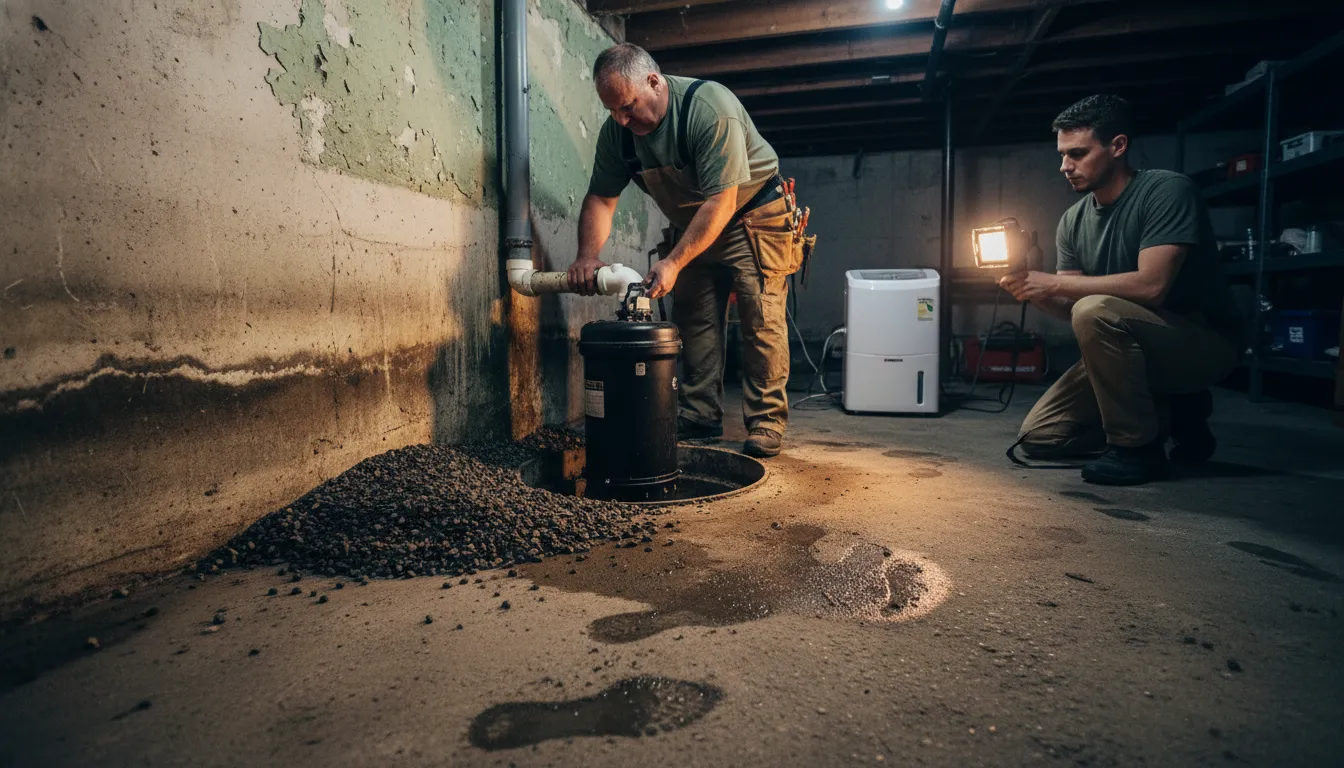
Find the Best Sump Pump Installation & Repair Companies for Your Business
No obligation • Fast responses • Nationwide coverage

Why you can trust Search a Plumber
Search a Plumber is a leading United States resource for finding and evaluating professional plumbing services. Our team researches licensing, experience, and customer feedback to create unbiased, fact-driven overviews. Companies cannot pay to change ratings or placement, ensuring homeowners get trustworthy information.
Search providers near you
Top Sump Pump Installation & Repair Companies in Pittsburgh, Pennsylvania Ranked
A reliable sump pump system is a critical line of defense for Pittsburgh homeowners against basement flooding and water damage. The city's unique topography and weather patterns make effective water management essential for protecting your home's foundation and interior. This guide provides detailed information on sump pump services, from selecting the right equipment to understanding installation and repair, helping you connect with qualified local professionals for your specific needs.

Revelation Plumbing
120 Seville Ave, Pittsburgh, PA 15214
Revelation Plumbing is a family-owned and licensed plumbing company serving Pittsburgh, PA, and surrounding counties including Allegheny, Beaver, and Washington. They provide a wide range of residential plumbing services such as sewer line repair, drain cleaning, water heater installation and repair-including tankless systems-leak detection, sump pump repair, and gas line installation. The company is known for its expertise in trenchless sewer repair and uses advanced technologies like sewer camera inspections and smoke testing to diagnose and resolve plumbing issues efficiently. Revelation Plumbing offers same-day emergency plumbing services, ensuring prompt assistance for urgent problems like leaks, clogs, and gas line repairs.

Roto-Rooter Plumbing & Water Cleanup
3731 William Penn Hwy, Murrysville, PA 15668
Roto-Rooter Plumbing & Water Cleanup is a full-service plumbing company serving Pittsburgh, PA, and the surrounding metro area. They offer a wide range of services including sewer line camera inspections, drain cleaning, water heater repair and installation, sump pump repair, leak detection, and trenchless sewer repair. Established in 1935, the company brings over 90 years of experience to residential and commercial plumbing needs. They provide 24/7 emergency service with no extra charges for nights, weekends, or holidays.
412 Plumbing
7031 Highland Creek Dr, Bridgeville, PA 15017
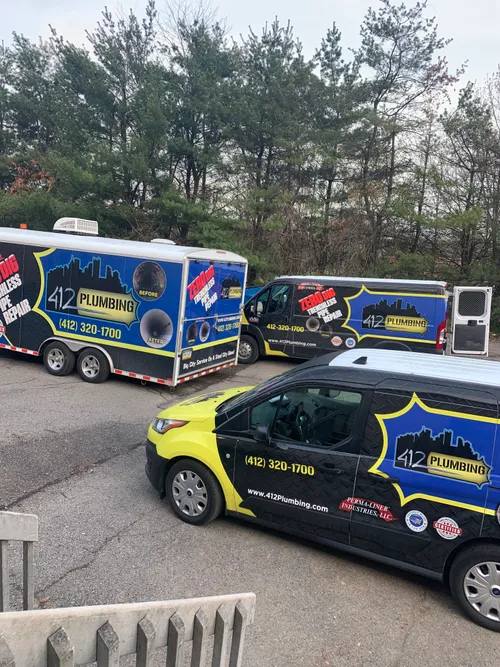
412 Plumbing is a family-owned plumbing company serving Pittsburgh, PA, and the South Hills area. They offer a wide range of residential and commercial plumbing services including sewer camera inspections, water heater installation and repair, sump pump repair, drain cleaning, hydro jetting, sewer line repair, leak detection, repiping, and gas line installation. Their certified plumbers use video camera sewer line inspection and high-pressure water jetting to address plumbing issues efficiently. The company emphasizes customer satisfaction and provides both routine maintenance and emergency services.
Pittsburgh French Drains and Excavating
3215 Shadyway Dr, Pittsburgh, PA 15227
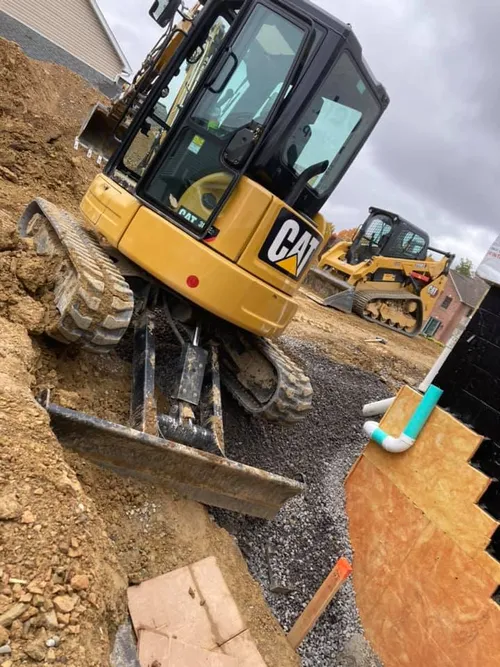
Pittsburgh French Drains and Excavating is a plumbing and excavation company based in Pittsburgh, PA. They specialize in sewer camera inspections, sump pump repairs, and sewer line repairs. Their services include installing French drains and trench drains to manage water drainage effectively. The team is experienced in handling complex drainage issues, including sump pump installations with battery backups and repairing damaged window wells. Customers have noted their thorough communication and detailed work process, including providing photographic evidence during sewer line repairs. The company is known for its careful execution of drainage systems that help resolve yard flooding and foundation water issues. They have a history of completing projects efficiently and addressing additional concerns beyond the initial scope. While no specific years in business or special availability are stated, their work in Pittsburgh reflects a strong local presence and expertise in drainage and sewer solutions.
Zoom Drain
119 Ormsby Ave, Pittsburgh, PA 15210
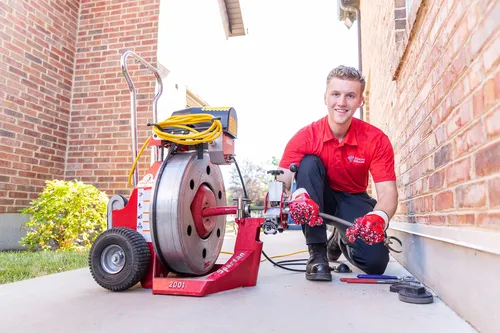
Zoom Drain is a Pittsburgh, PA-based company specializing exclusively in drain and sewer services for both residential and commercial customers. They offer a range of services including drain inspection, cleaning, repairs, pump replacement, grease trap maintenance, and sewer line repair. Zoom Drain uses advanced tools such as sewer camera inspections and hydro jetting to diagnose and resolve issues efficiently. The company is locally owned and operated, providing 24/7 emergency services to address urgent plumbing problems at any time.
Why Pittsburgh Homes Need Sump Pumps
Pittsburgh's landscape and climate create a perfect storm for basement water issues. The city's hilly terrain and dense clay soils significantly slow natural water drainage, causing rainwater and groundwater to pool around foundations 1 2. Combined with the region's high annual rainfall-particularly during heavy spring and fall storms-this creates a persistent risk of hydrostatic pressure and water intrusion. Older homes, which make up a significant portion of Pittsburgh's housing stock, often have masonry foundations with unique vulnerabilities that can accelerate water entry 2. A properly installed and maintained sump pump system actively collects and discharges this water, safeguarding your basement from costly flooding and mold growth.
Types of Sump Pumps and System Components
Choosing the right equipment is the first step toward a dry basement. There are two primary pump types, each suited for different situations:
- Pedestal Pumps: In this design, the motor is mounted above the sump pit. They are generally less expensive and easier to service, making them a good option for shallower water concerns or pits with limited depth.
- Submersible Pumps: The entire pump and motor unit operates underwater inside the pit. These are more powerful, quieter, and better at handling small debris, making them the preferred choice for Pittsburgh homes with higher water tables or significant water volume.
A complete basement waterproofing system involves more than just the pump. Key components include:
- Drain Tile (French Drain): A perforated pipe system that collects water from around your foundation's footing and channels it to the sump pit. This can be installed inside or outside the foundation walls and is often combined with a pump for a comprehensive solution.
- Battery Backup System: Perhaps the most critical add-on. Power outages frequently occur during the severe storms that cause the most flooding. A battery backup ensures your pump continues operating when you need it most and is highly recommended by local experts.
- Check Valve: This one-way valve is installed on the discharge pipe to prevent pumped water from flowing back into the pit once the pump cycles off, protecting the pump from burnout due to rapid, unnecessary cycling.
The Installation Process and Common Pitfalls
Professional sump pump installation is a multi-step process that ensures long-term reliability. It typically involves excavating the sump pit to the correct depth and width, connecting the pump to necessary plumbing and electrical systems, and properly routing the discharge line away from the home's foundation. If drain tile is part of the system, this requires additional trenching around the perimeter of the basement or exterior footing.
Homeowners should be aware of common installation mistakes that can lead to system failure:
- Undersized Pump or Pit: A pump that lacks the power (measured in horsepower) or a pit that is too small for your home's water volume will run constantly, leading to premature burnout.
- Lack of a Backup: Relying solely on AC power leaves your basement vulnerable during storms 3.
- Improper Discharge: The discharge line must extend far enough from the foundation so that expelled water does not simply seep back into the soil around your home 4.
- Shallow Pit: A pit that is not deep enough can cause the pump to cycle on and off too frequently, a condition known as "short cycling," which dramatically shortens its lifespan 5.
Find the perfect sump pump installation & repair companies for your needs
Get personalized recommendations and expert advice
Understanding Costs for Repair and Installation
Investing in a sump pump system involves various cost factors, from the unit itself to complex labor. While prices can vary based on your home's specifics and the contractor, here is a general breakdown of what Pittsburgh homeowners might expect:
- Pump Unit Only: A submersible pump typically costs between $100 and $400 for the unit itself.
- Basic Installation: Installing a new submersible pump and sump pit generally ranges from $800 to $2,000 for labor and materials.
- Excavation for a New Pit: If significant digging is required to create a new pit, costs can increase by $1,500 to $3,500 or more 6.
- Battery Backup: Adding a backup system usually costs between $300 and $1,000 7.
- Complete System with Drain Tile: For a comprehensive interior or exterior drainage system tied to a sump pump, investment ranges from $4,000 to $15,000+, depending on the basement's size and complexity 8.
- Repair or Replacement: Fixing an existing pump or swapping it for a new one typically falls in the range of $400 to $1,200, including the unit and labor 9.
Maintaining Your Sump Pump System
Regular maintenance is crucial to ensure your system is ready when heavy rains hit. Homeowners should perform a simple test every few months by pouring a bucket of water into the sump pit to trigger the pump and verify it activates and drains properly. Before the rainy season, inspect the discharge line outdoors to ensure it is clear of debris, ice, or obstructions and that it directs water well away from the foundation. It's also wise to listen for unusual noises and consider having a professional plumber or waterproofing specialist conduct an annual inspection to check the check valve, backup battery charge, and overall system integrity.
Finding Local Expertise for Your Project
Given the critical role of proper installation and the specific challenges posed by Pittsburgh's soil and weather, working with a local specialist is essential. These professionals can provide a site-specific assessment of your basement, identify the source of water intrusion, and recommend a tailored solution-whether it's a simple pump replacement or a full interior drainage system 10 11. They understand local building codes and best practices for discharge routing in your neighborhood. The most effective path forward is to contact established Pittsburgh plumbing and basement waterproofing companies for detailed consultations and quotes.
Frequently asked questions
Sources
Footnotes
-
Sump Pump Installation: A Homeowner's Guide to Keeping ... - https://basementwaterproofingspecialists.com/sump-pump-installation-home-owners-guide/ ↩
-
Sump Pump Installation & Maintenance For Pittsburgh Homes - https://www.superterry.com/pittsburgh-sump-pump-installation-and-maintenance/ ↩ ↩2
-
The Real Deal: How Much Does Sump Pump Labor Really Cost? - https://oriolebw.com/what-is-the-labor-cost-to-install-a-sump-pump/ ↩
-
Pittsburgh Basement Waterproofing: A Complete Guide (2025) - https://www.tarasa.com/blog/pittsburgh-basement-waterproofing-guide/ ↩
-
Sump Pump Installation in Pennsylvania - https://www.waterproofingpenn.com/basement-waterproofing/sump-pump/sump-pump-install.html ↩
-
The Cost to Install a Sump Pump - The Basic Basement Co. - https://donefor9999.com/the-cost-to-install-a-sump-pump/ ↩
-
Sump Pump Installation Cost Breakdown - Swift Plumbing & Heating - https://www.swiftplumb.com/blog/plumbing-service/the-cost-of-installing-a-sump-pump-what-to-expect/ ↩
-
2025 Drain Tile Costs: What to Expect for Interior, Exterior, and Sump ... - https://basementwaterproofingscientists.com/drain-tile-installation-cost-guide/ ↩
-
How Much Does Sump Pump Repair and Replacement Cost? - https://www.mrrooter.com/tampa/about-us/blog/how-much-does-sump-pump-repair-and-replacement-cost/ ↩
-
Pittsburgh Sump Pump Installation & Repair Services - Jeffco - https://jeffcoservices.com/sump-pumps/ ↩
-
Sump Pump Installation in Pennsylvania - https://awaterproofingsolution.com/services/sump-pump-installation/sump-pump-installation-pennsylvania/ ↩