Find the Best Sump Pump Installation & Repair Companies for Your Business
No obligation • Fast responses • Nationwide coverage

Why you can trust Search a Plumber
Search a Plumber is a leading United States resource for finding and evaluating professional plumbing services. Our team researches licensing, experience, and customer feedback to create unbiased, fact-driven overviews. Companies cannot pay to change ratings or placement, ensuring homeowners get trustworthy information.
Search providers near you
Top Sump Pump Installation & Repair Companies in Tigard, Oregon Ranked
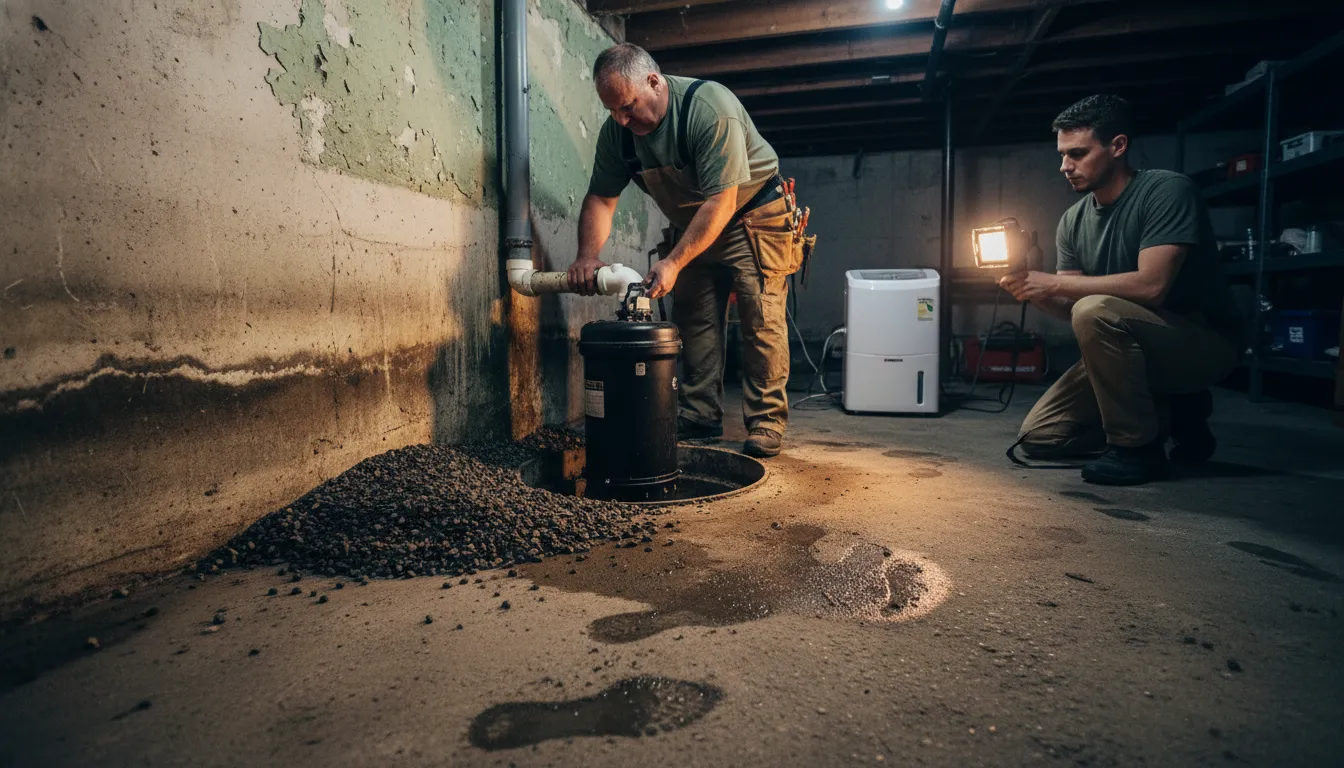
Living in the Pacific Northwest means enjoying lush greenery, but it also means contending with significant rainfall and a high water table. For homeowners in Tigard, this combination makes a reliable sump pump system a critical line of defense for a dry, healthy basement. A sump pump actively removes groundwater that accumulates around your foundation, preventing costly water damage, mold growth, and structural issues. This guide will help you understand the essentials of sump pump services, from recognizing the need for one to choosing the right system and maintaining it, so you can find the right local expertise to protect your home.
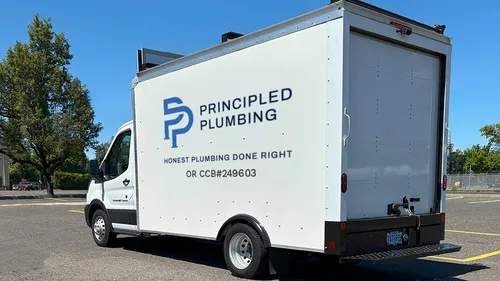
Principled Plumbing LLC
18801 Lodgepole Way, Oregon City, OR 97045
Principled Plumbing LLC is a plumbing company serving Portland, OR, and surrounding counties including Clackamas, Multnomah, Washington, and Marion. They offer a wide range of plumbing services such as water heater installation and repair, leak detection, drain cleaning, repiping, sewer line repair, and sump pump services. The company is known for clean, code-compliant work and specializes in both residential and commercial plumbing projects. Founded by a second-generation plumber with over ten years of experience, Principled Plumbing emphasizes honest, long-lasting solutions without upselling. They also provide emergency plumbing services after hours, weekends, and holidays.
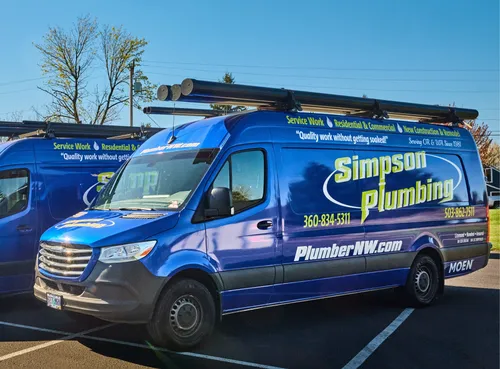
Simpson Plumbing LLC
3190 NE 3rd Ave, Camas, WA 98607
Simpson Plumbing LLC is a residential plumbing company serving Portland, OR, with over 40 years of experience. They offer a wide range of services including water heater installation and repair, drain cleaning, sewer camera inspections, hydro jetting, leak detection, repiping, and garbage disposal repairs. Their capabilities include advanced sewer scope inspections and high-pressure hydro jetting to clear blockages and maintain plumbing systems. Since 1981, Simpson Plumbing has focused on providing reliable plumbing solutions and building long-term customer relationships.
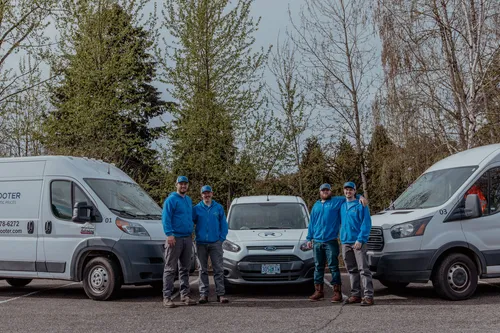
Realistic Rooter & Plumbing LLC
18809 SE McLoughlin Blvd, Portland, OR 97267
Realistic Rooter & Plumbing LLC is a family-owned plumbing company serving Portland, OR, and surrounding areas including Oregon City and Gladstone. They offer a wide range of plumbing services such as drain cleaning, sewer line repair, water heater installation and repair, leak detection, and gas line installation. The company uses advanced technology like sewer camera inspections and trenchless sewer repair to diagnose and fix issues efficiently while minimizing property disruption. Founded by Anthony Burgess, the business emphasizes integrity, long-term solutions, and mindful service that protects customers' homes and businesses throughout every project.

Da Vinci's Best Plumbing
309 SE 172nd Ave, Portland, OR 97233
Da Vinci's Best Plumbing is a plumbing service provider based in Portland, OR, offering a wide range of services including water heater repair and installation, tankless water heater maintenance, sump pump repair, drain cleaning, sewer line repair, leak detection, repiping, toilet repair, and garbage disposal repair. They serve Portland and surrounding areas such as Gresham and Clackamas. The company is equipped to handle emergency plumbing situations with 24/7 availability, ensuring prompt response to urgent issues. Their capabilities include comprehensive water heater services, from installation to maintenance and repair, including tankless systems. Da Vinci's Best Plumbing is known for its local expertise and commitment to addressing plumbing needs with thorough inspections and effective solutions.
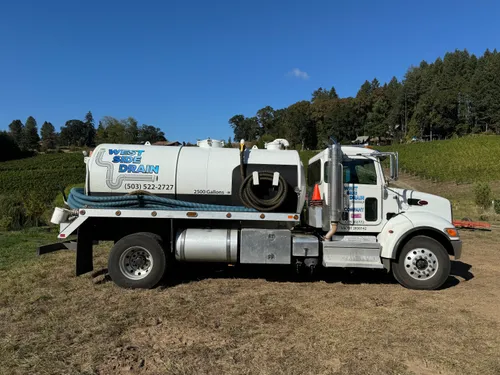
West Side Drain and Septic
5976 SE Alexander St Ste C, Hillsboro, OR 97123
West Side Drain and Septic is a plumbing service provider based in Portland, OR, offering a range of solutions including sewer camera inspections, sump pump repairs, drain cleaning, and toilet repairs. They serve the Portland Metro Area, including nearby cities such as Beaverton, Hillsboro, and Lake Oswego. The company is equipped with fully stocked service vehicles and uses advanced tools to diagnose and resolve plumbing issues efficiently. With over 16 years of experience, West Side Drain and Septic provides 24-hour drain cleaning and septic services, ensuring availability for urgent plumbing needs.
Why Tigard Homes Need Sump Pumps
The primary driver for sump pump installation in our area is the climate. The Pacific Northwest's heavy, persistent rain can quickly saturate the soil. When combined with a naturally high water table-the level at which the ground is fully saturated with water-this creates immense hydrostatic pressure against your home's foundation 1. Water will always seek the path of least resistance, which often leads into basement cracks or through the cove joint where the floor meets the wall.
Beyond general rainfall, local factors increase risk. Homes built in areas with clay-heavy soil, which drains poorly, or properties with compromised or aging foundation drainage systems (like footing drains) are particularly vulnerable. Even a properly graded yard can be overwhelmed during a severe storm. A sump pump system acts as an active solution, collecting this intrusive water in a pit and ejecting it safely away from your home.
Understanding Sump Pump Systems: Types and Components
Not all sump pumps are the same. Understanding the basic types and what makes up a complete system is key to making an informed decision.
Primary Pump Types:
- Submersible Pumps: These units are designed to operate underwater, installed directly inside the sump pit. They are generally quieter, more discreet, and often considered more durable for continuous use, making them a common choice for new installations.
- Pedestal Pumps: In this design, the pump motor is mounted on a long pedestal above the sump pit, with only the intake pipe extending into the water. They are typically easier and less expensive to service, but can be noisier and are more visually obtrusive 2.
The Crucial Component: Battery Backup A backup sump pump is not a luxury in Tigard; it's a necessity. The storms that bring the most water also frequently cause power outages. A battery-powered backup pump (or a water-powered one) automatically takes over if the primary pump fails or loses power, providing critical protection when you need it most. Experts strongly recommend integrating a backup into any new installation.
A Full System Includes: A professional installation involves more than just dropping a pump into a hole. A complete system consists of:
- Sump Pit (Basin): A specially dug liner in the lowest part of the basement where water collects.
- Pump Unit: The primary pump (and backup) that activates via a float switch when water reaches a certain level.
- Discharge Piping: PVC pipe that carries the ejected water from the pump to a proper drainage area, such as a storm drain or daylight, well away from the foundation.
- Check Valve: A one-way valve installed on the discharge pipe that prevents ejected water from flowing back into the pit.
- Electrical Connections: A dedicated, GFCI-protected outlet is required for safe operation.
Professional Installation and Repair Services
Given the technical and code-related complexities, sump pump work is a job for licensed professionals. A proper installation ensures reliability and compliance with local building codes.
The Installation Process: A professional installation begins with an assessment to determine the optimal pit location, often at the basement's lowest point or where water naturally pools. The technician will excavate for the pit liner, set the pump, connect all discharge plumbing with a sealed check valve, and ensure proper electrical hookup. They will also verify the discharge line terminates correctly to avoid recirculation. For homes with existing perimeter drains, the sump pit can be tied into this system for maximum effectiveness 3.
Common Repairs: Even well-maintained pumps can encounter issues. Common repair calls include:
- A clogged intake screen or discharge line.
- A stuck or faulty float switch that fails to activate the pump.
- A continuously running pump, which may indicate a problem with the switch or a misadjusted water level.
- A pump that runs but doesn't eject water, suggesting a clog or a failing impeller.
- Strange noises, which can point to a worn motor or debris in the system 4.
Many of these issues are repairable, but for an old, inefficient, or repeatedly failing unit, a full replacement is often the most cost-effective and reliable long-term solution.
Find the perfect sump pump installation & repair companies for your needs
Get personalized recommendations and expert advice
The Importance of Regular Maintenance
A sump pump is an appliance you hope you never need, but you must be confident it will work when called upon. Simple, annual maintenance can prevent most failures.
A Basic Maintenance Checklist:
- Test the Pump: Pour a bucket of water into the sump pit until the float rises and triggers the pump. Ensure it turns on, pumps out the water, and turns off automatically 5.
- Inspect the Pit: Remove any debris, silt, or gravel that may have washed in, as these can clog the pump or impede the float.
- Check the Discharge Line: Ensure the outdoor exit point is clear of leaves, dirt, or ice, and that water flows freely away from the house.
- Test the Backup: If you have a battery backup, follow the manufacturer's instructions to test its operation. Check the battery fluid levels and terminals for corrosion, and replace batteries every 2-3 years as recommended 6.
- Listen and Look: During the test, listen for unusual noises and look for any vibrations or leaks at the pipe connections.
Performing this check in early spring before the rainy season is a wise habit for every Tigard homeowner.
Understanding Sump Pump Service Costs
Investing in a sump pump system is an investment in protecting your home's value and integrity. Costs can vary based on the system's complexity and your home's specific needs.
Installation Costs: For a standard, professional installation of a primary submersible pump with a new pit, plumbing, and electrical work, Tigard homeowners can expect a range of roughly $800 to $2,500+ 7 8 9. Adding a quality battery backup system typically adds $150 to $500+ to the total project cost 9 10. More complex situations-such as installing a dual-pump system, connecting to existing drainage, or dealing with difficult excavation-can raise the total to between $4,000 and $8,000 11 10.
Repair and Replacement Costs: Repairs are generally less expensive, ranging from a few hundred dollars for minor fixes like replacing a switch or clearing a clog to over a thousand dollars for a major component replacement or overhaul. The cost to replace an existing pump (without modifying the pit or plumbing) often falls between the cost of a repair and a full new installation.
The most accurate way to understand the cost for your home is to obtain a detailed, free estimate from a licensed local plumbing professional who can assess your basement's specific conditions 12 13.
Frequently asked questions
Sources
Footnotes
-
Sump Pump Installation - Simply Shocking Electric - https://simplyshockingelectric.com/electrician-services/sump-pump-installation/ ↩
-
Sump Pump Services in Washington & Oregon | Henco - https://www.hencoplumbing.com/services/sump-pump/ ↩
-
Basement Waterproofing in Tigard, OR - https://www.basementsystems.com/basement-waterproofing/oregon-or/tigard-waterproofers.html ↩
-
Sump Pump Installation Cost Breakdown - https://www.swiftplumb.com/blog/plumbing-service/the-cost-of-installing-a-sump-pump-what-to-expect/ ↩
-
Sump Pump Installation - Delta Plumbers - https://deltaplumbersinc.com/sump-pump-installation/ ↩
-
Sump Pump Installation & Replacement in Lake Oswego, OR - https://alchemy-plumbing.com/sump-pump-installation-replacement-lake-oswego-or/ ↩
-
Residential Sump Pump Services Portland, OR | D&F Plumbing - https://dandfplumbing.com/sump-pump-repair-portland-or/ ↩
-
Basement Sump Pumps: Types, Costs, and Maintenance - https://www.arkbasementservices.com/basement-sump-pumps-types-costs-and-maintenance/ ↩
-
How Much Does Sump Pump Installation Cost? 5 Factors - https://freedomplumbingmidwest.com/sump-pump-installation-cost/ ↩ ↩2
-
Sump Pump Installation Cost Guide | 2026 Prices & Factors - https://modernize.com/foundations/basement-waterproofing/sump-pump-installation-cost ↩ ↩2
-
Basement sump pump installation: 7 Powerful Steps for Success 2025 - https://basementwaterproofingscientists.com/basement-sump-pump-installation/ ↩
-
Sump Pump Installation & Repair In Portland, OR | Wolfer's - https://wolfersheating.com/plumbing/sump-pumps/ ↩
-
Fast Sump Pump Installation & Repair - FloTek Plumbing - https://flotekplumbing.com/services/sump-pump-install-repair/ ↩