Find the Best Sump Pump Installation & Repair Companies for Your Business
No obligation • Fast responses • Nationwide coverage

Why you can trust Search a Plumber
Search a Plumber is a leading United States resource for finding and evaluating professional plumbing services. Our team researches licensing, experience, and customer feedback to create unbiased, fact-driven overviews. Companies cannot pay to change ratings or placement, ensuring homeowners get trustworthy information.
Search providers near you
Top Sump Pump Installation & Repair Companies in Portland, Oregon Ranked
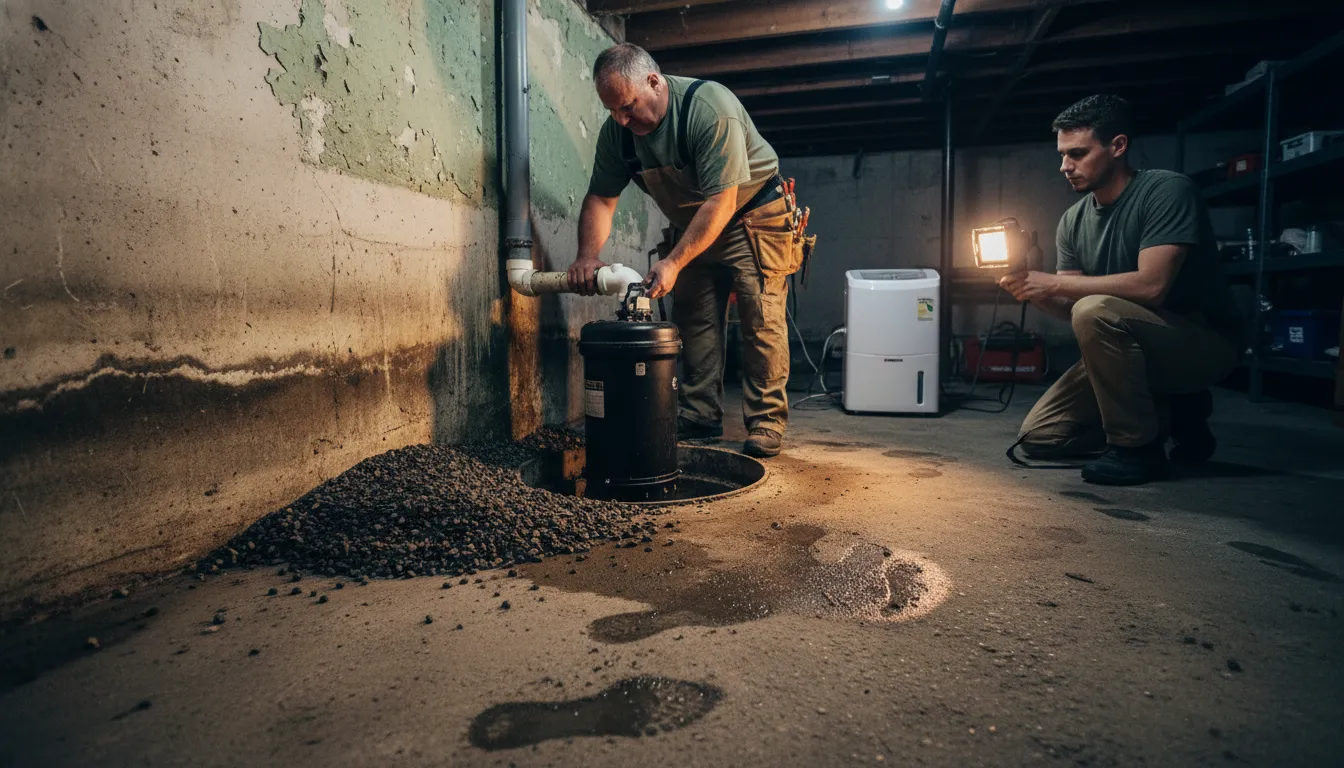
For homeowners in Portland, a reliable sump pump system isn't a luxury-it's a critical line of defense. The city's famously wet climate, characterized by heavy seasonal rains and a high water table, creates persistent groundwater pressure that can lead to basement flooding, mold growth, and costly foundation damage. A properly installed and maintained sump pump actively removes this accumulating water, protecting your home's structural integrity and indoor air quality. This guide will help you understand the essentials of sump pump systems, from choosing the right equipment to recognizing when you need professional repair or installation services.
Principled Plumbing LLC
18801 Lodgepole Way, Oregon City, OR 97045
Principled Plumbing LLC is a plumbing company serving Portland, OR, and surrounding counties including Clackamas, Multnomah, Washington, and Marion. They offer a wide range of plumbing services such as water heater installation and repair, leak detection, drain cleaning, repiping, sewer line repair, and sump pump services. The company is known for clean, code-compliant work and specializes in both residential and commercial plumbing projects. Founded by a second-generation plumber with over ten years of experience, Principled Plumbing emphasizes honest, long-lasting solutions without upselling. They also provide emergency plumbing services after hours, weekends, and holidays.
Simpson Plumbing LLC
3190 NE 3rd Ave, Camas, WA 98607
Simpson Plumbing LLC is a residential plumbing company serving Portland, OR, with over 40 years of experience. They offer a wide range of services including water heater installation and repair, drain cleaning, sewer camera inspections, hydro jetting, leak detection, repiping, and garbage disposal repairs. Their capabilities include advanced sewer scope inspections and high-pressure hydro jetting to clear blockages and maintain plumbing systems. Since 1981, Simpson Plumbing has focused on providing reliable plumbing solutions and building long-term customer relationships.
Simpson Plumbing LLC
Portland, OR
Simpson Plumbing LLC is a residential plumbing company serving Portland, OR, with over 40 years of experience since 1981. They offer a wide range of services including water heater installation and repair, drain cleaning, sewer line repair, repiping, leak detection, and sump pump services. The company uses advanced capabilities such as sewer camera inspections and hydro jetting to address plumbing issues effectively. Simpson Plumbing also installs smart water monitoring systems like Flo by Moen to help protect homes from water damage.

Da Vinci's Best Plumbing
309 SE 172nd Ave, Portland, OR 97233
Da Vinci's Best Plumbing is a plumbing service provider based in Portland, OR, offering a wide range of services including water heater repair and installation, tankless water heater maintenance, sump pump repair, drain cleaning, sewer line repair, leak detection, repiping, toilet repair, and garbage disposal repair. They serve Portland and surrounding areas such as Gresham and Clackamas. The company is equipped to handle emergency plumbing situations with 24/7 availability, ensuring prompt response to urgent issues. Their capabilities include comprehensive water heater services, from installation to maintenance and repair, including tankless systems. Da Vinci's Best Plumbing is known for its local expertise and commitment to addressing plumbing needs with thorough inspections and effective solutions.
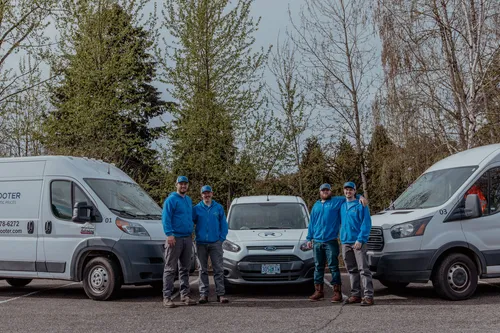
Realistic Rooter & Plumbing LLC
18809 SE McLoughlin Blvd, Portland, OR 97267
Realistic Rooter & Plumbing LLC is a family-owned plumbing company serving Portland, OR, and surrounding areas including Oregon City and Gladstone. They offer a wide range of plumbing services such as drain cleaning, sewer line repair, water heater installation and repair, leak detection, and gas line installation. The company uses advanced technology like sewer camera inspections and trenchless sewer repair to diagnose and fix issues efficiently while minimizing property disruption. Founded by Anthony Burgess, the business emphasizes integrity, long-term solutions, and mindful service that protects customers' homes and businesses throughout every project.
Why Portland Homes Need Sump Pumps
Portland's unique environmental conditions make basement waterproofing a priority. The area receives significant annual rainfall, which saturates the soil and raises the groundwater level. Compounding this issue is the prevalence of clay-heavy soil in many neighborhoods. Clay retains water and drains poorly, meaning moisture can linger around your foundation long after the rain stops. This constant hydrostatic pressure seeks the path of least resistance, often finding its way into basement cracks or through the cove joint where the floor meets the wall.
Without an active drainage system, this water intrusion can lead to a host of problems: ruined drywall and flooring, damaged personal belongings, hazardous mold and mildew growth, and even cracks in your home's concrete foundation 1. A sump pump system is designed to intercept this water before it enters your living space, collecting it in a pit and ejecting it safely away from your home's foundation.
Core Components of a Sump Pump System
Understanding the parts of your system helps in diagnosing issues and discussing options with a service professional. A complete setup is more than just a pump.
- Sump Pit (or Basin): This is the excavated hole, typically lined with a durable plastic or concrete liner, located at the lowest point of your basement or crawlspace. It acts as the collection point for groundwater.
- Inflow Drainage: Water is directed to the pit through a network of perforated pipes, often called drain tile or French drains. These pipes are buried along the interior or exterior perimeter of your foundation footing, where they collect seeping water and channel it toward the sump pit.
- The Pump Itself: This is the mechanical heart of the system. When water in the pit rises to a certain level, a float switch activates the pump motor.
- Discharge Line: This pipe carries the pumped water from your basement to the outdoors. A critical component within this line is the check valve, which prevents ejected water from flowing back into the pit once the pump turns off.
- Backup Power System: Given that power outages often coincide with severe storms, a battery backup or water-powered backup pump is considered essential in Portland for continuous protection.
Types of Sump Pumps: Pedestal vs. Submersible
Choosing between the two main types of sump pumps depends on your pit size, noise tolerance, and budget.
- Pedestal Pumps: In this design, the motor is mounted on a long column (pedestal) above the sump pit, with only the intake pipe extending into the water. They are generally less expensive upfront and their above-ground motor makes them easier to access for service. However, they tend to be louder and are less efficient, making them better suited for narrow pits or drier scenarios with less frequent use.
- Submersible Pumps: The entire pump and motor unit is designed to operate submerged in the water within the sump pit. They are significantly quieter, more powerful, and more efficient for handling larger volumes of water 2. Because they are sealed and cooled by the surrounding water, they often have a longer lifespan but come at a higher initial cost. For most Portland homes dealing with consistent groundwater, a submersible pump is the recommended choice.
Professional Installation: What to Expect
A proper sump pump installation is a complex job that integrates plumbing, excavation, and electrical work. For a new system where no pit exists, the process typically involves:
- Excavation: Breaking through the basement floor concrete to dig the sump pit in the optimal location.
- Pit Lining: Placing and securing a durable liner (often polypropylene) to keep the pit from collapsing and to filter out debris.
- Drainage Integration: Connecting the new pit to existing perimeter drains or installing a new drain tile system to effectively channel water 3.
- Pump Placement & Plumbing: Setting the pump on a stable base in the pit, connecting the discharge pipe, and installing a check valve.
- Electrical & Testing: Wiring the pump to a dedicated GFCI outlet, installing the float switch, and testing the entire system to ensure it activates and discharges water correctly.
A professional installer will ensure the system is sized correctly for your home's water load, that the discharge line terminates far enough from the foundation, and that all work meets local building codes 4.
Find the perfect sump pump installation & repair companies for your needs
Get personalized recommendations and expert advice
Common Sump Pump Repairs
Even well-installed pumps require maintenance and can encounter problems. Common issues that necessitate a repair service call include:
- Pump Failure to Activate: This can be caused by a stuck or faulty float switch, a tripped circuit breaker, or a burned-out motor.
- Continuous Running: If the pump runs non-stop, it may be incorrectly sized for the water inflow, the float switch may be stuck in the "on" position, or the check valve may be faulty, allowing water to cycle back into the pit.
- Loud Noises or Vibrations: Unusual grinding, rattling, or loud operation often points to a worn impeller, a damaged bearing, or a loose component. In pedestal pumps, this is more common.
- Clogged Discharge Line: The outdoor exit of the discharge line can become blocked by ice, dirt, or debris, causing water to back up. The check valve can also become jammed.
- Switch Problems: The float switch or other activation mechanism (like a pressure sensor) can fail due to debris interference, corrosion, or mechanical wear.
Regular professional inspection, which often includes cleaning the pit and testing the pump and backup system, can prevent many of these failures, especially before the rainy season.
Understanding Sump Pump Costs in Portland
Investment in a sump pump system varies widely based on the scope of work. Here's a general breakdown of what homeowners might expect:
- Complete New System Installation: For installing a new sump pit, a quality submersible pump, and connecting to existing drainage, costs in Portland typically range from $1,000 to $3,000 or more. If your home requires a new interior or exterior French drain (drain tile) system to feed the pump, the project cost can increase significantly, ranging from $4,000 to $15,000+, depending on the linear footage and complexity 5.
- Pump Replacement in an Existing Pit: Simply swapping out an old pump for a new one in a functional pit is less involved, generally costing between $500 and $1,200 for the pump and professional installation 6 7.
- Battery Backup System: Adding a battery-powered backup pump is highly advised and typically adds $300 to $1,000 to the project cost, depending on battery capacity 8 9.
- Repair Costs: Professional repair costs vary by the issue but addressing problems like switch replacements, clog removal, or minor part swaps is invariably less expensive than dealing with the aftermath of a flood 10.
While upfront costs are a consideration, professional installation ensures correct sizing, reliable operation, and long-term protection for one of your largest investments-your home.
Frequently asked questions
Sources
Footnotes
-
Why You Should Install A Sump Pump In Portland - https://www.3mountainsplumbing.com/blog/why-you-should-install-a-sump-pump-in-portland/ ↩
-
Sump Pump Installation | Wilsonville, Lake Oswego, Portland - https://foundationsfirstnw.com/sump-pumps/ ↩
-
Sump Pump Installation In Salem, Vancouver, Portland - https://www.johnswaterproofing.com/sump-pump/sump-pump-install.html ↩
-
How Much Does Sump Pump Installation Cost? 5 Factors - https://freedomplumbingmidwest.com/sump-pump-installation-cost/ ↩
-
2025 Drain Tile Costs: What to Expect for Interior, Exterior, and Sump ... - https://basementwaterproofingscientists.com/drain-tile-installation-cost-guide/ ↩
-
Sump Pump Installation Portland OR - D&F Plumbing - https://dandfplumbing.com/sump-pump-installation-portland-or/ ↩
-
Basement Sump Pumps: Types, Costs, and Maintenance - https://www.arkbasementservices.com/basement-sump-pumps-types-costs-and-maintenance/ ↩
-
Sump Pump Installation & Repair In Portland, OR | Wolfer's - https://wolfersheating.com/plumbing/sump-pumps/ ↩
-
Sump Pump Installation Cost Breakdown - Swift Plumbing & Heating - https://www.swiftplumb.com/blog/plumbing-service/the-cost-of-installing-a-sump-pump-what-to-expect/ ↩
-
Residential Sump Pump Services Portland, OR - D&F Plumbing - https://dandfplumbing.com/sump-pump-repair-portland-or/ ↩