Find the Best Sump Pump Installation & Repair Companies for Your Business
No obligation • Fast responses • Nationwide coverage

Why you can trust Search a Plumber
Search a Plumber is a leading United States resource for finding and evaluating professional plumbing services. Our team researches licensing, experience, and customer feedback to create unbiased, fact-driven overviews. Companies cannot pay to change ratings or placement, ensuring homeowners get trustworthy information.
Search providers near you
Top Sump Pump Installation & Repair Companies in Niagara Falls, New York Ranked
Living in Niagara Falls means enjoying the beauty of the region, but it also comes with unique challenges for your home's foundation. The combination of a high water table, dense clay soil, and significant precipitation from lake-effect snow and thunderstorms creates persistent groundwater pressure. A properly functioning sump pump system is your home's primary defense against basement flooding and water damage. This guide will help you understand the critical role of sump pumps, the specific considerations for the Niagara area, and how to find qualified local professionals to protect your investment.
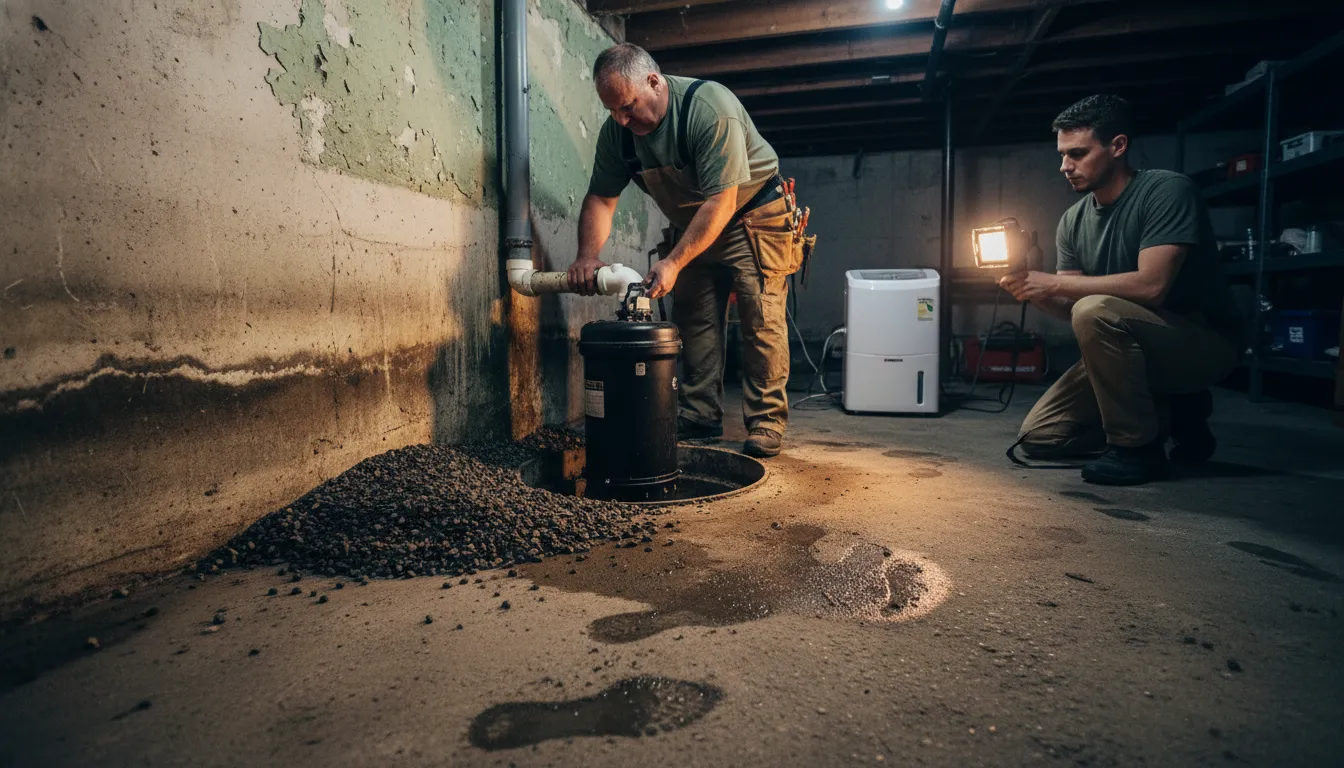
A sump pump is a specialized piece of equipment installed in a pit (sump basin) in your basement or crawlspace. Its job is to automatically pump out water that collects from the foundation's perimeter drainage system, known as weeping tile or drain tile, before it can enter your living space. For homeowners in Western New York, this isn't a luxury-it's a necessity for maintaining a dry, healthy, and structurally sound basement. Whether you're dealing with a malfunctioning unit, planning a new installation, or considering a backup system, connecting with experienced local technicians is the key to effective water management.
Hazlett Plumbing
3689 California Rd Unit 19, Orchard Park, NY 14127
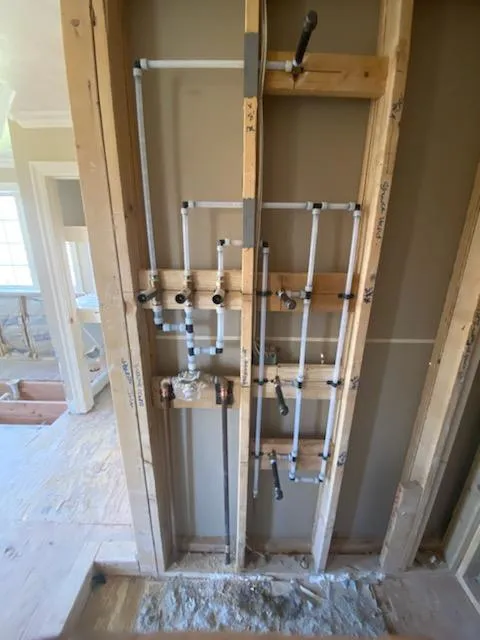
Hazlett Plumbing is a plumbing contractor serving Buffalo, NY, and the Greater Western New York area. Established in 2016, the company offers a range of plumbing services including sewer camera inspections, water heater repair and installation, sump pump repair, drain cleaning, sewer line repair, repiping, and toilet repair. They specialize in sewer and drain cleaning with permanent solutions targeting root causes. Hazlett Plumbing also handles commercial and residential new builds, remodels, and retrofits. The company emphasizes honesty, integrity, and community care in its operations.
Sewer pro plumbing
Buffalo, NY
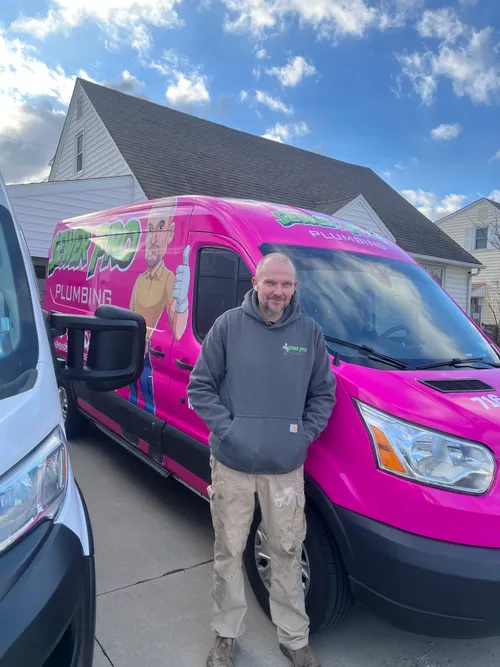
Sewer Pro Plumbing is a plumbing company serving Buffalo, NY, and the surrounding communities in Erie and Niagara Counties. With over 30 years of experience, they provide a wide range of plumbing services including water heater installation and repair, sewer line and drain cleaning, sump pump repair, leak detection, repiping, and gas line installation. Their team uses advanced equipment to handle residential and commercial plumbing needs efficiently and reliably. Sewer Pro Plumbing has a long history of serving the local area and offers expert solutions backed by decades of expertise.
Premier Plumbing WNY
Buffalo, NY
Premier Plumbing WNY is a locally owned plumbing company serving Buffalo, NY, and the surrounding Western New York area. With over 12 years of experience, they provide a wide range of plumbing services including water heater repair and installation, sump pump replacement, drain cleaning, hydro jetting, repiping, and garbage disposal repair. Their team uses advanced techniques such as high-pressure water jetting to clear tough clogs and offers tailored solutions to meet customer needs. The company is MBE-certified and BBB accredited, and they handle 24/7 emergency plumbing services.
Zenner & Ritter Home Services
3404 Bailey Ave, Buffalo, NY 14215
Zenner & Ritter Home Services is a full-service provider in Buffalo, NY, offering HVAC, plumbing, air quality, and generator services for homes and businesses. Their plumbing expertise includes water heater installation and repair, sump pump repair, and toilet repair. They install both standard and tankless water heaters and handle sump pump installations to protect homes from water damage. With 95 years of experience, Zenner & Ritter combines skilled technicians and advanced tools to deliver durable plumbing solutions. They also provide generator installation and maintenance to ensure reliable backup power during outages.
Moser's Plumbing & Heating Inc.
Buffalo, NY
Moser's Plumbing & Heating Inc. is a full-service plumbing company based in Buffalo, NY. Since 2016, they have provided a range of plumbing services including sewer camera inspections, tankless water heater installations, sump pump repairs, and drain cleaning. The company also offers video inspections and handles both new plumbing system installations and repairs for residential and commercial properties. As licensed master plumbers, they bring expertise in underground plumbing work and heating and cooling system maintenance.
Why Niagara Falls Homes Are Vulnerable to Water Intrusion
The geology and climate of the Niagara region create a perfect storm for basement moisture issues. Understanding these factors is the first step in choosing the right water management solution.
- High Water Table & Clay Soil: The proximity to the Niagara River, Welland River, and Lake Erie results in a naturally high water table. This is compounded by the area's prevalent clay soil, which is dense and has very poor drainage. When water saturates this clay, it creates significant hydrostatic pressure against your home's foundation walls and floor slab, relentlessly seeking a way inside.
- Intense Weather Patterns: Niagara Falls is no stranger to heavy, sudden thunderstorms and rapid spring snowmelt. These events can overwhelm municipal storm drains and the natural absorption capacity of the soil, leading to surface water pooling and increased subsurface water flow toward your home's foundation. 1
- Legacy of Older Homes: Many beautiful, historic homes in the area were built without modern foundation drainage standards. They may lack effective weeping tile systems altogether, making them exceptionally susceptible to seepage and flooding during wet periods. 2
Core Components of a Sump Pump System
A complete basement waterproofing solution involves more than just the pump itself. It's a system designed to collect, channel, and eject water.
- The Sump Pit (Basin): This is a cylindrical hole dug into the basement floor, typically lined with a durable plastic or concrete liner. It serves as the collection point for groundwater.
- Drain Tile (Weeping Tile): This is a perforated pipe buried along the interior or exterior perimeter of your foundation's footing. It acts like a moat, intercepting groundwater and channeling it toward the sump pit. A full interior or exterior drain tile system is often the most effective long-term solution for chronic water problems.
- The Pump & Discharge Line: The pump sits in the pit and activates via a float switch when water reaches a certain level. It then pumps the water out through a dedicated discharge pipe that carries it safely away from your home's foundation.
- The Check Valve: This crucial one-way valve is installed on the discharge pipe to prevent ejected water from flowing back into the pit once the pump turns off.
Choosing the Right Type of Sump Pump
Selecting the best pump depends on your home's specific needs, noise tolerance, and budget. Local professionals can assess your situation and recommend the most appropriate model.
- Submersible Sump Pumps: These units are designed to operate fully submerged in the sump pit. They are generally quieter than pedestal models, as the water muffles the sound of the motor. Submersible pumps are often more powerful and can handle higher volumes of water, making them a popular choice for homes with significant water intrusion.
- Pedestal Sump Pumps: In this design, the motor is mounted on a long column (pedestal) above the sump pit, with only the impeller extending down into the water. They are typically less expensive and easier to access for simple maintenance or inspection. However, they tend to be louder and are better suited for shallower pits or situations with lower water volume. 3
The Critical Need for a Backup System
In a region prone to powerful storms, a backup sump pump is not an optional extra-it's an essential layer of protection. The primary pump is useless during a power outage, which often coincides with the heaviest rainfall.
- Battery Backup Sump Pumps: This is the most common type of backup. It consists of a secondary pump and a dedicated, high-capacity deep-cycle battery with a charger. When the main pump loses power, the battery-powered unit automatically takes over. It's vital to test the battery regularly and understand its expected runtime. Installation for a system with a battery backup typically ranges from $2,000 to $3,500 or more. 4
- Water-Powered Backup Pumps: These innovative devices use your home's municipal water pressure to create a suction that pumps water out of the pit. They require no electricity or batteries, offering a truly fail-safe option as long as city water pressure remains. They are an eco-friendly and reliable choice, though they do consume water while operating.
Professional Installation: What to Expect
Proper installation is just as important as the quality of the pump. A correct installation ensures reliability, efficiency, and longevity.
A professional installation by a local Western New York contractor typically involves: excavating the sump pit in the optimal location, placing and sealing the liner, installing the pump and check valve, connecting the pump to the home's drainage network (if present), and correctly routing the discharge line to ensure water is directed well away from the foundation. They will also ensure the system is powered safely and test the pump's operation and float switch adjustment. 5 6
For homes without existing drainage, a more comprehensive solution may involve installing a new interior perimeter drain tile system. This channel is dug around the inside edge of the basement floor, filled with gravel and a perforated pipe that feeds into the sump pit. While this is a larger project with costs that can range from $4,000 to $15,000 plus the pump, it addresses the root cause of water collection.
Find the perfect sump pump installation & repair companies for your needs
Get personalized recommendations and expert advice
Recognizing Signs You Need Repair or Replacement
Even the best systems require attention. Catching problems early can prevent a minor repair from turning into a major flood.
- Frequent Cycling or Constant Running: If your pump turns on and off too often or runs non-stop during dry weather, it could indicate a faulty float switch, a stuck check valve, or a problem with the drainage system overwhelming the pump's capacity.
- Unusual Noises: Grinding, rattling, or screeching sounds often point to a worn-out bearing, a damaged impeller, or debris caught in the pump.
- Visible Rust or Corrosion: This can signal that the pump is aging or that the pit liner is damaged, allowing debris to wear on the components.
- Failure to Activate: The most obvious sign. This could be due to a power issue, a tripped circuit breaker, a burned-out motor, or a failed float switch.
- Water in the Basin But No Pumping: This often points to a clogged intake screen, a jammed impeller, or a severed discharge line.
Understanding Cost Factors in the Niagara Region
Costs for sump pump services can vary based on the scope of work, the type of equipment selected, and the specific challenges of your home.
- Basic Pump Replacement: Swapping out an existing pedestal pump with a similar model typically starts on the lower end of the scale.
- New Submersible Pump Installation: Installing a new primary submersible pump in an existing pit generally ranges from $1,000 to $1,500 for labor and materials. 7
- System with Battery Backup: As noted, installing a new primary pump along with a battery backup system is a more significant investment, often between $2,000 and $3,500+. 8
- Major Drainage Work: The cost for installing a new interior drain tile system connected to a sump pump is project-specific and can range from $4,000 to $15,000 or more, depending on the linear footage and basement conditions. 9
Actionable Tip: A smart strategy for Niagara Falls homeowners is to talk to neighbors about which local companies they've used and what solutions have worked for their similar homes. Always obtain multiple detailed quotes from established Western New York contractors to compare their approach, recommended equipment, and pricing for your specific situation. 10 11
Essential Annual Maintenance
A small amount of preventative maintenance can prevent catastrophic failure. It's recommended to check your system every few months and perform a thorough inspection annually, ideally before the spring thaw or fall rainy season.
- Test the Pump: Slowly pour a 5-gallon bucket of water into the sump pit to trigger the float and ensure the pump activates and fully drains the pit.
- Clean the Pit & Pump: Unplug the pump, remove any silt, gravel, or debris from the pit that could clog the pump intake or affect the float switch.
- Inspect the Discharge Line: Ensure the outdoor discharge point is clear of leaves, dirt, and ice. Verify that water flows freely several feet away from the foundation.
- Check the Check Valve: Listen for the "thump" when the pump shuts off, indicating the valve is closing properly to prevent backflow.
- Test Backup Systems: For battery backups, follow the manufacturer's instructions to test the backup pump and check the battery's charge level and fluid.
Frequently asked questions
Sources
Footnotes
-
Sump Pump Installation Services Niagara Falls - https://mcdowelldrain.ca/sump-pump-installation-in-niagara-falls-on/ ↩
-
Sump Pump Installation in St. Catharines - The Super Plumber - https://thesuperplumber.com/st-catharines-niagara/plumbing/sump-pump/ ↩
-
Niagara Homeowner's Guide to Drainage Systems - https://mcdowelldrain.ca/the-unsung-hero-of-a-dry-home-a-niagara-homeowners-guide-to-drainage-systems/ ↩
-
How Much Does a Sump Pump Battery Backup Cost? [2025 Data] - https://www.angi.com/articles/sump-pump-battery-backup-cost.htm ↩
-
Basement Sump Pumps: Types, Costs, and Maintenance - https://www.arkbasementservices.com/basement-sump-pumps-types-costs-and-maintenance/ ↩
-
Sump Pump Installation in New York - Woodford Bros., Inc. - https://www.woodfordbros.com/basement-waterproofing/products/sump-pumps/sump-pump-install.html ↩
-
Sump Pump Installation, Replacement, Repair & Maintenance ... - https://www.damorieconstruction.com/our-services/sump-pump-installation-replacement-repair-maintenance-in-western-ny/ ↩
-
How Much Does Sump Pump Installation Cost In New York? - https://zavzaseal.com/blog/how-much-does-sump-pump-installation-cost-in-new-york/ ↩
-
2025 Drain Tile Costs: What to Expect for Interior, Exterior, and Sump ... - https://basementwaterproofingscientists.com/drain-tile-installation-cost-guide/ ↩
-
Sump Pump Installation & Repair in Buffalo, Niagara Falls ... - https://www.franksbasements.com/sump-pump.html ↩
-
Basement sump pump installation: 7 Powerful Steps for Success 2025 - https://basementwaterproofingscientists.com/basement-sump-pump-installation/ ↩