Find the Best Sump Pump Installation & Repair Companies for Your Business
No obligation • Fast responses • Nationwide coverage

Why you can trust Search a Plumber
Search a Plumber is a leading United States resource for finding and evaluating professional plumbing services. Our team researches licensing, experience, and customer feedback to create unbiased, fact-driven overviews. Companies cannot pay to change ratings or placement, ensuring homeowners get trustworthy information.
Search providers near you
Best Sump Pump Installation & Repair Companies in New York Ranked
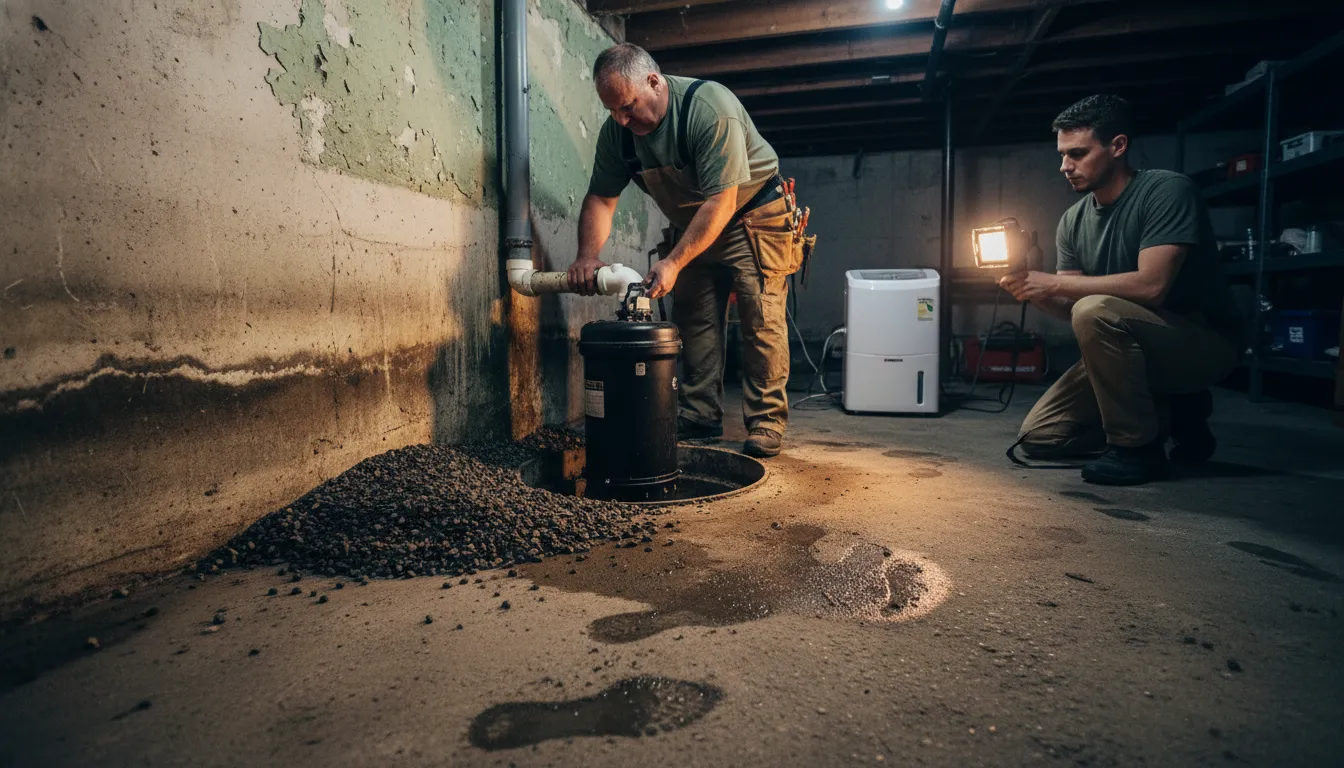
A reliable sump pump is a critical defense for New York homes against basement flooding, water damage, and costly mold remediation. These systems work by collecting groundwater or stormwater in a pit (sump basin) and pumping it safely away from your foundation. Given New York's variable climate, from high water tables to heavy rainstorms and snowmelt, a properly functioning sump pump is not just an appliance-it's essential home infrastructure. This guide will help you understand your options, from pump types and backup systems to installation considerations and costs, so you can make an informed decision to protect your property.
Hazlett Plumbing
3689 California Rd Unit 19, Orchard Park, NY 14127
Hazlett Plumbing is a plumbing contractor serving Buffalo, NY, and the Greater Western New York area. Established in 2016, the company offers a range of plumbing services including sewer camera inspections, water heater repair and installation, sump pump repair, drain cleaning, sewer line repair, repiping, and toilet repair. They specialize in sewer and drain cleaning with permanent solutions targeting root causes. Hazlett Plumbing also handles commercial and residential new builds, remodels, and retrofits. The company emphasizes honesty, integrity, and community care in its operations.
Angler Plumbing, Heating & Drain Cleaning LLC
598 Hickory Ave, Saddle Brook, NJ 07663
Angler Plumbing, Heating & Drain Cleaning LLC is a family- and veteran-owned business serving New York, NY, and Bergen County, NJ. They provide a wide range of plumbing, heating, and drain services including water heater installation and repair, sump pump maintenance, gas line installation, and drain cleaning. Their licensed master plumber offers a one-year warranty on parts, labor, and materials, and the company is known for its safety-first approach and fully stocked trucks. With over 22 years of experience, Angler Plumbing also offers emergency services with weekend and evening appointments available upon request.
Sewer pro plumbing
Buffalo, NY
Sewer Pro Plumbing is a plumbing company serving Buffalo, NY, and the surrounding communities in Erie and Niagara Counties. With over 30 years of experience, they provide a wide range of plumbing services including water heater installation and repair, sewer line and drain cleaning, sump pump repair, leak detection, repiping, and gas line installation. Their team uses advanced equipment to handle residential and commercial plumbing needs efficiently and reliably. Sewer Pro Plumbing has a long history of serving the local area and offers expert solutions backed by decades of expertise.
Premier Plumbing WNY
Buffalo, NY
Premier Plumbing WNY is a locally owned plumbing company serving Buffalo, NY, and the surrounding Western New York area. With over 12 years of experience, they provide a wide range of plumbing services including water heater repair and installation, sump pump replacement, drain cleaning, hydro jetting, repiping, and garbage disposal repair. Their team uses advanced techniques such as high-pressure water jetting to clear tough clogs and offers tailored solutions to meet customer needs. The company is MBE-certified and BBB accredited, and they handle 24/7 emergency plumbing services.
Zenner & Ritter Home Services
3404 Bailey Ave, Buffalo, NY 14215
Zenner & Ritter Home Services is a full-service provider in Buffalo, NY, offering HVAC, plumbing, air quality, and generator services for homes and businesses. Their plumbing expertise includes water heater installation and repair, sump pump repair, and toilet repair. They install both standard and tankless water heaters and handle sump pump installations to protect homes from water damage. With 95 years of experience, Zenner & Ritter combines skilled technicians and advanced tools to deliver durable plumbing solutions. They also provide generator installation and maintenance to ensure reliable backup power during outages.
Why Sump Pumps Are Essential in New York
New York's diverse geography and weather patterns create unique challenges for homeowners. Coastal areas, regions near the Great Lakes, and properties with clay-heavy soil often contend with high water tables, where the ground is permanently saturated with water. When heavy rains from nor'easters or summer thunderstorms hit, or during the spring thaw, this groundwater has nowhere to go but into the path of least resistance: your basement. A sump pump system actively manages this hydrostatic pressure, directing water away from your foundation to prevent seepage, flooding, and the structural damage and health hazards that follow.
Types of Sump Pumps: Pedestal vs. Submersible
Choosing the right pump is the first step toward effective water management. The two primary types are pedestal and submersible pumps, each with distinct advantages.
Pedestal Sump Pumps In a pedestal pump, the motor is mounted on a column above the sump pit. This design keeps the motor out of the water.
- Pros: Typically more affordable to purchase and install. The above-ground motor is generally easier and less expensive to access for service and maintenance.
- Cons: The motor is not submerged, which can make it louder during operation. It is often less powerful than a comparable submersible model and may have a shorter lifespan due to increased exposure.
- Best For: Homes with moderate water issues, smaller sump pits, or where budget is a primary concern.
Submersible Sump Pumps As the name implies, a submersible pump and its sealed motor are designed to operate while fully submerged in the sump pit.
- Pros: Operates much more quietly since water muffles the sound. Usually more powerful and efficient at moving higher volumes of water. The submerged placement protects the motor from dust and debris in the air.
- Cons: Higher initial cost for both the unit and installation. Repairs can be more complex, as the entire unit must be pulled from the pit.
- Best For: Homes in areas prone to heavy flooding, with larger basements, or where a quiet operation is preferred 1.
Core Components of a Sump Pump System
A complete system involves more than just the pump itself. Understanding the other parts helps you grasp the full scope of an installation.
- Sump Pit (Basin): This is the buried container, typically made of durable plastic or concrete, that collects incoming water. It's installed at the lowest point of the basement, often in a corner or near the foundation wall. Proper sizing is crucial for pump efficiency and longevity.
- Drainage System: Water must have a way to get to the pit. This is often achieved through a perimeter drain system, like a French drain, which consists of a perforated pipe surrounded by gravel. This pipe is installed along the interior or exterior foundation footing and channels water toward the sump basin 2.
- Discharge Pipe: This is the pipe that carries the pumped water away from your home. It should extend far enough from the foundation to prevent water from simply cycling back into the ground nearby. Proper sloping and the use of a check valve (to prevent backflow) are critical for this component.
- Power Supply: A dedicated GFCI (Ground Fault Circuit Interrupter) electrical outlet is required for safe operation. This is a key part of the installation that must meet local electrical codes.
The Critical Need for Backup Systems
Power outages frequently accompany the severe storms that cause the most significant flooding threats. A primary sump pump connected to grid power becomes useless during a blackout. Installing a backup system is one of the most important upgrades for New York homeowners.
- Battery Backup Systems: These consist of a secondary pump (or a dual-pump system) connected to a large, deep-cycle battery. If the power fails, the backup pump automatically takes over. Modern systems often include a charger and an alarm to alert you if the backup is activated or the battery is low. Battery systems provide protection for a limited time, depending on the battery's capacity and how often the pump runs 3.
- Water-Powered Backup Pumps: These ingenious devices use your home's municipal water pressure to create a suction that pumps water out of the pit. They require no electricity or batteries. The main considerations are that they require a significant amount of water to operate (which will increase your water bill during use) and depend on municipal water pressure remaining stable during a storm.
Find the perfect sump pump installation & repair companies for your needs
Get personalized recommendations and expert advice
Understanding Sump Pump Installation & Repair Costs in New York
Costs can vary widely based on the complexity of the job, the type of equipment selected, and regional labor rates. Here's a breakdown of what you might expect for sump pump services in New York 4.
Installation Costs:
- Basic Pedestal Pump Installation: For replacing an existing pump in a pre-existing pit with simple connections, costs typically range from $300 to $600.
- Submersible Pump Installation: Installing a new submersible pump in an existing pit generally falls between $800 and $2,000, including the pump, labor, and basic materials.
- Complete New System Installation: This is the most involved and costly scenario. It involves excavating to create a new sump pit, potentially installing perimeter drains, and setting up the pump and discharge line. For a full system, homeowners can expect to invest $1,500 to $3,500 or more5 6.
- Backup System Add-On: Adding a battery backup pump and battery unit to an existing system typically costs $300 to $1,000 for parts and installation. A water-powered backup installation usually ranges from $200 to $9007.
Repair & Maintenance Costs: Repair costs depend heavily on the issue and the pump type. Simple fixes like replacing a float switch or check valve may cost $100 to $300. More significant repairs, such as replacing a motor or impeller, can range from $300 to $600. Full pump replacement (labor included) often overlaps with the lower end of installation costs, generally between $400 and $1,0008.
Factors Influencing Cost:
- System Complexity: Cutting through concrete floors, installing new drainage tile, or upgrading electrical service will add to the total cost.
- Pump Quality & Features: Pumps with higher horsepower, cast iron construction, and advanced features like built-in alarms or Wi-Fi connectivity cost more upfront.
- Labor Rates: Rates can differ between New York City, Long Island, Upstate regions, and between licensed, insured professionals and general handymen. Always verify credentials.
Choosing a Qualified Professional
Sump pump installation intersects plumbing, excavation, and electrical work. It's vital to choose a contractor with specific experience in basement water management.
- Look for Specialization: Seek out plumbers or basement waterproofing companies that explicitly list sump pumps as a core service.
- Verify Licenses & Insurance: Ensure the contractor holds the necessary state and local licenses for plumbing and/or waterproofing work and carries both liability and worker's compensation insurance.
- Get Detailed Estimates: A reputable professional will provide a written, itemized estimate that breaks down costs for materials, labor, and any potential contingencies.
- Ask About Warranty: Inquire about warranties on both the equipment (often from the manufacturer) and the labor (provided by the installer).
Maintaining Your Sump Pump
Annual maintenance can prevent most common failures and extend your pump's life.
- Visual Inspection: Check that the pump is upright and the intake screen is clear of debris.
- Test the Pump: Pour a bucket of water into the pit to trigger the float and ensure the pump activates, moves water vigorously, and shuts off automatically.
- Check the Discharge Line: Ensure the outdoor discharge point is clear of leaves, dirt, and ice, and that water flows freely away from the foundation.
- Clean the Pit: Carefully remove any gravel, silt, or debris that has accumulated in the bottom of the pit.
- Test Backup Systems: If you have a battery backup, test it according to the manufacturer's instructions and check the battery's charge level.
Frequently asked questions
Sources
Footnotes
-
How Much Does Sump Pump Installation Cost In New York? | Zavza Seal LLC - https://zavzaseal.com/blog/how-much-does-sump-pump-installation-cost-in-new-york/ ↩
-
Sump Pump Installation Contractor in New York - https://www.southerntierbasementsystems.com/sump-pump/sump-pump-install.html ↩
-
Sump Pump Basics and Basement Drainage - https://www.onpointnyct.com/2025/04/03/everything-you-need-to-know-about-sump-pumps-and-basement-drainage-systems/ ↩
-
Sump Pump Installation Cost Breakdown - Swift Plumbing & Heating - https://www.swiftplumb.com/blog/plumbing-service/the-cost-of-installing-a-sump-pump-what-to-expect/ ↩
-
The Cost to Install a Sump Pump - The Basic Basement Co. - https://donefor9999.com/the-cost-to-install-a-sump-pump/ ↩
-
Sump Pump Labor Costs for Basement Installations - https://majewskiplumbing.com/sump-pump-labor-cost-pricing-guide-for-basement-installations/ ↩
-
Is A Sump Pump Needed In New York? - AP Plumbing - https://applumbing.com/blog/is-a-sump-pump-needed-in-new-york/ ↩
-
Sump Pump Installation and Repair in New York City - https://plumbingnyc.com/sump-pump-installation-and-repairs/ ↩