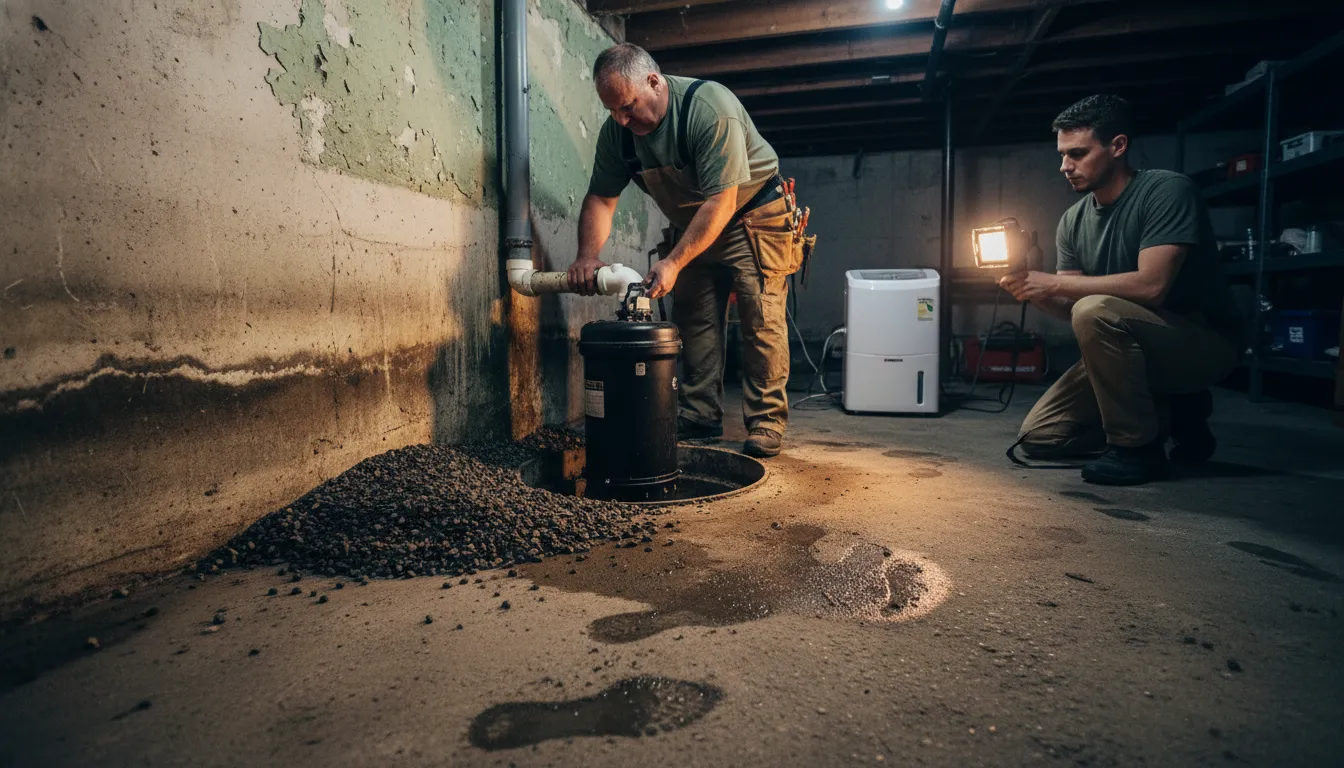
Find the Best Sump Pump Installation & Repair Companies for Your Business
No obligation • Fast responses • Nationwide coverage

Why you can trust Search a Plumber
Search a Plumber is a leading United States resource for finding and evaluating professional plumbing services. Our team researches licensing, experience, and customer feedback to create unbiased, fact-driven overviews. Companies cannot pay to change ratings or placement, ensuring homeowners get trustworthy information.
Search providers near you
Top Sump Pump Installation & Repair Companies in Mount Vernon, New York Ranked
A reliable sump pump system is a critical line of defense for Mount Vernon homeowners, protecting basements and crawl spaces from costly water damage. Given the area's high water table and seasonal spring thaws, a properly installed and maintained sump pump is not a luxury but a necessity for a dry, healthy foundation. This guide will help you understand the specific considerations for sump pump services in Mount Vernon, from selecting the right equipment to navigating installation and repair.
Angler Plumbing, Heating & Drain Cleaning LLC
598 Hickory Ave, Saddle Brook, NJ 07663
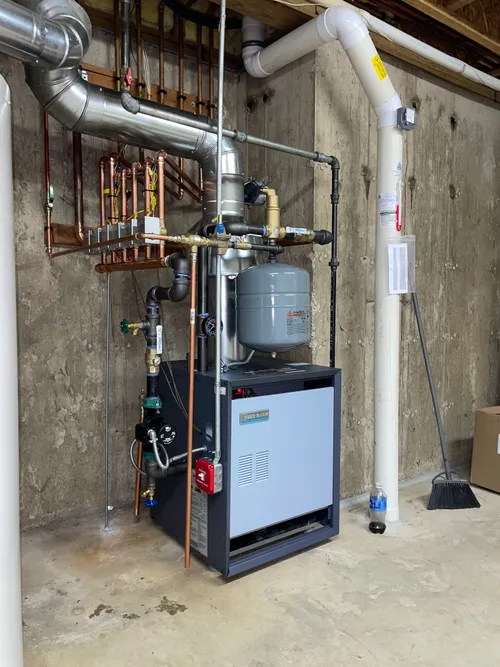
Angler Plumbing, Heating & Drain Cleaning LLC is a family- and veteran-owned business serving New York, NY, and Bergen County, NJ. They provide a wide range of plumbing, heating, and drain services including water heater installation and repair, sump pump maintenance, gas line installation, and drain cleaning. Their licensed master plumber offers a one-year warranty on parts, labor, and materials, and the company is known for its safety-first approach and fully stocked trucks. With over 22 years of experience, Angler Plumbing also offers emergency services with weekend and evening appointments available upon request.
Drainage Master LLC
Newark, NJ
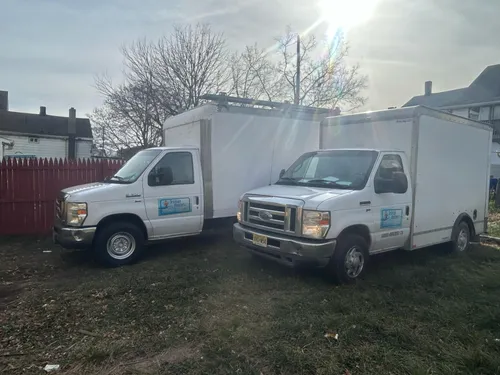
Drainage Master LLC is a plumbing company serving Newark, NJ, and surrounding counties in North New Jersey. They offer a wide range of plumbing services including water heater repair and installation, tankless water heater services, sump pump repair, drain cleaning, and leak detection. The company has over 20 years of experience and provides 24/7 emergency plumbing services. Their team is fully licensed and equipped to handle both residential and commercial plumbing needs with a focus on transparent pricing and guaranteed workmanship.
P.A.C. Plumbing, Heating, & A/C
545 Port Richmond Ave, Staten Island, NY 10302
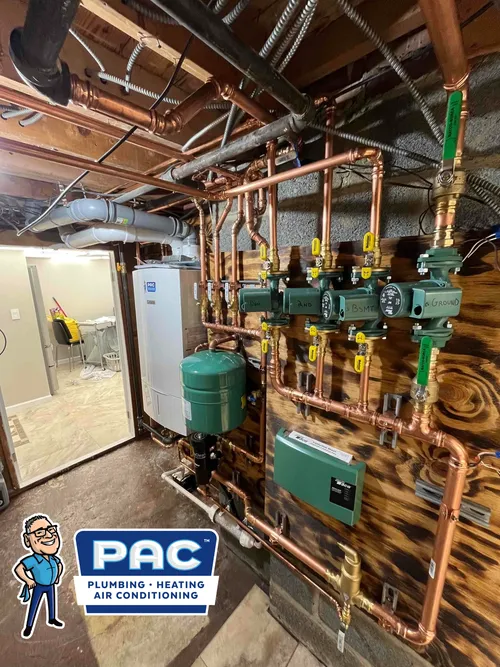
P.A.C. Plumbing, Heating, & A/C is a full-service plumbing and HVAC company serving New York, NY, and parts of New Jersey. They provide a range of services including water heater repair, sump pump repair, and drain cleaning. The company is known for offering accurate diagnoses and multiple service options tailored to customer needs and budgets. They also provide maintenance plans to support long-term system performance. P.A.C. Plumbing, Heating, & A/C has been recognized regionally and offers fast response times with technicians located throughout Staten Island.
Zoom Drain
152 Stevens Ave, Jersey City, NJ 07305
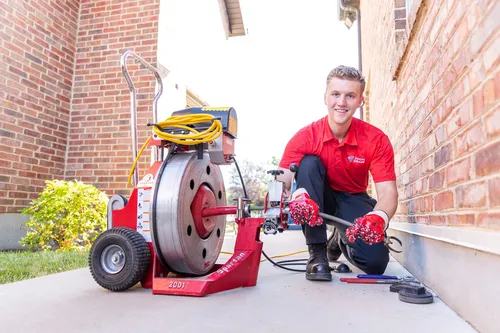
Zoom Drain is a plumbing service provider specializing in sewer and drain cleaning in New York, NY. They serve both residential and commercial customers, offering services such as sewer camera inspections, sump pump repairs, toilet repairs, and hydro jetting. The company uses advanced equipment like PowerSnake and video inspection tools to diagnose and clear blockages efficiently. Zoom Drain also addresses root intrusions and tough clogs with specialized treatments. Their team is experienced in handling a wide range of drain issues, from small homes to large commercial properties, ensuring effective solutions without unnecessary damage.
RR Plumbing Roto-Rooter
8208 17th Ave Ste 1, Brooklyn, NY 11214
RR Plumbing Roto-Rooter has been serving New York, NY, since 1935, providing full-service plumbing and drain cleaning for both residential and commercial customers. Their services include sewer camera inspections, water heater repair and installation, sump pump repair, leak detection, toilet repair, and more. The company uses state-of-the-art equipment for drain cleaning and offers 24/7 emergency service without extra charges for nights, weekends, or holidays.
Understanding Mount Vernon's Water Challenges
Mount Vernon's geography and climate create unique conditions that make basement waterproofing a priority for many residents. The primary concern is a high water table, where the level of groundwater sits close to or above your basement floor slab 1. This constant pressure can lead to seepage through floor cracks and the cove joint where the wall meets the floor. Furthermore, the annual spring thaw significantly increases groundwater activity as frozen ground releases meltwater, often overwhelming inadequate drainage systems 1. A properly designed sump pump system works to actively lower the water level around your foundation, channeling this water away before it can enter your home.
Components of a Complete Sump Pump System
Thinking of a sump pump as just a pump in a hole is a common mistake. In Mount Vernon, an effective solution is a comprehensive drainage system where the pump is the final, active component.
- The Sump Pit and Liner: This is the collection point, typically installed at the lowest part of the basement. A durable liner prevents collapse and keeps debris out.
- Perimeter Drainage (French Drain): This is often the most crucial part for a wet basement. A perimeter drain, such as an interior channel system, is installed along the basement's interior footing to intercept water seeping through the walls or floor joint and direct it to the sump pit. Without this collection network, a pump has little water to move.
- The Pump Itself: This is the workhorse that ejects the water.
- Discharge System: The pipe that carries water from the pump to the outside. Proper discharge-at least 10 feet away from the foundation to a dry well or sloped area-is essential to prevent water from simply recycling back into the ground around your home 2.
- Backup System: A critical add-on for storm-related power outages, which often coincide with the heaviest rainfall.
Types of Sump Pumps: Choosing the Right Pump
Selecting the correct pump type is key to long-term performance and peace of mind. The two main types are submersible and pedestal pumps.
Submersible Sump Pumps These units are designed to operate submerged in the water within the sump pit. They are generally more efficient, quieter, and better suited for handling heavier water volumes, making them a preferred choice for most residential installations in Mount Vernon. Because they are sealed, they are less prone to overheating and are protected from pit debris.
Pedestal Sump Pumps In a pedestal pump, the motor is mounted on a long column (pedestal) above the sump pit, with only the impeller housing extending down into the water. These are typically less expensive upfront and their elevated motor makes them easier to service 3. However, they tend to be louder and are better for smaller pits or lighter-duty applications.
Backup Sump Pumps A primary pump is useless during a power failure. Battery backup pumps provide essential protection during storms, automatically taking over when the main pump loses power. For ultimate reliability, some systems integrate a water-powered backup pump that uses your home's municipal water pressure to operate, ensuring functionality as long as water service is available.
The Installation Process: What to Expect
Professional installation ensures your system meets local codes and functions correctly for years. A typical installation by a qualified technician involves several key steps:
- Assessment and Planning: A technician will evaluate your basement's water issues, identify the best location for the pit, and design the drainage path.
- Pit Excavation and Liner Installation: Concrete is broken to excavate the pit, and a pre-formed liner is set in place.
- Drainage Integration: If needed, a perimeter drain channel is installed along the basement's perimeter and connected to the pit.
- Pump and Backup Setup: The primary pump (and backup if included) is placed in the pit, with check valves installed to prevent backflow.
- Discharge and Electrical Work: The discharge pipe is run and properly terminated away from the house. Dedicated GFCI electrical outlets are installed for safe operation.
- System Testing and Backfill: The entire system is tested, and the area around the liner is backfilled with gravel for optimal drainage into the pit 4.
Find the perfect sump pump installation & repair companies for your needs
Get personalized recommendations and expert advice
Common Sump Pump Repairs and Maintenance
Even the best systems require occasional attention. Common repair issues for Mount Vernon homeowners include:
- Pump Failure to Run: Often caused by a tripped GFCI outlet, a faulty float switch, or a burned-out motor. Power-related issues are the first thing to check 5.
- Frequent Cycling (On/Off): This can indicate a stuck float switch, an incorrectly sized sump pit that's too small, or a switch that needs adjustment.
- Pump Runs But Doesn't Pump: Usually a sign of a clogged impeller or a blocked discharge line. The check valve may also be stuck closed.
- Unusual Noises: Grinding or rattling noises can signal a damaged impeller or a loose component.
- Backup System Failure: Battery backups can fail if the battery is old or not maintained. Water-powered backups can fail if water pressure is too low or valves are clogged.
Proactive maintenance is the best way to avoid emergencies. Homeowners should:
- Test the pump quarterly by pouring a bucket of water into the pit.
- Ensure the discharge line is clear and draining properly, especially in fall and spring.
- Clean the pump inlet screen and the pit of debris.
- Check that the float switch moves freely.
- For battery backups, test regularly and replace the battery every 2-3 years.
Cost Considerations for Sump Pump Services
Investing in a sump pump system is an investment in protecting your home's value and integrity. Costs can vary widely based on the complexity of the installation.
- Standard Installation: For a new submersible pump with a basic pit in an existing home, homeowners in the New York area can expect costs ranging from $1,000 to $4,000+, with an average often between $1,200 and $2,000 6. The final price depends heavily on labor, pump quality, and local factors.
- Major Factors Influencing Cost:
- Drainage Work: Adding an interior perimeter drain system is often necessary for chronic water issues and adds significantly to the project cost but is crucial for a complete solution.
- Backup Systems: Adding a battery or water-powered backup system can add $1,000 or more to the total but is highly recommended 7 8.
- Pit Excavation: Difficulty breaking through concrete or dealing with rocky soil increases labor time.
- Electrical Requirements: Running a new dedicated circuit adds to the cost.
- Repair and Maintenance Costs: Typical service calls for repairs range from $150 to $450 depending on the issue. Annual maintenance checks or minor fixes may cost between $50 and $200 9.
Key Takeaway: For Mount Vernon homes, the most reliable and effective solution is often a submersible pump integrated with a perimeter drainage channel and a backup system. This comprehensive approach addresses both the symptom (standing water) and the cause (hydrostatic pressure and seepage), providing robust protection against the area's specific water challenges 10.
Frequently asked questions
Sources
Footnotes
-
Sump Pump Basics and Basement Drainage - https://www.onpointnyct.com/2025/04/03/everything-you-need-to-know-about-sump-pumps-and-basement-drainage-systems/ ↩ ↩2
-
SUMP PUMP INSTALLATION, REPAIR, BACKUP, and DRAINAGE - http://www.faziowaterproofing.com/sump-pumps.html ↩
-
Basement Sump Pumps: Types, Costs, and Maintenance - https://www.arkbasementservices.com/basement-sump-pumps-types-costs-and-maintenance/ ↩
-
Our Sump Pump Installation Process In the Southern Tier of New York - https://www.southerntierbasementsystems.com/sump-pump/sump-pump-install.html ↩
-
Sump Pump Installation in New York - Woodford Bros., Inc. - https://www.woodfordbros.com/basement-waterproofing/products/sump-pumps/sump-pump-install.html ↩
-
Hudson Valley Sump Pump Installation - HV Ground Solutions - https://hvgroundsolutions.com/services/sump-pump-installation/ ↩
-
Backup Sump Pumps - Woodford Bros., Inc. - https://www.woodfordbros.com/basement-waterproofing/products/sump-pumps/backup-pump.html ↩
-
How Much Does Sump Pump Installation Cost In New York? - https://zavzaseal.com/blog/how-much-does-sump-pump-installation-cost-in-new-york/ ↩
-
Sump Pump Installation Cost Guide | 2025 Prices & Factors - Modernize - https://modernize.com/foundations/basement-waterproofing/sump-pump-installation-cost ↩
-
Sump Pump Installation in New York - Halco Energy - https://www.halcoenergy.com/basement-waterproofing/sump-pump/sump-pump-install.html ↩