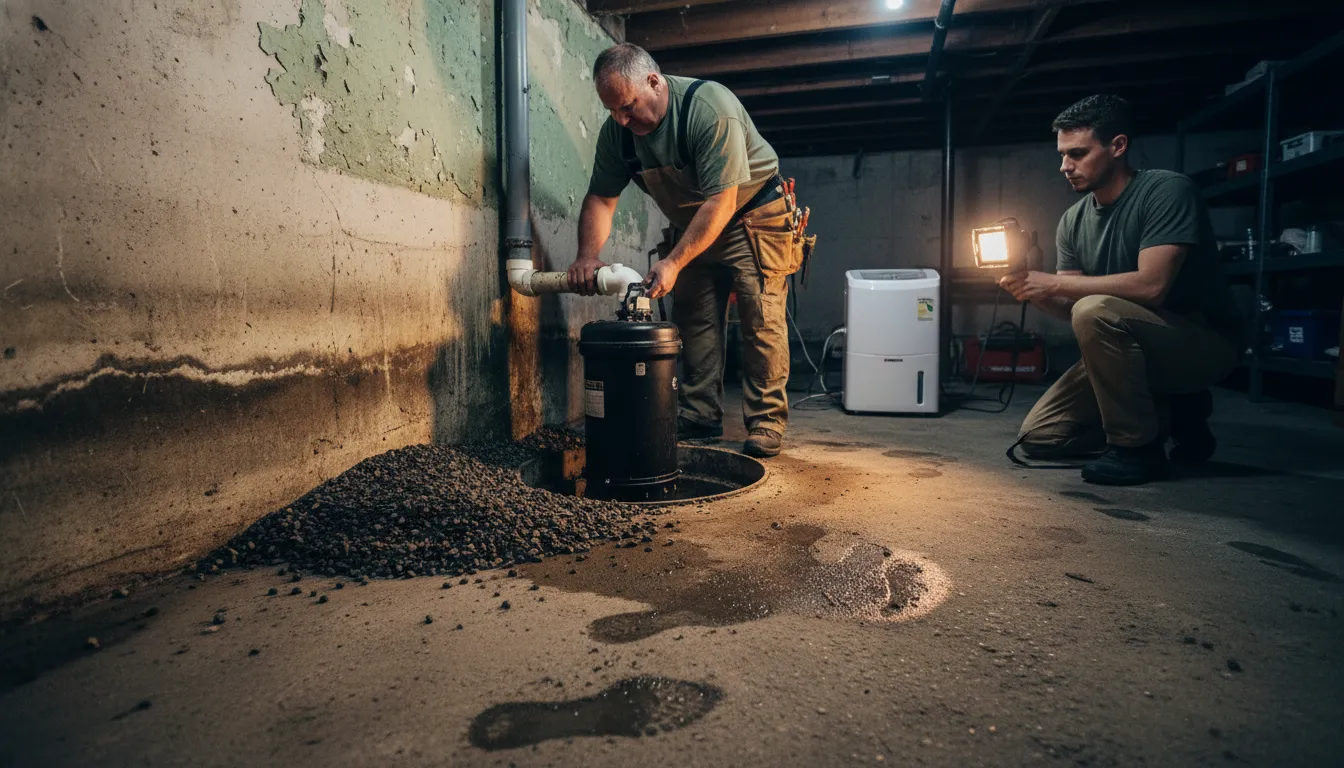
Find the Best Sump Pump Installation & Repair Companies for Your Business
No obligation • Fast responses • Nationwide coverage

Why you can trust Search a Plumber
Search a Plumber is a leading United States resource for finding and evaluating professional plumbing services. Our team researches licensing, experience, and customer feedback to create unbiased, fact-driven overviews. Companies cannot pay to change ratings or placement, ensuring homeowners get trustworthy information.
Search providers near you
Top Sump Pump Installation & Repair Companies in Freeport, New York Ranked
Living in Freeport, NY, means enjoying beautiful waterfront views, but it also comes with the challenge of managing a high water table and the heavy rainfall common to Long Island. A properly functioning sump pump system is your home's primary defense against basement flooding, water damage, and costly mold remediation. This guide will help you understand the critical components of sump pump services, from selecting the right equipment to integrating it with your home's drainage, so you can confidently find a qualified professional to protect your property.
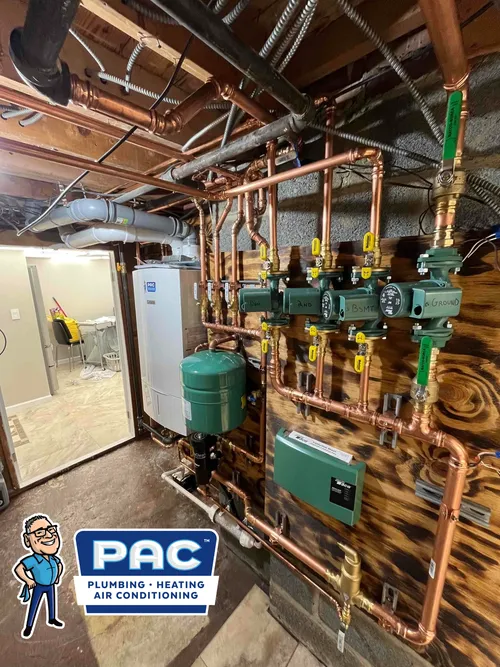
P.A.C. Plumbing, Heating, & A/C
545 Port Richmond Ave, Staten Island, NY 10302
P.A.C. Plumbing, Heating, & A/C is a full-service plumbing and HVAC company serving New York, NY, and parts of New Jersey. They provide a range of services including water heater repair, sump pump repair, and drain cleaning. The company is known for offering accurate diagnoses and multiple service options tailored to customer needs and budgets. They also provide maintenance plans to support long-term system performance. P.A.C. Plumbing, Heating, & A/C has been recognized regionally and offers fast response times with technicians located throughout Staten Island.
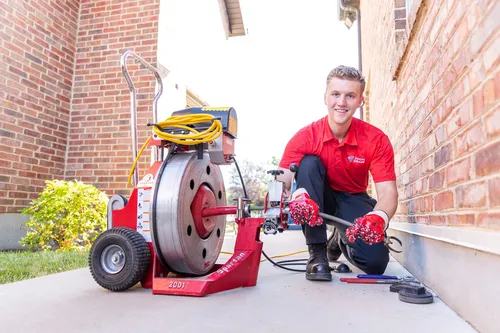
Zoom Drain
152 Stevens Ave, Jersey City, NJ 07305
Zoom Drain is a plumbing service provider specializing in sewer and drain cleaning in New York, NY. They serve both residential and commercial customers, offering services such as sewer camera inspections, sump pump repairs, toilet repairs, and hydro jetting. The company uses advanced equipment like PowerSnake and video inspection tools to diagnose and clear blockages efficiently. Zoom Drain also addresses root intrusions and tough clogs with specialized treatments. Their team is experienced in handling a wide range of drain issues, from small homes to large commercial properties, ensuring effective solutions without unnecessary damage.
RR Plumbing Roto-Rooter
8208 17th Ave Ste 1, Brooklyn, NY 11214
RR Plumbing Roto-Rooter has been serving New York, NY, since 1935, providing full-service plumbing and drain cleaning for both residential and commercial customers. Their services include sewer camera inspections, water heater repair and installation, sump pump repair, leak detection, toilet repair, and more. The company uses state-of-the-art equipment for drain cleaning and offers 24/7 emergency service without extra charges for nights, weekends, or holidays.
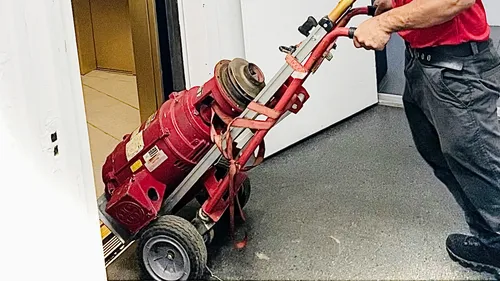
The Pump Guys Pump & Motor Specialist
1177 6th Ave 5th floor, New York, NY 10036
The Pump Guys Pump & Motor Specialist is a plumbing service provider located in New York, NY. They offer repair, rebuild, service, troubleshooting, diagnosis, and sales for a wide range of pumps. Their expertise covers industrial, commercial, residential, and marine pumps, including alarm signals and controls.
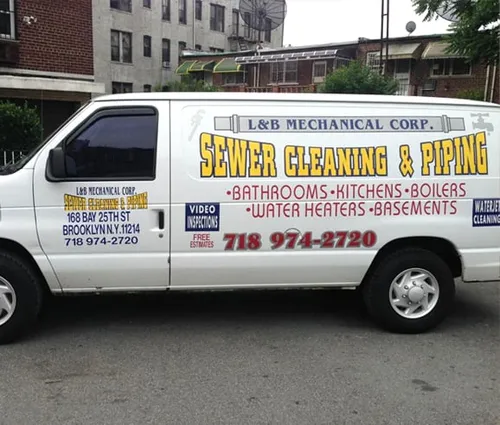
L&B Mechanical | Brooklyn NY | Water Heater Installation | Plumbing
168 Bay 25th St b3, Brooklyn, NY 11214
L&B Mechanical | Brooklyn NY | Water Heater Installation | Plumbing is a full-service plumbing, heating, and drain cleaning company serving New York, NY, including Park Slope, Bensonhurst, and Bath Beach. They provide a wide range of services such as sewer camera inspections, water heater installation and repair, sump pump repair, drain cleaning, sewer line repair, leak detection, repiping, toilet and garbage disposal repairs, and heating system maintenance. With nearly four decades of experience since 1985, the company offers 24/7 emergency plumbing services to address urgent issues like pipe bursts, leaks, and sewer backups. Their expertise includes sewer line cleaning and repairs using professional-grade equipment to handle blockages, root intrusion, and pipe corrosion effectively.
Why Freeport Homes Need Robust Sump Pump Systems
The geography of Nassau County, and Freeport in particular, presents unique challenges for homeowners. Many properties sit at or below the water table, meaning the ground is naturally saturated with water. This is compounded by the area's vulnerability to intense coastal storms and nor'easters, which can dump significant rainfall in short periods, overwhelming standard drainage. Without an effective way to remove this water, hydrostatic pressure builds against your foundation walls and floor, leading to seepage, cracks, and ultimately, a flooded basement.
An effective flood control system does more than just react to water in a pit; it proactively manages groundwater. In Freeport, this often means integrating the sump pump with a perimeter drainage system, like a French drain, to collect water from around the foundation before it ever enters your basement. This comprehensive approach to basement waterproofing is essential for long-term protection and peace of mind.
Key Components of a Sump Pump System
Understanding the parts of a sump pump setup will help you communicate effectively with service providers and make informed decisions about your home's needs.
The Pump Itself: Submersible vs. Pedestal The heart of the system is the pump. You'll typically choose between two main types:
- Submersible Pumps: These units operate submerged in the sump pit. They are generally quieter, more powerful, and less obtrusive, making them a popular choice for finished basements or living areas near the pit. They tend to have a higher initial cost but offer excellent performance 1.
- Pedestal Pumps: In this design, the motor is mounted on a pedestal above the sump pit, with only the intake pipe extending into the water. They are easier and less expensive to service and typically last longer because the motor stays dry. However, they can be noisier and are more visually noticeable 2.
The Critical Backup System A primary pump is useless during a power outage, which often coincides with the worst storms. A backup system is non-negotiable for Freeport homes.
- Battery Backup: This is the most common solution, involving a separate pump powered by a deep-cycle battery that charges continuously. It automatically kicks in if the main pump fails or loses power.
- Water-Powered Backup: This system uses your home's municipal water pressure to operate a pump. It doesn't require a battery but does use a significant amount of water and may not be allowed in all municipalities.
Integrated Drainage: The Full Solution For a truly dry basement, the pump must be part of a larger water management strategy. This often involves a network of perimeter drains (French drains) installed along the interior footing of your foundation. These drains capture incoming water and channel it directly into the sump pit, where the pump can eject it. Systems like these address the root cause of water intrusion rather than just the symptom.
The Installation and Repair Process
Knowing what to expect during service can demystify the process and help you identify a thorough, professional job.
Professional Installation Steps A proper installation is more than just dropping a pump into a hole. Reputable professionals will:
- Excavate the Sump Pit: Dig a pit (typically 18-24 inches in diameter and 24-36 inches deep) at the lowest point of the basement, often near the foundation wall or where water collects.
- Install the Liner/Basin: Place a durable, perforated sump basin into the pit, which will hold the pump and allow groundwater to enter.
- Connect Discharge Piping: Run a discharge pipe from the pump to the exterior, ensuring it directs water at least 10 feet away from your home's foundation to prevent recirculation 3.
- Integrate with Drainage: If installing a perimeter drain system, they will connect the drain tile to the sump pit, creating a complete collection network.
- Complete Electrical Work: Install a dedicated GFCI (Ground Fault Circuit Interrupter) outlet for safe operation and test the entire system, including any backup units 4.
Common Repair Scenarios Even the best systems need maintenance. Common reasons for sump pump service include:
- Frequent Cycling: The pump turns on and off too often, which can wear out the motor prematurely. This is often caused by a faulty float switch or an incorrectly sized pump.
- Unusual Noises: Grinding, rattling, or screeching sounds can indicate a damaged impeller, worn bearings, or a loose component.
- Failure to Run: This could be due to a power issue, a stuck float switch, a clogged intake screen, or a burned-out motor.
- Leaking: Water leaking from the discharge pipe or around the pit seal can cause damage.
A skilled technician will diagnose the issue, advise if a repair is sufficient, or recommend a replacement if the pump is near the end of its typical 7-10 year lifespan 5 6.
Find the perfect sump pump installation & repair companies for your needs
Get personalized recommendations and expert advice
Understanding Costs for Sump Pump Services in Freeport
Investing in a sump pump is investing in your home's structural integrity and the protection of your belongings. Costs can vary widely based on the complexity of your specific situation.
Installation Costs For a standard sump pump installation in the Freeport area, homeowners can expect a total cost ranging from $1,200 to $4,000 or more 7 8. A typical installation of a primary pump, basin, and discharge piping often falls between $1,000 and $2,500 for labor and materials 7. The final price is influenced by:
- Pump Type and Quality: Submersible pumps and units with higher horsepower cost more.
- Basement Conditions: Concrete cutting, difficult excavation, or the need for extensive electrical work will increase labor time.
- Discharge Line Complexity: Longer runs or the need to navigate obstacles add to the cost.
Additional System Costs To build a complete, reliable system, consider these add-ons:
- Battery Backup System: Adding a quality battery backup typically costs between $200 and $1,000, depending on the battery's capacity and the pump unit 9 10.
- Perimeter Drainage System: Integrating a French drain or similar interior drainage system is a significant addition but is crucial for comprehensive waterproofing. This work adds substantially to the project cost but solves the water collection problem at its source 11.
Repair Costs Repair costs are generally lower and depend on the failed component. Replacing a float switch or check valve may cost a few hundred dollars, while replacing a motor or the entire pump will be closer to the cost of a new installation. Getting a detailed diagnosis from a professional is the first step.
Choosing the Right Service Provider in Freeport
Selecting a qualified professional is as important as selecting the right equipment. Look for a licensed and insured plumber or basement waterproofing specialist with specific experience in sump pumps and Long Island's high-water-table conditions. They should conduct a thorough inspection of your basement, discuss your home's specific vulnerabilities (like proximity to the water table), and provide a clear, written estimate that details the scope of work, equipment brands, and warranty information. A reputable provider will focus on creating a long-term solution, not just a quick fix.
Frequently asked questions
Sources
Footnotes
-
Sump Pump Installation, Replacement, Repair & Maintenance ... - https://www.damorieconstruction.com/our-services/sump-pump-installation-replacement-repair-maintenance-in-western-ny/ ↩
-
How Much Does It Cost to Install a Sump Pump? [2026 Data] | Angi - https://www.angi.com/articles/sump-pump-installation-cost.htm ↩
-
Our Sump Pump Installation Process In Central New York - https://www.woodfordbros.com/basement-waterproofing/products/sump-pumps/sump-pump-install.html ↩
-
Sump Pump Basics and Basement Drainage - https://www.onpointnyct.com/2025/04/03/everything-you-need-to-know-about-sump-pumps-and-basement-drainage-systems/ ↩
-
Sump Pump Installation & Replacement - https://premiumtechnical.com/services/sump-pumps/ ↩
-
Sump Pump Installation and Repair Services Nassau NY - https://citywideplumbers.com/services/sump-pump-service-nassau-county-ny/ ↩
-
Sump Pump Installation in New York - Halco Energy - https://www.halcoenergy.com/basement-waterproofing/sump-pump/sump-pump-install.html ↩ ↩2
-
Basement Waterproofing Cost Long Island NY - https://diamondbasementwaterproofing.com/basement-waterproofing-cost-on-long-island-2025-pricing-guide/ ↩
-
How Much Does Sump Pump Installation Cost In New York? | Zavza Seal LLC - https://zavzaseal.com/blog/how-much-does-sump-pump-installation-cost-in-new-york/ ↩
-
How Much Does Sump Pump Installation Cost? 5 Factors - https://freedomplumbingmidwest.com/sump-pump-installation-cost/ ↩
-
Nassau County Sump Pump Installation - https://www.awsmechanical.com/areas-we-serve/nassau-county/sump-pumps/ ↩