Find the Best Sump Pump Installation & Repair Companies for Your Business
No obligation • Fast responses • Nationwide coverage

Why you can trust Search a Plumber
Search a Plumber is a leading United States resource for finding and evaluating professional plumbing services. Our team researches licensing, experience, and customer feedback to create unbiased, fact-driven overviews. Companies cannot pay to change ratings or placement, ensuring homeowners get trustworthy information.
Search providers near you
Top Sump Pump Installation & Repair Companies in Wheaton, Illinois Ranked
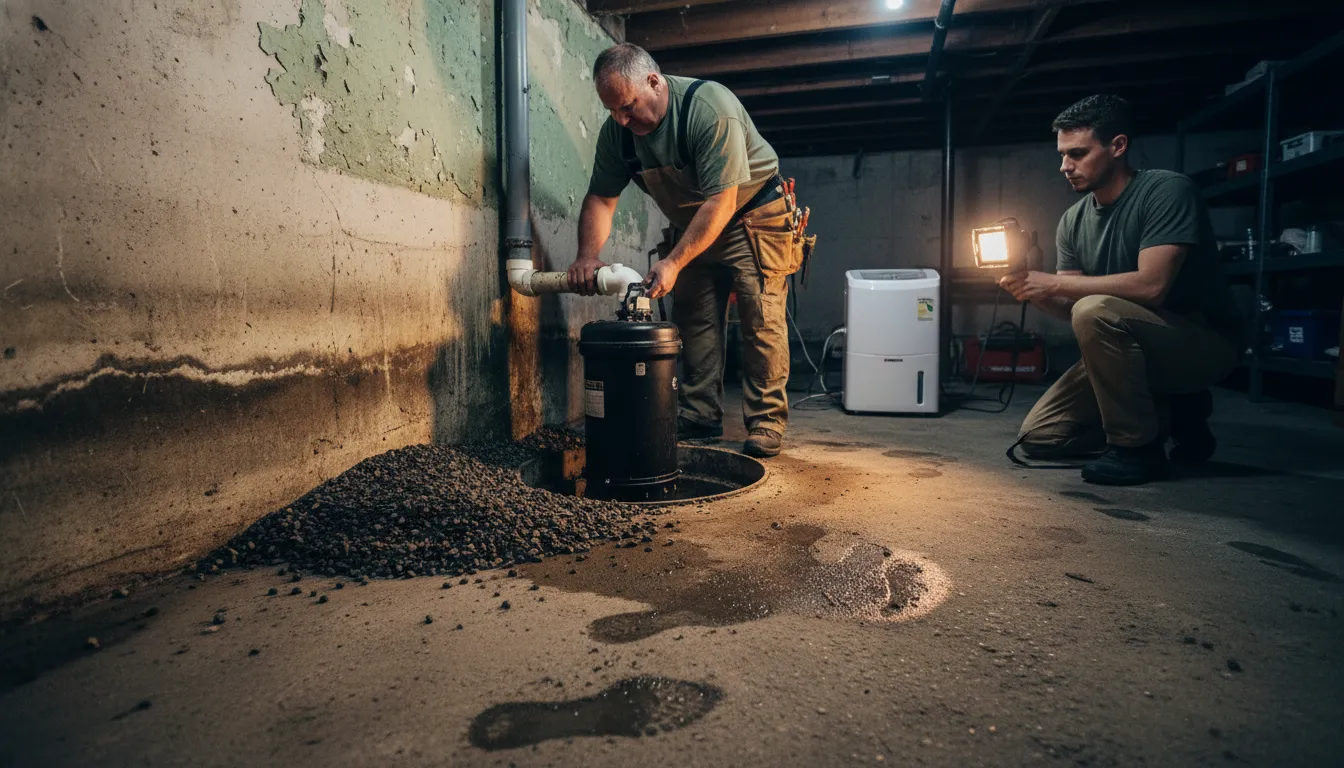
For homeowners in Wheaton, a reliable sump pump system isn't just an appliance-it's a critical line of defense for your basement and your property's foundation. The unique combination of the region's dense clay soil and high water tables creates persistent moisture challenges that can lead to hydrostatic pressure and flooding. A properly installed and maintained sump pump actively removes this accumulating groundwater, safeguarding your home from costly water damage and mold. This guide provides essential information on sump pump systems, local considerations, and how to connect with qualified professionals in Wheaton to ensure your home stays dry.
Keeley's Plumbing
270 Eisenhower Ln N #6, Lombard, IL 60148
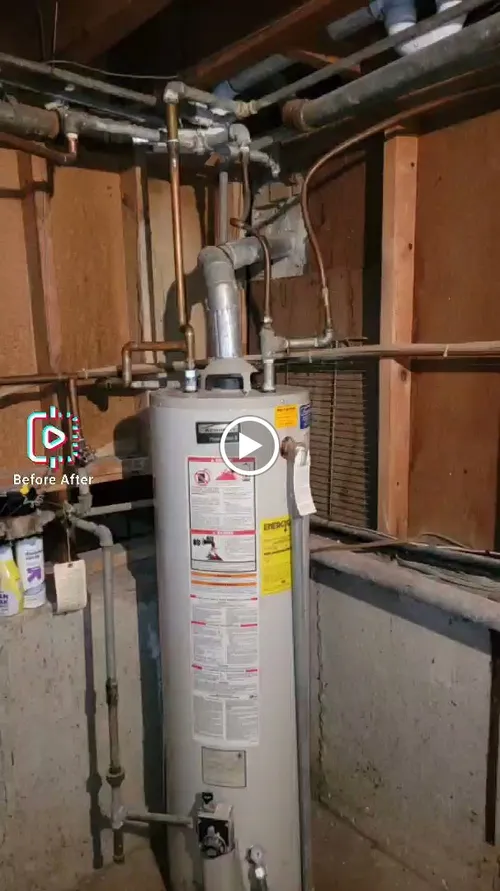
Keeley's Plumbing is a locally owned plumbing company serving Chicago, IL, and nearby areas including DuPage County. They provide a range of plumbing services for residential and commercial clients, including drain cleaning, sewer camera inspections, sewer line repair and replacement, repiping, water heater repair, sump pump repair, gas line installation, and hydro jetting. Keeley's Plumbing uses sewer camera inspections to accurately diagnose issues before recommending repairs. The company offers 24/7 emergency plumbing services and focuses on serving a limited area to maintain local code knowledge and reduce travel times.
Brilliant Plumbers: Sewage, Sump Pumps And Sewer
Chicago, IL
Brilliant Plumbers: Sewage, Sump Pumps and Sewer provides plumbing services in Chicago, IL, specializing in sump pump and sewer line repairs. The company is experienced in managing various plumbing projects with skill and professionalism. Since its founding, Brilliant Plumbers has built a reputation for quality work and efficiency.
Walsh & Son Plumbing and Sewer
Chicago, IL
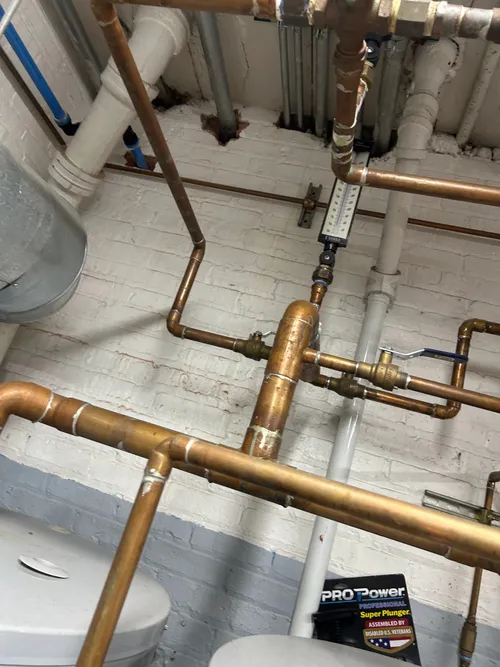
Walsh & Son Plumbing and Sewer is a licensed plumbing company serving Chicago, IL, and the surrounding Chicagoland area. Since 2013, this family- and woman-owned business has provided a range of plumbing services including sewer line repair, water heater installation and repair, sump pump maintenance, drain cleaning, leak detection, repiping, and gas line installation. Their team uses advanced technology for sewer camera inspections and offers a 10-year warranty on pipe installations, reflecting their commitment to durable workmanship. They also provide fast, same-day responses to plumbing issues and offer discounts for seniors, veterans, and first responders.
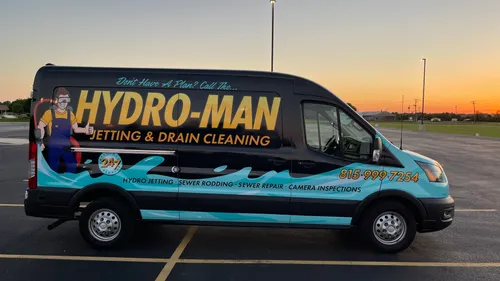
Hydro-Man Jetting & Drain Cleaning LLC.
15020 S Illinois St, Plainfield, IL 60544
Hydro-Man Jetting & Drain Cleaning LLC. is a family-owned plumbing company serving Chicago, IL, and surrounding areas. Founded in 2020 by a second-generation plumber, the company offers a range of services including hydro jetting, drain cleaning, sewer camera inspections, water heater repair and installation, and sump pump repair. They use advanced equipment owned in-house to provide precise diagnostics and effective solutions. Hydro-Man Jetting & Drain Cleaning LLC. also provides 24/7 emergency plumbing services to address urgent issues at any time.

Elite Sewer & Drain Inc.
9116 Kilpatrick Ave, Skokie, IL 60076
Elite Sewer & Drain Inc. is a family-owned plumbing company serving Chicago, IL, and the surrounding north side suburbs. They provide a range of services including water heater repair and installation, sump pump repair, drain cleaning, and hydro jetting. The company specializes in clearing clogs using hydro jetting technology, which effectively removes grease and buildup from drains. They also offer backflow preventer testing and pump installation services. Elite Sewer & Drain Inc. emphasizes honest and transparent service with same-day emergency availability.
Why Wheaton Homes Need Sump Pumps
The need for effective basement water management in Wheaton is driven by specific local environmental factors. Understanding these can help homeowners appreciate the importance of a functional sump pump system.
- Clay Soil and Poor Drainage: Northeastern Illinois, including Wheaton, is known for its dense clay soil. This type of soil absorbs water very slowly and drains poorly 1. When it rains or snow melts, water doesn't percolate down into the earth quickly. Instead, it saturates the ground around your home's foundation.
- High Water Table and Hydrostatic Pressure: This saturated soil leads to a high water table-the level at which the ground is fully saturated with water. As the water table rises, it creates hydrostatic pressure, which is the force of the water pushing against your basement walls and floor. Without relief, this pressure can force water through even tiny cracks, leading to seepage and flooding.
- Heavy Rainfall and Storm Events: Wheaton experiences its share of heavy spring rains and summer storms. These events can overwhelm the ground's ability to absorb water, causing rapid runoff and increasing the immediate risk of basement flooding 2. A sump pump is your home's primary tool for managing this sudden influx of water.
Components of a Sump Pump System
A complete sump pump installation involves more than just the pump itself. It's a system designed to collect and eject water efficiently from your property.
- Sump Pit: This is the cornerstone of the system-a hole (typically 18 inches wide and about 2 feet deep) dug at the lowest point of your basement floor. It collects incoming groundwater, which is then pumped out.
- The Pump: This is the workhorse. There are two primary types:
- Submersible Pump: The entire pump unit, including its motor, is designed to sit submerged in the water within the sump pit. These models are generally quieter, more efficient, and out of sight, making them a preferred choice for many homeowners 3.
- Pedestal Pump: In this design, the pump motor is mounted on a long pedestal (or stand) above the sump pit, with only the impeller extending down into the water. They are often more accessible for inspection and repair but tend to be louder 4.
- Discharge System: This includes the pipe that carries the pumped water away from your home. It's crucial that this line directs water to a proper drainage area, such as a storm sewer or a sloped area of your yard, to prevent it from simply flowing back toward your foundation.
- Check Valve: Installed on the discharge pipe, this one-way valve prevents water that has been pumped out from flowing back down into the sump pit once the pump turns off.
- Battery Backup: Perhaps the most critical add-on, a battery backup system provides power to your sump pump during a utility outage. Since power failures often coincide with severe storms-precisely when you need your pump the most-a backup is highly recommended for true reliability.
Understanding Sump Pump Installation and Repair Costs in Wheaton
Investing in a sump pump system involves several cost factors. While prices can vary based on the scope of work, pump type, and contractor, here is a general breakdown for the Wheaton area.
- Basic Installation (with existing pit): If your home already has a properly sized and functioning sump pit, installing a new pump typically ranges from $800 to $2,000+. This includes the pump unit, labor, and basic discharge setup.
- Full System Installation (new pit): For homes without an existing pit, the project requires excavation and concrete work. Installing a new sump pit, pump, and all related components can range from $1,500 to $3,500 or more.
- Pump Unit Cost: The pump itself can range from $100 for a basic pedestal model to over $1,000 for a high-capacity, durable submersible pump 5 6.
- Battery Backup System: Adding a quality battery backup to ensure operation during a power outage typically adds $300 to $1,000 to the total project cost 7.
- Labor: Professional labor for installation or major repair generally falls in the range of $400 to $1,200, depending on the job's complexity 8.
Find the perfect sump pump installation & repair companies for your needs
Get personalized recommendations and expert advice
The Importance of Professional Installation and Maintenance
While some homeowners may consider a DIY approach, professional installation and regular maintenance are key to long-term system reliability and home protection.
Why Professional Installation Matters: A certified plumber or waterproofing specialist ensures your system is correctly sized for your home's needs and the local water table 9. They will handle critical steps like installing a dedicated GFCI electrical outlet, ensuring proper grading of the discharge line, and verifying the check valve operates correctly. An improperly installed pump can fail when you need it most or even cause electrical hazards.
Essential Maintenance for Wheaton Homeowners: Regular, simple maintenance can extend the life of your pump and prevent surprises.
- Regular Testing: The most important task is to test your pump every few months, especially before rainy seasons. Simply pour a bucket of water into the sump pit. The pump should activate automatically, pump out the water efficiently, and shut off when finished.
- Annual Inspection: At least once a year, unplug the pump and inspect the pit. Remove any debris, silt, or small stones that may have accumulated, as these can clog the pump or the float switch 10 11.
- Check the Discharge Line: Ensure the outdoor discharge point is clear of leaves, dirt, or ice buildup, which can cause water to back up.
- Listen for Unusual Noises: Grinding, rattling, or constant running can indicate a worn impeller, a stuck switch, or other mechanical issues that require professional attention 12.
When to Repair or Replace Your Sump Pump
Knowing when to call a professional for service can prevent a minor issue from becoming a major flood.
Signs You Need Repair:
- The pump fails to turn on during your water test.
- It runs continuously without shutting off.
- It cycles on and off too frequently.
- You hear unusual noises like grinding or rattling.
- Visible rust or corrosion on the pump or in the pit.
- Water is not being pumped away effectively.
When Replacement is the Better Option: Consider replacing your sump pump if:
- It is 10-15 years old, even if it seems to be working. Proactive replacement is more affordable than emergency flood cleanup 13 14.
- Repairs are becoming frequent and costly.
- Your home's water management needs have changed (e.g., you've finished the basement, or notice more frequent water intrusion).
- You are upgrading from a pedestal to a quieter, more efficient submersible model or adding a battery backup system.
For Wheaton residents, a dependable sump pump is a non-negotiable component of home maintenance. By understanding your home's specific needs, investing in quality equipment and professional service, and committing to simple upkeep, you can achieve peace of mind knowing your basement is protected from the area's challenging moisture conditions.
Frequently asked questions
Sources
Footnotes
-
Sump Pumps Wheaton IL | Armbrust Plumbing & Heating - https://trustarmbrust.com/sump-pumps-wheaton-il/ ↩
-
Sump Pump Installation in Wheaton - Everseal Basement - https://eversealbasement.com/sump-pump-installation-in-wheaton/ ↩
-
Sump Pump Services in Southern Illinois - A & W Plumbing - https://www.awplumbingil.com/plumbing/sump-pumps/ ↩
-
Sump Pump Services | Downers Grove, IL - https://www.stephenspandh.com/sump-pumps ↩
-
Sump Pump Installation Cost Breakdown - Swift Plumbing & Heating - https://www.swiftplumb.com/blog/plumbing-service/the-cost-of-installing-a-sump-pump-what-to-expect/ ↩
-
#1 Sump Pump Installation Chicago Loop IL Service - J Sewer - https://www.jsewerandplumbing.com/geo-sump-pump-installation-chicago-loop-il/ ↩
-
Basement Sump Pumps: Types, Costs, and Maintenance - https://www.arkbasementservices.com/basement-sump-pumps-types-costs-and-maintenance/ ↩
-
How Much Does Sump Pump Installation Cost? 5 Factors - https://freedomplumbingmidwest.com/sump-pump-installation-cost/ ↩
-
Wheaton Sump Pump Installation & Replacement Services - https://www.jimwagnerplumbing.com/wheaton-plumber/sump-pumps-installation/ ↩
-
Basement Sump Pump Installation | Protect Your Basement - Helitech - https://helitechonline.com/services/waterproofing/sump-pumps/ ↩
-
Sump Pump Installation Cost Guide | 2026 Prices & Factors - https://modernize.com/foundations/basement-waterproofing/sump-pump-installation-cost ↩
-
Sump Pump Repair & Maintenance in Wheaton, IL - https://onestoppro.com/sump-pump-services-wheaton/ ↩
-
Wheaton IL Flooding Worries: Sump Pump Installation - https://precisiontoday.com/blog/wheaton-il-flooding-worries-sump-pump-installation/ ↩
-
Sump Pumps Warrenville, IL | Winfield, W Chicago, Wheaton, N ... - https://www.plumbingbackflownaperville.com/services/sump-pumps/ ↩