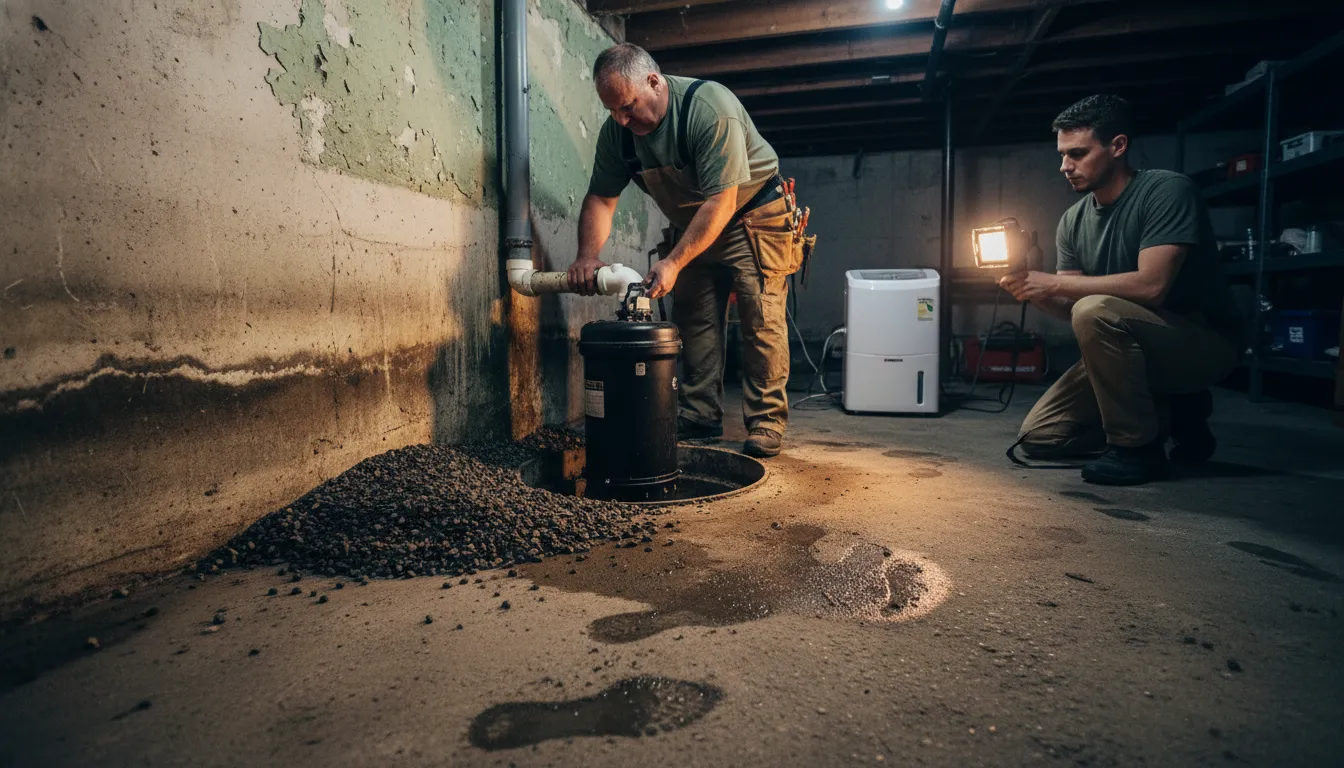
Find the Best Sump Pump Installation & Repair Companies for Your Business
No obligation • Fast responses • Nationwide coverage

Why you can trust Search a Plumber
Search a Plumber is a leading United States resource for finding and evaluating professional plumbing services. Our team researches licensing, experience, and customer feedback to create unbiased, fact-driven overviews. Companies cannot pay to change ratings or placement, ensuring homeowners get trustworthy information.
Search providers near you
Best Sump Pump Installation & Repair Companies in Illinois Ranked
A reliable sump pump is a critical line of defense for Illinois homeowners, protecting basements and foundations from costly water damage. This system actively manages groundwater, a common challenge in the state, by collecting and ejecting water away from your home. Finding a qualified local professional for installation, maintenance, or repair is essential to ensure your property stays dry and secure year-round.
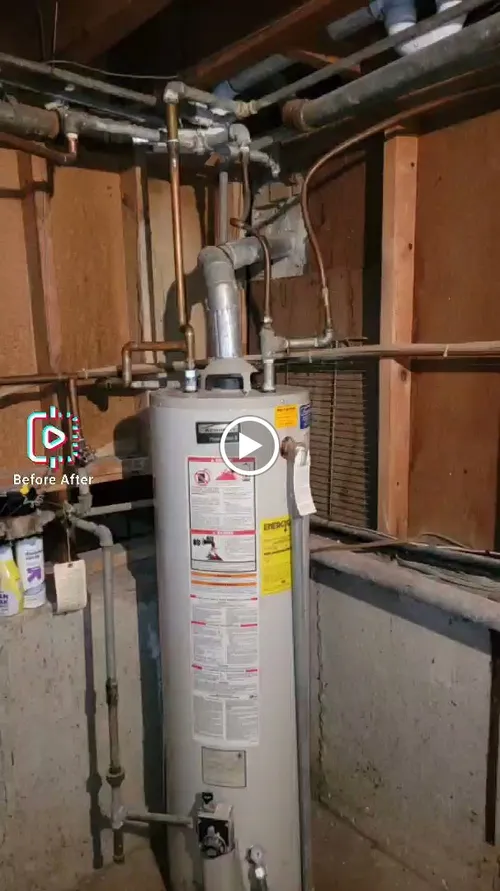
Keeley's Plumbing
270 Eisenhower Ln N #6, Lombard, IL 60148
Keeley's Plumbing is a locally owned plumbing company serving Chicago, IL, and nearby areas including DuPage County. They provide a range of plumbing services for residential and commercial clients, including drain cleaning, sewer camera inspections, sewer line repair and replacement, repiping, water heater repair, sump pump repair, gas line installation, and hydro jetting. Keeley's Plumbing uses sewer camera inspections to accurately diagnose issues before recommending repairs. The company offers 24/7 emergency plumbing services and focuses on serving a limited area to maintain local code knowledge and reduce travel times.
Brilliant Plumbers: Sewage, Sump Pumps And Sewer
Chicago, IL
Brilliant Plumbers: Sewage, Sump Pumps and Sewer provides plumbing services in Chicago, IL, specializing in sump pump and sewer line repairs. The company is experienced in managing various plumbing projects with skill and professionalism. Since its founding, Brilliant Plumbers has built a reputation for quality work and efficiency.
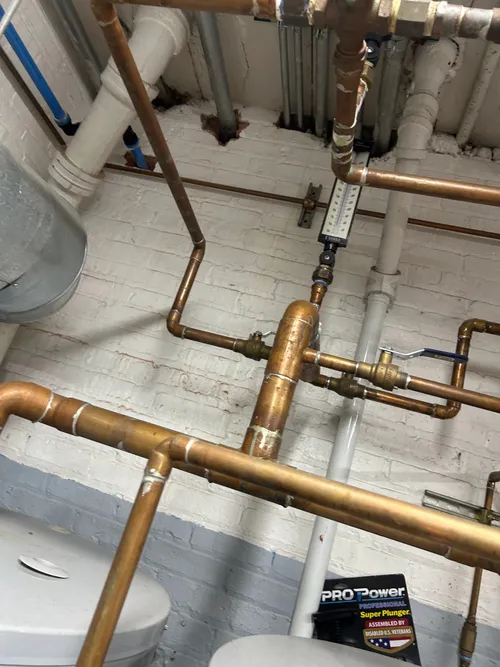
Walsh & Son Plumbing and Sewer
Chicago, IL
Walsh & Son Plumbing and Sewer is a licensed plumbing company serving Chicago, IL, and the surrounding Chicagoland area. Since 2013, this family- and woman-owned business has provided a range of plumbing services including sewer line repair, water heater installation and repair, sump pump maintenance, drain cleaning, leak detection, repiping, and gas line installation. Their team uses advanced technology for sewer camera inspections and offers a 10-year warranty on pipe installations, reflecting their commitment to durable workmanship. They also provide fast, same-day responses to plumbing issues and offer discounts for seniors, veterans, and first responders.
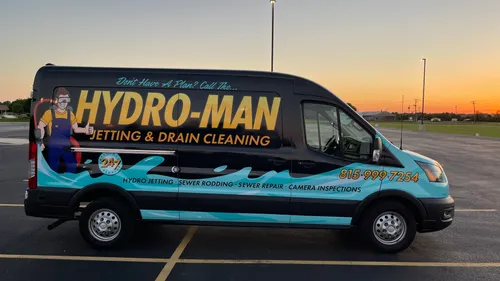
Hydro-Man Jetting & Drain Cleaning LLC.
15020 S Illinois St, Plainfield, IL 60544
Hydro-Man Jetting & Drain Cleaning LLC. is a family-owned plumbing company serving Chicago, IL, and surrounding areas. Founded in 2020 by a second-generation plumber, the company offers a range of services including hydro jetting, drain cleaning, sewer camera inspections, water heater repair and installation, and sump pump repair. They use advanced equipment owned in-house to provide precise diagnostics and effective solutions. Hydro-Man Jetting & Drain Cleaning LLC. also provides 24/7 emergency plumbing services to address urgent issues at any time.
Elite Sewer & Drain Inc.
9116 Kilpatrick Ave, Skokie, IL 60076
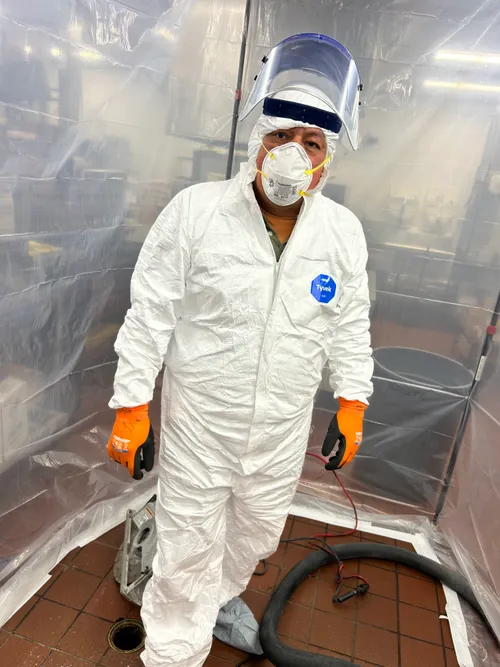
Elite Sewer & Drain Inc. is a family-owned plumbing company serving Chicago, IL, and the surrounding north side suburbs. They provide a range of services including water heater repair and installation, sump pump repair, drain cleaning, and hydro jetting. The company specializes in clearing clogs using hydro jetting technology, which effectively removes grease and buildup from drains. They also offer backflow preventer testing and pump installation services. Elite Sewer & Drain Inc. emphasizes honest and transparent service with same-day emergency availability.
How Sump Pumps Protect Illinois Homes
In Illinois, a high water table means groundwater is a constant concern for foundations. A sump pump system is designed to manage this water effectively. It typically consists of a sump pit dug into the lowest part of a basement or crawlspace, connected to a network of perforated drain tiles (often called drain tile) that collect water from around the foundation. When water fills the pit to a certain level, the pump activates automatically, discharging the water through a pipe to a safe distance from the house.
This process is vital for more than just avoiding puddles. A functioning sump pump prevents persistent basement moisture, which is the primary cause of mold growth 1. Mold can damage stored belongings, degrade building materials, and negatively impact indoor air quality. Furthermore, consistent water pressure against foundation walls can lead to cracks and structural damage over time. By controlling groundwater, your sump pump safeguards your home's integrity, your health, and your property's value.
Types of Sump Pumps: Pedestal vs. Submersible
When considering a new installation or replacement, you'll typically choose between two main types of pumps: pedestal and submersible. Each has distinct advantages suited to different needs and budgets.
Pedestal Pumps:
- Design: The motor is mounted on a long, vertical column (pedestal) that sits above the sump pit, with only the intake pipe extending into the water.
- Pros: Generally less expensive to purchase. The motor is easier to access for inspection and simple maintenance because it's not submerged.
- Cons: Tends to be noisier during operation and is often less powerful than a comparable submersible model. Its lifespan may be shorter due to increased exposure to air and dust.
Submersible Pumps:
- Design: The entire pump and motor unit is sealed and designed to operate while fully submerged in the sump pit.
- Pros: Much quieter operation, as the water muffles sound. Typically more powerful and efficient at moving water. Often has a longer lifespan due to being cooled by the water it pumps. The sealed design protects internal components 2.
- Cons: Higher initial purchase cost. Can be more challenging to service because the unit must be removed from the pit.
The right choice depends on your specific situation, including the size of your basement, the volume of water you need to manage, noise sensitivity, and budget.
The Critical Need for Backup Systems
A primary sump pump is useless during a power outage-precisely when heavy storms often strike. For Illinois residents, a backup system is not a luxury; it's a crucial component of a complete flood prevention strategy.
The most common backup is a battery-powered sump pump. This secondary pump installs in the same pit and activates if the primary pump fails or loses power. Battery backups typically add $200 to $1,000+ to an installation project, depending on the battery's capacity and quality 3 4. It's a worthwhile investment to ensure continuous protection. Some homeowners opt for more advanced backup systems, such as water-powered pumps that use municipal water pressure, though these have specific installation requirements.
Find the perfect sump pump installation & repair companies for your needs
Get personalized recommendations and expert advice
Understanding Sump Pump Installation
Professional installation is key to a system that works correctly for years. The process involves more than just dropping a pump into a hole.
Typical Installation Steps:
- Assessment & Planning: A technician evaluates your basement, identifies water entry points, and determines the optimal location for the pit.
- Excavation: If a pit doesn't exist, concrete is cut and a hole is dug to the proper depth. This can be a significant part of the labor cost, especially if drainage tile also needs to be installed or repaired.
- Pump & Pit Liner Placement: A durable plastic liner is placed in the hole to prevent collapse. The pump is then positioned and leveled correctly.
- Plumbing & Electrical: Discharge piping is run and securely attached, directing water to an appropriate drainage area. A dedicated electrical circuit with a GFCI outlet is typically installed for safe, reliable power 5.
- Testing & Final Check: The system is tested to ensure the pump activates at the right water level, discharges properly, and the check valve (which prevents backflow) functions.
Recognizing When You Need Repair or Replacement
Even well-maintained pumps will eventually need service. Addressing problems quickly can prevent a minor repair from turning into a major basement flood.
Common Signs of a Failing Sump Pump:
- Constant Running: The pump runs continuously, even during dry weather, which can burn out the motor.
- Failure to Start: Water rises in the pit, but the pump does not activate.
- Unusual Noises: Grinding, rattling, or screeching sounds indicate worn or damaged parts.
- Excessive Vibration: Could signal a misaligned impeller or an issue with the pump mount.
- Old Age: Most pumps have a service life of 7-10 years. If yours is in this range, proactive replacement may be wiser than waiting for a failure 6.
Frequent Repair Issues:
- Stuck or Faulty Float Switch: This is the component that triggers the pump to turn on and off. It can get jammed or fail.
- Clogged Intake Screen or Discharge Line: Debris can block water flow, causing the pump to work inefficiently or overheat.
- Power Problems: A tripped circuit breaker, faulty outlet, or damaged power cord.
- Check Valve Failure: A broken check valve allows discharged water to flow back into the pit, causing the pump to cycle on and off rapidly.
Cost Guide for Sump Pump Services in Illinois
Costs can vary based on the scope of work, pump type, and your location within the state. Here's a general breakdown of what to expect:
- Pump Unit: $100 for a basic pedestal model to $600+ for a high-capacity submersible pump.
- Labor for Installation: $400 to $1,200+, depending on the complexity. A simple replacement in an existing pit is on the lower end, while a full new installation with excavation is on the higher end.
- Excavation & Pit Work: If a new pit needs to be dug or drainage tile installed, this can add $300 to $800 or more to the project cost.
- Battery Backup System: Adds approximately $200 to $1,000+ to the total installation price.
- Typical Total Installation Cost: For a standard submersible pump installation in an existing pit, homeowners can expect to pay between $800 and $2,000 7 8. For a complete new system requiring excavation, costs can range from $2,000 to $4,000+ 9 10.
- Repair Costs: Repairs are often more affordable, typically involving service call fees plus parts. Timely repairs are almost always less expensive than dealing with the aftermath of a flood 11.
Maintenance Tips for a Healthy System
A little routine maintenance can greatly extend the life of your sump pump and give you peace of mind.
- Test Regularly: Pour a bucket of water into the pit to ensure the pump activates, rises with the water, and shuts off properly.
- Clean the Pit: Periodically remove any dirt, gravel, or debris that has accumulated in the sump pit, as it can clog the pump.
- Inspect the Discharge Line: Ensure the outdoor discharge point is clear of leaves, dirt, and ice, and that water flows away from your foundation.
- Check the Check Valve: Listen for a "thump" when the pump turns off, indicating the valve is working to prevent backflow.
- Battery Backup Care: If you have a battery system, test it according to the manufacturer's instructions and replace the battery every 2-3 years.
Frequently asked questions
Sources
Footnotes
-
Arlington Heights IL Sump Pump Repair Install Services - https://www.fairplumber.com/arlington-heights-il-sump-pump-repair-install-services ↩
-
Basement Sump Pumps: Types, Costs, and Maintenance - https://www.arkbasementservices.com/basement-sump-pumps-types-costs-and-maintenance/ ↩
-
Sump Pump Installation & Repair in Arlington Heights IL - https://www.sandjplumbing.com/sump-pump-repair-installation/ ↩
-
A Comprehensive Guide to Sump Pumps for Chicago Properties - https://www.chicagosewerexperts.com/a-comprehensive-guide-to-sump-pumps-for-chicago-properties/ ↩
-
Expert Sump Pump Installation Schiller Park IL Service - https://www.jsewerandplumbing.com/geo-sump-pump-installation-schiller-park-il/ ↩
-
Sump Pump Installation in Mount Prospect - Intelligent Service - https://www.intelligentservice.com/plumbing/sump-pumps/ ↩
-
How Much Does Sump Pump Installation Cost? 5 Factors - https://freedomplumbingmidwest.com/sump-pump-installation-cost/ ↩
-
Expert Sump Pump Repair & Replacement in Chicago - https://www.permaseal.net/services/sump-pump-installation-replacement ↩
-
How Much Does a Sump Pump Cost in Central Illinois? - https://nabhanplumbing.com/sump-pump-cost-central-illinois/ ↩
-
Sump Pump Installation Cost Guide | 2026 Prices & Factors - https://modernize.com/foundations/basement-waterproofing/sump-pump-installation-cost ↩
-
Best Sump Pump Installation Cicero IL Service - https://www.jsewerandplumbing.com/geo-sump-pump-installation-cicero-il/ ↩