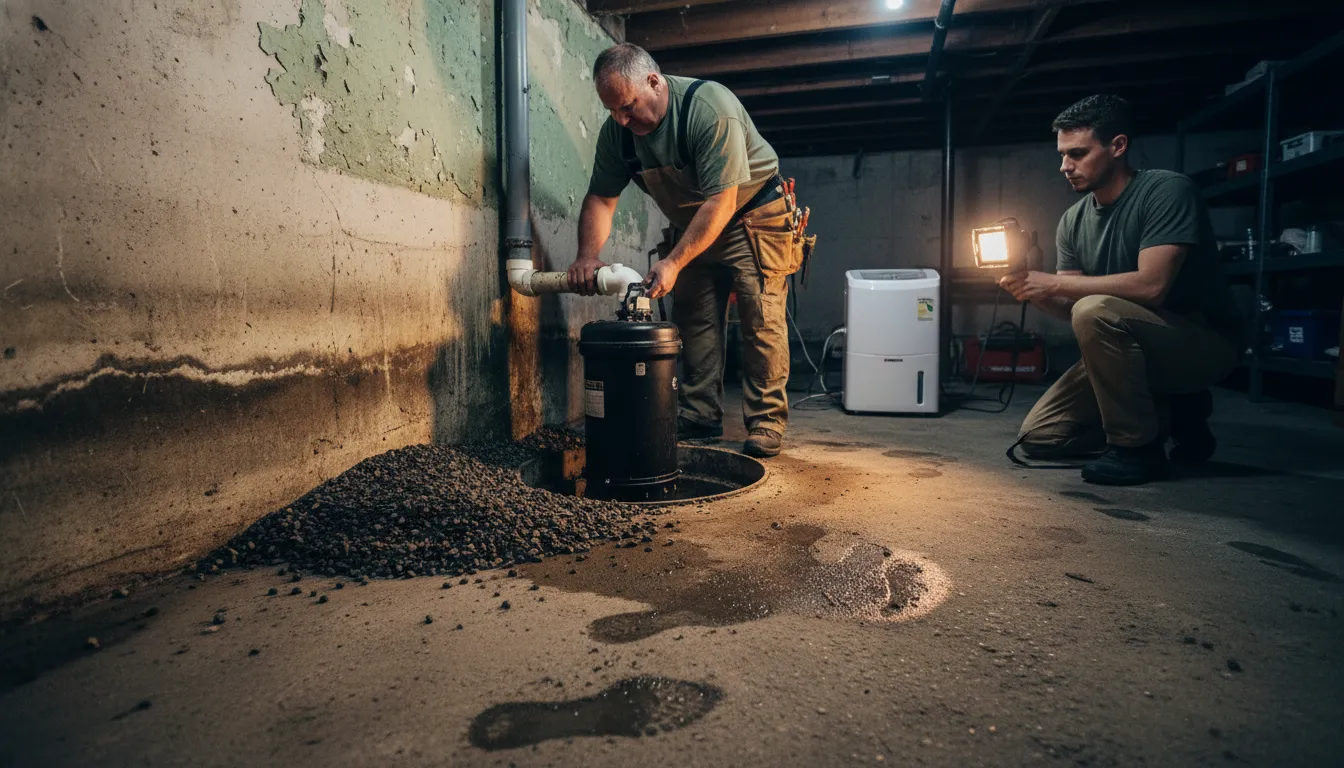
Find the Best Sump Pump Installation & Repair Companies for Your Business
No obligation • Fast responses • Nationwide coverage

Why you can trust Search a Plumber
Search a Plumber is a leading United States resource for finding and evaluating professional plumbing services. Our team researches licensing, experience, and customer feedback to create unbiased, fact-driven overviews. Companies cannot pay to change ratings or placement, ensuring homeowners get trustworthy information.
Search providers near you
Top Sump Pump Installation & Repair Companies in Naperville, Illinois Ranked
For homeowners in Naperville, a reliable sump pump system is a critical line of defense against basement flooding and water damage. The city's unique combination of clay soil and a high water table means groundwater accumulation is a persistent threat, especially during seasonal heavy rains and spring thaws. This guide provides essential information on sump pump services, from selecting the right type of pump to understanding common repairs and installation best practices, helping you connect with qualified local professionals to protect your property.
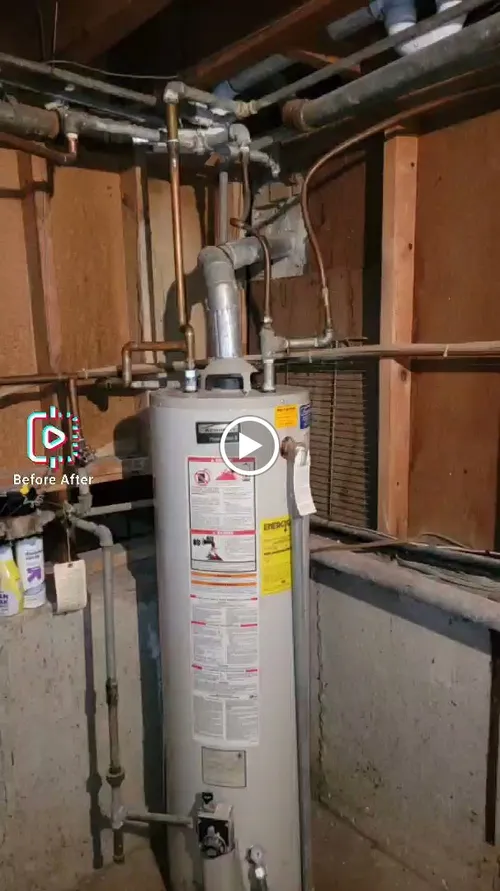
Keeley's Plumbing
270 Eisenhower Ln N #6, Lombard, IL 60148
Keeley's Plumbing is a locally owned plumbing company serving Chicago, IL, and nearby areas including DuPage County. They provide a range of plumbing services for residential and commercial clients, including drain cleaning, sewer camera inspections, sewer line repair and replacement, repiping, water heater repair, sump pump repair, gas line installation, and hydro jetting. Keeley's Plumbing uses sewer camera inspections to accurately diagnose issues before recommending repairs. The company offers 24/7 emergency plumbing services and focuses on serving a limited area to maintain local code knowledge and reduce travel times.
Brilliant Plumbers: Sewage, Sump Pumps And Sewer
Chicago, IL
Brilliant Plumbers: Sewage, Sump Pumps and Sewer provides plumbing services in Chicago, IL, specializing in sump pump and sewer line repairs. The company is experienced in managing various plumbing projects with skill and professionalism. Since its founding, Brilliant Plumbers has built a reputation for quality work and efficiency.
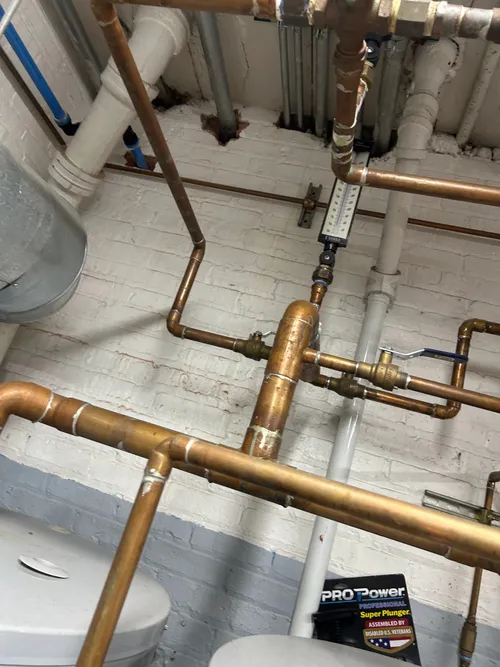
Walsh & Son Plumbing and Sewer
Chicago, IL
Walsh & Son Plumbing and Sewer is a licensed plumbing company serving Chicago, IL, and the surrounding Chicagoland area. Since 2013, this family- and woman-owned business has provided a range of plumbing services including sewer line repair, water heater installation and repair, sump pump maintenance, drain cleaning, leak detection, repiping, and gas line installation. Their team uses advanced technology for sewer camera inspections and offers a 10-year warranty on pipe installations, reflecting their commitment to durable workmanship. They also provide fast, same-day responses to plumbing issues and offer discounts for seniors, veterans, and first responders.
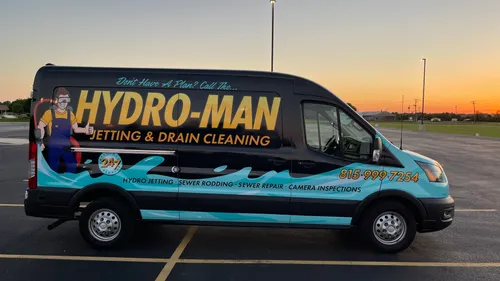
Hydro-Man Jetting & Drain Cleaning LLC.
15020 S Illinois St, Plainfield, IL 60544
Hydro-Man Jetting & Drain Cleaning LLC. is a family-owned plumbing company serving Chicago, IL, and surrounding areas. Founded in 2020 by a second-generation plumber, the company offers a range of services including hydro jetting, drain cleaning, sewer camera inspections, water heater repair and installation, and sump pump repair. They use advanced equipment owned in-house to provide precise diagnostics and effective solutions. Hydro-Man Jetting & Drain Cleaning LLC. also provides 24/7 emergency plumbing services to address urgent issues at any time.
Elite Sewer & Drain Inc.
9116 Kilpatrick Ave, Skokie, IL 60076
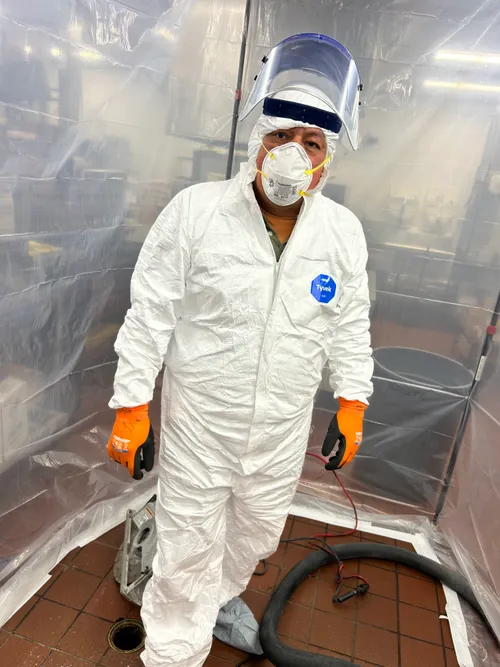
Elite Sewer & Drain Inc. is a family-owned plumbing company serving Chicago, IL, and the surrounding north side suburbs. They provide a range of services including water heater repair and installation, sump pump repair, drain cleaning, and hydro jetting. The company specializes in clearing clogs using hydro jetting technology, which effectively removes grease and buildup from drains. They also offer backflow preventer testing and pump installation services. Elite Sewer & Drain Inc. emphasizes honest and transparent service with same-day emergency availability.
Why Naperville Homes Need Sump Pumps
The geology beneath Naperville presents a specific challenge for homeowners. The prevalent clay soil is dense and has poor drainage, which prevents surface water from percolating down quickly 1. This is compounded by a naturally high water table, meaning the level of saturated ground is often close to the surface. During periods of heavy precipitation or rapid snowmelt, this water has nowhere to go but towards the lowest point-your basement or crawl space. Without an effective water evacuation system, this can lead to flooding, which causes costly damage to foundations, drywall, flooring, and personal belongings, and creates an environment conducive to mold growth 2. A properly installed and maintained sump pump is the most effective solution to actively manage this water and direct it safely away from your home's foundation.
Types of Sump Pump Systems
Choosing the right pump is the first step toward a dry basement. The two primary configurations are submersible and pedestal pumps, each with distinct advantages.
- Submersible Pumps: These units are designed to operate while fully submerged in the sump pit. They are typically quieter than pedestal models because the water muffles the sound of the motor. Their enclosed design also makes them less obtrusive and protects internal components from dust and debris. For these reasons, submersible pumps are a popular choice for finished basements or living areas adjacent to the sump pit.
- Pedestal Pumps: In this design, the motor is mounted on a long, vertical shaft (the pedestal) that sits above the water level in the sump pit, with only the impeller housing submerged. The float switch is usually visible on the shaft. These pumps are often more accessible for simple maintenance and may have a longer motor life since it stays dry. They are a common choice for narrower pits and are generally less expensive.
- Battery Backup Systems: This is not a type of pump but an absolutely critical add-on for any primary sump pump in Naperville. Severe storms that cause flooding are often the same events that lead to power outages. A battery backup system provides a secondary pump that kicks in when the main pump loses power, ensuring your basement remains protected during the most critical times 3. These systems typically add $300 to $600+ to an installation project.
- Water Management Systems: Effective sump pumps often work in concert with perimeter drainage systems like French drains or drain tile. These networks of perforated pipes are installed around the foundation's footing to collect incoming groundwater and channel it directly into the sump pit, where the pump can then eject it 4.
The Installation Process: What to Expect
Professional sump pump installation is more than just dropping a pump into a hole. A proper installation ensures long-term reliability and compliance with local codes.
- Sump Pit Excavation: A correctly sized pit (typically 18-24 inches in diameter and 24-36 inches deep) is dug in the lowest area of the basement or crawl space. The pit is often lined with a durable plastic or concrete liner to prevent collapse and allow water to flow in.
- Pump Placement & Plumbing: The pump is placed in the pit. A check valve is installed on the discharge pipe above the pump to prevent ejected water from flowing back into the pit once the pump cycles off. The discharge pipe is then routed horizontally and up through the basement wall or floor joists.
- Discharge Line Routing: This is a crucial step. The pipe must carry water at least 10 to 20 feet away from the home's foundation to prevent recirculation. For Naperville winters, this exterior portion of the discharge line must be insulated or configured to prevent freezing, which can block the pipe and cause pump failure.
- Electrical & Testing: The pump is connected to a dedicated GFCI outlet. The float switch mechanism is adjusted to the correct activation level, and the entire system is tested by pouring water into the pit to ensure it activates, pumps efficiently, and shuts off properly.
A standard installation can take a professional crew 4 to 8 hours, while more complex setups involving new drainage or battery backups will take longer.
Find the perfect sump pump installation & repair companies for your needs
Get personalized recommendations and expert advice
Common Repairs and Maintenance
Even the best sump pumps require occasional attention. Most units have a lifespan of 7 to 10 years. Being aware of common failure points can help you address issues before they lead to a flood.
- Float Switch Failure: This is the most common point of failure. The float switch acts as the "trigger" that tells the pump to turn on when water rises. It can become stuck on the pump housing, tangled in debris, or simply wear out. Symptoms include a pump that runs continuously or fails to turn on at all. Repair or replacement typically costs between $150 and $300.
- Clogged Discharge Line or Check Valve: The discharge line can become blocked by ice, dirt, or debris, preventing water from exiting. Similarly, a failed check valve will cause water to flow back into the pit, making the pump cycle incessantly. Clearing a line or replacing a check valve are common repairs in the $150 to $400 range 5.
- Motor Burnout: If a pump is overworked, has a mechanical defect, or is simply old, the motor can fail. Often, if the pump is near or past its expected lifespan, a full replacement is more cost-effective than repairing an old motor.
- Battery Backup Issues: Backup systems require their own maintenance. The battery (usually a deep-cycle marine battery) needs to be tested regularly and typically replaced every 3-5 years. The backup pump's float switch and charger should also be checked during routine service 6.
Proactive maintenance is key. An annual inspection and tune-up, ideally before the wet spring season, should include cleaning the pit of silt and debris, testing the float switch for free movement, verifying the pump activates, inspecting the check valve, and testing the battery backup system. This small investment can prevent a catastrophic failure.
Understanding Service Costs in Naperville
Costs for sump pump services in Naperville vary based on the scope of work, pump type, and system complexity.
- New Installation: For a standard submersible or pedestal pump with a new pit liner and basic discharge line, homeowners can expect to invest between $800 and $2,500. This range includes the pump, materials, and labor. Factors that increase cost include the need for extensive excavation, connecting to existing drain tile, or navigating a difficult discharge route.
- Battery Backup Addition: Adding a quality battery backup system to an existing installation or as part of a new one generally adds $300 to $600 or more to the total project cost, depending on the battery capacity and unit quality 7.
- Repair Services: Most common repairs, such as fixing a stuck float switch, unclogging a line, or replacing a check valve, fall in the range of $150 to $600 8 9. The final price depends on the specific part needing replacement and the labor involved.
It's important to view these services as an investment in protecting your home's value and avoiding the significantly higher costs and stress associated with basement flood cleanup and damage repair.
Frequently asked questions
Sources
Footnotes
-
Sump Pump Installation & Repair In Chicago, Naperville & Buffalo Grove, IL | Green Air Care - https://greenaircare.com/plumbing/sump-pumps/ ↩
-
Sump Pump Servicing Downers Grove, Wheaton and Naperville - https://compassplumbingil.com/services/sump-pump/ ↩
-
Sump Pumps - Naperville - https://www.naperville.il.us/globalassets/media/projects/stormwater/brochure-documents/sump-pump-101.pdf ↩
-
Naperville Sump Pump Replacement, Installation & Repair Services - https://www.jimwagnerplumbing.com/naperville-plumbers/sump-pump-install/ ↩
-
Sump Pumps | Elmhurst, IL & Naperville, IL | Energy Services - https://www.energyserv.com/residential-plumbing-services/sump-pumps/ ↩
-
Sump Pump Repair & Tune Up - Naperville, IL | TR Miller Plumbing - https://www.trmillerheatingandcooling.com/naperville/plumbing/sump-pumps/ ↩
-
Sump Pump Service Naperville | MAS Plumbing Inc - https://masplumbing.com/sump-pump-service-naperville/ ↩
-
Naperville IL Sump Pump Repairs - https://www.napervillesumppump.com/ ↩
-
Sump Pump Installation | Repair | Naperville, IL - https://lacassaplumbing.com/naperville-sump-pump-installation-repair/ ↩