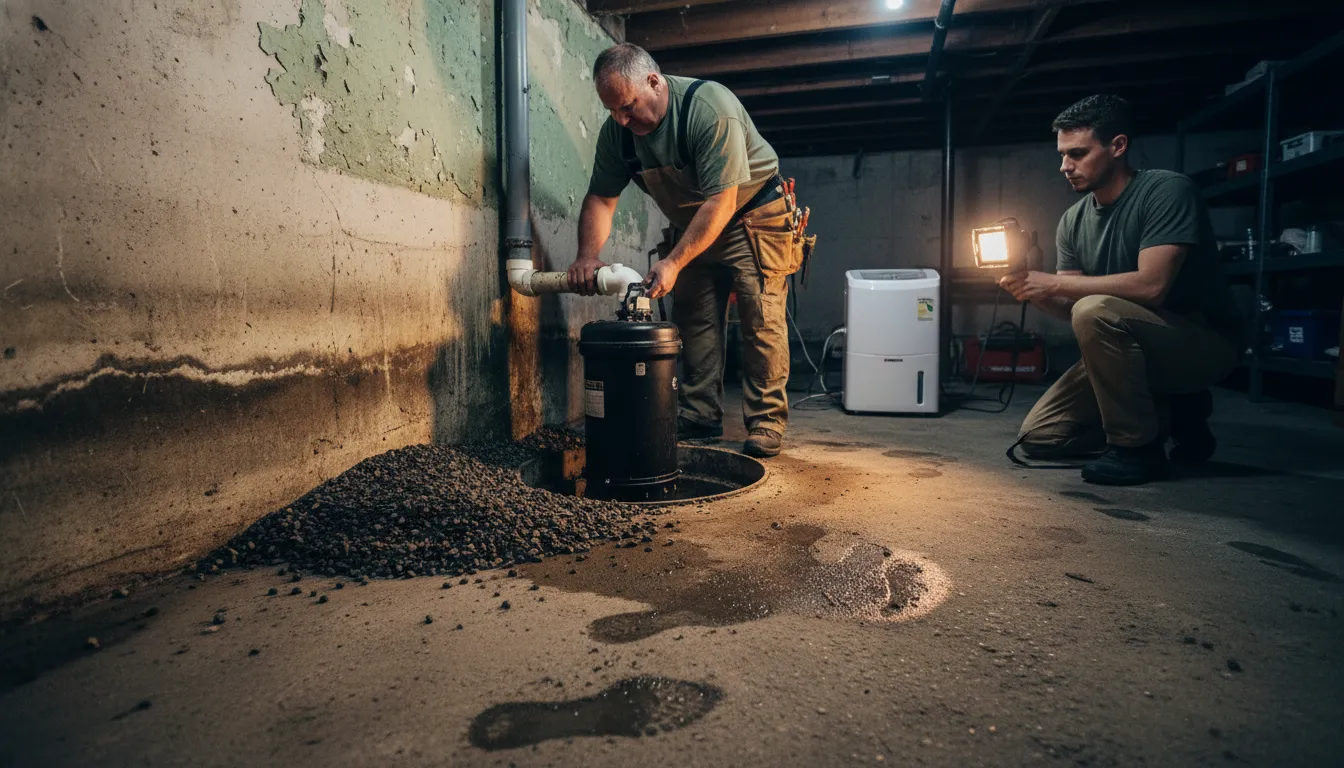
Find the Best Sump Pump Installation & Repair Companies for Your Business
No obligation • Fast responses • Nationwide coverage

Why you can trust Search a Plumber
Search a Plumber is a leading United States resource for finding and evaluating professional plumbing services. Our team researches licensing, experience, and customer feedback to create unbiased, fact-driven overviews. Companies cannot pay to change ratings or placement, ensuring homeowners get trustworthy information.
Search providers near you
Top Sump Pump Installation & Repair Companies in Lombard, Illinois Ranked
A sump pump is a critical defense system for your Lombard home, actively managing groundwater to prevent basement flooding and water damage. Given the area's high water table and clay-rich soil, a properly installed and maintained sump pump is not just an upgrade-it's often a necessity for a dry, healthy foundation. This guide will help you understand the local considerations, system types, and professional processes involved in protecting your property, so you can make informed decisions when seeking service.
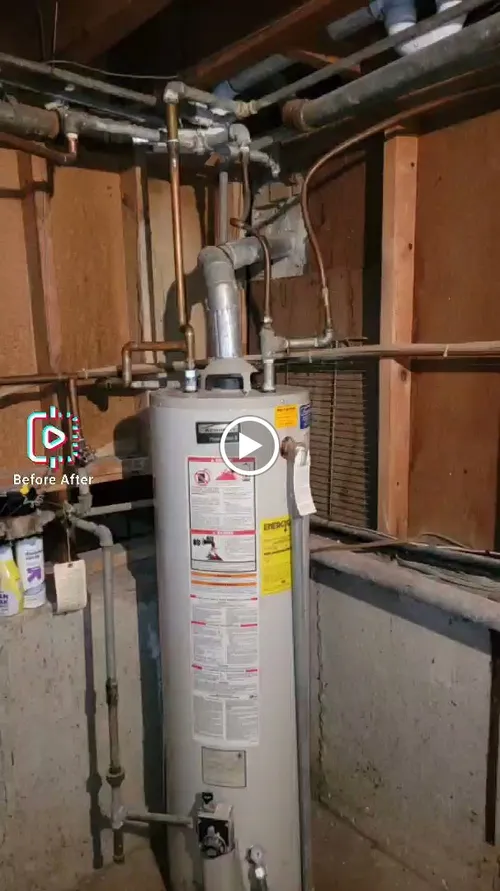
Keeley's Plumbing
270 Eisenhower Ln N #6, Lombard, IL 60148
Keeley's Plumbing is a locally owned plumbing company serving Chicago, IL, and nearby areas including DuPage County. They provide a range of plumbing services for residential and commercial clients, including drain cleaning, sewer camera inspections, sewer line repair and replacement, repiping, water heater repair, sump pump repair, gas line installation, and hydro jetting. Keeley's Plumbing uses sewer camera inspections to accurately diagnose issues before recommending repairs. The company offers 24/7 emergency plumbing services and focuses on serving a limited area to maintain local code knowledge and reduce travel times.
Brilliant Plumbers: Sewage, Sump Pumps And Sewer
Chicago, IL
Brilliant Plumbers: Sewage, Sump Pumps and Sewer provides plumbing services in Chicago, IL, specializing in sump pump and sewer line repairs. The company is experienced in managing various plumbing projects with skill and professionalism. Since its founding, Brilliant Plumbers has built a reputation for quality work and efficiency.
Walsh & Son Plumbing and Sewer
Chicago, IL
Walsh & Son Plumbing and Sewer is a licensed plumbing company serving Chicago, IL, and the surrounding Chicagoland area. Since 2013, this family- and woman-owned business has provided a range of plumbing services including sewer line repair, water heater installation and repair, sump pump maintenance, drain cleaning, leak detection, repiping, and gas line installation. Their team uses advanced technology for sewer camera inspections and offers a 10-year warranty on pipe installations, reflecting their commitment to durable workmanship. They also provide fast, same-day responses to plumbing issues and offer discounts for seniors, veterans, and first responders.
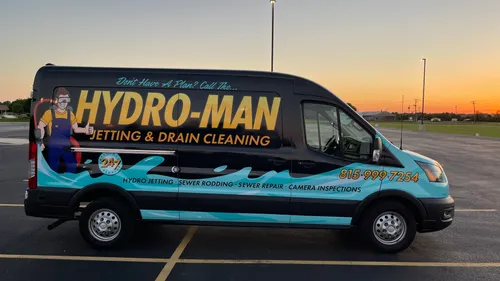
Hydro-Man Jetting & Drain Cleaning LLC.
15020 S Illinois St, Plainfield, IL 60544
Hydro-Man Jetting & Drain Cleaning LLC. is a family-owned plumbing company serving Chicago, IL, and surrounding areas. Founded in 2020 by a second-generation plumber, the company offers a range of services including hydro jetting, drain cleaning, sewer camera inspections, water heater repair and installation, and sump pump repair. They use advanced equipment owned in-house to provide precise diagnostics and effective solutions. Hydro-Man Jetting & Drain Cleaning LLC. also provides 24/7 emergency plumbing services to address urgent issues at any time.
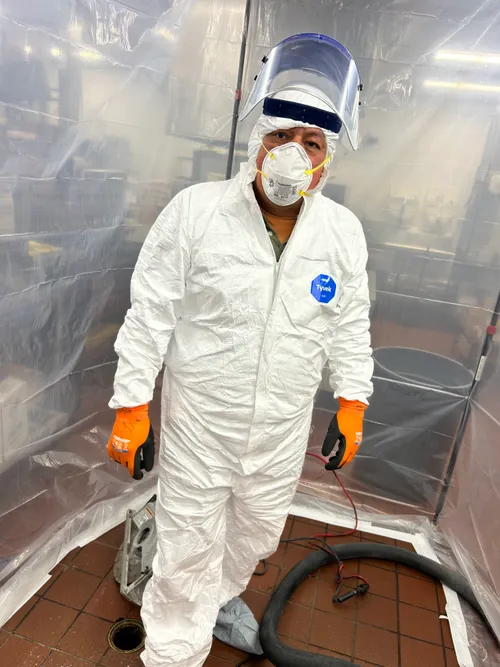
Elite Sewer & Drain Inc.
9116 Kilpatrick Ave, Skokie, IL 60076
Elite Sewer & Drain Inc. is a family-owned plumbing company serving Chicago, IL, and the surrounding north side suburbs. They provide a range of services including water heater repair and installation, sump pump repair, drain cleaning, and hydro jetting. The company specializes in clearing clogs using hydro jetting technology, which effectively removes grease and buildup from drains. They also offer backflow preventer testing and pump installation services. Elite Sewer & Drain Inc. emphasizes honest and transparent service with same-day emergency availability.
Why Lombard Homes Need Sump Pumps
Lombard's geology presents a unique challenge for homeowners. The region is characterized by a high water table and dense clay soil. Clay soil absorbs water slowly and drains poorly, which means rainwater and melting snow can't percolate down into the earth quickly. Instead, this water accumulates around your home's foundation, creating hydrostatic pressure. This pressure forces moisture through cracks in your basement walls and up through the floor slab, leading to persistent dampness, mold growth, and, during heavy rains, significant flooding.
A sump pump system directly combats this by collecting this intrusive groundwater. It typically works in conjunction with a network of drain tile (also called a French drain) installed around your foundation's perimeter. This tile channels water into a specially dug pit in your basement floor-the sump pit. When the water level in the pit rises to a certain point, the pump activates and discharges the water safely away from your home's foundation. For Lombard residents, this isn't merely about convenience; it's a fundamental component of home maintenance and structural integrity.
Local Regulations and Professional Requirements
Before any installation begins, it's crucial to understand local codes. The Village of Lombard requires permits and inspections for sump pump installations. This ensures the work is done correctly and safely, particularly regarding the discharge line. Proper discharge is vital; water must be directed to a storm sewer, a dedicated sump pump discharge line, or onto your lawn in a way that doesn't erode your property or flood your neighbor's. The installer is responsible for obtaining the necessary permits and is liable for any damage to public utilities during the work 1. Hiring a licensed professional familiar with these village requirements is the best way to ensure compliance and avoid future issues or fines.
Types of Sump Pump Systems
Not all sump pumps are the same. Choosing the right type depends on your home's specific needs, the volume of water you expect, and your preferences for noise and maintenance.
- Submersible Pumps: These units are designed to operate while fully submerged in the sump pit. They are generally quieter than other types, as the water muffles the sound of the motor. Submersible pumps are often more powerful and are a good choice for pits that frequently collect large volumes of water or for homeowners who prefer a less intrusive system.
- Pedestal Pumps: In this design, the motor is mounted on a long column (pedestal) above the sump pit, with only the intake pipe extending down into the water. The motor remains dry, which can make certain repairs easier. Pedestal pumps are typically less expensive upfront and have a longer motor life in some cases, but they tend to be noisier during operation.
- Battery Backup Systems: This is arguably the most critical add-on for a Lombard home. During the severe storms that can cause flooding, power outages are common. A primary pump connected to your home's electricity will be useless if the power goes out. A battery backup pump provides a secondary line of defense, powered by a dedicated battery that kicks in automatically when the primary pump fails or loses power. Some advanced systems use water pressure from your municipal supply as a backup. Investing in a backup system ensures your basement stays protected when you need it most.
The Role of Drain Tile in a Complete System
For a sump pump to be effective, water needs a way to get to the pit. That's where drain tile comes in. Think of it as the highway system that directs groundwater to the pump station. There are two main types:
- Exterior Drain Tile: This involves excavating the soil around your home's foundation down to the footing, installing a perforated pipe, and surrounding it with gravel. It's considered the most effective method for preventing water from ever entering the basement wall, but it is also the most invasive and expensive, as it requires significant landscaping work.
- Interior Drain Tile: This system is installed inside your basement, along the perimeter of the floor where it meets the wall. A channel is cut into the concrete floor, a perforated pipe is laid, and new concrete is poured over it. Water seeping through the walls or floor is intercepted and channeled to the sump pit. While it doesn't stop water from contacting the foundation wall, it effectively manages it once it enters.
For many existing Lombard homes with recurring water issues, an interior drain tile system combined with a new sump pump is the most practical and comprehensive solution.
Find the perfect sump pump installation & repair companies for your needs
Get personalized recommendations and expert advice
Professional Installation: What to Expect
A proper sump pump installation by a qualified professional is a multi-step process that ensures long-term reliability and code compliance.
- Assessment and Planning: A technician will assess your basement, identify the source of water intrusion, and determine the optimal location for the sump pit-usually at the lowest point where water collects.
- Pit Excavation: A hole is dug into the basement floor to accommodate the sump pit liner (a durable plastic basin).
- Pump and Pipe Installation: The pump is placed in the pit, and a discharge pipe is installed. A check valve is crucial here; it prevents discharged water from flowing back into the pit once the pump turns off.
- Electrical Connection: The pump must be plugged into a dedicated Ground Fault Circuit Interrupter (GFCI) outlet for safety. Any new electrical work should be performed by a licensed electrician or as part of the plumbing service.
- Drain Tile Integration: If being installed, the interior or exterior drain tile is connected to direct water into the new pit.
- Testing and Inspection: The system is tested by pouring water into the pit to trigger the pump. The installer will also ensure it meets all Village of Lombard requirements before finalizing the job 2.
Common Repairs and Maintenance
Even the best systems require attention. Common reasons you might need sump pump repair include:
- Power Failure: The simplest check is always the outlet and circuit breaker.
- Clogged Discharge Line: The pipe that carries water outside can become blocked by debris or ice in winter, causing the pump to run without moving water.
- Stuck Float Switch: This is the component that tells the pump when to turn on and off. It can get jammed against the side of the pit or fail mechanically.
- Motor Burnout: Pumps have a lifespan, and motors can fail due to age, excessive cycling, or running dry.
- Clogged Intake Screen: Debris in the pit can clog the pump's intake, reducing efficiency.
A professional repair service will diagnose the issue, which may involve cleaning the pit and pump, replacing the float switch, unclogging lines, or installing a new pump if the motor is gone3. Annual maintenance, ideally before the spring thaw, is recommended to ensure your system is ready for heavy rains.
Understanding Investment and Value
The cost of protecting your basement can vary based on the scope of work. Here's a general overview of pricing in the Lombard/Chicago area:
- Pump Unit Only: A replacement pedestal pump can start around $80, while a high-capacity submersible pump can cost up to $1,0004.
- Standard Installation: Installing a new pump system, including labor, pit, and basic components, typically ranges from $800 to $2,5005 6.
- System with Interior Drain Tile: Adding an interior perimeter drain tile system to manage water collection is a more significant project, often adding $4,000 to $15,000+ to the total cost, depending on the basement's size and complexity.
- Battery Backup: Adding a reliable battery backup system generally costs between $200 and $1,0007 8.
While this is an investment, it protects the much greater value of your home's structure, finishes, and personal belongings from the devastating cost of flood damage and mold remediation.
Frequently asked questions
Sources
Footnotes
-
Private Engineering | Lombard, IL - https://www.villageoflombard.org/343/Private-Engineering ↩
-
10 Sump Pump Connection - Lombard, IL - https://www.villageoflombard.org/DocumentCenter/View/995/PDF-10-Sump-Pump-Connection ↩
-
Expert Sump Pump Repair & Replacement in Chicago - https://www.permaseal.net/services/sump-pump-installation-replacement ↩
-
Lombard Sump Pump Installation & Replacement Services - https://www.jimwagnerplumbing.com/lombard-plumber/sump-pumps-installation/ ↩
-
How Much Does Sump Pump Installation Cost? 5 Factors - https://freedomplumbingmidwest.com/sump-pump-installation-cost/ ↩
-
Sump Pump Installation Cost Guide | 2026 Prices & Factors - https://modernize.com/foundations/basement-waterproofing/sump-pump-installation-cost ↩
-
2025 Drain Tile Costs: What to Expect for Interior, Exterior, and Sump ... - https://basementwaterproofingscientists.com/drain-tile-installation-cost-guide/ ↩
-
#1 Sump Pump Installation Chicago Loop IL Service - J Sewer - https://www.jsewerandplumbing.com/geo-sump-pump-installation-chicago-loop-il/ ↩