Find the Best Sump Pump Installation & Repair Companies for Your Business
No obligation • Fast responses • Nationwide coverage

Why you can trust Search a Plumber
Search a Plumber is a leading United States resource for finding and evaluating professional plumbing services. Our team researches licensing, experience, and customer feedback to create unbiased, fact-driven overviews. Companies cannot pay to change ratings or placement, ensuring homeowners get trustworthy information.
Search providers near you
Top Sump Pump Installation & Repair Companies in Des Plaines, Illinois Ranked
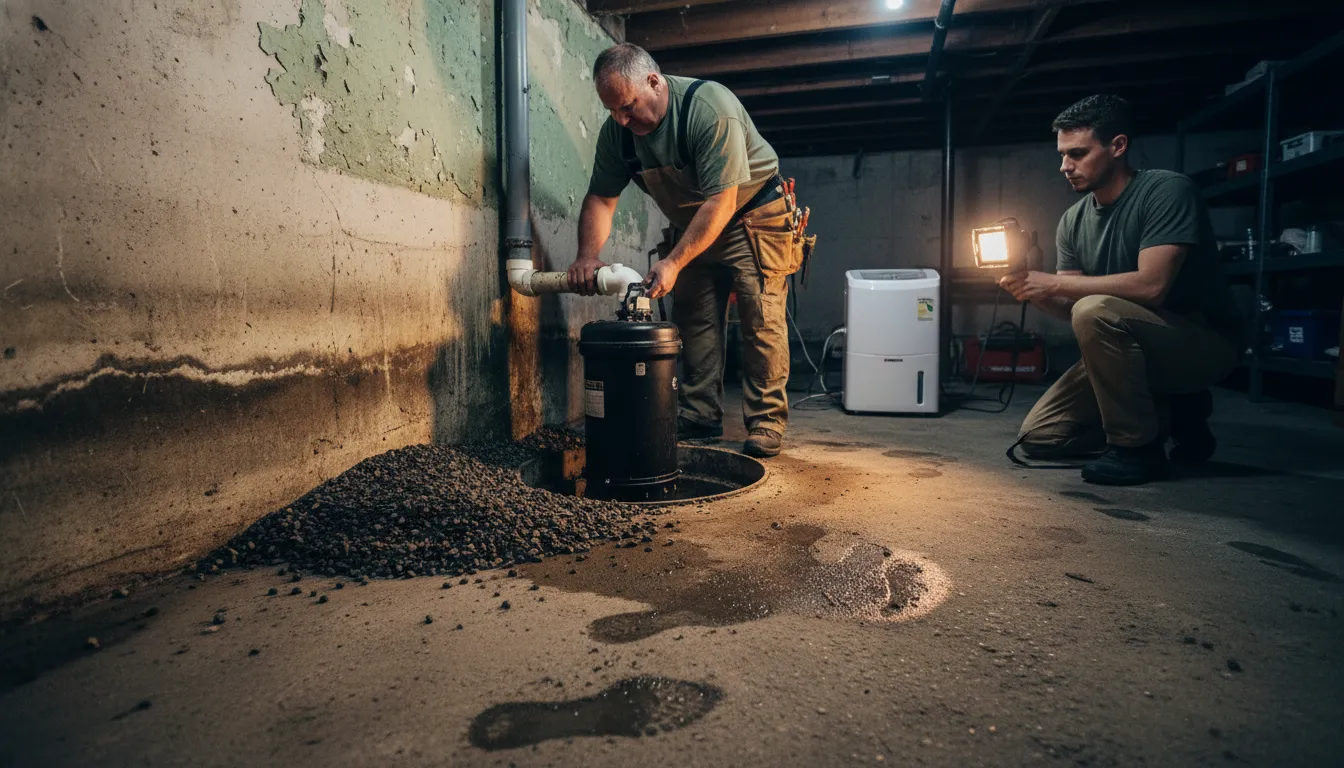
A reliable sump pump system is a critical line of defense for your Des Plaines home, protecting your basement from costly water damage. In our local climate, heavy rain and rapid snowmelt can quickly saturate the soil, creating hydrostatic pressure that pushes groundwater through foundation walls and up through the floor slab. A properly installed and maintained sump pump actively manages this water, collecting it from perimeter drain tiles and ejecting it safely away from your home. This guide will help you understand the essentials of sump pump systems, from how they work to choosing the right professional service for repair or a new installation.
Keeley's Plumbing
270 Eisenhower Ln N #6, Lombard, IL 60148
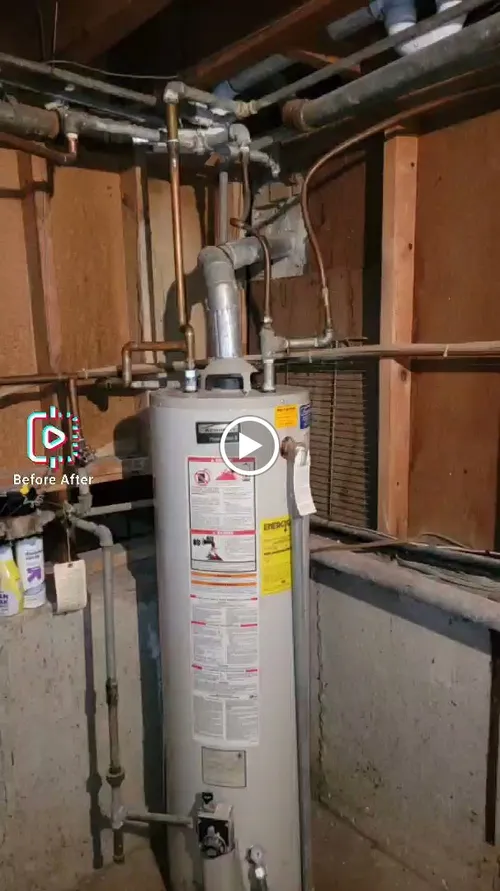
Keeley's Plumbing is a locally owned plumbing company serving Chicago, IL, and nearby areas including DuPage County. They provide a range of plumbing services for residential and commercial clients, including drain cleaning, sewer camera inspections, sewer line repair and replacement, repiping, water heater repair, sump pump repair, gas line installation, and hydro jetting. Keeley's Plumbing uses sewer camera inspections to accurately diagnose issues before recommending repairs. The company offers 24/7 emergency plumbing services and focuses on serving a limited area to maintain local code knowledge and reduce travel times.
Brilliant Plumbers: Sewage, Sump Pumps And Sewer
Chicago, IL
Brilliant Plumbers: Sewage, Sump Pumps and Sewer provides plumbing services in Chicago, IL, specializing in sump pump and sewer line repairs. The company is experienced in managing various plumbing projects with skill and professionalism. Since its founding, Brilliant Plumbers has built a reputation for quality work and efficiency.
Walsh & Son Plumbing and Sewer
Chicago, IL
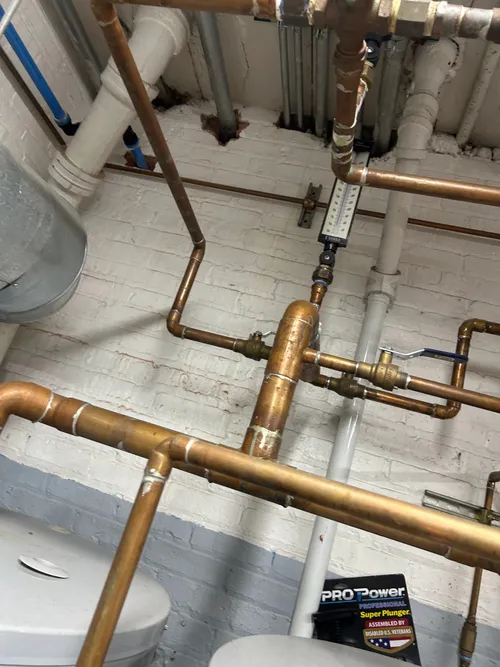
Walsh & Son Plumbing and Sewer is a licensed plumbing company serving Chicago, IL, and the surrounding Chicagoland area. Since 2013, this family- and woman-owned business has provided a range of plumbing services including sewer line repair, water heater installation and repair, sump pump maintenance, drain cleaning, leak detection, repiping, and gas line installation. Their team uses advanced technology for sewer camera inspections and offers a 10-year warranty on pipe installations, reflecting their commitment to durable workmanship. They also provide fast, same-day responses to plumbing issues and offer discounts for seniors, veterans, and first responders.

Elite Sewer & Drain Inc.
9116 Kilpatrick Ave, Skokie, IL 60076
Elite Sewer & Drain Inc. is a family-owned plumbing company serving Chicago, IL, and the surrounding north side suburbs. They provide a range of services including water heater repair and installation, sump pump repair, drain cleaning, and hydro jetting. The company specializes in clearing clogs using hydro jetting technology, which effectively removes grease and buildup from drains. They also offer backflow preventer testing and pump installation services. Elite Sewer & Drain Inc. emphasizes honest and transparent service with same-day emergency availability.
The All Pipes INC.
255 Holly Ln, Elk Grove Village, IL 60007
The All Pipes INC. is a licensed and insured plumbing company serving Chicago, IL. They provide a wide range of plumbing services including water heater repair and installation, trenchless sewer repair, sump pump installation, leak detection, and hydro jetting for drain cleaning. The company offers both residential and commercial plumbing solutions and specializes in tankless water heater installations to help reduce energy costs. Founded by Grigor Ganchev, who has built his career in plumbing over many years, The All Pipes INC. emphasizes integrity and clear communication with clients to maintain lasting relationships.
Why Des Plaines Homes Need Sump Pumps
The need for effective basement water management in Des Plaines is driven by local geology and weather. The area's soil composition can retain significant moisture, and seasonal precipitation from heavy thunderstorms or spring snowmelt frequently leads to a high water table 1. Without an outlet, this groundwater exerts constant pressure on your home's foundation. To combat this, most homes are built with a network of perforated pipes, known as drain tile or footing drains, installed around the foundation's base. These pipes collect intruding water and channel it to a central collection point: the sump pit. The sump pump is the mechanical heart of this system, automatically activating when water in the pit reaches a certain level to pump it out through a discharge line to your yard or storm sewer. This continuous cycle is what keeps your basement dry and prevents mold, structural damage, and ruined belongings.
Core Components of a Sump Pump System
Understanding the key parts of your system helps in diagnosing issues and discussing upgrades with a professional.
- The Sump Pit: This is the cylindrical basin, typically made of plastic, concrete, or fiberglass, set into the basement floor. It collects water from the drain tile system. The size and depth of the pit are important for pump efficiency and how often it needs to cycle.
- The Pump Unit: This is the pump itself, which sits inside the pit. It contains a motor and an impeller that creates suction to lift water up the discharge pipe.
- The Discharge Pipe: This pipe carries the pumped water from your basement to the exterior. It must be properly sized, sloped for drainage, and directed sufficiently away from your home's foundation to prevent the water from simply recirculating.
- The Check Valve: Installed on the discharge pipe, this crucial one-way valve prevents water from flowing back into the pit after the pump shuts off. This protects the pump from overworking and reduces wear.
- The Float Switch: This is the pump's trigger mechanism. As water rises in the pit, the float (either a bulb on a rod or a tethered float) rises until it activates a switch, turning the pump on. When the water level drops, the float falls and turns the pump off.
Types of Sump Pumps: Choosing the Right One
Selecting the correct pump type is essential for performance, longevity, and noise level. The two primary categories are submersible and pedestal pumps.
Submersible Pumps: As the name implies, these pumps are designed to operate fully submerged in the sump pit water. They are the most common choice for new installations in Des Plaines due to their efficiency and quieter operation. The water surrounding the motor helps cool it during operation, which can contribute to a longer lifespan. They are also more discreet, as only the discharge pipe and power cord are visible above the pit cover. While generally more expensive upfront than pedestal models, their durability and performance often make them the preferred option for primary pump duty 2.
Pedestal Pumps: In this design, the motor is mounted on a long, vertical shaft (the pedestal) that keeps it positioned high and dry above the water level in the pit. Only the intake at the bottom of the shaft is submerged. These units are typically less expensive and can be easier to access for simple service since the motor is exposed. However, they tend to be noisier during operation and are often considered less aesthetically pleasing. They are a common choice for smaller, narrower pits where a submersible pump won't fit, or as a budget-conscious replacement option.
Find the perfect sump pump installation & repair companies for your needs
Get personalized recommendations and expert advice
The Critical Role of a Backup Sump Pump
The most common point of failure for a sump pump system isn't the pump itself-it's a power outage during the exact storm that's causing the flooding. A primary pump without a backup leaves your home completely vulnerable. There are two main types of backup systems:
- Battery Backup Pump: This is a secondary, dedicated pump installed in your sump pit alongside your primary pump. It is connected to a large, deep-cycle battery (similar to a marine or golf cart battery) kept on a maintenance charger. If the power fails, the battery backup system automatically takes over. These systems are highly effective and can provide protection for many hours, depending on the battery's capacity and how often the pump runs 3. Adding a battery backup typically costs between $300 and $1,000 on top of the primary pump installation 4.
- Water-Powered Backup Pump: This ingenious device uses your home's municipal water pressure to create a suction effect, ejecting water from the pit without any electricity. It requires no batteries and can run indefinitely as long as city water pressure is maintained. However, it uses a significant amount of water while operating, which will increase your water bill during an outage, and it requires a specific type of plumbing connection 5. It's an excellent option where battery power may be insufficient.
For maximum protection, some homeowners opt for a combination system that includes both a battery backup and a water-powered backup, creating multiple layers of defense.
Understanding Sump Pump Repair & Installation Costs in Des Plaines
Costs can vary widely based on the scope of work, the type of equipment selected, and the existing conditions in your basement. Here's a general breakdown for the Des Plaines area:
- Basic Pump Replacement: If you have an existing, functional sump pit and discharge line, replacing a failed pump with a comparable new unit typically ranges from $500 to $1,200. This includes the cost of the pump, labor, and basic materials like a new check valve 6 7.
- New Sump Pump System Installation: Installing a completely new system, which involves cutting through the concrete floor, excavating for the pit, installing the pit and drain tile connection, and setting up the pump and discharge line, is a more involved project. For a standard submersible pump system, homeowners can expect to invest between $1,500 and $3,5008 9. The higher end of this range accounts for more complex excavation, high-capacity pumps, or difficult access.
- Adding a Battery Backup System: As mentioned, adding a quality battery backup pump to a new or existing system generally adds $300 to $1,000+ to the total cost, depending on the pump and battery capacity 10 11.
- Major Factors Affecting Price: The final price is influenced by the pump brand and quality (reputable brands like Zoeller or Champion may command a premium), the need for new electrical wiring or outlets, local permit fees, the labor rates of the plumbing contractor, and the physical challenges of your basement, such as a finished space or very hard soil 12.
Signs Your Sump Pump Needs Repair or Replacement
Don't wait for a flood to discover your pump has failed. Be proactive and watch for these warning signs:
- Unusual Noises: Grinding, rattling, or screeching sounds often indicate a damaged impeller or worn bearings.
- Constant Running: If the pump runs continuously during dry weather or cycles on and off every few seconds, the float switch may be stuck or the check valve may have failed.
- Visible Rust or Corrosion: Significant rust on the pump or in the pit can signal age and impending failure.
- Failure to Activate: The most obvious sign. During a rainstorm, check to see if the pump turns on when water fills the pit. If it doesn't, it needs immediate attention.
- Age: Most sump pumps have a functional lifespan of 7 to 10 years. If your pump is approaching or has exceeded this age, proactive replacement is a wise investment to avoid a failure 13.
The Value of Professional Installation and Service
While a sump pump might seem like a simple appliance, its correct installation is vital for reliable operation and compliance with local building codes. A professional plumber specializing in sump pumps will ensure:
- The sump pit is correctly sized and placed for optimal water collection.
- The discharge line is properly sized, has the correct slope, and terminates far enough from the foundation.
- All electrical connections are safe and up to code, often requiring a dedicated GFCI outlet.
- The system includes a airtight, child-safe cover on the pit to prevent moisture evaporation, debris entry, and safety hazards.
- The work is permitted and inspected if required by Des Plaines regulations, which protects you and future homebuyers.
Local providers like those serving the Des Plaines area have specific experience with our soil conditions and common basement layouts, ensuring your system is built to handle local challenges 14 15.
Routine Maintenance for Peace of Mind
A little maintenance goes a long way in extending your pump's life and ensuring it's ready when needed. Perform these simple checks, ideally in early spring before the rainy season and again in the fall:
- Test the Pump: Slowly pour a 5-gallon bucket of water into the sump pit. The float should rise, trigger the pump to turn on, and eject the water. Listen for normal operation.
- Inspect the Discharge Line: Go outside and make sure the water is flowing freely from the discharge pipe and that the exit point is clear of leaves, dirt, or ice.
- Clean the Pit: Unplug the pump, remove the pit cover, and check for gravel, silt, or debris that could clog the pump intake or impede the float. Remove any debris carefully.
- Check the Check Valve: Listen for a "thump" when the pump shuts off; this indicates the check valve is closing. Visually inspect it for cracks or wear.
- Test the Backup: If you have a battery backup, unplug the primary pump from the wall to simulate a power outage. The backup should activate automatically. Also, check the battery terminals for corrosion and ensure the battery charger is functioning (usually indicated by a green light).
Frequently asked questions
Sources
Footnotes
-
Basement Drain Systems: 7 Powerful Solutions for a Dry 2025 - https://basementwaterproofingscientists.com/basement-drain-systems/ ↩
-
#1 Sump Pump Installation Chicago Loop IL Service - J Sewer - https://www.jsewerandplumbing.com/geo-sump-pump-installation-chicago-loop-il/ ↩
-
Sump Pump Installation & Repair In Chicago, IL - Goode Plumbing - https://www.goodeplumbing.com/plumbing/sump-pumps/ ↩
-
How Much Does a Sump Pump Cost in Central Illinois? - https://nabhanplumbing.com/sump-pump-cost-central-illinois/ ↩
-
Basement Sump Pumps: Types, Costs, and Maintenance - https://www.arkbasementservices.com/basement-sump-pumps-types-costs-and-maintenance/ ↩
-
Sump Pump Installation Des Plaines IL - Alan Tinker Plumbing - https://alantinkerplumbing.com/sump-pump-installation/ ↩
-
How Much Does it Cost to Install a Sump Pump? - https://www.jsewerandplumbing.com/how-much-does-it-cost-to-install-a-sump-pump/ ↩
-
Sump Pump Installation Cost Breakdown - Swift Plumbing & Heating - https://www.swiftplumb.com/blog/plumbing-service/the-cost-of-installing-a-sump-pump-what-to-expect/ ↩
-
Sump Pump Installation Cost Guide | 2026 Prices & Factors - https://modernize.com/foundations/basement-waterproofing/sump-pump-installation-cost ↩
-
Des Plaines IL Sump Pump Repair Install Services - https://www.fairplumber.com/des-plaines-il-sump-pump-repair-install-services ↩
-
The Cost to Install a Sump Pump - The Basic Basement Co. - https://donefor9999.com/the-cost-to-install-a-sump-pump/ ↩
-
We Provide Basement Waterproofing in Des Plaines, IL - https://www.basementsystems.com/basement-waterproofing/illinois-il/des-plaines-waterproofers.html ↩
-
#1 Sump Pump Repair and Installation Coral Springs, FL, with 5-Star Reviews - https://mainlineplumbingservice.com/sump-pump-repair-installation/ ↩
-
Sump Pump Installation in Des Plaines, IL | Fly Plumbing - https://www.flyplumbing.com/des-plaines-sump-pump-installation ↩
-
Best Sump Pump Service #1 | Des Plaines, IL & Suburbs - https://greentechplumbing.com/services/sump-pump-service/ ↩