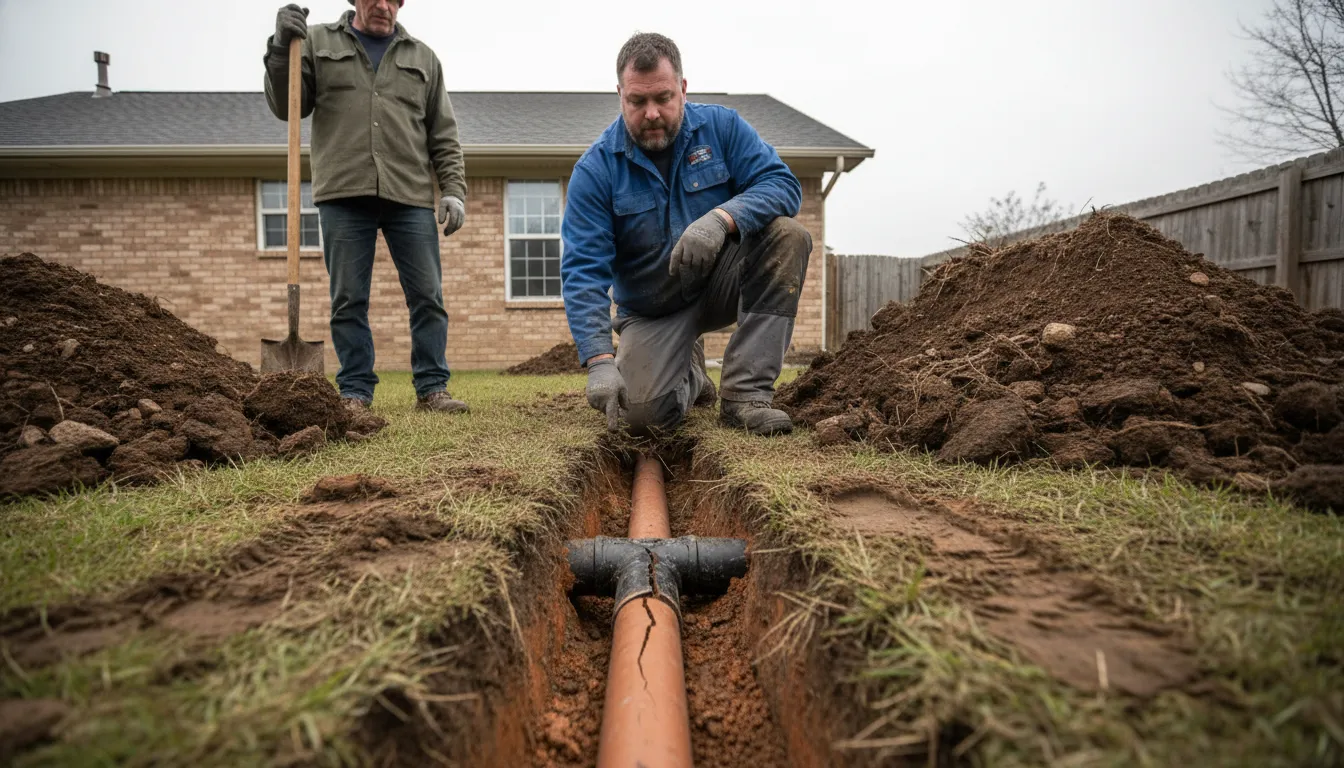
Find the Best Sewer Line Repair Companies for Your Business
No obligation • Fast responses • Nationwide coverage

Why you can trust Search a Plumber
Search a Plumber is a leading United States resource for finding and evaluating professional plumbing services. Our team researches licensing, experience, and customer feedback to create unbiased, fact-driven overviews. Companies cannot pay to change ratings or placement, ensuring homeowners get trustworthy information.
Search providers near you
Top Sewer Line Repair Companies in Waukesha, Wisconsin Ranked
A damaged sewer line is a serious issue that can disrupt your home's sanitation and lead to costly property damage if left unaddressed. Sewer line repair involves diagnosing and fixing the underground pipe that carries all your home's wastewater away. This guide is designed to help Waukesha homeowners understand the common causes of sewer line failure, the modern repair methods available, and how to find a qualified local professional to restore proper function with minimal disruption to your property.
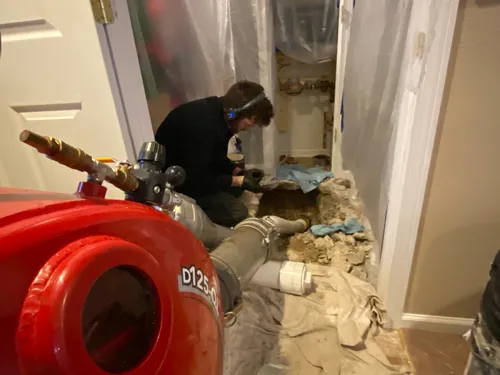
Sewer Ninjas
3435 N 127th St, Brookfield, WI 53005
Sewer Ninjas is a plumbing and sewer repair company serving Milwaukee, WI. They specialize in sewer camera inspections, drain cleaning, sewer line repairs, and trenchless sewer repair using no-dig technology. Their services include video inspections to assess pipe conditions, Ninja Drain Cleaning™ for clearing tough clogs, and sewer relining with Cured-in-Place Pipe (CIPP) technology to repair damaged laterals without excavation. Sewer Ninjas has completed over 20,000 linear feet of sewer lining and saved more than 400 homeowners from sewer issues. They operate with a focus on minimizing disruption and protecting property during repairs.
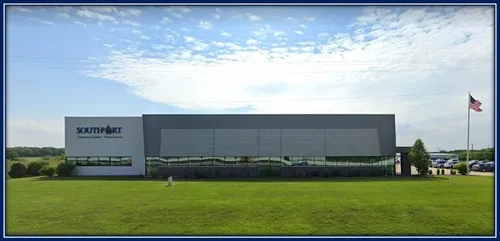
Southport Home Services
1343 S 27th St, Caledonia, WI 53108
Southport Home Services provides plumbing and HVAC services in Milwaukee, WI, and the greater Wisconsin areas including Wausau, Madison, and Caledonia. Their licensed plumbers handle a variety of tasks such as drain cleaning, sewer line repair, leak detection, gas line installation, and garbage disposal repair. The company also offers HVAC services including heating and cooling system maintenance, installation, and indoor air quality solutions like humidity control and HEPA filtration. Established in 2005, Southport Home Services combines plumbing and HVAC expertise to improve home comfort and efficiency.
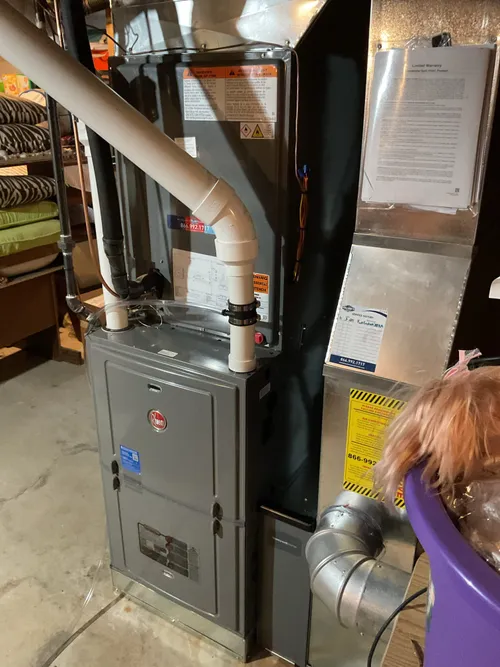
Mr. Holland's Home Services
2400 S Commerce Dr, New Berlin, WI 53151
Mr. Holland's Home Services is a full-service home contractor based in Milwaukee, WI, offering plumbing, heating, cooling, and electrical services throughout Southeastern Wisconsin. Their plumbing services include sewer camera inspections, sewer line repairs, drain cleaning, and water heater installation and repair. The company has over 25 years of experience and employs many veteran technicians. They provide 24/7 emergency service to address urgent home issues at any time.
Knight Plumbing, Inc.
4270 S Howell Ave, Milwaukee, WI 53207
Knight Plumbing, Inc. is a family-owned plumbing company serving Milwaukee, WI, and nearby communities. Since 2001, they have provided a wide range of plumbing services including water heater repair and installation, drain cleaning, sewer line repair, hydro jetting, sump pump repair, leak detection, and gas line installation. Their team uses modern technology such as video camera inspections to diagnose issues accurately and efficiently. With over 20 years of experience, Knight Plumbing emphasizes quality workmanship and respectful service. They offer same-day appointments and maintain a well-stocked inventory to minimize wait times for repairs and replacements.
Viking Plumbing
6968 South 13th Street, Oak Creek, WI 53154
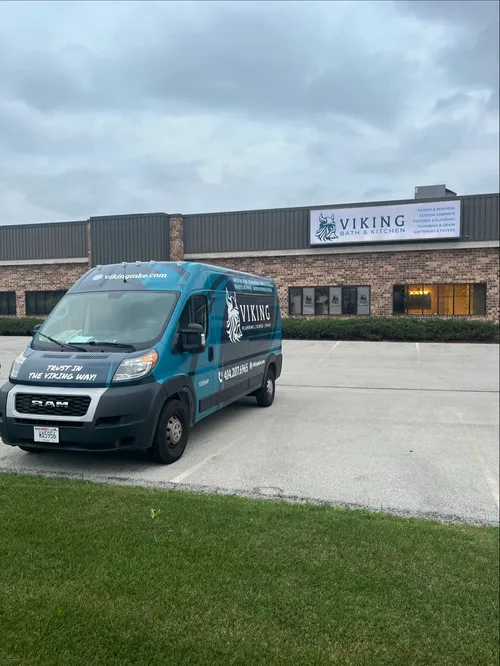
Viking Plumbing is a licensed and insured plumbing contractor serving Milwaukee, WI. They provide a wide range of plumbing services including sewer camera inspections, water heater repair and installation, water softener installation, sewer line repair, repiping, gas line installation, toilet repair, and garbage disposal repair. With over 25 years of experience, Viking Plumbing offers expertise in both residential and commercial plumbing projects. Their capabilities include comprehensive plumbing solutions such as gas piping repairs and water filtration system installations. The company emphasizes quality workmanship and clear communication throughout each project.
Understanding Your Home's Sewer System
The main sewer line, or sewer lateral, is a crucial but hidden component of your home's plumbing. It runs underground from where it exits your home's foundation to the city's sewer main, typically located under your yard, driveway, or sidewalk. Because it's buried, problems often go unnoticed until significant symptoms appear. Common signs of a failing sewer line include multiple slow drains, gurgling sounds from toilets, sewage odors in the yard or basement, and soggy patches or sinkholes in your landscaping.
In Waukesha, many homes have aging infrastructure. Older materials like clay tile, cast iron, or Orangeburg pipe are more susceptible to failure from decades of wear, ground movement, and corrosion. Understanding the path and condition of this pipe is the first step toward an effective repair.
Common Causes of Sewer Line Failure
Several factors can compromise your underground sewer pipe. Identifying the root cause is essential for choosing the right fix.
- Tree Root Intrusion: This is a leading cause of blockages and breaks. Roots are naturally drawn to the moisture and nutrients in sewer pipes. They can infiltrate through tiny cracks or pipe joints, eventually growing large enough to cause complete clogs or crack the pipe open 1.
- Aging and Corroding Pipes: Older materials deteriorate over time. Cast iron can rust through, clay tiles can crack or collapse, and even older PVC joints can fail. The soil chemistry in our region can accelerate this corrosion 2.
- Ground Shifting and Settlement: Wisconsin's freeze-thaw cycles and soil composition can cause the ground to shift. This movement puts stress on sewer pipes, leading to misaligned joints, cracks, or complete collapses 3.
- Grease and Debris Blockages: While not always a structural issue, the buildup of fats, oils, grease, and non-flushable items can create severe clogs that mimic or exacerbate a broken line, requiring professional clearing and inspection.
Diagnostic Tools: The Sewer Camera Inspection
Before any repair begins, a reputable plumbing professional will perform a sewer camera inspection. This involves running a flexible, waterproof cable with a high-resolution camera down a cleanout access point. The camera transmits a live video feed to a monitor, allowing the technician to see inside the pipe in real-time.
This inspection is critical because it:
- Pinpoints the Exact Problem: Locates the precise footage of a clog, crack, offset joint, or collapse.
- Assesses the Overall Condition: Evaluates the pipe's material, remaining lifespan, and the extent of root intrusion or corrosion.
- Determines the Best Repair Method: Provides the visual evidence needed to decide between trenchless repair, spot repair, or full traditional excavation.
- Provides Documentation: Gives you, the homeowner, a clear video record of the issue and the proposed solution.
Never agree to a major sewer repair without a camera inspection. It's the only way to make an informed decision.
Modern Repair Methods: Trenchless vs. Traditional
Today, Waukesha homeowners have two primary avenues for sewer line restoration: minimally invasive trenchless technologies or traditional excavation. The best choice depends on the damage's nature, location, and extent, as well as your property's layout.
Trenchless Sewer Repair
Trenchless methods are designed to repair or replace the pipe with little to no digging, preserving your lawn, driveway, and landscaping.
-
Pipe Lining (Cured-in-Place Pipe - CIPP): This process involves saturating a flexible, resin-coated felt tube and inserting it into the damaged pipe. The tube is then inflated, pressing the resin against the old pipe's interior walls. It is cured (often with hot water or UV light) to form a hard, seamless "pipe within a pipe." Lining seals cracks and holes, prevents root intrusion, and restores flow.
- Best For: Pipes with cracks, holes, or root intrusion that are not fully collapsed. It is an excellent rehabilitation method.
- Pros: Extremely minimal disruption, often completed in a day, strengthens the existing line, and has a long lifespan.
-
Cons: Requires a navigable pipe, slightly reduces the internal diameter, and is not suitable for severely misaligned or crushed pipes 4.
-
Pipe Bursting: This is a true trenchless replacement method. A conical bursting head is pulled through the old, damaged pipe, fracturing it outward while simultaneously pulling a new, high-density polyethylene (HDPE) pipe into place behind it. The old pipe fragments become part of the backfill 5 6.
- Best For: Replacing severely damaged, collapsed, or undersized pipes.
- Pros: Installs a brand-new pipe with no reduction in diameter, can often upgrade to a larger size, and is highly durable.
-
Cons: Requires access pits at both ends of the run, may not be feasible under major structures, and can be more expensive than lining.
Find the perfect sewer line repair companies for your needs
Get personalized recommendations and expert advice
Traditional Excavation (Open-Trench Repair)
This is the conventional method, involving digging a trench along the entire length of the damaged sewer line to fully expose it for repair or replacement.
- How it Works: Heavy equipment or manual labor is used to excavate a deep trench from the house to the street main. The old pipe is removed, and a new one is laid in the trench before backfilling.
- Best For: Situations where the pipe is under a building, has multiple severe failures in a short span, or when trenchless methods are not viable due to the pipe's condition or local code.
- Pros: Allows for a complete visual inspection, handles any type of damage, and is sometimes the only option for complex failures.
- Cons: Highly disruptive to property (destroying lawns, landscaping, driveways), more labor-intensive, requires costly restoration, and poses a higher risk of damaging other underground utilities 7.
Cost Considerations for Waukesha Homeowners
Sewer line repair is a significant investment, and costs in Waukesha can vary widely based on the method chosen, the extent of damage, pipe depth, and property access.
- Trenchless Repair Costs: These are typically priced per linear foot. Pipe lining can range from $60 to $250+ per foot, while pipe bursting may cost $100 to $450+ per foot. The total project cost is heavily influenced by the length of pipe being repaired 8 9 10.
- Traditional Excavation Costs: Open-trench repair also runs $50 to $450+ per foot, but this often does not include the substantial additional costs of restoring the excavated area-re-sodding lawns, repaving driveways, or rebuilding patios, which can add thousands to the final bill 11 12.
- Other Cost Factors: The total price will include the diagnostic camera inspection ($250-$500), any necessary permits from the City of Waukesha, and the complexity of the job (e.g., working around large trees or under concrete slabs). A full traditional replacement for a long line can easily reach $8,000 to over $20,00013 14.
While trenchless methods often have a higher per-foot material cost, they can be more cost-effective overall by eliminating expensive restoration work. Always get detailed, written estimates that break down all costs, including diagnostics, repair, permits, and restoration.
Choosing a Qualified Sewer Repair Professional in Waukesha
Not every plumber is equipped to handle advanced sewer line repairs. When searching for a specialist, look for the following:
- Specialized Experience: Seek out companies that explicitly advertise sewer and drain expertise, including both trenchless and excavation capabilities. They should have a portfolio of similar local projects 15 16.
- Proper Licensing and Insurance: Ensure the company is fully licensed, bonded, and insured for plumbing and excavation work in Wisconsin. This protects you and your property.
- Technology Investment: A reputable contractor will use modern diagnostic cameras and offer multiple repair solutions, not just a one-size-fits-all approach.
- Detailed Explanations and Estimates: They should willingly explain the problem (showing you camera footage), discuss all viable options, and provide a clear, written estimate outlining the scope of work and warranty.
- Local Knowledge: A provider familiar with Waukesha's soil conditions, common pipe materials, and local municipal codes will be able to navigate the process more efficiently.
Frequently asked questions
Sources
Footnotes
-
Trenchless Sewer Repair and Replacement - ASAP Drain Guys & Plumbing - https://www.asapdrainandplumbing.com/trenchless-sewer-repair-replacement/ ↩
-
Trenchless Sewer Repair Technology and Tactics - https://www.envirodesignproducts.com/blogs/news/trenchless-sewer-repair-technology-and-tactics ↩
-
Sewer Repair Cost: Trenchless Vs Traditional Methods - https://www.superbrothers.com/sewer-repair-cost-trenchless-vs-traditional-methods/ ↩
-
Trenchless Sewer Line Repair vs. Sewer Line Excavation - https://dandfplumbing.com/sewer-line-repair-vs-sewer-line-excavation/ ↩
-
Sewer Repair Options: Trenchless vs. Traditional Methods | TYCO - https://tycoplumbingco.com/sewer-repair-options-trenchless-vs-traditional-methods/ ↩
-
Trenchless Sewer Repair vs. Traditional Excavation - AQUALIS - https://aqualisco.com/trenchless-sewer-repair-vs-traditional/ ↩
-
Sewer Pipe Lining vs Residential Excavation: Homeowner Guide - https://www.128plumbing.com/sewer-pipe-lining-vs-residential-excavation/ ↩
-
Empower Your Decision: Decoding Trenchless Sewer Repair Costs - Pipeliner Pros - https://pipelinerpros.com/trenchless-sewer-repair-cost/ ↩
-
Is Trenchless Sewer Line Repair Cheaper? - AP Plumbing - https://applumbing.com/blog/is-trenchless-sewer-line-repair-cheaper/ ↩
-
Cost Comparison: Trenchless vs. Traditional Sewer Line Repair - https://www.advancedtrenchlesssolutions.com/blog/cost-comparison-trenchless-vs-traditional-sewer-line-repair ↩
-
Sewer Excavation Repair in Wisconsin - https://www.sewerninjas.com/what-we-do/excavation-repair/ ↩
-
Trenchless vs. Traditional Sewer Repair - https://sewerlinesonly.com/trenchless-vs-traditional-sewer-repair-which-is-more-cost-effective-for-lakewood-homeowners/ ↩
-
Trenchless Sewer Repair vs. Traditional Excavation - TDT Plumbing - https://tdtplumbing.com/trenchless-sewer-repair/difference-to-traditional-repair/ ↩
-
Cost To Repair Sewer Line: 2023 Options & Affordable Services - https://www.superbrothers.com/cost-to-repair-sewer-line-2023-options-affordable-services/ ↩
-
Milwaukee Sewer Repair | Waukesha Sewer Replacement - https://www.badgerunderground.com/sewerRepair/waukeshaSewerReplacement ↩
-
Milwaukee Trenchless Sewer Repair Services - https://www.rozgacorp.com/sewer-water/trenchless-sewer-repair/ ↩