Find the Best Sewer Line Repair Companies for Your Business
No obligation • Fast responses • Nationwide coverage

Why you can trust Search a Plumber
Search a Plumber is a leading United States resource for finding and evaluating professional plumbing services. Our team researches licensing, experience, and customer feedback to create unbiased, fact-driven overviews. Companies cannot pay to change ratings or placement, ensuring homeowners get trustworthy information.
Search providers near you
Top Sewer Line Repair Companies in Beaverton, Oregon Ranked
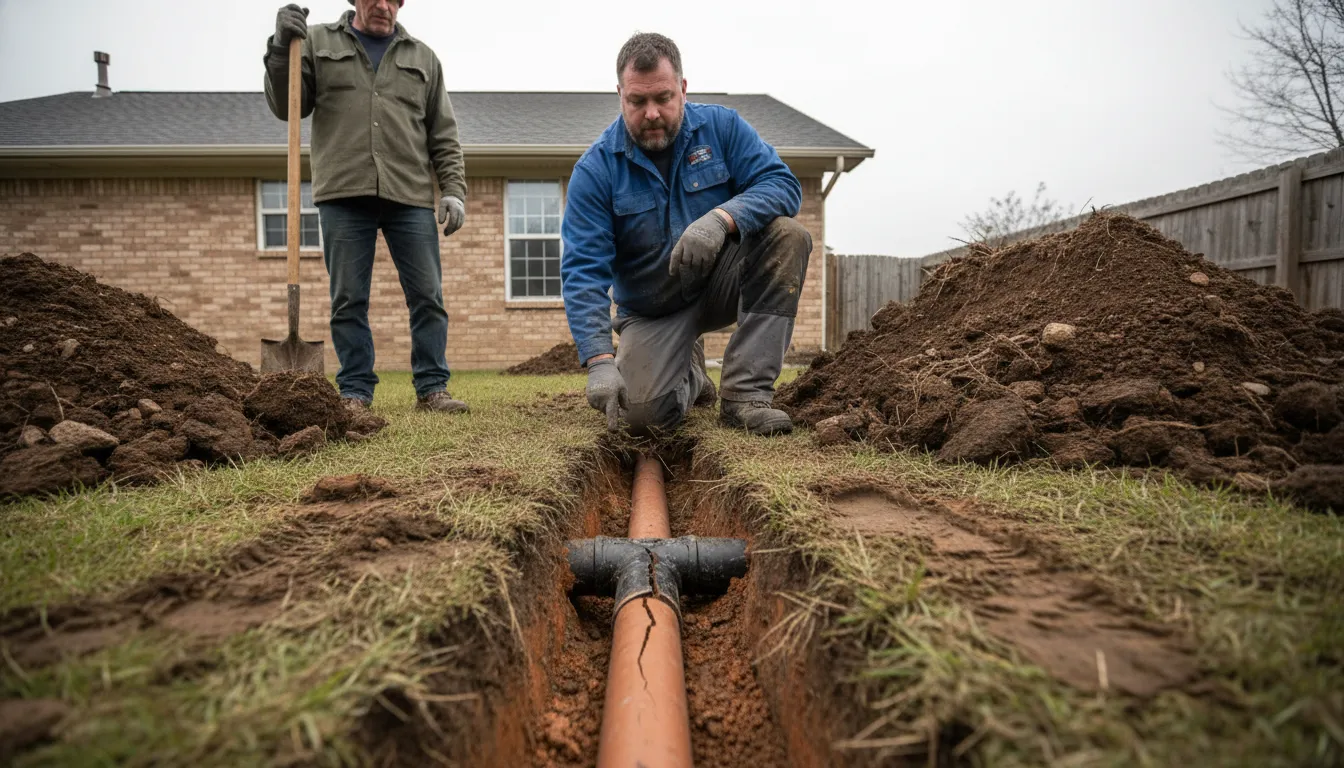
A damaged sewer line is a serious problem that can disrupt your home and lead to costly property damage. Sewer line repair involves fixing or replacing the underground pipe that carries wastewater from your home to the city's main sewer system. This service is critical for maintaining a healthy, functional home and protecting your property's value. If you're experiencing slow drains, sewage backups, or foul odors, this guide will help you understand your options for sewer repair and how to find qualified local specialists to assess and resolve the issue.
Plumbing and Sewer Renewal Specialists
9350 SW Tigard St, Portland, OR 97223
Plumbing and Sewer Renewal Specialists is a plumbing and sewer service provider based in Portland, OR. They offer services including sewer camera inspections, drain cleaning, sewer line repairs, trenchless sewer repair, and repiping. The team is experienced in using cured-in-place pipe (CIPP) technology for sewer line repairs, which allows for less invasive fixes. Customers have noted their care in protecting property and efficient project completion.
Drain Hound (Owner - Operator)
7202 NE Hwy 99 Ste 106, Vancouver, WA 98665
Drain Hound (Owner - Operator) is a plumbing service based near Portland, OR, offering a wide range of plumbing solutions including sewer camera inspections, water heater repair and installation, water softener installation, drain cleaning, hydro jetting, sewer line repair, trenchless sewer repair, leak detection, repiping, and garbage disposal repair. The company uses advanced technology such as high-definition sewer cameras and hydro jetting equipment to diagnose and clear blockages efficiently. Drain Hound specializes in trenchless water main replacement, which reduces landscape disruption and preserves property aesthetics. Owner-operated by Taylor Prouty, the business serves the greater Vancouver, WA area and provides 24/7 emergency plumbing services.
Perfect Service Plumbing and Drain Cleaning
1011 SE Oak St, Portland, OR 97214
Perfect Service Plumbing and Drain Cleaning is a plumbing company serving Portland, OR, with over 20 years of experience. They provide a wide range of plumbing services for both residential and commercial clients, including sewer camera inspections, water heater repair and installation, drain cleaning, hydro jetting, sewer line repair, leak detection, repiping, gas line installation, and toilet and garbage disposal repairs. The company offers 24/7 emergency response to address urgent plumbing needs and uses high-tech equipment to diagnose and resolve issues effectively.
Jeremy's Plumbing and Water heater services
5604 NE 102nd St, Vancouver, WA 98686
Jeremy's Plumbing and Water Heater Services is a plumbing company serving Portland, OR. They offer a range of plumbing solutions including water heater repair and replacement, drain cleaning, sewer line repair and replacement, leak detection, and toilet repair. The company handles both residential and commercial plumbing needs, providing tailored solutions for each customer. Jeremy has extensive experience in sewer line projects and uses advanced techniques and quality materials to ensure effective repairs and installations.
Mr. Rooter Plumbing
2900 SE Cornelius Pass Rd Ste 101, Hillsboro, OR 97123
Mr. Rooter Plumbing provides a wide range of plumbing services in Portland, OR, including sewer camera inspections, water heater repairs and installations, drain cleaning, sewer line repairs, and leak detection. Serving the greater Washington County area, they offer both residential and commercial plumbing solutions with options for trenchless sewer repair to minimize property disruption. The company supports customers with same-day and next-day appointments and maintains a 24/7 emergency service line to address urgent plumbing issues promptly.
Understanding Your Sewer Line System
Your home's main sewer line, often called the side sewer, is a crucial but hidden component. It runs from your home's foundation-typically near the basement or crawlspace-underground across your property. This pipe travels beneath your yard, driveway, or sidewalks before connecting to the municipal sewer main at the street. Knowing this path is the first step in diagnosing problems, as issues can occur anywhere along this route. When this line fails, it requires professional sewer line repair or replacement to restore proper function.
Common Causes of Sewer Line Failure in Beaverton
Several factors specific to the Beaverton area can lead to a failing sewer lateral. Understanding these can help you identify potential problems early.
- Tree Root Intrusion: This is a leading cause of blockages and breaks. Roots from mature trees are attracted to the moisture and nutrients in sewer pipes, especially older ones. They can infiltrate small cracks in clay or cast iron pipes, eventually causing complete blockages or breaking the pipe apart.
- Pipe Age and Material: Many Beaverton homes have older sewer lines made from materials like Orangeburg (bituminized fiber pipe), cast iron, or vitrified clay. Over decades, these materials can become brittle, corrode, crack, or collapse entirely.
- Ground Shifting and Bellies: The Pacific Northwest's soil conditions can lead to ground movement over time. This can cause sections of the pipe to sag, creating a "belly" where waste and debris collect, leading to chronic blockages.
- General Blockages: While roots are a major culprit, blockages can also form from flushed grease, non-flushable items, or a buildup of scale and sediment inside the pipes 1.
Trenchless Sewer Repair vs. Traditional Excavation
When a sewer line needs attention, you generally have two methodological approaches: modern trenchless techniques or traditional excavation. The best choice depends on the damage, your property layout, and your budget.
Trenchless Sewer Line Rehabilitation
Trenchless technology has revolutionized sewer repair by minimizing digging and disruption. The two primary methods are Cured-In-Place Pipe (CIPP) lining and pipe bursting.
- CIPP Lining: This process involves inserting a flexible, resin-saturated tube into the damaged pipe. The tube is inflated and cured (often with steam or UV light) to form a hard, seamless "pipe within a pipe." It seals cracks and holes without excavation.
- Pipe Bursting: This method is used for full pipe replacement. A conical bursting head is pulled through the old pipe, fracturing it outward while simultaneously pulling a new, durable pipe (like HDPE) into place behind it.
Pros of Trenchless Repair:
- Minimal Disruption: Requires only small access pits at the beginning and end of the run, leaving lawns, driveways, and landscaping largely intact.
- Speed: Most trenchless repairs can be completed in 1-2 days.
- Durability: The new liner or pipe is often more resistant to roots and corrosion than the original.
Cons of Trenchless Repair:
- Higher Per-Foot Cost: The specialized materials and equipment can make the initial cost per foot higher than simple excavation.
- Not for All Damage: Severely collapsed, misaligned, or crushed pipes may not be candidates for lining and may require traditional methods.
Traditional Excavation (Open-Cut Repair)
This is the conventional method, where a backhoe digs a trench along the entire length of the damaged pipe to expose it for repair or replacement.
Pros of Traditional Sewer Line Replacement:
- Direct Access: Provides full visual access to the entire pipe, which is beneficial for complex or unknown damage.
- Lower Initial Cost: For short, easily accessible repairs, the upfront cost of digging can be less than trenchless setup.
Cons of Traditional Sewer Line Replacement:
- Major Property Disruption: A large trench destroys landscaping, patios, driveways, and sidewalks, requiring extensive and costly restoration 2.
- Time-Consuming: The process of digging, repairing, backfilling, and restoring the site takes significantly longer.
- Hidden Restoration Costs: The final bill must include thousands of dollars to repair hardscaping and landscaping, which can make the total project cost much higher than initially quoted.
Find the perfect sewer line repair companies for your needs
Get personalized recommendations and expert advice
What to Expect: Sewer Line Repair Costs in Beaverton
Costs for fixing a sewer lateral in Beaverton vary widely based on the repair method, extent of damage, pipe length, and depth. The following are estimated ranges for the Beaverton area (2025-2026) to help you budget.
- Average Sewer Line Replacement: Many standard replacements fall in the range of $2,400 to $3,500, though simpler repairs can start around $800 and complex jobs can exceed $6,000 3.
- Trenchless CIPP Lining: Typically costs $80 to $250+ per foot. For a common 20-30 foot run, expect to pay between $3,500 and $12,000 4.
- Pipe Bursting: A full trenchless replacement via pipe bursting often ranges from $6,000 to $12,000+ and can be very cost-effective for longer lines 5 6.
- Collapsed Line Replacement: Addressing a fully collapsed line is a major project. Traditional excavation can range from $7,500 to $30,000, while trenchless methods may cut that cost significantly by avoiding restoration 7.
- Hidden Restoration Costs (Excavation): If you choose traditional digging, budget an additional $1,500 to $8,000 or more to re-sod your lawn, re-pour concrete driveways or sidewalks, and rebuild other damaged hardscapes 8 9 10.
The Sewer Line Repair Process: From Diagnosis to Completion
- Inspection and Diagnosis: A professional will use a sewer camera to perform a video inspection. This is essential to pinpoint the exact location, cause, and severity of the problem inside the pipe.
- Solution and Quote: Based on the camera footage, the specialist will recommend the most effective repair method (spot repair, lining, bursting, or excavation) and provide a detailed written estimate.
- Permitting: In Beaverton, most sewer line repairs require a permit from the city or relevant jurisdiction. A reputable contractor will handle this process.
- Repair Execution: The work is performed using the chosen method. Trenchless repairs are notably quicker and cleaner.
- Final Inspection and Clean-up: The repaired line is camera-inspected again to ensure quality. For excavation projects, the site is backfilled and initial restoration begins.
Choosing a Specialist for Your Sewer Project
Selecting the right professional is crucial for a lasting repair. Look for a licensed, insured contractor with specific experience in both trenchless and traditional sewer line repair. Ask for references, verify they will obtain proper permits, and ensure their quote is detailed and includes all potential costs, especially restoration. A trustworthy professional will always recommend a camera inspection first and clearly explain why a particular repair method is best for your situation 11 12.
Frequently asked questions
Sources
Footnotes
-
What Is the Life Expectancy of a Sewer Pipe? - https://www.williamsplumbinganddrain.com/what-is-the-life-expectancy-of-a-sewer-pipe/ ↩
-
Trenchless Sewer Repair vs. Traditional Excavation - TDT Plumbing - https://tdtplumbing.com/trenchless-sewer-repair/difference-to-traditional-repair/ ↩
-
Sewer Line Replacement in Beaverton, OR - Costs 12 / 2025 - https://www.homeyou.com/or/sewer-line-replacement-beaverton-costs ↩
-
Trenchless Sewer Repair: Lower Cost, Lower Impact Sewer Repair - https://www.sewerflowllc.com/2025/03/06/trenchless-sewer-repair-lower-cost-lower-impact-sewer-repair/ ↩
-
Trenchless vs. Traditional Sewer Repair - https://sewerlinesonly.com/trenchless-vs-traditional-sewer-repair-which-is-more-cost-effective-for-lakewood-homeowners/ ↩
-
Empower Your Decision: Decoding Trenchless Sewer Repair Costs - https://pipelinerpros.com/trenchless-sewer-repair-cost/ ↩
-
Cost Comparison: Trenchless vs. Traditional Sewer Line Repair - https://www.advancedtrenchlesssolutions.com/blog/cost-comparison-trenchless-vs-traditional-sewer-line-repair ↩
-
The Cost of Sewer Line Replacement: What to Expect - https://dirtcheapsewer.com/the-cost-of-sewer-line-replacement/ ↩
-
Trenchless Sewer Repair | Beaverton, OR - Clog Busters - https://clogbustersllc.com/trenchless-sewer-repair-beaverton-or/ ↩
-
How Much Does It Cost to Fix a Sewer Line in 2025 - VEVOR - https://www.vevor.com/diy-ideas/how-much-does-it-cost-to-fix-a-sewer-line/ ↩
-
Trenchless Sewer Repair Portland OR - D&F Plumbing - https://dandfplumbing.com/trenchless-sewer-repair-portland-or/ ↩
-
Sewer line repairs, costs and not getting ripped off - https://www.myseattlehomesearch.com/blog/sewer-line-repairs-costs-and-not-getting-ripped-off/ ↩