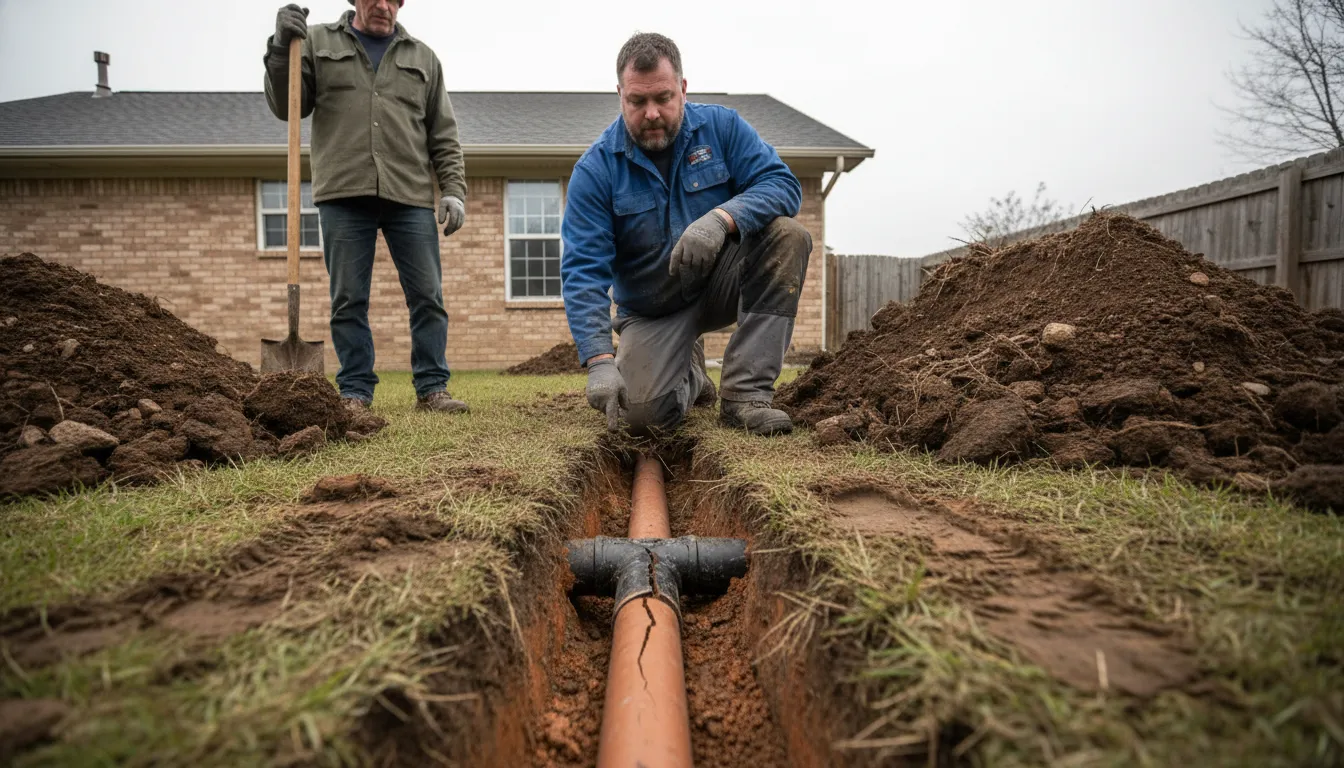
Find the Best Sewer Line Repair Companies for Your Business
No obligation • Fast responses • Nationwide coverage

Why you can trust Search a Plumber
Search a Plumber is a leading United States resource for finding and evaluating professional plumbing services. Our team researches licensing, experience, and customer feedback to create unbiased, fact-driven overviews. Companies cannot pay to change ratings or placement, ensuring homeowners get trustworthy information.
Search providers near you
Best Sewer Line Repair Companies in New York Ranked
A damaged sewer line is a serious problem that can lead to backups, property damage, and health hazards. Sewer line repair and replacement are critical services for maintaining a safe and functional home. This guide provides clear, practical information to help New York homeowners understand the process, costs, and regulations involved in sewer line work, so you can make informed decisions when selecting a qualified local professional.
Royal Rooter and Drain Cleaning LLC
74 Jefferson Ave, Lodi, NJ 07644
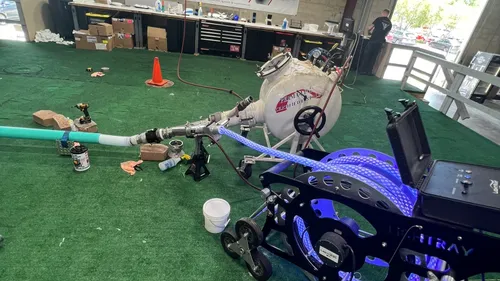
Royal Rooter and Drain Cleaning LLC provides plumbing services in New York, NY, specializing in sewer camera inspections, drain cleaning, hydro jetting, and sewer line repairs. Their team uses camera inspections to accurately locate sewer issues and offers trenchless repair methods such as UV lining to minimize property disruption. Hydro jetting is available when pipes are suitable for this powerful cleaning technique.
Above and Beyond Plumbing and Heating LLC
5 Van Winkle Rd, Pine Brook, NJ 07058
Above and Beyond Plumbing and Heating LLC is a plumbing and heating service provider based in New York, NY. They offer a wide range of services including water heater repair and installation, water softener installation, drain cleaning, sewer line repair, leak detection, repiping, gas line installation, toilet repair, and garbage disposal repair. The company is known for its 24-hour emergency plumbing services, ensuring help is available whenever needed. They also specialize in boiler installation and repair, and install water filtration and softening systems to improve water quality. With over a decade of experience, Above and Beyond Plumbing and Heating LLC serves New York and surrounding areas, providing tailored solutions to meet specific plumbing and heating needs.
Hazlett Plumbing
3689 California Rd Unit 19, Orchard Park, NY 14127
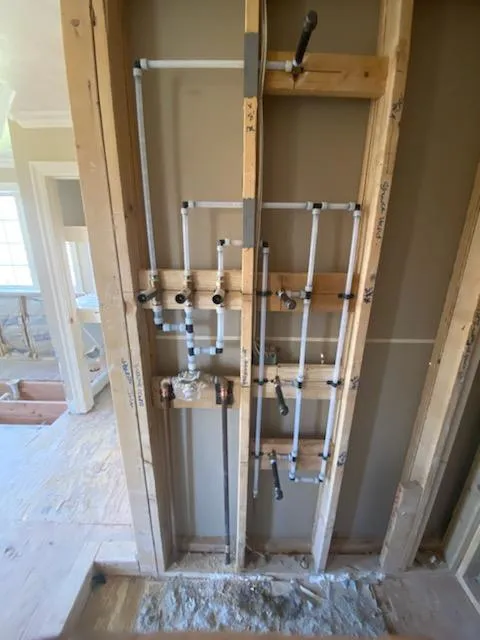
Hazlett Plumbing is a plumbing contractor serving Buffalo, NY, and the Greater Western New York area. Established in 2016, the company offers a range of plumbing services including sewer camera inspections, water heater repair and installation, sump pump repair, drain cleaning, sewer line repair, repiping, and toilet repair. They specialize in sewer and drain cleaning with permanent solutions targeting root causes. Hazlett Plumbing also handles commercial and residential new builds, remodels, and retrofits. The company emphasizes honesty, integrity, and community care in its operations.
BRUTE Contracting Water Main & Sewer Contractors
16 Park Way Suite 201, Upper Saddle River, NJ 07458
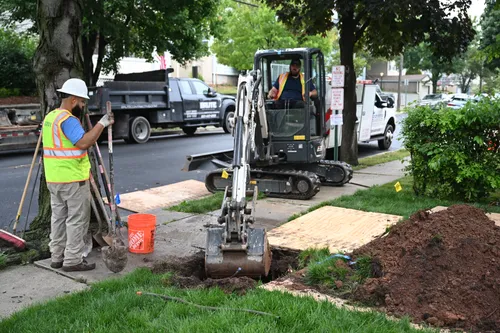
BRUTE Contracting Water Main & Sewer Contractors is a family-owned business specializing in sewer and water line installation, repair, and replacement in New York, NY. They serve both residential and commercial customers, using state-of-the-art commercial equipment to ensure efficient and reliable solutions. With over 20 years of experience, BRUTE Contracting has completed more than 2,000 projects and is fully licensed and insured. The company offers free consultations to tailor services to client needs.
Main Man Water Main & Sewer Repair
10009 Glenwood Rd, Brooklyn, NY 11234
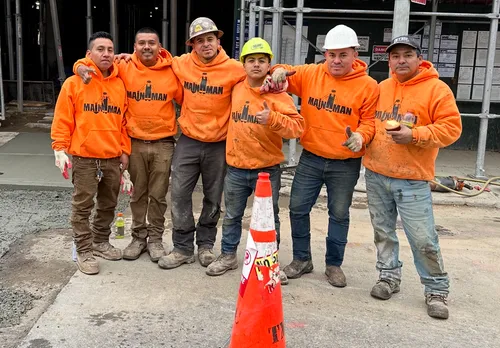
Main Man Water Main & Sewer Repair is a licensed and insured plumbing contractor based in New York, NY, specializing in water main and sewer line repairs. Serving all five boroughs of New York City, they offer a range of services including emergency repairs, DEP notice handling, and water main maintenance. With over 40 years of experience, their team is skilled in addressing leaks, blockages, and infrastructure compliance issues. They provide 24/7 emergency services to quickly resolve urgent plumbing problems.
Common Causes and Materials of Sewer Line Problems
Sewer lines in New York homes can fail for several reasons. Understanding the material of your existing pipe is the first step in diagnosing the issue and planning a repair.
- Tree Root Intrusion: This is a leading cause of blockages and breaks. Roots seek out moisture and can infiltrate small cracks or joints in the pipe, eventually causing major blockages or collapse.
- Ground Shifting and Settlement: The soil in many New York areas can shift due to freeze-thaw cycles, heavy construction nearby, or natural settling. This movement can put stress on pipes, leading to misaligned joints or cracks.
- Aging and Corrosion: Older pipes simply wear out. Materials like cast iron corrode from the inside over decades, thinning the pipe wall until it fails.
- Grease and Debris Buildup: Improper disposal of fats, oils, and non-flushable items can create severe blockages that put pressure on the pipe.
The pipe material itself plays a key role in its longevity and repair options:
- PVC (Polyvinyl Chloride): The standard for modern replacements, PVC is affordable, corrosion-resistant, and relatively easy to install. It's the most common material used in new installations and replacements today.
- Cast Iron: Found in many older New York homes (typically pre-1970s), cast iron is durable but prone to internal corrosion and rust over time. Repairing or replacing it is more labor-intensive due to its weight and hardness.
- Clay Tile (Vitrified Clay): Common in homes built before the 1960s. Clay pipes are resistant to chemical corrosion but are brittle and susceptible to cracking from ground movement or root pressure. They often require full replacement with modern materials like PVC 1.
- Orangeburg (Bituminous Fiber Pipe): Used briefly from the 1940s to the 1970s. This pipe material is structurally weak and deteriorates quickly; it almost always requires full replacement when discovered.
Factors That Influence Sewer Line Repair Costs in New York
The cost for main sewer line repair or replacement in New York varies widely, typically ranging from $4,000 to over $25,000 for a full replacement, with smaller repairs starting around $6502 3 4 5. Several key factors determine where your project will fall within this range.
- Extent of Damage: Is it a small section that needs patching (spot repair) or does the entire line from the house to the street connection need replacement? Full replacements are naturally more expensive.
- Depth and Access: The depth of your sewer line is a major cost driver. Deeper trenches require more excavation, specialized shoring for safety, and increased labor 6. Access is equally critical. Is the pipe under a driveway, sidewalk, mature landscaping, or a prized tree? Working under these obstacles significantly increases labor and equipment costs for both excavation and final restoration 6.
- Pipe Length: Costs are often calculated on a per-foot basis. The longer the run from your home to the city main, the higher the total cost.
- Local Regulations and Permits: In New York City and many other municipalities, sewer work requires specific permits and inspections (see next section), which add to the project timeline and cost 7.
- Method of Repair: The choice between traditional excavation and trenchless methods has a significant impact on price.
Find the perfect sewer line repair companies for your needs
Get personalized recommendations and expert advice
Understanding Repair Methods: Traditional vs. Trenchless
Homeowners today generally have two primary methods to choose from, each with its own advantages and cost considerations.
Traditional Excavation (Open-Trench) This is the conventional method where a trench is dug along the entire path of the old pipe. The old pipe is removed, and a new one (typically PVC) is laid in its place.
- Pros: Often has a lower upfront material cost per foot. It's a straightforward solution for severely collapsed pipes or situations with many service laterals.
- Cons: Highly disruptive to your property. It requires digging up yards, driveways, or landscaping, leading to costly restoration work. The labor intensity, especially for deep or difficult access, can make the total project cost very high.
Trenchless Sewer Repair These are minimally invasive techniques that avoid major excavation.
- Pipe Lining (Cured-In-Place Pipe - CIPP): A flexible tube coated with resin is inserted into the damaged pipe and inflated. The resin hardens, creating a new, seamless pipe-within-a-pipe.
- Pipe Bursting: A bursting head is pulled through the old pipe, fracturing it outward while simultaneously pulling a new HDPE (high-density polyethylene) pipe into place.
- Pros: Minimal disruption to your property-often only small entry and exit pits are needed. It's usually faster than traditional digging and can be a good option for pipes under obstacles.
- Cons: The upfront cost per foot can be higher than traditional digging 8. It is not suitable for all situations, such as pipes that have completely collapsed or have severe misalignment.
Permits, Regulations, and the Repair Process in New York
Sewer line work is heavily regulated to protect public health and infrastructure. Navigating these requirements is a job for a licensed professional.
Key Steps in the Process:
- Inspection and Diagnosis: A professional will typically use a sewer camera inspection to pinpoint the exact location, cause, and extent of the damage.
- Utility Location (Call 811): This is a critical and legally required first step. You or your contractor must call 811 or make an online request at least a few business days before any digging. This free service ensures all underground public utility lines (gas, water, electric) are marked to prevent dangerous strikes.
- Permitting: In New York City, a Licensed Master Plumber (LMP) must file for permits with the NYC Department of Environmental Protection (DEP) for the sewer connection and often with the Department of Buildings (DOB) for the work itself 9. Other municipalities have their own permit requirements. The permit process ensures the work meets all code standards.
- Repair/Replacement Work: The contractor executes the planned repair, following all safety and code requirements.
- Inspections: Before the trench is backfilled, a municipal inspector will typically visit to approve the new pipe installation and connection 10.
- Restoration: Once the pipe passes inspection, the trench is backfilled and the surface-whether lawn, pavement, or landscaping-is restored as agreed upon in your contract.
NYC Service Line Protection Program: New York City DEP offers an optional Service Line Protection Program for enrolled water and sewer customers. For a yearly fee, this program may cover the cost of repairs to the water or sewer service line on your property, potentially saving thousands of dollars. It's worth checking your enrollment status if you receive a DEP bill.
How to Choose a Qualified Sewer Repair Professional
Given the complexity and cost of sewer line work, selecting the right contractor is essential.
- Verify Licensing and Insurance: In New York City, the contractor must be a Licensed Master Plumber (LMP). For areas outside NYC, ensure they hold the appropriate state or local plumbing license. They must also carry general liability insurance and workers' compensation.
- Check Experience and Specialization: Look for a company with specific, proven experience in sewer line repair and replacement, not just general plumbing. Ask how many similar projects they complete each year.
- Get Detailed, Written Estimates: Obtain at least three detailed, written estimates. The estimate should break down costs for labor, materials, permits, inspections, and restoration. It should also specify the repair method proposed (traditional vs. trenchless) and the brand/type of materials to be used.
- Ask About Permits and Inspections: A reputable contractor will handle all permit pulling and coordinate inspections. If a contractor suggests doing the work "under the radar" without permits, it's a major red flag that could leave you liable and with work that doesn't meet code.
- Review the Contract Thoroughly: The contract should include everything in the estimate, a projected timeline, payment schedule, warranty information for both labor and materials, and detailed terms for site cleanup and restoration.
- Seek References and Read Reviews: Ask for references from recent, similar jobs and check online reviews on multiple platforms to gauge the company's reputation and customer service.
Frequently asked questions
Sources
Footnotes
-
How Much Does Sewer Line Repair Typically Cost? - https://www.jsewerandplumbing.com/how-much-does-sewer-line-repair-typically-cost/ ↩
-
How Much Does Sewer Line Replacement Cost? - CPI Service - https://cpiservice.com/blog/sewer-line-replacement-cost/ ↩
-
Sewer Line Repair & Replacement Services In NYC - https://plumbingnyc.com/sewer-line-repair-replacement/ ↩
-
Service Line Protection Program - DEP - NYC.gov - https://www.nyc.gov/site/dep/pay-my-bills/service-line-protection-program.page ↩
-
Main Sewer Line Replacement Cost - https://nodig.com/main-sewer-line-replacement-cost ↩
-
Complete Guide to Residential Sewer Line Maintenance & Repair - https://sswaterworks.com/complete-guide-to-residential-sewer-line/ ↩ ↩2
-
Sewer Connections - DEP - NYC.gov - https://www.nyc.gov/site/dep/about/sewer-connections.page ↩
-
Understanding Sewer Line Replacement: What to Expect - https://flomaxxinc.net/blogs/understanding-sewer-line-replacement-guide-cost-process/ ↩
-
Broken Sewer and Drain Lines- Guide to Repairs, Permits and ... - https://www.portland.gov/bds/broken-sewer-and-drain-lines ↩
-
How to Install Sewer Lines: Pro Tips & Step-by-Step Guide - https://coastalpipelineinc.com/how-to-install-sewer-lines/ ↩