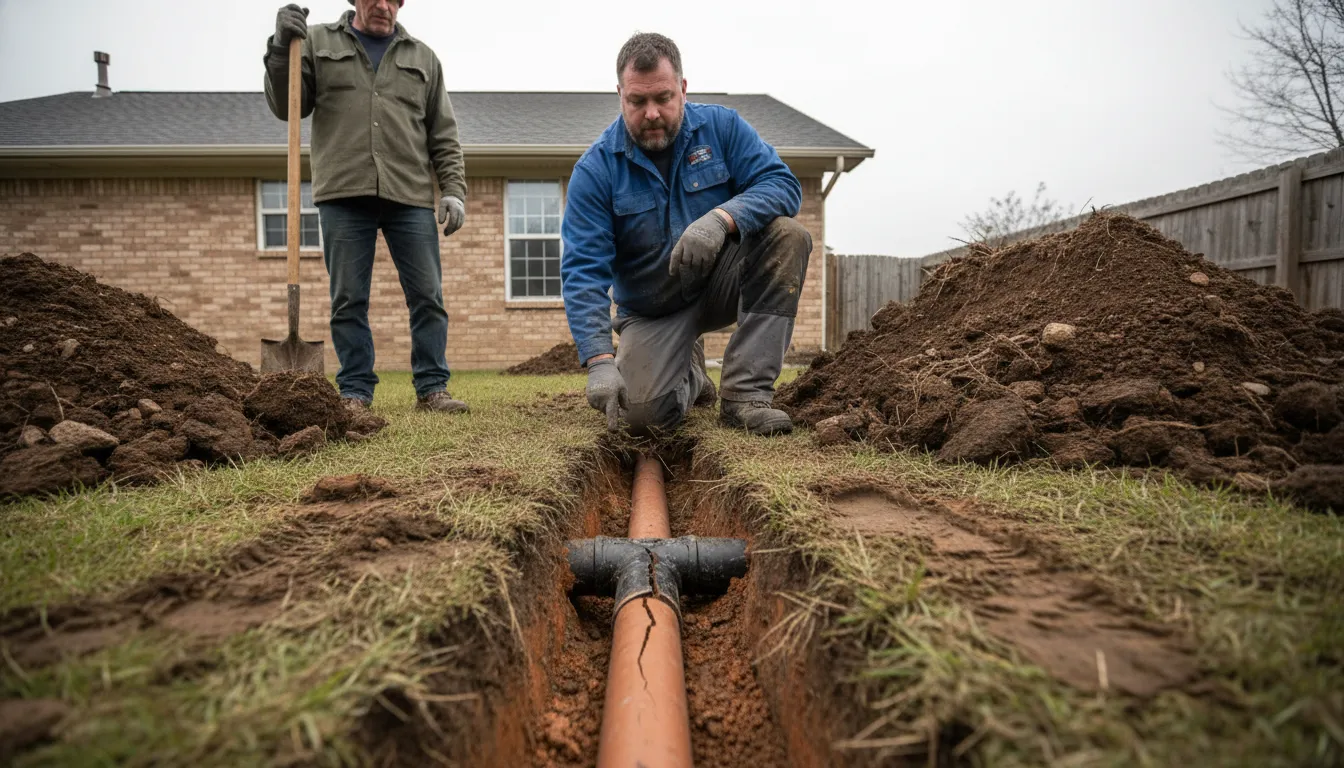
Find the Best Sewer Line Repair Companies for Your Business
No obligation • Fast responses • Nationwide coverage

Why you can trust Search a Plumber
Search a Plumber is a leading United States resource for finding and evaluating professional plumbing services. Our team researches licensing, experience, and customer feedback to create unbiased, fact-driven overviews. Companies cannot pay to change ratings or placement, ensuring homeowners get trustworthy information.
Search providers near you
Top Sewer Line Repair Companies in Wentzville, Missouri Ranked
A damaged sewer line is a serious issue that can disrupt your home's plumbing, create health hazards, and lead to costly property damage if left unaddressed. Sewer line repair involves diagnosing and fixing the underground pipe that carries all your home's wastewater to the city main. For Wentzville homeowners, understanding your repair options is crucial, as the right solution depends on the pipe's material, location, and the extent of the damage. This guide will help you navigate the process, from recognizing common problems to choosing between modern trenchless methods and traditional excavation, so you can make an informed decision with a local professional.
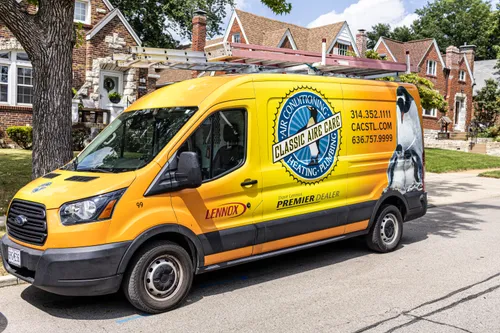
Classic Aire Care
1276 N Warson Rd, St. Louis, MO 63132
Classic Aire Care is a plumbing and HVAC provider serving St Louis, MO, with a focus on residential and commercial services. They offer water heater repair and installation, sump pump and sewer line repair, gas line installation, and toilet repair. The company has been serving the Greater St. Louis area since 1926, providing expertise backed by decades of experience. Classic Aire Care also offers 24/7 emergency service to address urgent plumbing and HVAC needs promptly.
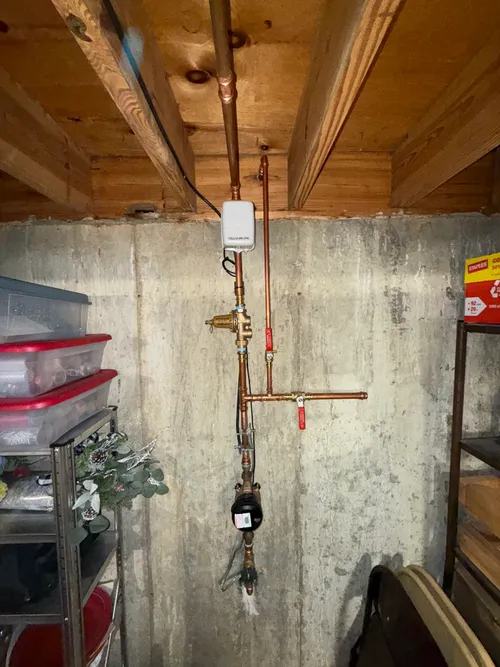
SOTAC Plumbing Services
St Louis, MO
SOTAC Plumbing Services is a plumbing company based in St Louis, MO, offering a wide range of residential and commercial plumbing solutions. Their services include water heater installation, sump pump repair, sewer line repair, repiping, gas line installation, and garbage disposal repair. With over 18 years of experience, they focus on quality workmanship and customer satisfaction. One of their key capabilities is handling complex plumbing repairs and installations with skilled craftsmanship. They emphasize ethical and professional service throughout every project.
Plumbing Innovations
St Louis, MO
Plumbing Innovations is a family-owned plumbing company based in St. Louis, MO, serving the city and surrounding areas. They offer a range of plumbing services including sewer line repair, leak detection, fixture installation, maintenance, and renovations. The company uses advanced tools and environmentally friendly options to address plumbing needs efficiently. With over a decade of experience, Plumbing Innovations provides 24/7 emergency services to handle urgent plumbing problems and protect properties.
PK Plumbing
St Louis, MO
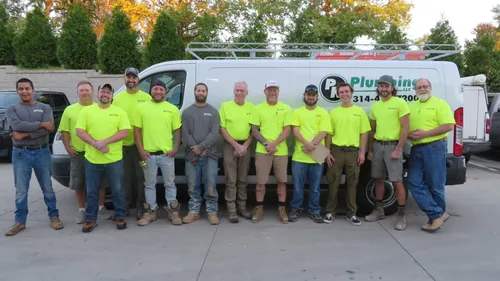
PK Plumbing is a licensed and insured plumbing service provider based in St. Louis, MO, offering a wide range of residential and commercial plumbing solutions. With over 45 years of combined experience from PK Plumbing and Aries Plumbing, they handle services including water heater installation and repair, sump pump repair, sewer line repair, drain cleaning, repiping, gas line installation, and leak detection. They use advanced equipment such as sewer camera inspections and state-of-the-art leak detection tools to accurately diagnose and efficiently resolve plumbing issues. PK Plumbing is locally owned and operated, emphasizing quality materials and industry best practices to ensure durable results.
Roto-Rooter Plumbing & Water Cleanup
4806 Trade Access Blvd Ste 900, Hazelwood, MO 63042
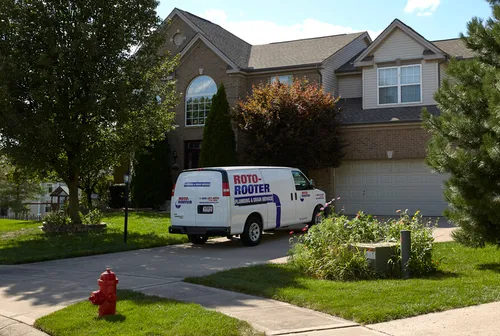
Roto-Rooter Plumbing & Water Cleanup provides a wide range of plumbing services in St Louis, MO, including sewer camera inspections, water heater repairs and installations, drain cleaning, hydro jetting, sewer line repair, trenchless sewer repair, leak detection, and toilet repair. They serve the Hazelwood metro area and surrounding communities, addressing issues such as clogged drains, sewer backups, and water heater problems. Their capabilities include video camera inspections for sewer lines and trenchless sewer repair methods that minimize disruption. Roto-Rooter offers 24/7 emergency service to handle urgent plumbing and water-related problems at any time.
Common Causes of Sewer Line Problems in Wentzville
Sewer lines are buried and out of sight, but several factors common to the St. Louis area can lead to failures. Knowing the cause helps in diagnosing the issue and selecting the proper repair strategy.
- Tree Root Intrusion: This is one of the most frequent culprits 1. Roots from mature trees are naturally drawn to the moisture and nutrients in sewer pipes. They can infiltrate through tiny cracks or pipe joints, eventually causing complete blockages or breaking the pipe apart as they grow.
- Aging and Deteriorating Pipes: Many older homes in the region have sewer lines made of clay tile or cast iron. Over decades, these materials can crack, corrode, collapse, or have their joints fail due to ground pressure and chemical wear 2.
- Ground Shifting and Soil Movement: Missouri's clay-rich soil expands when wet and contracts when dry. This constant movement can put stress on sewer pipes, leading to misaligned joints, cracks, or even complete breaks 3.
- Grease and Debris Buildup: Pouring fats, oils, and grease (FOG) down drains is a leading cause of internal blockages. Over time, these substances solidify inside the pipe, restricting flow and creating pressure that can exacerbate other weaknesses.
- Physical Damage: Construction work, heavy vehicle traffic over the pipe's path, or even ground freezing can physically crush or break sewer lines.
Signs You Need Sewer Line Repair
Don't wait for a catastrophic failure. If you notice any of the following signs, it's time to call a Wentzville plumbing specialist for a camera inspection.
- Multiple Slow or Clogged Drains: If more than one fixture (like a toilet, shower, and sink) are draining slowly or backing up simultaneously, the problem is likely in the main sewer line, not an individual branch.
- Unpleasant Sewage Odors: Foul smells emanating from drains or in your yard, especially near the cleanout or the path of the sewer line, indicate a break or crack.
- Soggy Patches or Lush Grass in Yard: An unexplained, consistently wet area or a patch of grass that is noticeably greener and grows faster than the rest of your lawn can signal a leaking sewer line underground.
- Gurgling Sounds: Hearing gurgling noises from toilets or drains when using water elsewhere in the house often points to a ventilation or blockage issue in the main line.
- Foundation Cracks or Settlement: In severe cases, leaking water from a broken sewer line can saturate the soil around your home's foundation, leading to shifting or cracking.
Repair Method 1: Trenchless Sewer Repair
Trenchless technology has revolutionized sewer line fixes by minimizing disruption to your property. This approach is often ideal for repairing cracked, bellied, or root-damaged pipes that are still structurally intact.
How It Works: The process begins with a high-definition camera inspection to pinpoint the exact location and nature of the damage. For the most common trenchless method, Cured-In-Place Pipe (CIPP) lining, a flexible tube coated with resin is inserted into the damaged pipe. It is then inflated and cured (often with steam or UV light), forming a hard, seamless "pipe-within-a-pipe" that seals all cracks and holes. Another method, pipe bursting, involves pulling a new pipe through the old one, which simultaneously fractures the old pipe outward. This is used for replacing severely damaged lines with a new pipe of equal or larger diameter 4.
Advantages of Trenchless Repair:
- Minimal Disruption: No large trenches through your lawn, driveway, or landscaping. Access is gained through small entry and exit pits.
- Speed: Most trenchless sewer repairs can be completed in one to two days 5.
- Durability: The epoxy resin used in CIPP lining is highly resistant to corrosion and root intrusion, with a lifespan often exceeding 50 years 6.
- Cost-Effective Long-Term: While the upfront material cost can be higher, you save significantly on the labor and massive costs of landscape and hardscape restoration required after excavation.
Limitations of Trenchless Repair:
- Not for Collapsed Pipes: If the existing pipe has fully collapsed or has severe misalignment, trenchless methods may not be feasible, as they require a clear pathway 7.
- Access Point Requirements: The existing pipe must be accessible from two points (typically a cleanout and the main tap) for the lining or bursting equipment.
- Potential for Diameter Reduction: CIPP lining can slightly reduce the internal diameter of the pipe, though this is often negligible with proper installation.
Find the perfect sewer line repair companies for your needs
Get personalized recommendations and expert advice
Repair Method 2: Traditional Excavation (Dig-and-Replace)
Traditional sewer line excavation involves digging an open trench along the path of the damaged pipe to expose it fully. This method is sometimes necessary and can be the most straightforward solution for certain situations.
How It Works: After locating the pipe, heavy equipment is used to dig a trench from the surface down to the pipe's depth. The damaged section is removed and replaced with new PVC or ABS piping. The trench is then backfilled, and restoration of the landscape (sod, concrete, etc.) is required.
When Excavation is the Best Choice:
- Complete Pipe Collapse: When the pipe is flattened or shattered, trenchless methods often cannot proceed.
- Extensive Multiple Failures: If a long, continuous section of pipe is severely damaged, spot repairs or lining may not be cost-effective.
- Necessary Upgrades or Rerouting: If you need to change the pipe's path or significantly increase its diameter, excavation is typically required.
- Simple, Shallow, Accessible Repairs: For a small, localized problem very close to the surface and away from hardscapes, a small excavation can be a quick and economical spot repair.
Drawbacks of Traditional Excavation:
- Major Property Disruption: Your yard, driveway, or garden will be torn up, requiring extensive and costly restoration.
- Longer Project Timeline: The digging, repairing, and restoring process takes considerably longer than trenchless options.
- Higher Restoration Costs: The final bill must account for all labor and materials to return your property to its original state, which can be substantial.
Understanding Sewer Line Repair Costs in Wentzville
The cost for sewer line fixes in Wentzville can vary widely based on the repair method, extent of damage, pipe depth, and local labor rates. It's essential to get detailed, written estimates from licensed local plumbers.
- Starting Point: Basic repairs or spot fixes can begin around $650 or more.
- Average Range: For a standard repair or replacement of a moderate section (e.g., 30 feet), homeowners can expect costs to average around $4,000.
- High-End Projects: Extensive repairs, full line replacements, or projects with difficult access (under driveways, deep lines) can range from $7,500 to $15,000 or more.
- Cost Comparison: While trenchless repair materials have a higher upfront cost, the total project price is often 30-50% less than full traditional replacement when you factor in the eliminated costs of excavation, backfilling, and restoration 8 9.
The Diagnostic Step: Sewer Camera Inspection
Before any repair begins, a sewer camera inspection is a non-negotiable diagnostic tool. A local Wentzville plumber will insert a waterproof, high-resolution camera on a flexible rod into your sewer line. This allows them to see the exact condition of the pipe interior, locate blockages or damage, and measure the precise distance to the problem. This inspection is critical for providing an accurate quote and determining whether trenchless or excavation is the most suitable solution 10.
Navigating Insurance and Permits
- Homeowners Insurance: Standard policies typically do not cover sewer line repairs due to wear and tear, aging, or tree roots 11. Coverage may apply only if the damage is sudden and accidental, like damage from a covered peril (e.g., a vehicle crashing into your yard). Always check your policy details and speak with your agent.
- City Permits: Most sewer line repairs, especially those involving the connection to the city main, require a permit from Wentzville or St. Charles County. A reputable, licensed plumbing contractor will usually handle the permit application process on your behalf.
Choosing a Wentzville Sewer Repair Professional
Selecting the right contractor is as important as choosing the repair method. Look for a licensed, insured plumber with specific experience in both trenchless and excavation-based sewer repair. Ask for references, verify they perform camera inspections before quoting, and ensure they provide detailed, written estimates that break down labor, materials, permit fees, and restoration costs. Getting multiple quotes will give you the best perspective on both price and the proposed solution for your specific situation.
Frequently asked questions
Sources
Footnotes
-
5 Most Common Residential Sewer Line Problems in St. Louis - https://www.nuflowstlouis.com/5-common-residential-sewer-line-problems-st-louis/ ↩
-
Is Trenchless Sewer Repair Worth It? - Clog Busters - https://clogbustersllc.com/is-trenchless-sewer-repair-worth-it/ ↩
-
Different Types of Sewer Line Damage | Spotted Dog Blog - https://www.spotteddogexcavating.com/blog/different-types-of-sewer-line-damage/ ↩
-
4 Reasons to Consider Trenchless Technologies - ICC - https://www.iccsafe.org/building-safety-journal/bsj-technical/4-reasons-to-consider-trenchless-technologies/ ↩
-
Sewer Pipe Lining vs Residential Excavation - 128 Plumbing - https://www.128plumbing.com/sewer-pipe-lining-vs-residential-excavation/ ↩
-
How Long Does CIPP Trenchless Sewer Repair Last? - https://plumbingsacramento.com/how-long-does-cipp-trenchless-sewer-repair-last/ ↩
-
What Are The Pros and Cons of Trenchless Sewer Repair? - https://www.southernairnow.com/blog/what-are-the-pros-and-cons-of-trenchless-sewer-repair/ ↩
-
Cost Comparison: Trenchless vs. Traditional Sewer Line Repair - https://www.advancedtrenchlesssolutions.com/blog/cost-comparison-trenchless-vs-traditional-sewer-line-repair ↩
-
The Pros and Cons of Trenchless Sewer Repair - Mr. Rooter Plumbing - https://www.mrrooter.com/about/blog/the-pros-and-cons-of-trenchless-sewer-repair/ ↩
-
Trenchless Sewer Repair St. Louis, MO - https://www.nuflowstlouis.com/services/trenchless-sewer-repair/ ↩
-
Does homeowners insurance cover sewer line damage? - Progressive - https://www.progressive.com/answers/insurance-for-sewer-lines/ ↩