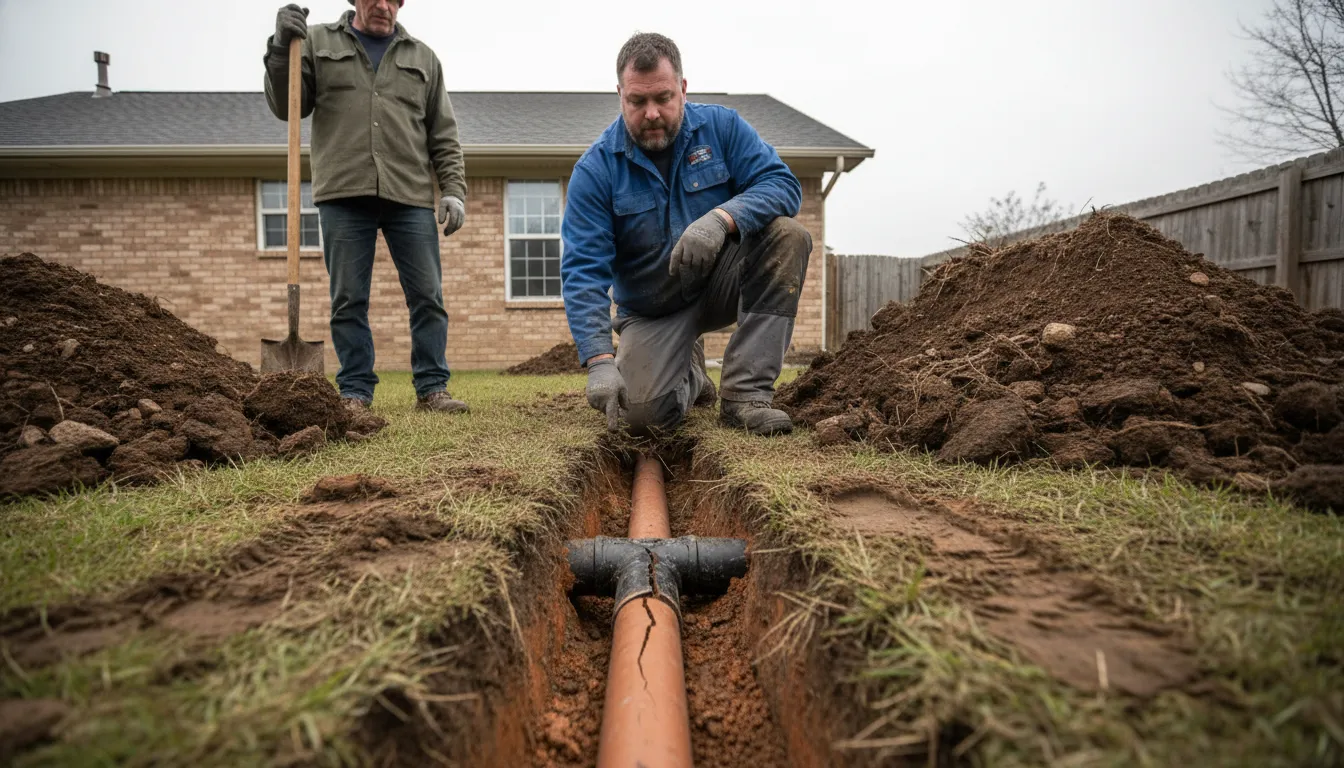
Find the Best Sewer Line Repair Companies for Your Business
No obligation • Fast responses • Nationwide coverage

Why you can trust Search a Plumber
Search a Plumber is a leading United States resource for finding and evaluating professional plumbing services. Our team researches licensing, experience, and customer feedback to create unbiased, fact-driven overviews. Companies cannot pay to change ratings or placement, ensuring homeowners get trustworthy information.
Search providers near you
Top Sewer Line Repair Companies in St Charles, Missouri Ranked
A damaged sewer line is a serious issue that can lead to foul odors, slow drains, sewage backups, and significant property damage. When your main sewer lateral fails, you need a reliable, long-term solution. This guide explains the critical aspects of sewer line repair and replacement for St. Charles homeowners, detailing the common problems, modern and traditional repair methods, and local resources to help you make an informed decision when selecting a professional service.
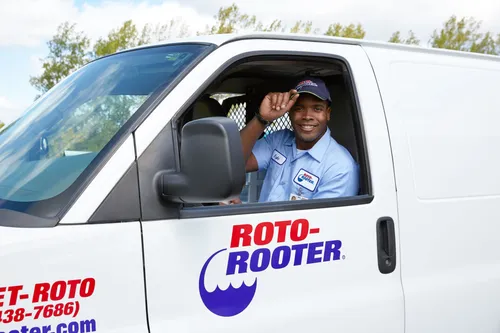
Roto-Rooter Plumbing & Water Cleanup
300 Biltmore Dr Ste 348, Fenton, MO 63026
Roto-Rooter Plumbing & Water Cleanup provides a wide range of plumbing services in St Louis, MO, including sewer camera inspections, water heater repairs and installations, drain cleaning, hydro jetting, and sewer line repairs using both conventional excavation and trenchless methods. They also install water softeners and filtration systems to address hard water issues common in the area. The company offers 24/7 emergency plumbing services to address urgent problems promptly. Their technicians use video camera inspections to accurately diagnose sewer line issues and provide effective solutions.
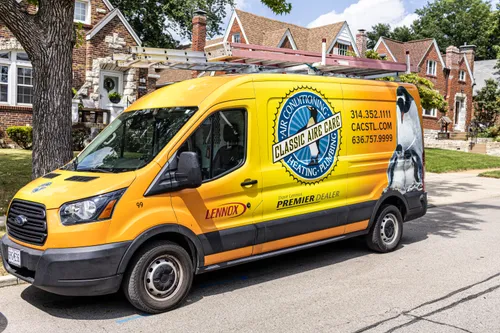
Classic Aire Care
1276 N Warson Rd, St. Louis, MO 63132
Classic Aire Care is a plumbing and HVAC provider serving St Louis, MO, with a focus on residential and commercial services. They offer water heater repair and installation, sump pump and sewer line repair, gas line installation, and toilet repair. The company has been serving the Greater St. Louis area since 1926, providing expertise backed by decades of experience. Classic Aire Care also offers 24/7 emergency service to address urgent plumbing and HVAC needs promptly.
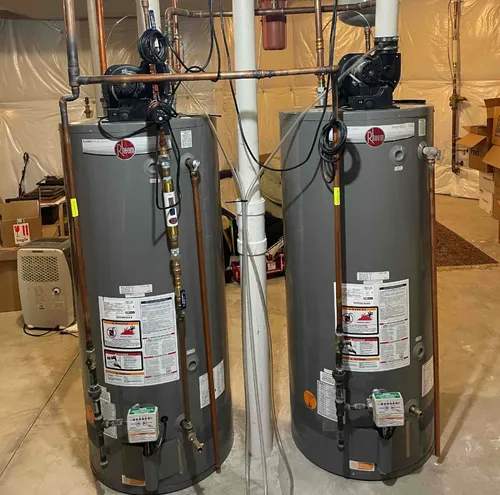
Tony LaMartina Plumbing Co. Inc
5705 Dale Ave, St. Louis, MO 63110
Tony LaMartina Plumbing Co. Inc is a family-owned plumbing company serving St Louis, MO. They offer a wide range of plumbing services including water heater repair and installation, tankless water heater services, drain cleaning, hydro jetting, sewer line repair, trenchless sewer repair, leak detection, and repiping. The company has over 40 years of experience and a legacy of plumbing expertise in the St. Louis area dating back over 100 years. They emphasize thorough preparation and clean work practices to ensure quality results.
SOTAC Plumbing Services
St Louis, MO
SOTAC Plumbing Services is a plumbing company based in St Louis, MO, offering a wide range of residential and commercial plumbing solutions. Their services include water heater installation, sump pump repair, sewer line repair, repiping, gas line installation, and garbage disposal repair. With over 18 years of experience, they focus on quality workmanship and customer satisfaction. One of their key capabilities is handling complex plumbing repairs and installations with skilled craftsmanship. They emphasize ethical and professional service throughout every project.
Plumbing Innovations
St Louis, MO
Plumbing Innovations is a family-owned plumbing company based in St. Louis, MO, serving the city and surrounding areas. They offer a range of plumbing services including sewer line repair, leak detection, fixture installation, maintenance, and renovations. The company uses advanced tools and environmentally friendly options to address plumbing needs efficiently. With over a decade of experience, Plumbing Innovations provides 24/7 emergency services to handle urgent plumbing problems and protect properties.
Understanding Your Sewer Lateral
Your home's sewer lateral is the private pipeline that carries all wastewater from your house (from toilets, sinks, showers, and appliances) out to the public sewer main, usually located under the street. In St. Charles, this line typically runs from your home's foundation, underneath your basement slab, yard, driveway, or sidewalk, to the city's connection point. This critical infrastructure is your responsibility to maintain and repair.
Common Causes of Sewer Line Failure in St. Charles
Several factors specific to our region and older housing stock can lead to sewer line problems:
- Tree Root Intrusion: This is a leading cause. Roots seek moisture and can infiltrate even small cracks or loose joints in pipes, eventually causing complete blockages or breaking the pipe apart.
- Aging and Deteriorated Pipes: Many homes in St. Charles have original sewer lines made of cast iron or clay (Orangeburg). Over decades, these materials can corrode, crack, collapse, or have their joints fail 1.
- Ground Shifting and Settlement: Missouri's clay-rich soil expands when wet and contracts when dry. This constant movement can put stress on pipes, leading to misalignment, cracks, or breaks.
- Grease and Debris Buildup: Improper disposal of fats, oils, and non-flushable items can create severe blockages that damage pipes over time.
- Bellied Pipes: A section of the pipe can sink due to ground erosion or settlement, creating a low spot where waste and solids collect, leading to persistent clogs.
Diagnosing the Problem: The Camera Inspection
Before any repair can be planned, an accurate diagnosis is essential. Professional plumbers in St. Charles use specialized sewer camera inspection equipment. A high-resolution camera is fed through the line, providing a real-time video feed that reveals the exact location, nature, and extent of the damage. This inspection is crucial for determining whether a spot repair, full replacement, trenchless, or traditional method is the best solution 2.
Repair Method 1: Trenchless Sewer Repair
Trenchless technology has revolutionized sewer line repair by minimizing disruption to your property. There are two primary trenchless methods:
1. Cured-In-Place Pipe (CIPP) Lining: This is often called pipe lining or epoxy lining. A flexible tube coated with resin (epoxy) is inserted into the damaged pipe through an existing access point. The liner is then inflated, pressing it against the host pipe's interior walls. It is cured using heat or UV light, forming a new, seamless, jointless, and corrosion-resistant pipe within the old one 3 4.
- Pros: Extremely minimal digging (often just two small access pits), preserves landscaping, driveways, and hardscapes. The process is usually completed in a day or two. The new epoxy liner can have a lifespan of 50 years or more.
- Cons: Higher upfront material cost. Cannot be used on a pipe that has fully collapsed or is severely misaligned, as the liner needs a host structure to form against.
2. Pipe Bursting: This method is used for complete sewer line replacement where the old pipe is too damaged to line. A conical bursting head is pulled through the old pipe, simultaneously fracturing it outward and pulling a new, high-density polyethylene (HDPE) pipe into place behind it.
- Pros: Installs a brand-new, durable pipe. Still requires only small entry and exit pits, avoiding a long, open trench.
- Cons: Slightly more disruptive than lining, as it requires pulling equipment. May not be suitable under certain obstacles without careful planning.
Find the perfect sewer line repair companies for your needs
Get personalized recommendations and expert advice
Repair Method 2: Traditional Excavation Repair
The conventional method involves using a backhoe or other equipment to dig a trench along the entire length of the damaged sewer line, exposing it, removing it, and installing a new pipe 5.
- Pros: Can be a lower-cost option for very shallow, easily accessible lines with no complex landscaping above. It is the only viable method if the pipe is completely collapsed and cannot host a liner or be burst 6.
- Cons: Highly disruptive. The trench will destroy lawns, gardens, trees, sidewalks, and driveways. The process takes longer due to digging and, critically, the extensive landscape restoration required afterward. This restoration (sod, concrete, pavers) adds significant time and cost to the project 7.
Cost Considerations for St. Charles Homeowners
Sewer line repair is a significant investment. Costs vary widely based on the method, length and depth of the line, extent of damage, and soil conditions.
- Trenchless Repair (Lining/Bursting): Often ranges from $3,000 to $12,000 or more. The cost reflects the specialized materials and technology but typically includes the repair itself with minimal restoration needed 8.
- Traditional Excavation Repair: May range from $4,000 to $20,000 or more. The lower end might apply to a short, shallow repair. However, this base price rarely includes the cost to restore your yard, driveway, or other affected surfaces, which can easily add $1,500 to $5,000+ 9 10.
- Key Takeaway: While trenchless methods often have a higher initial quote, the total project cost can be more comparable-or even lower-than traditional digging when you factor in the avoided costs of landscape demolition and restoration.
A Valuable Local Resource: The St. Charles Lateral Repair Program
The City of St. Charles offers a Residential Sewer Lateral Repair Insurance Program 11. For an annual fee, this program may provide financial assistance for repairs to the portion of the lateral that runs from your home to the property line. It is highly recommended that St. Charles homeowners contact the city's Public Works department or visit their website to understand the current coverage details, enrollment periods, and eligibility requirements 12 11. This program can be a crucial factor in managing the cost of a major repair.
Choosing the Right Service Provider
When facing a sewer line issue, seek out licensed, insured, and experienced local professionals. Look for companies that:
- Offer comprehensive camera inspections and provide clear video evidence of the problem.
- Explain both trenchless and traditional options without bias, outlining the pros and cons for your specific situation.
- Provide detailed, written estimates that clearly separate repair costs from any potential restoration costs.
- Have verifiable experience and positive reviews from other St. Charles residents.
- Are familiar with local codes and can help navigate permits if required.
Frequently asked questions
Sources
Footnotes
-
Sewer Repair in Wichita - https://www.bowersplumbingcompany.com/plumbing-services/sewers/ ↩
-
Sewer Line Repair | St Charles County MO - https://www.rootermanstcharles.com/sewer-line-repair-mo ↩
-
Sewer Pipe Lining in St. Charles, Missouri - Nu Flow St. Louis - https://www.nuflowstlouis.com/service-areas/st-charles-mo/sewer-pipe-lining/ ↩
-
Pipe Lining Services | St. Charles County, MO - https://www.premierwaterandsewer.com/pipe-lining-services ↩
-
Trenchless Sewer Line Repair vs Traditional: Which Is Better - https://cactusplumbingandair.com/trenchless-sewer-line-repair-vs-traditional/ ↩
-
Trenchless Sewer Repair vs. Traditional Excavation: Which is Better? - https://alphaenvironmental.net/blog/trenchless-sewer-repair-vs-traditional-excavation-which-is-better/ ↩
-
Trenchless Sewer Repair vs. Traditional Excavation - TDT Plumbing - https://tdtplumbing.com/trenchless-sewer-repair/difference-to-traditional-repair/ ↩
-
Trenchless Sewer Repair In St. Charles, Missouri - https://www.nuflowstlouis.com/service-areas/st-charles-mo/trenchless-sewer-repair/ ↩
-
Trenchless vs. Traditional Sewer Repair - https://sewerlinesonly.com/trenchless-vs-traditional-sewer-repair-which-is-more-cost-effective-for-lakewood-homeowners/ ↩
-
Cost Comparison: Trenchless vs. Traditional Sewer Line Repair - https://www.advancedtrenchlesssolutions.com/blog/cost-comparison-trenchless-vs-traditional-sewer-line-repair ↩
-
Residential Sewer Lateral Repair Insurance Program - https://www.stcharlescitymo.gov/231/Residential-Sewer-Line-Insurance-Program ↩ ↩2
-
Trenchless Sewer Line Repair & Replacement: How it Works - https://www.classicairecare.com/blog/trenchless-sewer-repair ↩