Find the Best Sewer Line Repair Companies for Your Business
No obligation • Fast responses • Nationwide coverage

Why you can trust Search a Plumber
Search a Plumber is a leading United States resource for finding and evaluating professional plumbing services. Our team researches licensing, experience, and customer feedback to create unbiased, fact-driven overviews. Companies cannot pay to change ratings or placement, ensuring homeowners get trustworthy information.
Search providers near you
Top Sewer Line Repair Companies in Dearborn, Michigan Ranked
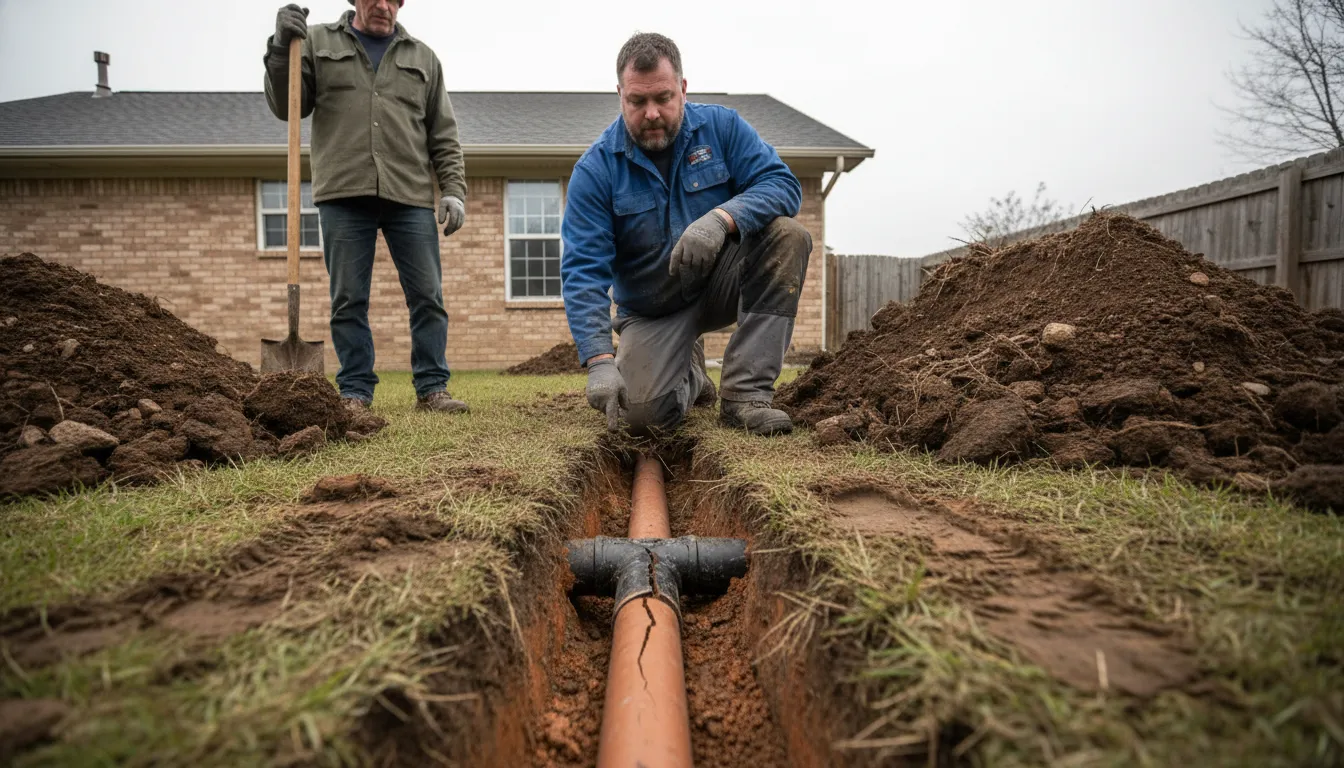
A damaged sewer line is a serious issue that can disrupt your home's entire plumbing system and lead to costly property damage. Sewer line repair involves fixing or replacing the underground pipe that carries wastewater from your home to the city's main sewer line. This guide explains the common causes of sewer line failure in Dearborn, details the modern repair methods available, and helps you understand what to expect so you can find the right local professional for the job.
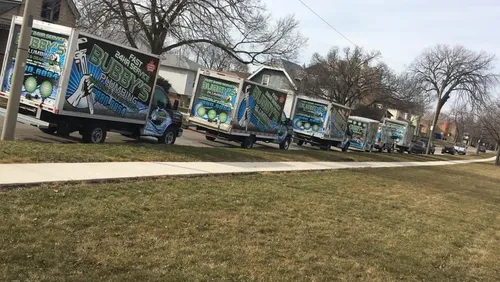
Bubby's Plumbing
1074 Crawford Ave, Windsor, ON N9A 5C9, Canada
Bubby's Plumbing offers plumbing, heating, and drain services in Detroit, MI, with a focus on residential and commercial needs. They provide sewer camera inspections, drain cleaning, and sewer line repairs. The company serves the Windsor-Essex region and is available 24 hours a day for emergency plumbing support. Bubby's Plumbing emphasizes individualized plumbing options and aims to complete all work to high standards.
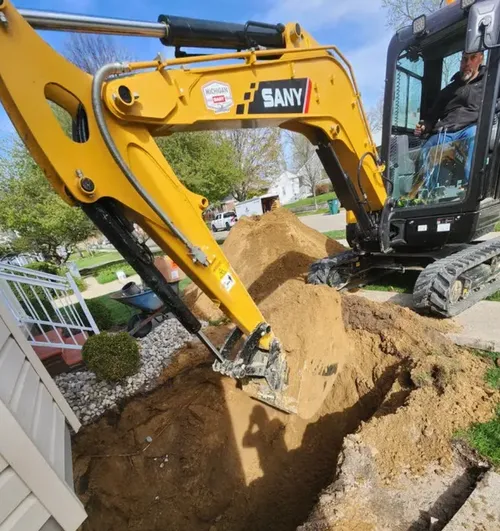
Triton Plumbing
1307 E Maple Rd, Troy, MI 48083
Triton Plumbing is a plumbing company serving Detroit, MI, led by a fourth-generation master plumber. They offer a range of residential and commercial plumbing services including trenchless sewer repair, sewer camera inspections, water heater installation and repair, sump pump services, drain cleaning, leak detection, and toilet repairs. Their trenchless sewer repair uses advanced technology to minimize property disruption by creating small access points for pipe repairs. Triton Plumbing also provides sump pump solutions to protect properties from flooding, especially in Oakland and Macomb County. The company emphasizes quality and integrity in their work and has experience handling complex sewer line replacements and hydro jetting services.
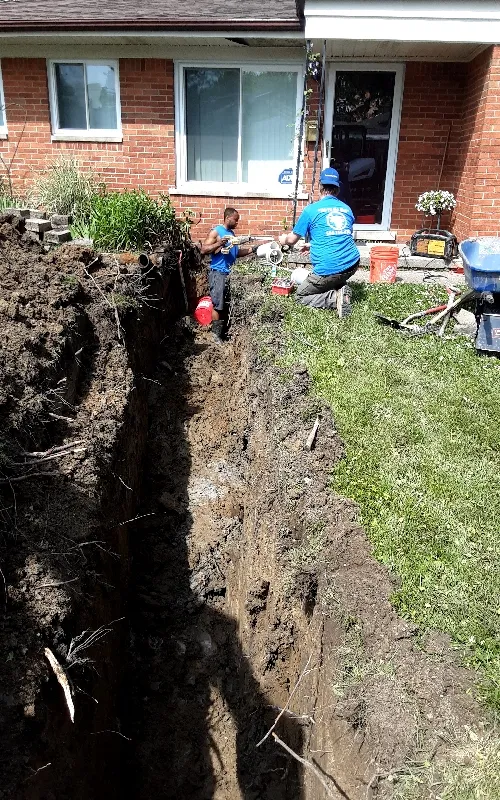
Bison Plumbing
25780 Ryan Rd, Warren, MI 48091
Bison Plumbing is a family-owned and operated plumbing company serving Detroit, MI, and the surrounding Metro Detroit area since 1998. They provide a wide range of commercial and residential plumbing services, including sewer camera inspections, drain cleaning, hydro jetting, trenchless sewer repair, and general plumbing repairs. Their expertise in no-dig sewer repairs, such as pipe lining and pipe patching, allows them to rehabilitate sewer and storm lines without traditional digging methods. Bison Plumbing also offers backflow testing and mechanical piping services, ensuring compliance with local codes and standards.
Motor City Plumbing and Drain
30367 Gratiot Ave, Roseville, MI 48066
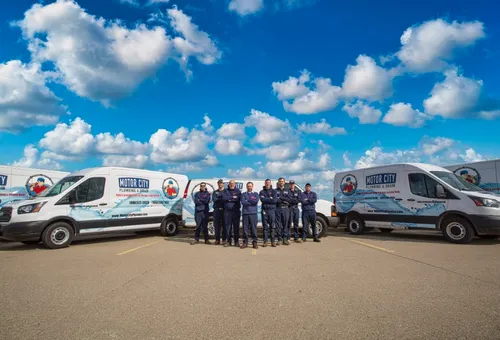
Motor City Plumbing and Drain is a plumbing service provider based in Detroit, MI. They offer a wide range of plumbing services including sewer camera inspections, water heater repair and installation, sump pump repair, drain cleaning, hydro jetting, sewer line repair, leak detection, repiping, gas line installation, and toilet repair. The company is known for its use of advanced techniques such as hydro jetting and sewer camera inspections to diagnose and resolve plumbing issues efficiently. Motor City Plumbing and Drain has built a reputation for thorough and professional service, with many customers noting the expertise and clear communication of their technicians. They serve residential and commercial clients in the Detroit area and emphasize customer education and transparency throughout their work.
Detroit Furnace LLC
31313 Kendall, Fraser, MI 48026
Detroit Furnace LLC provides comprehensive plumbing and HVAC services in Detroit, MI. Their offerings include water heater repair and installation, drain cleaning, sewer line repair, leak detection, repiping, gas line installation, toilet repair, and garbage disposal repair. The company serves the Detroit Metro area and is equipped to handle a wide range of plumbing and heating needs with skilled technicians. They offer 24/7 emergency service and support all brands and models. Detroit Furnace LLC is known for its commitment to proper installation and maintenance, including a "no lemon" guarantee for heating systems maintained by their team.
Understanding Your Sewer Line System
Your home's main sewer line, also called a sewer lateral, is a critical but hidden component. It runs from the foundation of your house, underneath your yard, and connects to the municipal sewer main at the street. This pipe is responsible for transporting all wastewater from your toilets, sinks, showers, and appliances. When it fails, the consequences can range from slow drains and unpleasant odors to severe backups and property damage. In Dearborn, many homes have aging infrastructure, making awareness of sewer line health particularly important.
Common Causes of Sewer Line Problems in Dearborn
Several factors specific to Michigan's climate and older housing stock contribute to sewer line issues here. Identifying the root cause is the first step toward an effective repair.
- Tree Root Intrusion: This is a leading cause of blockages and damage. Invasive tree roots seek out moisture and can infiltrate tiny cracks or loose joints in older clay or cast iron pipes. Once inside, they grow and expand, causing major clogs and eventually breaking the pipe.
- Aging and Corroding Pipes: Many Dearborn homes have original sewer lines made of clay tile or cast iron. Over decades, cast iron can corrode and rust through, while brittle clay pipes are prone to cracking, collapsing, or having their joints separate.
- Ground Shifts and Soil Movement: Michigan's significant freeze-thaw cycles cause the ground to heave and settle seasonally. This constant movement can put stress on underground pipes, leading to misalignment, cracks, or complete breaks.
- Grease Buildup and Blockages: Pouring fats, oils, and grease (FOG) down drains is a common mistake. These substances solidify inside pipes, narrowing the passageway and creating stubborn blockages that can escalate into a full line backup 1.
- Bellied or Sagging Pipes: A section of pipe can sink due to soil erosion or improper installation, creating a low spot where waste and sediment collect. This "belly" leads to chronic blockages and prevents proper flow 2.
Signs You Need Sewer Line Repair
Don't ignore these warning signs. Early detection can prevent a minor issue from becoming a major excavation project.
- Multiple Drain Backups: If more than one plumbing fixture (e.g., a toilet and a basement drain) is backing up simultaneously, it strongly points to a problem in the main line.
- Unusual Lawn Conditions: Soggy patches, sinkholes, or sewage odors in your yard, especially when the weather is dry, can indicate a leaking sewer pipe underground.
- Gurgling Sounds: Hearing gurgling noises from toilets or drains when using other fixtures suggests trapped air in the line due to a blockage.
- Slow Drains Throughout the House: If all your drains are slow, despite using plungers or drain cleaners, the obstruction is likely in the main sewer line.
- Sewage Odors: Persistent foul smells from drains or in your yard are a clear sign of a break or crack in the sewer line, allowing sewer gas to escape 3.
Diagnostic Step: The Sewer Camera Inspection
Before any repair begins, a professional should conduct a sewer camera inspection. A specialized, waterproof camera is fed through the line, providing a real-time video feed of the pipe's interior condition 4. This crucial step identifies the exact location, nature, and extent of the damage without any digging. It allows for an accurate diagnosis and helps determine the most effective and cost-efficient repair method, whether it's a simple spot fix or a full replacement.
Sewer Line Repair Methods Explained
Once the problem is diagnosed, you and your plumbing professional can decide on the best repair strategy. The two primary categories are traditional excavation and modern trenchless technology.
Traditional Excavation Repair
This is the conventional "dig-and-replace" method. It involves using a backhoe to excavate a large trench in your yard to fully expose the damaged sewer pipe section. The old pipe is removed and a new one is installed in its place.
- Pros: It's a straightforward solution that allows for a complete visual inspection and is often necessary for pipes that have fully collapsed or are severely misaligned 5. It can be the most cost-effective method for very short, accessible repairs.
- Cons: The process is highly invasive, causing significant disruption to your landscaping, driveway, or walkways. It requires extensive labor for both digging and restoration, which increases the overall project time and cost. The mess and landscape damage are the biggest drawbacks for most homeowners.
Trenchless Sewer Repair
Trenchless technology has revolutionized sewer line repair by fixing pipes with minimal excavation. It's often the preferred choice in Dearborn for its balance of effectiveness and property preservation. There are two main trenchless techniques:
1. Cured-In-Place Pipe (CIPP) Lining This method creates a "pipe within a pipe." A flexible, resin-saturated felt tube is inverted or pulled into the damaged host pipe. Using air pressure or water, it is expanded to fit tightly against the old pipe's walls. The resin is then cured (often with hot water or UV light), hardening to form a smooth, jointless, and corrosion-resistant new pipe.
- Pros: Extremely minimally invasive, often requiring only two small access pits. It strengthens the existing pipe, seals cracks and joints against roots, and can extend the life of the line by 50 years or more 6. It preserves your yard, patio, and driveway.
- Cons: It requires the existing pipe to have a structurally sound shape to act as a host; it cannot be used on fully collapsed sections. The initial material cost can be higher than a simple spot excavation, though it often saves money on restoration 7 8.
2. Pipe Bursting This technique is used when the old pipe is too damaged to line but you still want to avoid a large trench. A conical bursting head is pulled through the old pipe, fracturing it outward. Simultaneously, it pulls a new, high-density polyethylene (HDPE) pipe behind it to immediately take its place.
- Pros: Allows for a full pipe replacement with a durable, root-resistant material while only requiring small entry and exit pits. It can slightly increase the pipe diameter if needed.
- Cons: It is more disruptive than CIPP lining due to the ground vibration from bursting. It may not be suitable under certain structures or very close to other underground utilities.
Find the perfect sewer line repair companies for your needs
Get personalized recommendations and expert advice
Cost Considerations for Sewer Repair in Dearborn
The cost of sewer line repair or replacement varies widely based on the method, extent of damage, pipe length, depth, and accessibility. Here's a general breakdown based on local data:
- Spot Repair (Excavation): For a small, localized fix using traditional digging, costs can start in the range of $1,000 to $3,000 or more 9.
- Trenchless Repair (CIPP Lining): This is typically priced per linear foot. In the Dearborn area, costs can range from $80 to $250+ per foot, depending on the pipe's diameter, material, and condition 10 11. For an average 50-foot line, this could translate to $4,000 to $12,500+.
- Full Traditional Replacement (Excavation): Completely digging up and replacing an entire sewer lateral is the most labor-intensive option. Costs can range from $5,000 to $20,000 or more, heavily influenced by the depth of the pipe, length of the run, and the complexity of restoring your property afterward 12 13.
Key Takeaway: While trenchless methods may have a higher upfront cost per foot than a simple spot dig, they frequently result in a lower total project cost by eliminating thousands of dollars in landscaping, concrete, and hardscape restoration 14. Always get a detailed, line-item estimate that includes the diagnostic camera inspection, repair method, materials, and all restoration work.
Choosing the Right Service for Your Home
When looking for a sewer line specialist in Dearborn, prioritize those who offer a comprehensive approach. They should start with a thorough camera inspection and provide a clear explanation of the problem. A reputable professional will discuss all viable repair options-both trenchless and traditional-with their associated pros, cons, and costs, helping you make an informed decision based on your specific situation and budget. Look for licensed, insured plumbers with specific experience in sewer line diagnostics and trenchless technology, and don't hesitate to ask for references or examples of past work.
Frequently asked questions
Sources
Footnotes
-
The Ultimate Guide to Sewer Line Damages and Repair: Trust Done Right Today for Exceptional Service - https://donerighttoday.com/the-ultimate-guide-to-sewer-line-damages-and-repair-trust-done-right-today-for-exceptional-service/ ↩
-
Most Common Sewer Line Problems and Repairs - https://www.libertyhomeguard.com/blog/home-maintenance/common-sewer-line-problems-and-repairs/ ↩
-
Sewer Line Repair and Replacement Services in Vancouver - https://djplumbing.ca/sewer-line-repair-replacement-services-vancouver/ ↩
-
Why Sewer Line Inspections Matter | Port St. Lucie - https://www.benjaminfranklinplumbing.com/port-st-lucie/blog/2025/may/the-importance-of-regular-sewer-line-inspections/ ↩
-
Is Trenchless Sewer Repair Worth It? - Clog Busters - https://clogbustersllc.com/is-trenchless-sewer-repair-worth-it/ ↩
-
How Long Does CIPP Trenchless Sewer Repair Last? - https://plumbingsacramento.com/how-long-does-cipp-trenchless-sewer-repair-last/ ↩
-
What Are The Pros and Cons of Trenchless Sewer Repair? - https://www.southernairnow.com/blog/what-are-the-pros-and-cons-of-trenchless-sewer-repair/ ↩
-
Cheapest Way to Replace Sewer Line: 5 Proven Money-Saving Tips - https://www.pdsplumbingandair.com/cheapest-way-to-replace-sewer-line/ ↩
-
The Cost of Sewer Line Repair: What to Expect - https://www.rootermangta.ca/the-cost-of-sewer-line-repair-what-to-expect/ ↩
-
Cost of Trenchless Pipe Repair in Dearborn, MI - https://dearbornplumbingservice.com/cost-of/trenchless-pipe-repair ↩
-
How Much Does Pipe Lining Cost: A Detailed Cost Breakdown - https://www.benjaminfranklinplumbing.com/league-city/blog/2024/december/how-much-does-pipe-lining-cost-a-detailed-cost-breakdown/ ↩
-
Sewer Line Replacement Cost for a Michigan Homeowner - https://edwardsph.com/sewer-line-replacement-cost-for-a-michigan-homeowner/ ↩
-
Cost Comparison: Trenchless vs. Traditional Sewer Line Repair - https://www.advancedtrenchlesssolutions.com/blog/cost-comparison-trenchless-vs-traditional-sewer-line-repair ↩
-
The Cost Of Trenchless Sewer Repairs in Detroit - https://www.mrrooter.com/detroit/residential-services/the-cost-of-trenchless-sewer-repairs/ ↩