Find the Best Sewer Line Repair Companies for Your Business
No obligation • Fast responses • Nationwide coverage

Why you can trust Search a Plumber
Search a Plumber is a leading United States resource for finding and evaluating professional plumbing services. Our team researches licensing, experience, and customer feedback to create unbiased, fact-driven overviews. Companies cannot pay to change ratings or placement, ensuring homeowners get trustworthy information.
Search providers near you
Top Sewer Line Repair Companies in Lynn, Massachusetts Ranked
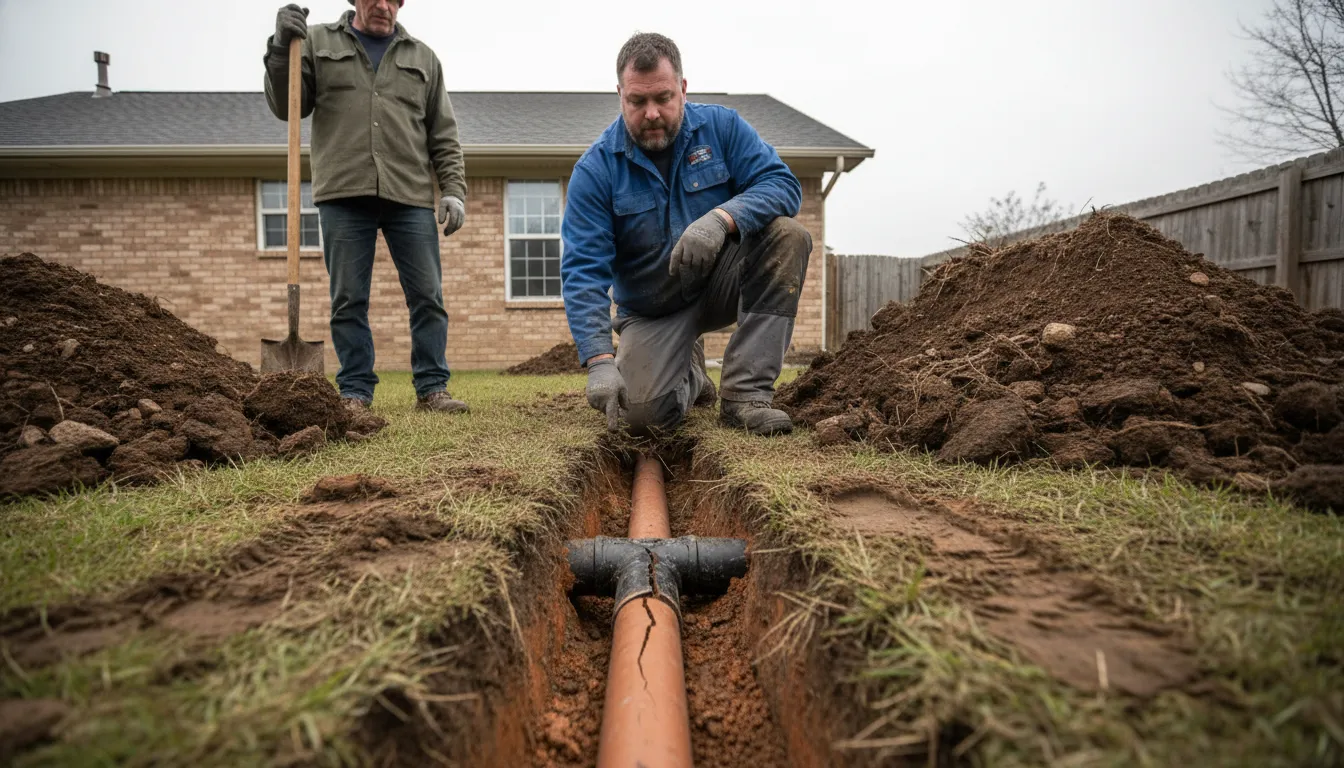
A damaged sewer line is more than an inconvenience; it's a critical threat to your home's sanitation and safety. Sewer line repair addresses the underground pipes that carry wastewater from your home to the city's main sewer line. When these lines fail, it can lead to backups, foul odors, and significant property damage. For Lynn homeowners, understanding the common causes of failure and the modern repair options available is essential for making an informed, cost-effective decision to restore your property's essential plumbing function.
Rooterman
Boston, MA
Rooterman is a sewer and drain service provider based in Boston, MA, offering residential and commercial plumbing solutions. Established in 1970, the company specializes in sewer line repair, drain cleaning, leak detection, toilet repair, and sewer camera inspections. Rooterman also provides certified Title V septic system inspections and offers same-day service for most non-emergency calls. With over 50 years of experience, Rooterman serves the Greater Boston area and surrounding communities, focusing on maintaining sewer and drain systems to protect homes and businesses.
Leo Drain Services Inc.
39 Burns Ave, Quincy, MA 02169
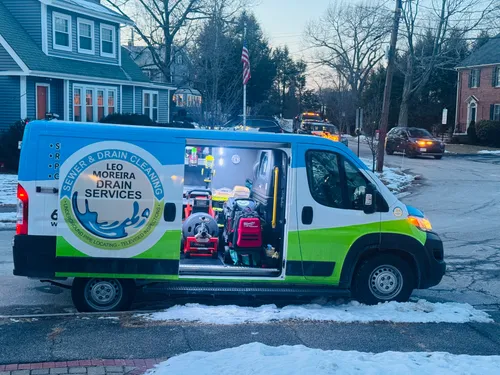
Leo Drain Services Inc. provides drain cleaning, sewer line repair, and sewer camera inspection services in Boston, MA. Established in 2017, the company uses advanced pipeline inspection technology and push camera pipe inspection to diagnose and resolve drainage issues efficiently. They also offer pipe locating with depth and direction, root cutting, and handle both residential and commercial sewer drain cleaning. Leo Drain Services prioritizes respectful service and clear communication to ensure a smooth experience for their customers. They offer 24/7 emergency service to address urgent drainage problems promptly.
Rapid Flow Sewer & Drain Cleaning
Boston, MA
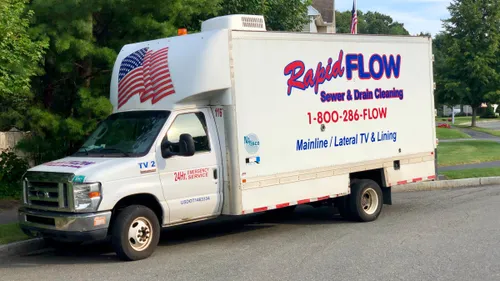
Rapid Flow Sewer & Drain Cleaning is a plumbing service provider based in Boston, MA, specializing in sewer and drain solutions for both residential and commercial properties. They offer a range of services including sewer camera inspections, drain cleaning, sewer line repairs, leak detection, and trenchless sewer repair techniques such as pipe lining. Using advanced technology and modern trenchless methods, they minimize disruption while restoring pipe functionality. The company provides 24/7 emergency services to address urgent plumbing issues promptly and offers preventive maintenance programs to extend the life of plumbing systems and prevent future problems.
Quality Sewer & Drain, Inc
77 Walnut St Unit 5, Peabody, MA 01960
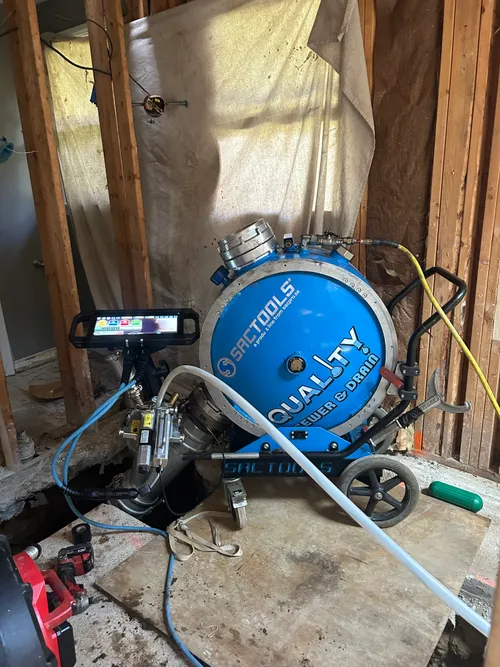
Quality Sewer & Drain, Inc is a family-owned business serving Boston, MA, and the surrounding North Shore area. They provide residential, commercial, and industrial sewer and drain services, including trenchless sewer pipe lining, hydro jetting, video drain inspections, and drain cleaning. The company specializes in trenchless pipe rehabilitation using CIPP lining and pipe patching techniques to restore sewer and drain functionality without extensive digging. With over 20 years of combined experience, Quality Sewer & Drain is certified in multiple pipe lining technologies and serves a wide range of communities in Massachusetts and parts of Southern Maine and New Hampshire.
Readville Plumbing & Heating, LLC
Boston, MA
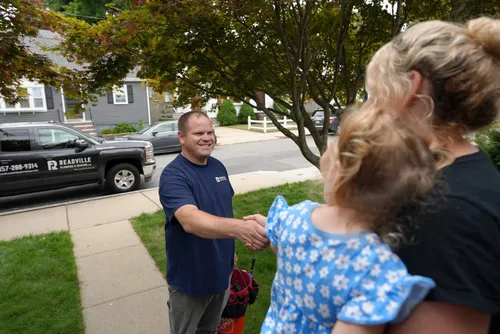
Readville Plumbing & Heating, LLC provides a wide range of plumbing, heating, and HVAC services in Boston, MA. Their offerings include faucet repairs, water heater installations, drain and sewer cleaning, gas line installations, and boiler services. They also handle HVAC repairs and maintenance to ensure year-round home comfort. The company serves Boston and surrounding communities including Readville, Hyde Park, Milton, and others in the Greater Boston area. One notable capability is their comprehensive drain and sewer services, which cover cleaning, inspections, and repairs to maintain proper plumbing function.
Understanding Your Home's Sewer System
Your home's sewer system is an out-of-sight network that plays a vital role in daily life. The main sewer lateral runs from the foundation of your house, underneath your yard, driveway, or sidewalk, and connects to the municipal sewer main at the street. This pipe is your responsibility as a homeowner, and its failure can stem from several age and environment-related issues common in the Lynn area.
Common Causes of Sewer Line Failure
Several factors contribute to the deterioration and blockage of underground drain lines. Identifying the root cause is the first step toward an effective solution.
- Tree Root Intrusion: This is a leading cause of sewer problems. Roots seek out moisture and nutrients and can infiltrate even small cracks or loose joints in pipes, eventually causing complete blockages or breaking the pipe apart as they grow.
- Aging and Corroding Pipes: Many older homes in Lynn were built with cast iron or clay sewer pipes. Over decades, cast iron can rust and corrode from the inside, narrowing the pipe. Clay pipes, while durable, are brittle and prone to cracking from soil movement or pressure.
- Ground Movement and Shifting Soil: New England's freeze-thaw cycles and natural soil settling can cause the ground to shift. This movement puts stress on buried pipes, leading to cracks, misaligned joints, or sags (called "bellies") where waste collects and causes blockages 1.
- Grease and Debris Blockages: While not always a structural failure, the buildup of grease, non-flushable items, and other debris can create severe clogs that mimic or exacerbate a broken line, often requiring professional clearing and inspection 2.
Diagnosing the Problem: The Critical First Step
Before any repair can be planned, an accurate diagnosis is necessary. Modern plumbing professionals use specialized sewer cameras to perform a video inspection. This involves feeding a flexible, waterproof camera on a cable down the line from a cleanout access point. The live feed allows the technician to see the exact condition, location, and cause of the problem-whether it's a root mass, a collapsed section, or a corroded pipe. This inspection is crucial for determining whether a spot repair, a full replacement, or a trenchless solution is the most appropriate and economical fix for your situation.
Repair Methodologies: Trenchless vs. Traditional Excavation
Once the issue is identified, you will typically be presented with two primary repair approaches: traditional excavation or modern trenchless technology. Each has distinct advantages and cost implications.
Traditional Sewer Line Excavation
This is the conventional method, involving digging a long, deep trench along the entire length of the failed pipe to expose it for repair or replacement.
- How It Works: Heavy equipment like backhoes is used to excavate the yard, often requiring the removal of landscaping, sections of driveway, or sidewalk to reach the pipe.
- Pros: For very short, accessible repairs, the initial cost for the plumbing work alone can sometimes be lower than trenchless options 3.
- Cons: The disruption is significant. The process is time-consuming (often taking several days), highly invasive to your property, and leaves behind a major restoration project. The final cost can escalate dramatically when factoring in the expense of repairing lawns, hardscapes, and gardens 4.
Trenchless Sewer Repair
Trenchless technology has revolutionized sewer line repair by minimizing excavation. These methods require only one or two small access pits, causing far less damage to your property.
- How It Works: There are two main trenchless techniques:
- Pipe Bursting: A conical bursting head is pulled through the old, damaged pipe, fracturing it outward while simultaneously pulling a new, seamless high-density polyethylene (HDPE) pipe into place. This method actually replaces the old line with a new, often larger-diameter pipe.
- Pipe Lining (Cured-in-Place Pipe or CIPP): A flexible, resin-saturated liner is inverted or pulled into the existing pipe. It is then inflated and cured using heat or UV light, forming a hard, durable "pipe within a pipe." This method seals cracks and holes without removing the old pipe.
- Pros: The biggest advantage is minimal disruption. There's no large trench, so landscaping, driveways, and patios remain largely intact. The process is much faster (often completed in a day), is not as dependent on weather, and results in a durable, corrosion-resistant new pipe line 5.
- Cons: The upfront cost for the specialized equipment and materials can be higher than the base price of a traditional dig. It also may not be suitable for pipes that have completely collapsed or have severe misalignment 6.
Find the perfect sewer line repair companies for your needs
Get personalized recommendations and expert advice
Cost Considerations for Lynn Homeowners
Understanding the potential investment for sewer line replacement or repair helps in planning and decision-making. Costs in the Boston area, including Lynn, can vary widely based on the method chosen, the length and depth of the line, pipe material, and specific site challenges.
- Spot Repair: For an isolated issue, such as fixing a single cracked section or clearing a root-intruded joint, costs might range from $2,500 to $4,000.
- Full Line Replacement (Per Foot): Costs are frequently estimated per linear foot. For traditional excavation, you might see a range of $50 to $250 per foot, which can include basic backfill but often excludes full restoration of the landscape 7 8.
- Total Project Cost: For a complete sewer lateral replacement on a typical residential property, total costs often fall between $3,000 and $12,000 or more. Trenchless repairs, while sometimes having a higher initial price point, frequently land in the $6,000 to $12,000 range for a full job 9 10 11.
It's vital to look beyond the initial quote. While traditional digging might seem cheaper at first, the added thousands of dollars required to restore a torn-up yard, repave a driveway, or rebuild a patio can make the total cost comparable to or even exceed that of a trenchless repair 12 13. A trenchless repair often provides better long-term value by virtually eliminating these restoration expenses and offering a warranty-backed, durable solution.
Choosing the Right Service Provider
Selecting a qualified professional is as important as choosing the repair method. Look for a licensed, insured plumbing contractor with specific experience in sewer line diagnostics and both traditional and trenchless repair techniques. They should perform a mandatory camera inspection before providing a detailed, written estimate that clearly outlines the scope of work, the method to be used, the materials, the project timeline, and any warranties on both labor and the new pipe. A reputable provider will explain all your options without pressure and help you weigh the pros and cons based on your specific property and budget.
Frequently asked questions
Sources
Footnotes
-
Sewer Repair Cost: Trenchless Vs Traditional Methods - https://www.superbrothers.com/sewer-repair-cost-trenchless-vs-traditional-methods/ ↩
-
Factors That Affect Sewer Line Replacement Cost - harriswatermain - https://www.harriswatermainandsewers.com/factors-that-affect-sewer-line-replacement-cost/ ↩
-
Trenchless vs. Traditional Sewer Repair - https://sewerlinesonly.com/trenchless-vs-traditional-sewer-repair-which-is-more-cost-effective-for-lakewood-homeowners/ ↩
-
Trenchless Sewer Repair vs. Traditional Excavation - AQUALIS - https://aqualisco.com/trenchless-sewer-repair-vs-traditional/ ↩
-
Trenchless Sewer Line Repair vs Traditional: Which Is Better - https://cactusplumbingandair.com/trenchless-sewer-line-repair-vs-traditional/ ↩
-
Solutions for Sewer Line Repair: Trenchless Options - https://www.serviceprofessor.com/trenchless-sewer-line-repair/ ↩
-
Cost of Sewer Repair Boston, MA - https://nepipe.com/residential-services/cost-of-sewer-repair/ ↩
-
Cost Comparison: Trenchless vs. Traditional Sewer Line Repair - https://www.advancedtrenchlesssolutions.com/blog/cost-comparison-trenchless-vs-traditional-sewer-line-repair ↩
-
You Need To Know Facts of Trenchless Sewer Repair in ... - https://nepipe.com/need-know-facts-trenchless-sewer-repair-massachusetts/ ↩
-
Decoding Trenchless Sewer Repair Costs - Pipeliner Pros - https://pipelinerpros.com/trenchless-sewer-repair-cost/ ↩
-
2026 Sewer Line Repair & Replacement Costs | What to Expect - https://modernize.com/plumbing/systems/drainage/sewer-line-repair-replace-cost ↩
-
Trenchless Sewer Repair: Lower Cost, Lower Impact Sewer Repair - https://www.sewerflowllc.com/2025/03/06/trenchless-sewer-repair-lower-cost-lower-impact-sewer-repair/ ↩
-
Trenchless Sewer and Drain Specialist | Lehi, UT - https://utah-trenchless.com/lindon-ut/ ↩