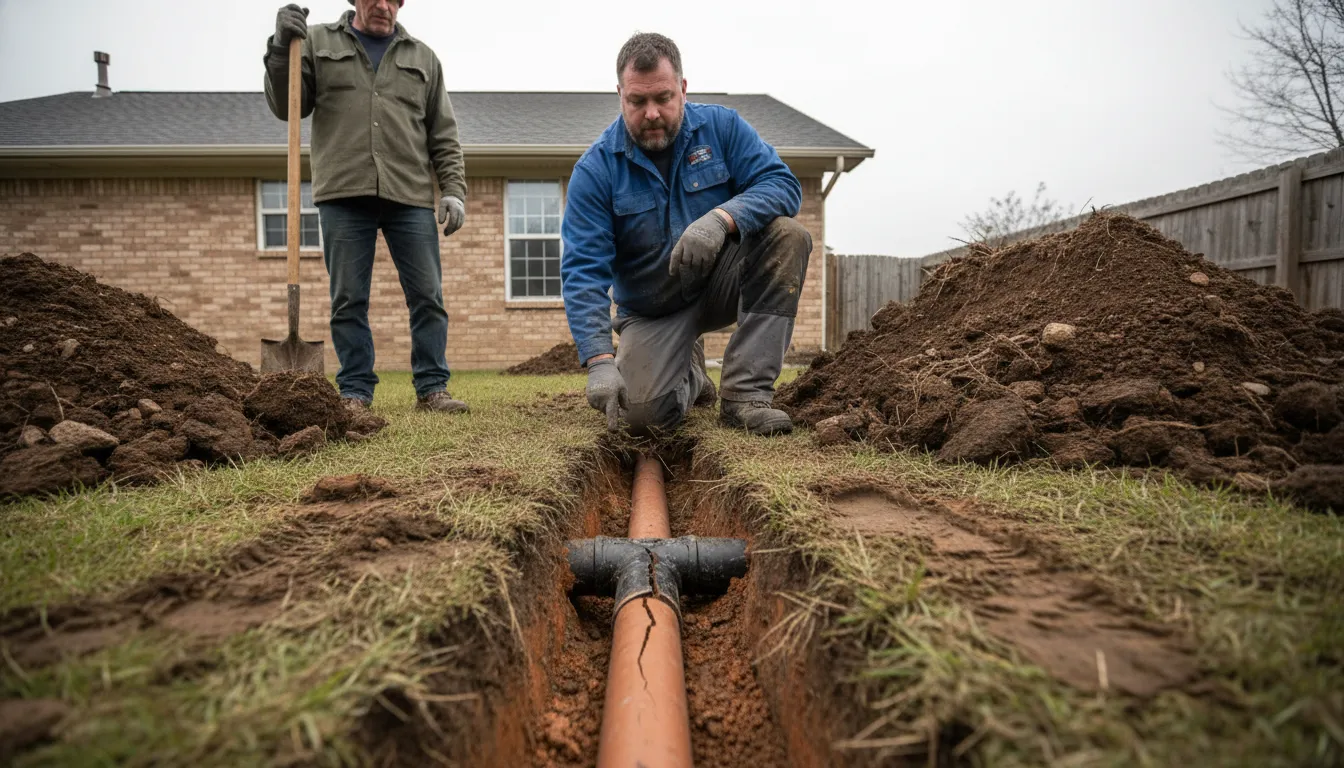
Find the Best Sewer Line Repair Companies for Your Business
No obligation • Fast responses • Nationwide coverage

Why you can trust Search a Plumber
Search a Plumber is a leading United States resource for finding and evaluating professional plumbing services. Our team researches licensing, experience, and customer feedback to create unbiased, fact-driven overviews. Companies cannot pay to change ratings or placement, ensuring homeowners get trustworthy information.
Search providers near you
Top Sewer Line Repair Companies in Olathe, Kansas Ranked
A damaged sewer line is a serious issue that can disrupt your home and pose health risks. Sewer line repair involves fixing or replacing the underground pipe that carries all your home's wastewater to the city's main sewer system. When this line fails, timely and professional intervention is critical to prevent backups, property damage, and costly complications. This guide explains the common causes of sewer problems in Olathe, details the modern repair methods available, and helps you understand how to find a qualified local specialist to restore your property's essential plumbing function.
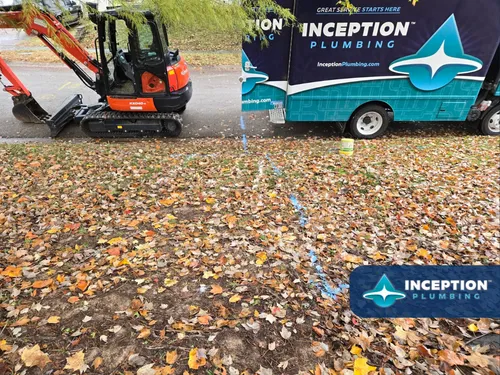
Inception Plumbing
733 S Northern Blvd, Independence, MO 64054
Inception Plumbing is a locally owned plumbing contractor serving Kansas City, MO, and surrounding areas including Independence, Lee's Summit, and Blue Springs. Since 2017, they have provided services such as sewer line repair, trenchless sewer repair, and repiping. The company is certified in NuFlow trenchless technology and specializes in major system upgrades and repipes. With over 25 years of trade experience, Inception Plumbing focuses on delivering professional plumbing solutions to the Kansas City metro area.
Roto-Rooter Plumbing & Water Cleanup
455 SW Ward Rd, Lee's Summit, MO 64081
Roto-Rooter Plumbing & Water Cleanup serves Kansas City, MO, offering a wide range of plumbing and water cleanup services. Their team handles water heater installation and repair, sump pump and drain cleaning, sewer line and trenchless sewer repairs, leak detection, repiping, and garbage disposal repairs. They provide 24/7 emergency plumbing services, including water damage restoration, using specialized equipment for sewer cleaning and no-dig pipe restoration. With over 85 years of experience, Roto-Rooter is equipped to respond to plumbing emergencies day or night, including weekends and holidays.
Mr. Rooter Plumbing of Johnson County
13480 S Arapaho Dr, Olathe, KS 66062
Mr. Rooter Plumbing of Johnson County provides a range of plumbing services in Kansas City, MO, including water heater repair and installation, sump pump repair, and sewer line repair. They use advanced technology such as hydro jetting, trenchless sewer repair, and video camera inspections to address plumbing issues with minimal disruption. The company serves both residential and commercial customers across multiple nearby communities. Their plumbers are licensed, insured, and background-checked to ensure qualified service. Mr. Rooter Plumbing offers in-home estimates and flexible scheduling to accommodate customer needs.
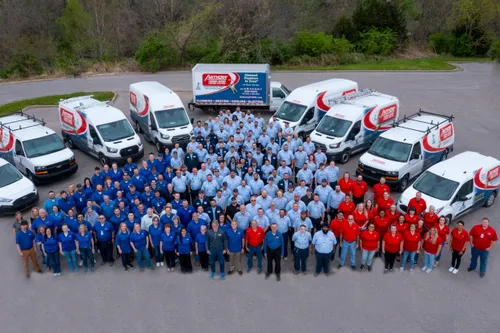
Anthony Plumbing, Heating, Cooling & Electric
15203 W 99th St, Lenexa, KS 66219
Anthony Plumbing, Heating, Cooling & Electric has been serving the Kansas City, MO area for over 70 years. The company offers a wide range of plumbing services including sewer camera inspections, tankless water heater installation and repair, water softener installation, sump pump repair, drain cleaning, hydro jetting, trenchless sewer repair, and toilet and garbage disposal repairs. Their experienced plumbers provide detailed problem investigations and multiple solution options tailored to long-term needs and budgets. Anthony Plumbing also offers 24/7 emergency support, ensuring assistance is available whenever needed.
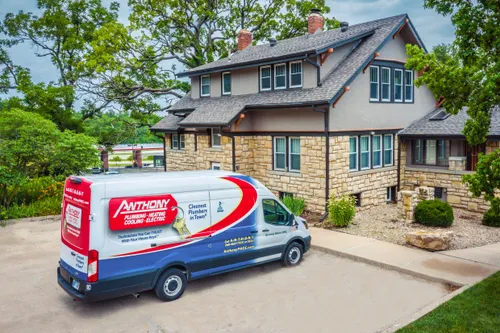
Anthony Plumbing, Heating, Cooling & Electric
17331 East 40th Terrace S Units 111-112, Independence, MO 64055
Anthony Plumbing, Heating, Cooling & Electric has been serving Kansas City, MO, and the surrounding metro area for over 70 years. They provide a wide range of plumbing services including sewer camera inspections, tankless water heater installation, sump pump repair, drain cleaning, hydro jetting, and trenchless sewer repair. Their experienced plumbers offer thorough problem investigations and multiple solutions tailored to long-term needs and budgets. The company also offers 24/7 emergency support, ensuring help is available whenever needed.
Understanding Your Home's Sewer System in Olathe
The main sewer line, often called the main drain or lateral, is a crucial but hidden component of your home. It runs underground from your home's foundation, typically beneath your yard or driveway, and connects to the municipal sewer main in the street. This pipe handles everything from sinks and showers to toilets and washing machines. Because it's buried, problems often go unnoticed until significant symptoms appear. In Olathe, the specific soil conditions and climate contribute to unique challenges for these underground pipes.
Common Causes of Sewer Line Failure
Several factors specific to the Kansas City region can lead to the need for sewer line repair or replacement:
- Tree Root Intrusion: This is a leading cause of blockages and damage in Olathe. Trees like oaks and maples naturally seek out water sources, and the small joints or cracks in older sewer pipes are an ideal entry point. Roots can grow into the pipe, causing complete blockages and eventually breaking the pipe apart as they expand.
- Aging and Corroding Pipes: Many older homes in the area were built with clay tile or cast iron sewer lines. Over decades, these materials can degrade. Clay pipes can crack or collapse, while cast iron is susceptible to rust and corrosion, which eventually eats through the pipe wall.
- Ground Movement and Soil Shifts: The clay-heavy soils common in Kansas can expand when wet and contract when dry. This repeated movement places stress on buried sewer lines, potentially causing them to shift, crack, or separate at the joints 1.
- Persistent Blockages: While not always a pipe failure, chronic blockages from grease, non-flushable wipes, and other foreign objects can indicate a deeper problem like a sagging pipe (called a "belly") or partial collapse that traps debris.
Recognizing the Signs You Need Sewer Repair
Don't ignore these warning signs of a failing sewer line. Early detection can mean the difference between a simpler repair and a major, expensive replacement project 2.
- Multiple Slow or Clogged Drains: If more than one fixture (like a toilet, shower, and sink) are draining slowly or backing up simultaneously, especially when used together, the problem is likely in the main line, not an individual branch.
- Unpleasant Sewage Odors: Foul smells coming from drains or persistently in your yard, particularly near where the line runs, can indicate a crack or break.
- Unusual Lawn Conditions: Soggy, sunken, or inexplicably lush and green patches in your yard-especially when it hasn't rained-can signal a leaking sewer line saturating the soil.
- Gurgling Sounds: Hearing gurgling noises from toilets or drains when water is running elsewhere in the house points to a ventilation or blockage issue in the main line.
- Foundation Cracks or Settlement: In severe cases, water from a broken sewer line can erode soil under your home's foundation, leading to visible cracks or uneven settling.
Modern Sewer Line Repair Methods: Trenchless vs. Excavation
Once a problem is suspected, a professional will perform a sewer camera inspection to diagnose the exact issue, location, and extent of damage. This critical step informs which repair method is best suited for your situation. Today, homeowners in Olathe typically have two primary options: traditional excavation or modern trenchless technology.
Trenchless Sewer Repair
Trenchless methods are designed to fix or replace the pipe with minimal disruption to your landscaping, driveway, or hardscape.
- How It Works (Pipe Lining - CIPP): This process, known as Cured-In-Place Pipe (CIPP) lining, involves inserting a flexible, resin-saturated tube into the damaged pipe. The tube is inflated and cured (often with heat or UV light), forming a hard, seamless "pipe-within-a-pipe." This new liner seals cracks and holes and is highly resistant to root intrusion and corrosion 3.
- How It Works (Pipe Bursting): For pipes that are too damaged to line, pipe bursting is an option. A conical bursting head is pulled through the old pipe, fracturing it outward while simultaneously pulling a new, durable pipe (like HDPE) into place behind it.
- Pros: The biggest advantage is minimal excavation-often just two small access holes. This preserves your yard, patio, or driveway, saving thousands in restoration costs and time. The process is usually faster than full excavation and results in a durable, long-lasting repair with a lifespan comparable to new pipe 4.
- Cons: The upfront cost for trenchless repair can be higher than a simple spot repair via excavation. It also requires specific conditions; for example, it may not be suitable for pipes that have completely collapsed or have severe misalignment.
Traditional Excavation (Open-Trench Repair)
This is the conventional method of digging down to physically access and repair the sewer line.
- How It Works: A trench is excavated along the path of the sewer line to expose the damaged section. The plumber can then perform a spot repair on a small break or replace an entire segment of pipe.
- Pros: For straightforward, localized damage, excavation can have a lower initial material and labor cost. It is also the only viable solution for pipes that have totally collapsed or are in such poor condition that trenchless methods cannot be used 5.
- Cons: The major drawback is the significant disruption. The process destroys landscaping, lawns, driveways, and sidewalks, which then require costly and time-consuming restoration. The project timeline is also longer due to the digging and backfilling work involved.
Find the perfect sewer line repair companies for your needs
Get personalized recommendations and expert advice
Factors Influencing Sewer Repair Costs in Olathe
The cost for main sewer line repair or replacement can vary widely based on several key factors. While the following are general estimates, only a professional inspection and quote can provide an accurate price for your specific situation.
- Extent and Method of Repair: A simple spot repair for a small crack will cost significantly less than a full line replacement. Trenchless lining often ranges from $2,000 to $10,000 or more, depending on length and diameter. A full traditional replacement via excavation can range from $5,000 to $20,000+, especially if it involves difficult access, deep digging, or extensive landscape restoration 6 7 8.
- Length and Depth of the Pipe: Longer lines require more materials and labor. Pipes buried deeper under driveways, foundations, or deep soil require more complex and costly excavation.
- Pipe Material and Accessibility: The condition and material of the existing pipe influence the repair strategy. The location of the line-under a lawn versus under a concrete slab or mature trees-greatly affects the difficulty and cost of access.
- Permits and Local Regulations: Olathe and Johnson County have specific codes and permit requirements for sewer work, which add to the project cost and timeline. A reputable local plumber will handle this process.
Choosing a Sewer Repair Specialist in Olathe
Selecting the right professional is crucial for a lasting repair. Look for a licensed, insured plumbing contractor with specific experience in sewer line diagnostics and the full range of repair methods. They should always recommend a video camera inspection first to provide a transparent diagnosis and explain all your viable options, including the pros, cons, and costs of both trenchless and excavation-based repairs 9. Check for local reviews, ask for references, and ensure they provide detailed, written estimates.
Frequently asked questions
Sources
Footnotes
-
Top Causes of Sewer Line Damage in Kansas Homes & Businesses - https://callsmedley.com/top-causes-of-sewer-line-damage/ ↩
-
5 Warning Signs Your Sewer Pipes May Be Breaking - https://holmanplumbingca.com/5-warning-signs-your-sewer-pipes-may-be-breaking/ ↩
-
Is Trenchless Sewer Repair Worth It? - Clog Busters - https://clogbustersllc.com/is-trenchless-sewer-repair-worth-it/ ↩
-
How Long Does CIPP Trenchless Sewer Repair Last? - https://plumbingsacramento.com/how-long-does-cipp-trenchless-sewer-repair-last/ ↩
-
Cheapest Way to Replace Sewer Line: 5 Proven Money-Saving Tips - https://www.pdsplumbingandair.com/cheapest-way-to-replace-sewer-line/ ↩
-
Trenchless Sewer Repair in Kansas City | Mission PHC - https://www.missionphc.com/plumbing/trenchless-sewer-repair/ ↩
-
Cost to Replace Cast Iron Drain Pipe Under Slab - https://www.benjaminfranklinplumbing.com/league-city/blog/2024/december/cost-to-replace-cast-iron-drain-pipe-under-slab-key-factors-and-pricing-guide/ ↩
-
What Are The Pros and Cons of Trenchless Sewer Repair? - https://www.southernairnow.com/blog/what-are-the-pros-and-cons-of-trenchless-sewer-repair/ ↩
-
TOP 10 BEST Trenchless Sewer Repair in Olathe, KS - Yelp - https://m.yelp.com/search?find_desc=Trenchless+Sewer+Repair&find_loc=Olathe%2C+KS ↩