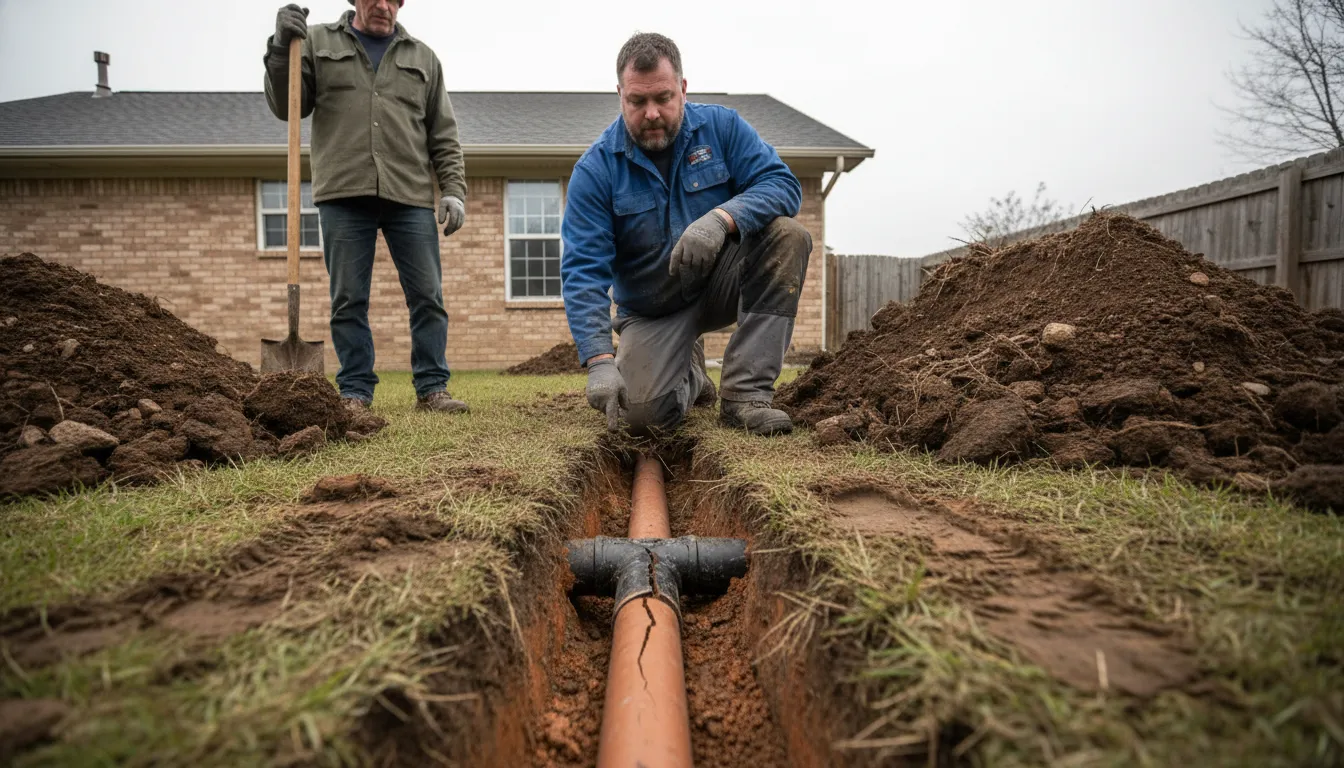
Find the Best Sewer Line Repair Companies for Your Business
No obligation • Fast responses • Nationwide coverage

Why you can trust Search a Plumber
Search a Plumber is a leading United States resource for finding and evaluating professional plumbing services. Our team researches licensing, experience, and customer feedback to create unbiased, fact-driven overviews. Companies cannot pay to change ratings or placement, ensuring homeowners get trustworthy information.
Search providers near you
Top Sewer Line Repair Companies in Jeffersonville, Indiana Ranked
A failing sewer line is a serious issue that can disrupt your home and lead to costly property damage. Sewer line repair involves fixing or replacing the underground pipe that carries wastewater from your home to the municipal sewer main. In Jeffersonville, where soil conditions and aging infrastructure can take a toll, understanding your repair options is crucial. This guide will help you recognize the signs of trouble, compare repair methods, and connect with qualified local professionals to restore your home's essential plumbing system.
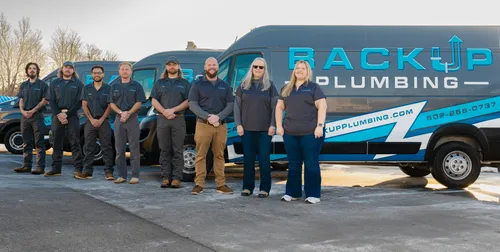
Backup Plumbing
2121 Spencer Ct Unit 5, La Grange, KY 40031
Backup Plumbing is a locally and family-owned plumbing company serving Louisville, KY, and the surrounding areas. Established in 2018, the company offers a wide range of residential and commercial plumbing services including sewer line repair, water heater installation and repair, leak detection, drain cleaning, and gas line installation. Their team holds OSHA and Rinnai certifications and brings over 30 years of combined experience to each project. Backup Plumbing uses advanced diagnostic tools such as sewer camera inspections to accurately identify issues and provide effective solutions. They also provide industry-leading warranties and free water testing as part of their service. The company is equipped to handle both routine maintenance and emergency plumbing situations, ensuring safety and compliance with local regulations. Their commercial plumbing services are designed to minimize downtime for businesses, and they emphasize thorough safety practices in all gas line work. Backup Plumbing is committed to building lasting relationships with clients through clear communication and professional service.
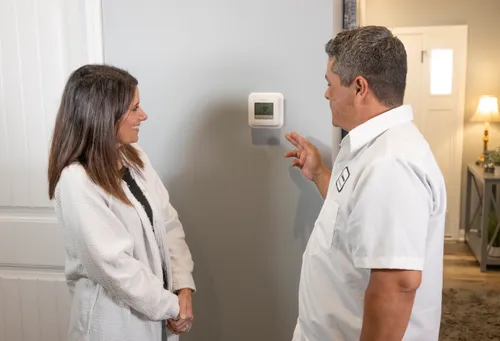
Dauenhauer Plumbing Heating Air & Electric
815 Taylorsville Rd, Shelbyville, KY 40065
Dauenhauer Plumbing Heating Air & Electric is a home services provider based in Louisville, KY, offering a wide range of plumbing, heating, air conditioning, and electrical services. With over 65 years of experience serving Kentucky homeowners, their licensed technicians handle plumbing repairs, water heater installation and repair, drain cleaning, sewer line repair including trenchless methods, and hydro jetting. They also provide HVAC services such as furnace and air conditioning repair and installation, as well as electrical work including panel upgrades and whole-house generator installation. Dauenhauer offers 24/7 emergency services to address urgent plumbing, HVAC, and drain issues promptly.
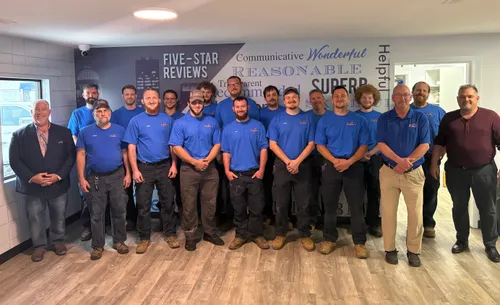
ASI Plumbing
4310 Bishop Ln, Louisville, KY 40218
ASI Plumbing is a full-service plumbing company serving Louisville, KY, specializing in water heater installation and repair as well as sewer line repair. With nearly 25 years of experience, they provide plumbing services for both residential and commercial clients. Their licensed plumbers focus on clear communication and consistent service through their proprietary Vision™ Service System.
1-Tom-Plumber
8003 Vine Crest Ave Suite 12, Louisville, KY 40222
1-Tom-Plumber is a plumbing company serving Louisville, KY, and nearby communities such as Sellersburg, Glenview, and Anchorage. They offer a range of services including water heater repair and installation, drain cleaning, sewer line repair, and hydro jetting. The company emphasizes emergency plumbing services available 24/7 to address urgent needs. Their team includes certified plumbers and drain specialists who use advanced technology to handle various plumbing and excavation tasks.
Anderson Plumbing llc
1057 Stratton Way, Shelbyville, KY 40065
Anderson Plumbing llc provides a range of plumbing services in Louisville, KY, including sewer camera inspections, water heater installation and repair, drain cleaning, sewer line repair, leak detection, repiping, and toilet repair. They serve residential and commercial customers across multiple nearby communities. The company offers expertise in tankless water heaters and sewer line inspections, with a focus on efficient and timely service. Anderson Plumbing llc has built a reputation for handling plumbing repairs and installations with professionalism and skill.
Understanding Your Home's Sewer System
The main sewer line, or sewer lateral, is a critical but out-of-sight component of your plumbing. It typically runs underground from your home's foundation to the city's main sewer line at the street, often passing beneath yards, driveways, or sidewalks. When this pipe fails, all the wastewater from your toilets, sinks, showers, and appliances has nowhere to go, creating a major health and sanitation hazard. Recognizing the early warning signs can help you address problems before they escalate into a full-blown emergency.
Common Causes of Sewer Line Failure in Jeffersonville
Several factors contribute to sewer line problems in our area. Knowing the cause can help your plumber determine the best repair strategy.
- Tree Root Intrusion: This is one of the most common culprits, especially for homes with older clay or cast iron pipes. Roots seek out moisture and can infiltrate tiny cracks or pipe joints, eventually growing and causing blockages or complete breaks.
- Aging and Corrosion: Older homes may have pipes made of materials like cast iron or Orangeburg (bituminized fiber pipe) that deteriorate over time. Cast iron can rust and corrode, while Orangeburg pipe can soften and collapse 1.
- Ground Shifts and Soil Conditions: Jeffersonville's soil, particularly areas with heavy clay, can expand and contract with moisture changes. This movement puts pressure on pipes, leading to misalignment, cracks, or collapses 2.
- Grease and Debris Buildup: Pouring fats, oils, and grease (FOG) down drains is a leading cause of blockages. Non-flushable items like wipes and hygiene products can also accumulate and cause major clogs deep in the line 3.
- Physical Damage: Construction work, heavy vehicle traffic over the pipe's path, or even invasive digging for other projects can crack or crush a sewer line.
Signs You Need Sewer Line Repair
Don't ignore these red flags. If you notice multiple signs, it's time to call a professional for a camera inspection.
- Multiple Slow or Clogged Drains: If more than one fixture (like a toilet and a shower) is draining slowly or backing up simultaneously, the problem is likely in the main line, not an individual branch.
- Unpleasant Sewage Odors: Foul smells coming from drains or your yard, especially near the cleanout or the path of the sewer line, indicate a break or crack.
- Soggy or Lush Patches in Yard: An unexplained soggy area, sinkhole, or an unusually green and lush patch of grass in your yard can signal a leaking sewer line fertilizing the soil.
- Gurgling Sounds: Hearing gurgling noises from toilets or drains when you run water elsewhere in the house suggests air is trapped in the line due to a blockage.
- Foundation Cracks or Settlement: In severe cases, wastewater from a broken line can erode soil under your home's foundation, leading to visible cracks or settling.
Repair Method 1: Traditional Excavation
The conventional method for fixing a sewer line involves digging a trench along the entire length of the damaged pipe to expose it, remove the old section, and install a new one.
How it Works: A crew uses backhoes or excavators to dig a deep trench from the house to the street, following the path of the pipe. This provides full physical access for repair or replacement.
Pros:
- Direct Access: Allows plumbers to see the full extent of the damage and address complex issues like severe collapses.
- Potentially Lower Upfront Material Cost: For very short repair sections or complete replacements where trenchless isn't feasible, the pipe materials themselves may be less expensive.
Cons:
- Major Property Disruption: Your yard, driveway, sidewalk, or landscaping will be torn up.
- High Restoration Costs: The repair bill must include backfilling the trench, compacting soil, and restoring hardscapes (driveways, patios) and landscaping, which can add thousands of dollars.
- Longer Project Time: The process of digging, repairing, and restoring can take significantly longer than trenchless methods.
- Risk of Damage: Excavation can accidentally damage other underground utilities like gas, water, or electrical lines.
Repair Method 2: Modern Trenchless Technology
Trenchless sewer repair has revolutionized the industry by fixing pipes with minimal digging. The two primary techniques are pipe lining and pipe bursting.
How Pipe Lining Works: Also called Cured-In-Place Pipe (CIPP), this method involves inserting a flexible, resin-saturated tube into the old pipe. The tube is inflated and left to cure, forming a hard, seamless "pipe-within-a-pipe." This method is excellent for repairing cracks, holes, and root intrusions without replacing the pipe.
How Pipe Bursting Works: This is a true replacement method. A conical bursting head is pulled through the old, damaged pipe, fracturing it outward while simultaneously pulling a new, high-density polyethylene (HDPE) pipe into place behind it. It's used when the old pipe is too collapsed or degraded to be lined 4.
Pros of Trenchless Repair:
- Minimal Disruption: Only one or two small access pits are needed, preserving your lawn, driveway, and landscaping.
- Faster Completion: Most trenchless repairs can be completed in a day or two.
- Durable Results: The new liner or HDPE pipe is resistant to roots, corrosion, and leaks, often with a 50-year lifespan 5.
- Often More Cost-Effective Long-Term: When factoring in the avoided costs of landscape and hardscape restoration, trenchless can provide better value despite a potentially higher upfront price for the repair itself.
Cons of Trenchless Repair:
- Higher Upfront Repair Cost: The specialized equipment and materials can make the core repair work 30-50% more expensive than traditional excavation on a per-foot basis.
- Not for Every Situation: Severe offsets, collapsed sections, or pipes with multiple sharp bends may not be candidates for trenchless methods.
- Slight Pipe Diameter Reduction: Lining slightly reduces the internal diameter of the pipe, though this is usually negligible with modern materials.
Find the perfect sewer line repair companies for your needs
Get personalized recommendations and expert advice
Cost Considerations for Jeffersonville Homeowners
Sewer line repair is a significant investment, and costs in Jeffersonville can vary widely based on the method, pipe length, depth, and soil conditions.
- Trenchless Repair Costs: For a typical 50-foot line, homeowners can expect to pay between $3,000 and $10,000 or more, which translates to roughly $60 to $250 per foot 6 7. Pipe bursting is generally at the higher end of this range compared to lining.
- Traditional Excavation Costs: The cost per foot for digging and replacing the pipe can range from $50 to $450+, but the final bill is highly dependent on restoration 8 9. Once you add in the cost to repair a torn-up driveway ($1,500-$8,000+) and re-sod a yard, the total often exceeds that of a trenchless repair 10.
- Key Cost Factors:
- Length & Depth: Longer, deeper pipes require more labor and materials.
- Location & Access: Repairing a line under a driveway or mature tree is more complex and costly than one under an open lawn.
- Soil Conditions: Rocky or unstable soil increases digging difficulty.
- Permits: Local Jeffersonville or Clark County permits will add to the cost.
- Extent of Damage: A simple crack is cheaper to fix than a fully collapsed pipe.
The Professional Process: From Diagnosis to Completion
- Camera Inspection: A responsible plumber will always start with a sewer camera inspection. A small, waterproof camera is snaked through the line, sending back a live video feed to pinpoint the exact location, cause, and severity of the problem 11.
- Detailed Quote & Method Recommendation: Based on the inspection, the plumber should provide a detailed written estimate that outlines the recommended repair method (trenchless vs. traditional), the scope of work, a timeline, and the total cost.
- Obtaining Permits: Your plumbing professional will typically pull any required municipal permits before work begins.
- Repair Execution: The crew will execute the chosen method, whether it's setting up for a trenchless liner installation or beginning excavation.
- Clean-up and Final Inspection: A reputable company will leave your property clean and may conduct a final camera inspection to document the successful repair.
Choosing a Qualified Professional in Jeffersonville
This is not a DIY project. Selecting the right contractor is critical.
- Licensing & Insurance: Always verify that the plumber holds a valid Indiana state plumbing license and carries both liability and worker's compensation insurance.
- Local Experience: Choose a company familiar with Jeffersonville's soil conditions, common pipe materials, and local building codes.
- Specialized Equipment: For trenchless repairs, ensure the company has dedicated, modern equipment and certified technicians for the job.
- Multiple Quotes: It is highly recommended to get at least 2-3 detailed, written quotes from established local plumbers to compare methods, costs, and warranties.
- Warranties: Ask about warranties on both materials and labor. Many trenchless repairs come with extensive multi-decade warranties.
Frequently asked questions
Sources
Footnotes
-
Mainline Sewer Repair in Atlanta, GA | North Georgia Inliners - https://northgeorgiapipelining.com/services/mainline-sewer-repair-atlanta-ga/ ↩
-
Renew Failing Infrastructure | MSD - https://louisvillemsd.org/Renew-Failing-Infrastructure ↩
-
7 Signs of a Collapsed Sewer Line & 3 Helpful Options - https://www.chooseaaronservices.com/professional-tips/signs-of-a-collapsed-sewer-line/ ↩
-
Trenchless Sewer Repair vs. Traditional Excavation - TDT Plumbing - https://tdtplumbing.com/trenchless-sewer-repair/difference-to-traditional-repair/ ↩
-
The Benefits of Trenchless Sewer Repair - NuFlow Indy - https://nuflowindy.com/the-benefits-of-trenchless-sewer-repair/ ↩
-
Is Trenchless Sewer Line Repair Cheaper? - AP Plumbing - https://applumbing.com/blog/is-trenchless-sewer-line-repair-cheaper/ ↩
-
Trenchless Sewer Line Replacement Cost | Indianapolis, Indiana | NuFlow Indy - https://nuflowindy.com/the-cost-of-no-dig-trenchless-sewer-line-repair-or-replacement/ ↩
-
Cost Comparison: Trenchless vs. Traditional Sewer Line Repair - https://www.advancedtrenchlesssolutions.com/blog/cost-comparison-trenchless-vs-traditional-sewer-line-repair ↩
-
Trenchless vs. Traditional Sewer Repair - https://sewerlinesonly.com/trenchless-vs-traditional-sewer-repair-which-is-more-cost-effective-for-lakewood-homeowners/ ↩
-
Sewer Pipe Bursting Cost: Essential Factors to Consider - https://www.benjaminfranklinplumbing.com/league-city/blog/2024/december/sewer-pipe-bursting-cost-essential-factors-to-consider/ ↩
-
Indianapolis Trenchless Sewer Pipe Repair - https://mrplumberindy.com/trenchless-pipe-bursting/ ↩