Find the Best Sewer Line Repair Companies for Your Business
No obligation • Fast responses • Nationwide coverage

Why you can trust Search a Plumber
Search a Plumber is a leading United States resource for finding and evaluating professional plumbing services. Our team researches licensing, experience, and customer feedback to create unbiased, fact-driven overviews. Companies cannot pay to change ratings or placement, ensuring homeowners get trustworthy information.
Search providers near you
Top Sewer Line Repair Companies in Anderson, Indiana Ranked
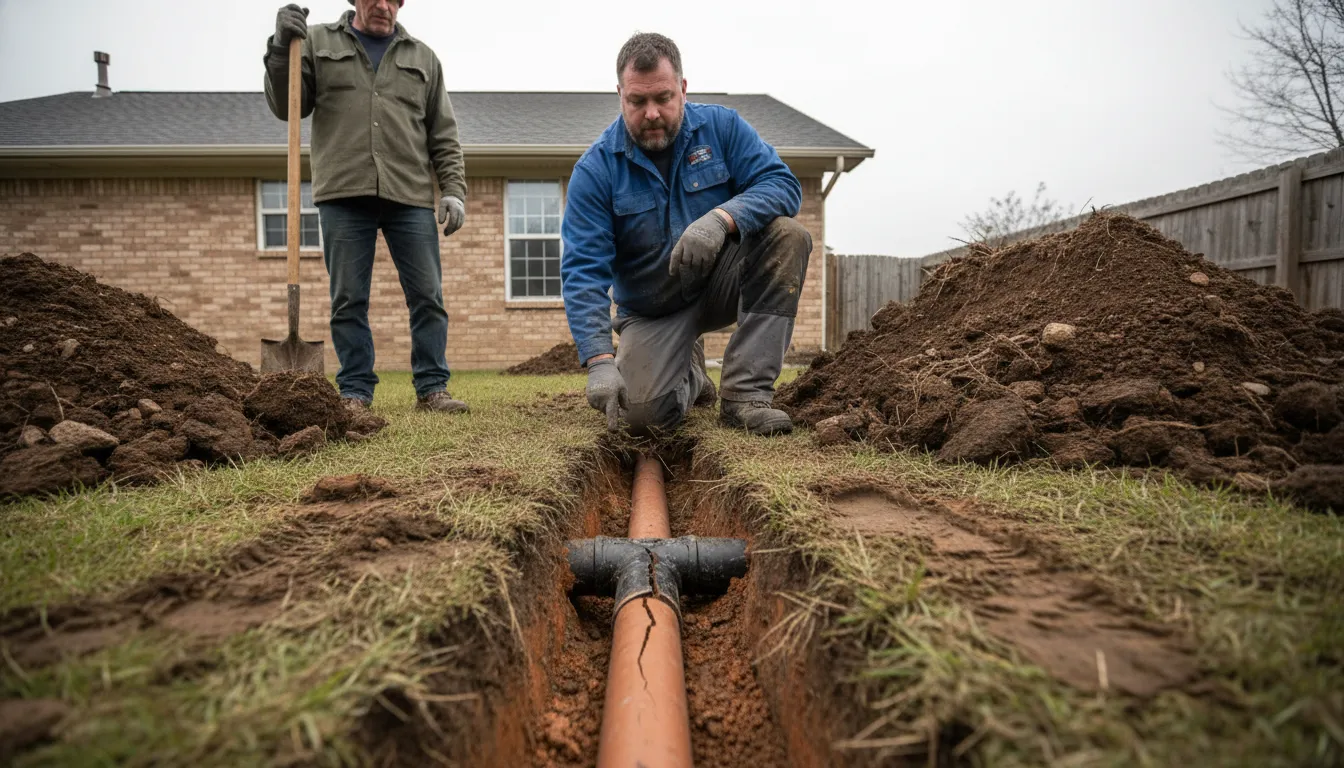
A damaged sewer line is a serious problem that can disrupt your home, threaten your property, and impact your family's health. Sewer line repair involves fixing or replacing the underground pipe that carries all your home's wastewater to the city's main sewer line. When this critical line fails, you need a reliable, effective solution. This guide explains the common causes of sewer line issues in Anderson, details the modern repair methods available, and provides the information you need to connect with skilled local professionals who can restore your system efficiently.
Roto-Rooter Plumbing & Water Cleanup
18 E Main St Ste 230, Greenfield, IN 46140
Roto-Rooter Plumbing & Water Cleanup provides a wide range of plumbing services in Indianapolis, IN, including sewer and drain cleaning, water heater repair and installation, sump pump services, and leak detection. They specialize in both residential and commercial plumbing, offering advanced solutions such as hydro jetting and trenchless sewer repair to address complex plumbing issues. Established in 1935, Roto-Rooter has a long history of innovation and expertise in plumbing, and they offer 24/7 emergency services to handle urgent plumbing problems at any time.
Mr. Plumber by Metzler & Hallam
1033 3rd Ave SW Suite 205, Carmel, IN 46032
Mr. Plumber by Metzler & Hallam is a licensed plumbing service provider based in Indianapolis, IN, offering a wide range of plumbing solutions. Their services include sewer camera inspection, water heater repair, water softener installation, sump pump repair, sewer line repair with trenchless technology, leak detection, gas line installation, toilet and garbage disposal repair, among others. They utilize advanced tools such as camera snaking systems and infrared cameras to diagnose plumbing issues efficiently. The company emphasizes trenchless sewer line repair methods like pipe bursting and relining to minimize property disruption. Mr. Plumber provides 24/7 emergency service, ensuring assistance is available whenever needed.

Summers Plumbing Heating & Cooling
8002 Castleway Dr, Indianapolis, IN 46250
Summers Plumbing Heating & Cooling is a plumbing and heating service provider located in Indianapolis, IN. They offer a variety of services including water heater repair and installation, sewer line repair, and heating system maintenance. With over 40 years of experience, Summers Plumbing Heating & Cooling has developed expertise in handling a wide range of plumbing and heating issues, ensuring efficient and affordable solutions for their customers. Their team is known for transparent pricing and honest assessments, making them a reliable choice for plumbing and heating needs in Indianapolis.
Mr. Plumber by Metzler & Hallam
10640 E 59th St, Indianapolis, IN 46236
Mr. Plumber by Metzler & Hallam is a licensed and insured plumbing service provider located in Indianapolis, IN. They offer a wide range of plumbing services including water heater repair and installation, tankless water heater services, drain cleaning, sewer line repair with trenchless options, sump pump repair, leak detection, gas line installation, toilet and garbage disposal repair, and water softener installation. The company emphasizes thorough diagnostics and customer education to help homeowners make informed decisions. They provide 24/7 emergency plumbing services to address urgent issues promptly. Mr. Plumber also specializes in hydro jetting for effective drain cleaning and sewer maintenance.
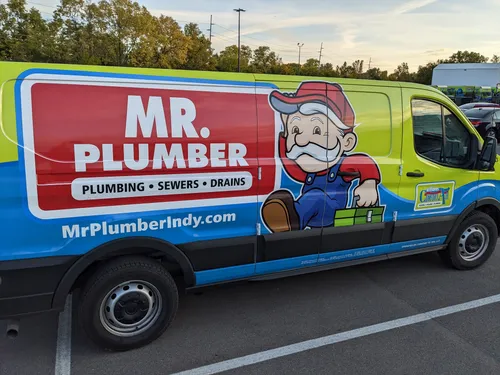
Mr. Plumber by Metzler & Hallam
11 Municipal Dr UNIT 200, Fishers, IN 46038
Mr. Plumber by Metzler & Hallam provides a wide range of plumbing services in Indianapolis, IN, including sewer line repair, water softener installation, leak detection, gas line installation, toilet and garbage disposal repair. They use advanced technology such as robotic cameras for sewer inspections and offer trenchless sewer repair to minimize property disruption. The company is staffed by licensed plumbers who do not outsource work and are available 24/7 for emergency services. Mr. Plumber emphasizes thorough plumbing inspections and offers solutions for both residential and commercial plumbing needs.
Understanding Your Sewer Line System
The sewer lateral is the pipe that runs from your home's foundation to the public sewer main, usually located under your yard, driveway, or even sidewalks. In Anderson and across Central Indiana, this infrastructure is often decades old and faces unique environmental challenges. Recognizing the signs of a failing sewer line early can prevent more extensive and costly damage. Common indicators include multiple slow drains, gurgling sounds from toilets, sewage odors in your yard or basement, and unexplained soggy patches or sinkholes in your landscaping.
Common Causes of Sewer Line Failure in Anderson
Several factors specific to our region contribute to the need for sewer line repair and replacement.
- Tree Root Intrusion: This is a leading cause of blockages and breaks in Anderson. Older sewer lines, often made of clay or cast iron with porous joints, are especially vulnerable. Aggressive tree roots seek out moisture and nutrients, infiltrating small cracks or joints, eventually growing inside the pipe to cause complete blockages or structural damage.
- Aging and Corroding Pipes: Many homes in the area have original sewer lines made from materials like Orangeburg (bituminized fiber pipe), clay tile, or cast iron. Over time, these materials degrade, crack, collapse, or corrode from the inside out, leading to persistent problems.
- Ground Shifting and Settlement: Indiana's freeze-thaw cycles and general soil settlement can cause the ground to shift. This movement puts stress on sewer pipes, leading to misaligned joints, cracks, or even complete separation of pipe sections.
- Grease and Debris Buildup: While not always a structural issue, the improper disposal of fats, oils, grease, and non-flushable items (like "flushable" wipes) can create severe clogs that mimic or accelerate line failure.
Modern Sewer Repair Methods: Trenchless vs. Traditional
Today, homeowners have two primary pathways for addressing a damaged sewer line: modern trenchless technologies or traditional excavation. The best choice depends on the damage's location, severity, and extent.
Trenchless Sewer Repair
Trenchless methods are revolutionizing sewer line restoration by minimizing disruption to your property. These techniques typically require only one or two small access points.
- Pipe Lining (Cured-In-Place Pipe or CIPP): A flexible, resin-saturated tube is inserted into the damaged pipe and inflated. The resin cures in place, forming a seamless, jointless "pipe within a pipe" that is highly durable and resistant to roots and corrosion. This is often the least invasive option.
- Pipe Bursting: This method is used when the old pipe is too damaged to line. A bursting head is pulled through the old pipe, fracturing it outward while simultaneously pulling a new, high-density polyethylene (HDPE) pipe into place. It replaces the line without digging a trench.
Pros of Trenchless Repair: The process is much faster (often completed in a day or two), preserves your landscaping, driveways, and hardscapes, and creates a durable new pipe with a lifespan often exceeding 50 years 1. It generally involves less overall restoration work and cost.
Cons of Trenchless Repair: It may not be suitable for pipes that have completely collapsed or have severe misalignment. A professional camera inspection is essential to determine eligibility.
Traditional Excavation (Open-Trench Repair)
This is the conventional method, involving the use of backhoes or excavators to dig a long, deep trench along the entire length of the damaged sewer pipe. The old pipe is removed, and a new one is installed before the trench is backfilled.
Pros of Traditional Repair: It is a straightforward solution that can address any type of damage, including total collapses or complex situations where trenchless is not feasible 2 3. It allows for a complete visual inspection of the replaced section.
Cons of Traditional Repair: This method is highly disruptive, destroying yards, gardens, driveways, and walkways. The project timeline is longer due to digging and extensive restoration work, which adds significant cost 4 5.
Find the perfect sewer line repair companies for your needs
Get personalized recommendations and expert advice
Cost Considerations for Sewer Line Repair
The cost of sewer line restoration in Anderson varies widely based on the method chosen, the length and depth of the pipe, and the extent of damage. Understanding the cost structure can help you evaluate estimates.
- Trenchless Repair Costs: These are often calculated per linear foot. Pipe lining can range from $60 to $150 per foot, while pipe bursting may range from $80 to $250 per foot. While the upfront material cost can be higher, you save substantially on landscape and hardscape restoration.
- Traditional Excavation Costs: Digging may have a lower per-foot cost for the pipe work itself, typically $50 to $200 per foot, but this does not include restoration 6. The total project cost can skyrocket to $450+ per foot when adding in the expense of repairing your lawn, repaving a driveway, or rebuilding a patio 7 6.
- Total Project Range: For a typical residential line, total project costs can range from $3,000 to $7,000 for a trenchless repair and easily exceed $10,000 to $15,000+ for a full traditional excavation and replacement once all factors are considered 8 9.
Is Trenchless Cheaper? For most homeowners in Anderson, trenchless sewer repair offers better long-term value. When you factor in the avoided costs of restoring your property, the speed of the project, and the long-lasting results, the trenchless approach is often the more cost-effective solution overall, despite a potentially higher initial quote for the repair work itself 10 11.
Choosing the Right Solution for Your Anderson Home
For the soil conditions and housing stock common in Central Indiana, trenchless sewer line methods are increasingly the preferred choice for their efficiency and minimal disruption 12. They provide excellent value by creating a durable, root-resistant pipe system without turning your yard into a construction zone.
The critical first step for any suspected sewer line issue is a professional video camera inspection. A licensed plumber will feed a specialized camera into your line to pinpoint the exact location, cause, and severity of the problem. This diagnostic is indispensable for receiving an accurate recommendation and quote, ensuring you get the most effective and economical fix for your specific situation 13.
Frequently asked questions
Sources
Footnotes
-
Trenchless Sewer Line Replacement Cost - NuFlow Indy - https://nuflowindy.com/the-cost-of-no-dig-trenchless-sewer-line-repair-or-replacement/ ↩
-
Traditional vs. Trenchless Sewer Line Repair & Replacement - https://www.rotorooter.com/blog/plumbing/traditional-vs-trenchless-sewer-lines/ ↩
-
Trenchless Sewer Line Repair vs. Sewer Line Excavation - https://dandfplumbing.com/sewer-line-repair-vs-sewer-line-excavation/ ↩
-
Trenchless Sewer Repair vs. Traditional Excavation - AQUALIS - https://aqualisco.com/trenchless-sewer-repair-vs-traditional/ ↩
-
Sewer Repair Options: Trenchless vs. Traditional Methods | TYCO - https://tycoplumbingco.com/sewer-repair-options-trenchless-vs-traditional-methods/ ↩
-
Trenchless vs. Traditional Sewer Repair - https://sewerlinesonly.com/trenchless-vs-traditional-sewer-repair-which-is-more-cost-effective-for-lakewood-homeowners/ ↩ ↩2
-
Is Trenchless Sewer Line Repair Cheaper? - AP Plumbing - https://applumbing.com/blog/is-trenchless-sewer-line-repair-cheaper/ ↩
-
Decoding Trenchless Sewer Repair Costs - Pipeliner Pros - https://pipelinerpros.com/trenchless-sewer-repair-cost/ ↩
-
How Much Does Sewer Line Repair Typically Cost? - https://www.jsewerandplumbing.com/how-much-does-sewer-line-repair-typically-cost/ ↩
-
The Benefits of Trenchless Sewer Repair - NuFlow Indy - https://nuflowindy.com/the-benefits-of-trenchless-sewer-repair/ ↩
-
Is Trenchless Sewer Line Repair Cheaper? - https://applumbing.com/blog/is-trenchless-sewer-line-repair-cheaper/ ↩
-
Indianapolis Trenchless Sewer Pipe Repair - https://mrplumberindy.com/trenchless-pipe-bursting/ ↩
-
Trenchless Pipe Repair vs Traditional: Which Is Better? - https://www.bullseyeleak.com/blog/trenchless-pipe-repair-vs-traditional/ ↩