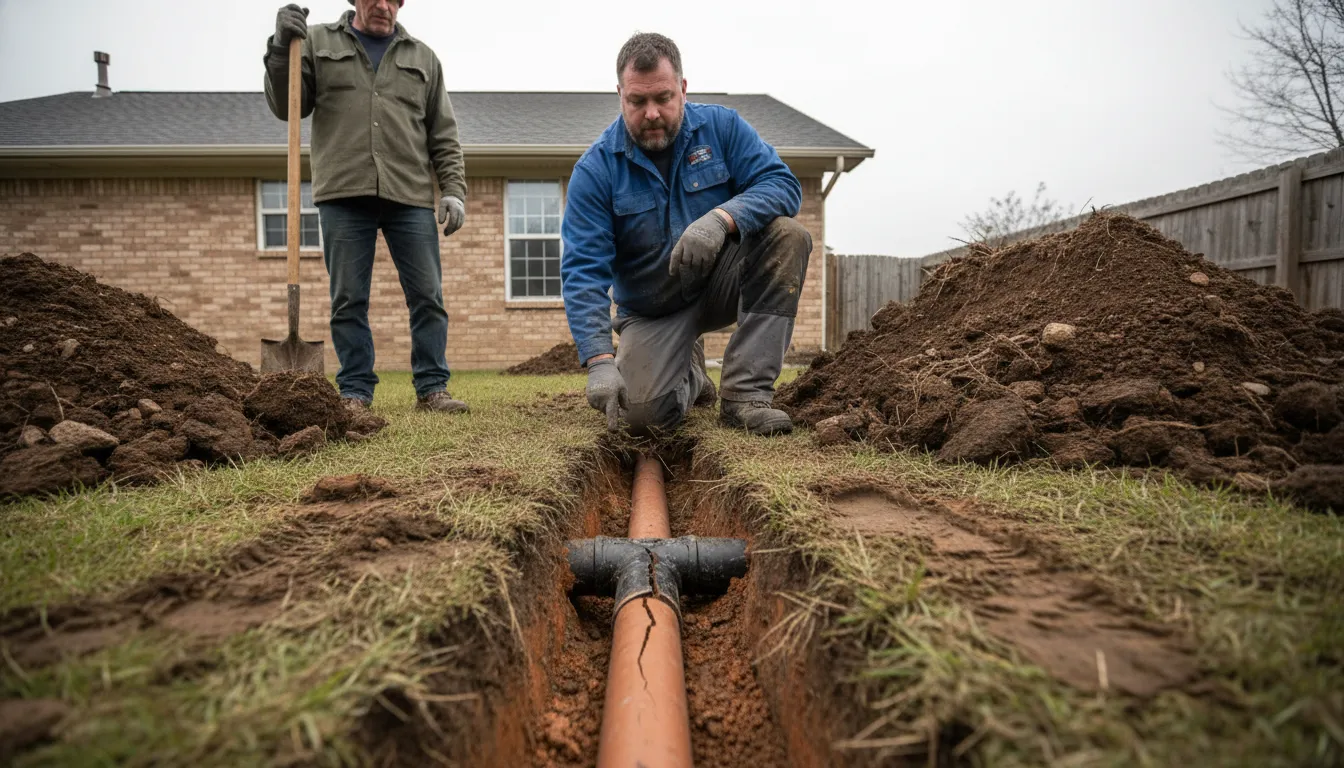
Find the Best Sewer Line Repair Companies for Your Business
No obligation • Fast responses • Nationwide coverage

Why you can trust Search a Plumber
Search a Plumber is a leading United States resource for finding and evaluating professional plumbing services. Our team researches licensing, experience, and customer feedback to create unbiased, fact-driven overviews. Companies cannot pay to change ratings or placement, ensuring homeowners get trustworthy information.
Search providers near you
Best Sewer Line Repair Companies in Hawaii Ranked
A failing sewer line is a serious issue that can disrupt your home and pose health risks. In Hawaii, where unique soil conditions and local regulations come into play, understanding your repair options is crucial. This guide provides clear, practical information on sewer line repair and replacement in the Aloha State, helping you recognize problems, navigate the process, and connect with qualified local professionals to restore proper function to your home's most critical drainage system.
Roto-Rooter Plumbing & Water Cleanup
2106 Lauwiliwili St Ste 101j, Kapolei, HI 96707
Roto-Rooter Plumbing & Water Cleanup offers comprehensive residential and commercial plumbing services in Honolulu, HI. Their experienced team handles a wide range of plumbing needs, including sewer line inspections and repairs, water heater installation and repair, drain cleaning, leak detection, and gas line installation. They specialize in trenchless sewer repair and provide emergency plumbing services available 24/7 throughout the year. With expertise in floodwater cleanup and mold remediation, Roto-Rooter is equipped to manage urgent water damage situations efficiently. Serving Kapolei and surrounding communities, they combine local knowledge with advanced tools like hydro jetting to address plumbing challenges effectively.
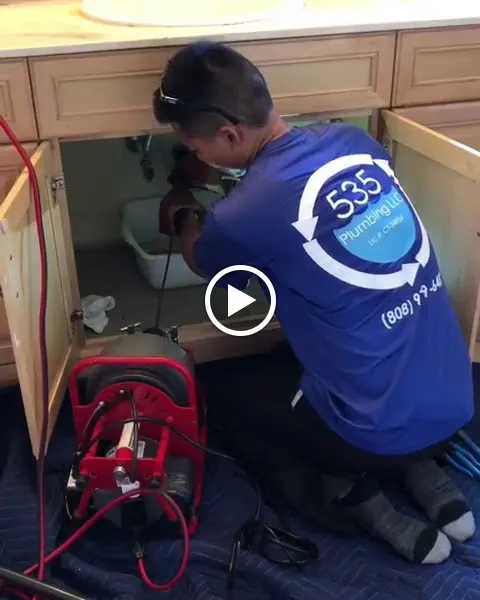
535 Plumbing LLC
1130 N Nimitz Hwy Suite B-180, Honolulu, HI 96817
535 Plumbing LLC is a family-owned plumbing company based in Honolulu, HI, serving residential, commercial, and new construction clients. Founded in 2015 by Shane Mizusawa, the company offers a wide range of services including water heater installation and repair, drain cleaning, sewer line repair, trenchless sewer repair, leak detection, repiping, and hydro jetting. They use advanced technology such as sewer camera inspections and pipe relining to diagnose and solve plumbing issues efficiently. 535 Plumbing is available every day, including holidays, and accommodates after-hours service requests to meet diverse scheduling needs.
Rock-O-Rooter, LLC
Honolulu, HI
Rock-O-Rooter, LLC is a full-service plumbing company based in Honolulu, HI, specializing in drain cleaning, sewer line repairs, and trenchless piping solutions. They offer hydro jetting and epoxy coating services for cast iron pipe rejuvenation, serving residential and commercial clients in the area. The company focuses on efficient and reliable plumbing repairs and installations, addressing a wide range of drainage and sewer issues with experienced local plumbers.
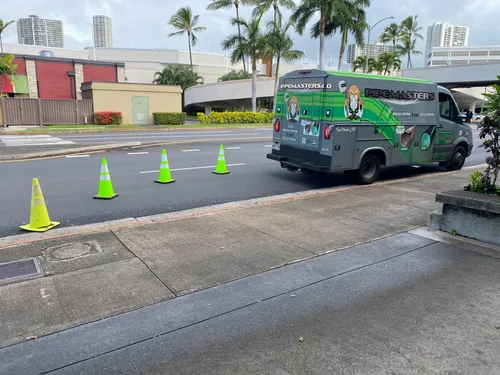
Pipe Masters LLC
820 W Hind Dr #240345, Honolulu, HI 96824
Pipe Masters LLC is a locally owned plumbing contractor serving Honolulu, HI, and the wider Oahu area, including outer islands. Established in 2008, they provide a wide range of plumbing services such as water heater repair and installation, drain cleaning, sewer line repair, trenchless sewer repair, leak detection, and repiping. The company uses advanced technologies including trenchless pipe replacement methods and electronic leak detection, and offers the only hot water hydro-jetting service in Hawaii. Pipe Masters also manages all necessary permits and ensures compliance with Honolulu's building codes, addressing the unique challenges posed by the island's climate and infrastructure. They provide emergency plumbing services with rapid response across Oahu.
Shoreline Plumbing
Honolulu, HI
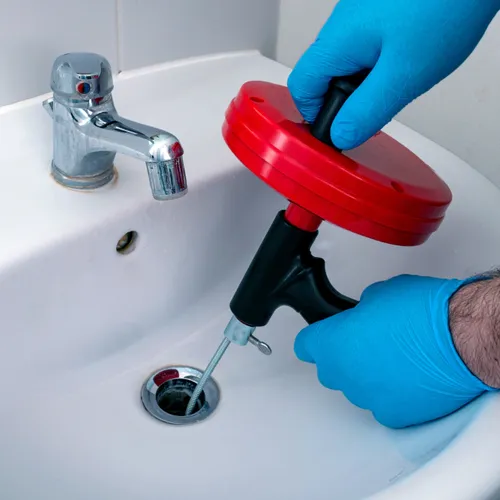
Shoreline Plumbing is a locally owned plumbing company serving Honolulu, HI, and surrounding Oahu communities. They offer a wide range of plumbing services including water heater installation and repair, drain cleaning, sewer line repair, leak detection, and fixture upgrades. The team specializes in both traditional and tankless water heaters, providing thorough inspections and reliable repairs to maintain home comfort. Shoreline Plumbing also handles sewer line assessments and root intrusion solutions to keep plumbing systems flowing smoothly. Their approach emphasizes clear communication, honest pricing, and long-lasting results, aiming to prevent recurring plumbing issues rather than quick fixes.
Common Sewer Pipe Materials in Hawaii
The material of your existing sewer line influences its lifespan, failure mode, and the best repair approach. Hawaii homes may have a mix of older and newer materials.
- PVC (Polyvinyl Chloride): This is the most common modern material. It's lightweight, affordable, resistant to corrosion and root intrusion, and relatively easy to install. Its durability makes it a standard choice for replacements.
- ABS (Acrylonitrile Butadiene Styrene): Another durable plastic pipe, similar to PVC, known for being tough and easy to work with. It's also a common sight in residential systems.
- Cast Iron: Found in older homes, cast iron is extremely durable and long-lasting but is susceptible to rust and corrosion over decades. When it fails, it can be brittle and expensive to excavate.
- Clay or Orangeburg: These are older legacy materials. Clay pipes are durable but can be cracked by shifting soil or roots. Orangeburg (bituminous fiber pipe) was used mid-century and is notorious for deteriorating and collapsing over time, often requiring full replacement.
Key Factors Affecting Sewer Repair in Hawaii
Several specific factors unique to your property and Hawaii's environment will determine the complexity and cost of a sewer line project.
- Depth and Slope: Sewer lines rely on gravity. They must be buried at a minimum depth and maintain a consistent downward slope (typically a minimum of 2% in Honolulu) to flow properly 1 2. Deeper lines significantly increase excavation work and cost.
- Access and Obstacles: The path of your sewer line matters. Repair costs rise if the line runs under driveways, patios, mature landscaping, or pools. Difficult terrain common on some islands also adds to the challenge.
- Hawaii's Soil Conditions: Volcanic soil, particularly on Oahu, can be rocky and difficult to excavate. In other areas, a high water table can flood trenches during digging, complicating the repair process.
- Length of the Line: The total distance from your home to the city sewer main or septic tank directly impacts material and labor costs. Repairs are often priced per linear foot.
- Extent of Damage: Is it a single cracked section or a line riddled with cracks, bellies (sags), or root intrusions? A video inspection is essential to diagnose the full scope.
Permits, Locates, and Regulations
Sewer line work is not a DIY project and is heavily regulated for safety and environmental protection.
- Utility Locates (Call 811): This is the mandatory first step before any digging. A free service, calling 811 (or Hawaii's specific one-call system) will have all public utilities marked on your property. This prevents catastrophic and costly damage to water, gas, electric, or communication lines 3.
- Permits: A permit from your county's Department of Planning and Permitting (e.g., Honolulu DPP) is almost always required for sewer line repair or replacement. A reputable licensed contractor will typically pull this permit on your behalf. The process ensures the work meets code and will be inspected for approval.
- Continuity of Service: Contractors are required to maintain sewer service to your home during repairs whenever possible, often using temporary bypass pumping systems.
- Restoration: A professional job includes restoring the excavated area-backfilling, compacting, and re-paving or re-sodding the surface to its original condition.
Understanding Repair and Replacement Costs in Hawaii
Costs in Hawaii can vary more widely than on the mainland due to access challenges, soil conditions, and material transport. Always get multiple detailed estimates.
- Minor Section Repair: For repairing a single break or leak with good access, homeowners might spend between $1,000 and $5,000.
- Full Line Replacement: This is a major project. For a traditional excavation-based full replacement, costs typically range from $5,000 to over $30,000, with a common range in Hawaii being $12,000 to $15,000 for a standard residential line 4 5 6.
- Cost Per Foot: A useful metric is the linear foot cost, which can range from $150 to $250 or more, depending on depth and conditions 7.
- Primary Cost Drivers:
- Depth: The single biggest factor. Digging a deep trench is labor and equipment-intensive.
- Access: As mentioned, obstacles add cost.
- Method: Trenchless methods can be cost-competitive or higher than traditional digging, depending on the situation.
- Material: PVC is generally the most cost-effective replacement material.
Find the perfect sewer line repair companies for your needs
Get personalized recommendations and expert advice
Trenchless vs. Traditional Excavation Methods
The choice of repair method is a major decision, balancing invasiveness, cost, and suitability for the problem.
-
Traditional Excavation (Open-Trench):
- Process: A trench is dug along the entire path of the old pipe, which is removed, and a new pipe is laid in its place.
- Pros: It's a straightforward solution for any type of damage. It allows for a complete inspection of the surrounding soil and is often the only option for severely collapsed or misaligned pipes.
-
Cons: Highly invasive, destroys landscaping, driveways, and hardscapes. Requires extensive restoration and is generally more disruptive.
-
Trenchless Repair Methods:
-
Pipe Lining (Cured-In-Place Pipe - CIPP): A resin-saturated felt tube is inserted into the old pipe and inflated. The resin cures, forming a hard, seamless "pipe within a pipe." This seals cracks and holes but slightly reduces the inner diameter.
-
Pipe Bursting: A bursting head is pulled through the old pipe, fracturing it outward while simultaneously pulling a new HDPE (high-density polyethylene) pipe into place behind it. This method replaces the old line with a new one of equal or larger size without a full trench 8.
- Pros of Trenchless: Minimal digging (only at access points), much faster, preserves landscaping, and can be more cost-effective when restoration costs are high.
- Cons: Not suitable for all types of damage (e.g., completely collapsed pipes, severe offsets). Requires specific equipment and expertise.
The Step-by-Step Repair Process
Knowing what to expect can make managing a sewer project less stressful.
- Problem Identification & Video Inspection: A plumber uses a sewer camera to snake through the line, locating the exact problem, its cause, and the overall condition of the pipe. This is the blueprint for the repair 9 10.
- Utility Locate (Call 811): The contractor or homeowner calls 811 to have all underground utilities marked.
- Permitting: The licensed contractor submits plans and pulls the required permit from the local county office 11.
- Excavation or Trenchless Installation: Depending on the chosen method, crews will either dig access pits or a full trench, or prepare for a trenchless pull-through or lining process 12.
- Repair/Replacement & Inspection: The new pipe is installed or the liner is cured. A county inspector will visit to approve the work before it is buried.
- Backfill and Restoration: The trench or pits are backfilled, compacted, and the surface is restored as agreed upon in your contract.
Signs You Need Sewer Line Attention
Don't ignore these warning signs of a potential sewer line issue:
- Multiple drain clogs throughout the home (toilets, showers, sinks).
- Gurgling sounds coming from drains or toilets.
- Sewage odors in your yard or inside the house.
- Unusually lush or soggy patches of grass in your yard, especially if they smell.
- Slow drainage that plunging or drain cleaners can't fix.
- Foundation cracks or sinkholes in the yard (indicating a major leak eroding soil).
If you notice any of these, a professional video inspection is the next logical step to diagnose the issue before it becomes an emergency.
Frequently asked questions
Sources
Footnotes
-
SEWER NOTES - Honolulu.gov - https://www.honolulu.gov/dpp/wp-content/uploads/sites/56/2024/12/SEWER-NOTES-ENV-1-21-1.pdf ↩
-
Complete Guide to Residential Sewer Line Maintenance ... - https://sswaterworks.com/complete-guide-to-residential-sewer-line/ ↩
-
How Much Does Sewer Line Replacement Cost? - CPI Service - https://cpiservice.com/blog/sewer-line-replacement-cost/ ↩
-
Everything You Need to Know About Sewer Line Replacement - https://www.splashplumbing.com/everything-you-need-to-know-about-sewer-line-replacement-a-comprehensive-guide-for-homeowners-in-2025/ ↩
-
How Much Does It Cost To Replace A Sewer Line? - CME - https://www.hksolutionsgroup.com/cmesewerrepair/about/resources/sewer-line-replacement-cost ↩
-
The Municipal Sewer Pipe Lining Costs Guide for California - https://www.expresssewer.com/blog/municipal-sewer-pipe-lining-cost-explained ↩
-
Sewer Pipe Bursting & Trenchless Repair - https://www.benjaminfranklinplumbing.com/league-city/blog/2024/december/sewer-pipe-bursting-cost-essential-factors-to-consider/ ↩
-
Who Pays for Water Line Repair? Complete Cost Guide - https://yoderplumbing.com/who-pays-for-water-line-repair-and-what-to-know-about-costs/ ↩
-
Understanding Sewer Line Replacement: What to Expect - https://flomaxxinc.net/blogs/understanding-sewer-line-replacement-guide-cost-process/ ↩
-
How Much Does It Cost to Replace a Sewer Line? [2025 Data] - https://www.homeadvisor.com/cost/plumbing/repair-a-sewer-main/ ↩
-
TECHNICAL SPECIFICATIONS - https://dhhl.hawaii.gov/wp-content/uploads/2022/11/Section-5-Technical-Specifications.pdf ↩
-
2025 Sewer Line Repair & Replacement Costs | What to Expect - https://modernize.com/plumbing/systems/drainage/sewer-line-repair-replace-cost ↩