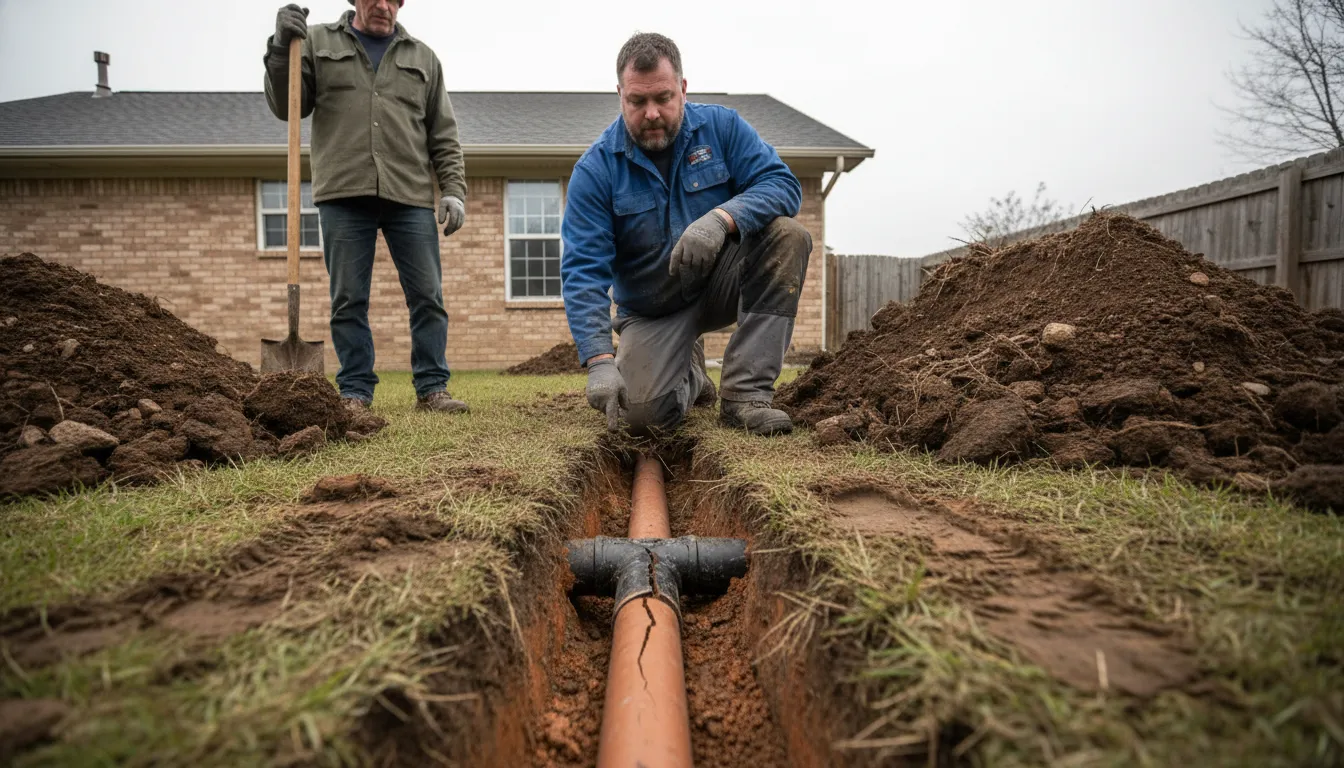
Find the Best Sewer Line Repair Companies for Your Business
No obligation • Fast responses • Nationwide coverage

Why you can trust Search a Plumber
Search a Plumber is a leading United States resource for finding and evaluating professional plumbing services. Our team researches licensing, experience, and customer feedback to create unbiased, fact-driven overviews. Companies cannot pay to change ratings or placement, ensuring homeowners get trustworthy information.
Search providers near you
Top Sewer Line Repair Companies in Lakeland, Florida Ranked
A damaged sewer line is a serious issue that can disrupt your home, threaten your property, and impact public health. Sewer line repair involves diagnosing and fixing the underground pipe that carries waste from your home to the municipal main or septic system. In Lakeland, where soil conditions and aging infrastructure can pose unique challenges, understanding your repair options is crucial. This guide will help you navigate the process, compare modern and traditional methods, and connect with qualified local professionals to restore your home's essential plumbing function.
Ivy Plumbing
10929 Banyan Wood Way, Riverview, FL 33579
Ivy Plumbing is a family-run plumbing service based in Tampa, FL, offering a range of services including water heater repair and installation, water softener installation, sewer line repair, and leak detection. With over 20 years of experience and leadership from a Certified Master Plumber, the company serves the greater Tampa Bay area, including Hillsborough County and nearby communities. Ivy Plumbing is backflow certified and focuses on accurate diagnostics, transparent pricing, and lasting solutions without sales pressure.

The GOAT Plumbing Company
4029 Crescent Park Dr, Riverview, FL 33578
The GOAT Plumbing Company provides a wide range of plumbing services in Tampa, FL, including water heater repair and installation, water softener installation, drain cleaning, sewer line repair, leak detection, and repiping. Serving both Tampa and Fort Myers, the company uses advanced tools and technologies to deliver plumbing installations, repairs, and replacements aimed at enhancing the performance and longevity of residential plumbing systems. Their licensed and insured team offers emergency plumbing services and backs their work with a warranty, ensuring reliable support when urgent issues arise.
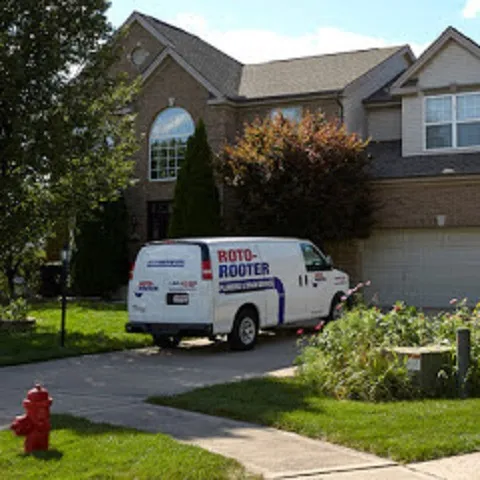
Roto-Rooter Plumbing & Water Cleanup
110 Lithia Pinecrest Rd ste i, Brandon, FL 33511
Roto-Rooter Plumbing & Water Cleanup provides comprehensive plumbing services in Tampa, FL, including emergency plumbing available 24/7. Their offerings cover drain cleaning, sewer line repair using trenchless methods, water heater installation and repair for both traditional and tankless models, and water softener and filtration system installation. They use video camera inspections to diagnose sewer issues and hydro-jetting equipment to clear drains effectively. Serving the Tampa area, Roto-Rooter is fully licensed and insured, ready to handle a wide range of plumbing needs with minimal disruption.
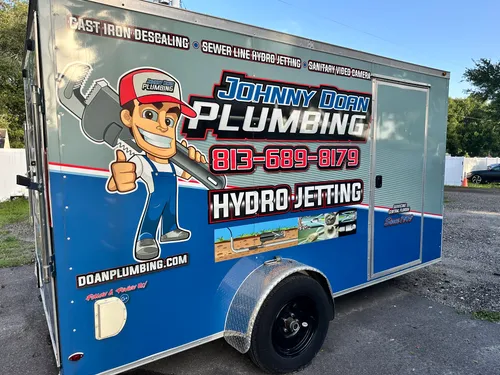
Johnny Doan Plumbing
301 US-92, Seffner, FL 33584
Johnny Doan Plumbing is a family-owned plumbing company serving St Petersburg, FL, and the broader Central Florida area. Established in 1969, they offer a wide range of residential and commercial plumbing services including drain cleaning, sewer line repair, water heater installation and repair, leak detection, hydro jetting, and sewer camera inspections. With over 50 years of experience, Johnny Doan Plumbing is equipped to handle various plumbing challenges unique to the region.
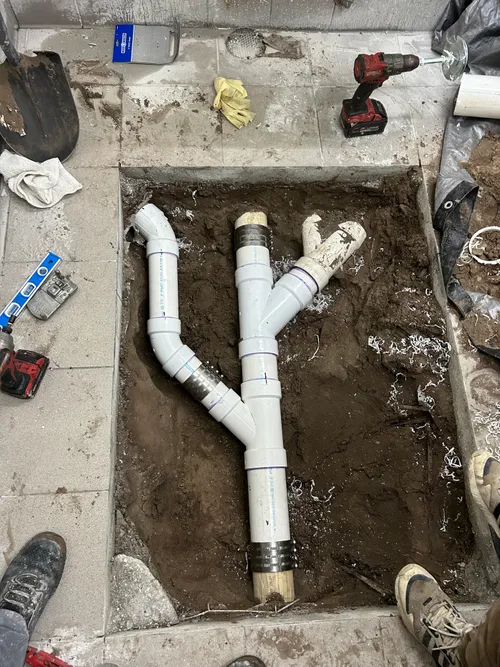
Florida Plumbers
13616 Laraway Dr, Riverview, FL 33579
Florida Plumbers is a family-owned and fully licensed plumbing company serving Tampa, FL, and the surrounding Hillsborough County area. With over 20 years of experience, they provide a wide range of plumbing services including water heater repair and installation, sewer line repair, drain cleaning, leak detection, and toilet repair. Their capabilities include advanced sewer camera inspections and cast iron pipe milling to restore old pipes without excavation. The company offers 24/7 emergency service to address urgent plumbing needs promptly.
Understanding Your Sewer Line System
Your home's main sewer line, or lateral, is a critical but out-of-sight component of your plumbing. In Lakeland, these lines typically run underground from your home's foundation to the main city sewer line, often passing beneath landscaping, driveways, or sidewalks. When this line fails, it's not a problem that will fix itself. Recognizing the common causes of failure can help you identify issues early:
- Tree Root Intrusion: Roots seek moisture and can infiltrate even small cracks in pipes, eventually causing major blockages or breaks.
- Pipe Corrosion and Age: Older homes may have clay tile or cast iron pipes, which can corrode, crack, or collapse over decades of use.
- Ground Shifting and Settling: Florida's sandy soil is prone to shifting, especially with seasonal rains, which can put stress on pipes and cause misalignment or cracks.
- Grease and Debris Blockages: Persistent clogs from improper disposal of fats, oils, and non-flushable items can lead to complete backups.
- General Wear and Tear: Like all materials, sewer pipes have a finite lifespan and will eventually need attention or replacement.
Signs You Need Sewer Line Repair
Ignoring a failing sewer line only leads to more extensive and expensive damage. Be alert for these warning signs:
- Frequent Drain Backups: Multiple drains clogging simultaneously, especially in lower-level fixtures like basement showers or floor drains.
- Unpleasant Odors: Persistent sewer gas smells in your yard or near drains inside your home.
- Slow Drains: Water draining unusually slowly from tubs, sinks, and toilets, even after using chemical or mechanical drain cleaners.
- Lush or Soggy Patches in Yard: Unexplained areas of overly green grass or consistently wet, sunken spots in your lawn can indicate a leaking sewer line.
- Gurgling Sounds: Strange noises coming from your toilets or drains when water is running elsewhere in the house.
- Foundation Cracks or Settlement: In severe cases, leaking water from a broken line can erode soil under your home's foundation.
If you notice any of these issues, the next step is a professional diagnosis, typically involving a specialized sewer camera inspection to pinpoint the exact location, cause, and severity of the problem.
Repair Methodologies: Trenchless vs. Traditional Excavation
Once a problem is identified, you and your plumbing professional will decide on the best repair strategy. The two primary approaches offer different benefits and trade-offs.
Trenchless Sewer Repair
Trenchless technology has revolutionized sewer line work by minimizing excavation. The two most common methods are Cured-In-Place Pipe (CIPP) lining and pipe bursting.
- CIPP Lining: A flexible, resin-saturated tube is inserted into the damaged pipe and inflated. The resin cures in place, forming a hard, seamless "pipe within a pipe." This method is excellent for repairing cracks, holes, and root intrusions in pipes that are structurally sound but leaking 1.
- Pipe Bursting: A conical bursting head is pulled through the old, broken pipe, fracturing it outward while simultaneously pulling a new, high-density polyethylene (HDPE) pipe into place. This is used for complete replacement when the old line is too damaged to line 2.
Pros of Trenchless Methods:
- Minimal Disruption: Requires only small access pits, preserving landscaping, driveways, and hardscapes.
- Faster Completion: Most projects can be completed in one to two days.
- Durable Result: The new liner or pipe is often more resistant to roots and corrosion than the original.
- Potentially Lower Long-Term Cost: Avoids expensive restoration work.
Cons of Trenchless Methods:
- Higher Initial Cost: The specialized equipment and materials can lead to a higher upfront price per foot.
- Not for All Situations: May not be suitable for pipes that have completely collapsed, have severe misalignment, or sharp, non-navigable bends.
Traditional Excavation (Open-Trench Repair)
This is the conventional method, involving digging a trench along the entire length of the damaged pipe to expose it for repair or replacement.
Pros of Traditional Excavation:
- Direct Access: Provides full visual access to the problem, which can be beneficial for complex issues.
- Universal Solution: Can handle any type of damage, including total collapses and complicated tie-ins.
- Potentially Lower Cost for Short Runs: For very small, accessible sections of pipe, digging may be less expensive than mobilizing trenchless equipment.
Cons of Traditional Excavation:
- Major Property Disruption: Requires destroying and later restoring lawns, gardens, sidewalks, and possibly driveways.
- Longer Project Timeline: Digging, repairing, backfilling, and restoring the landscape takes significantly longer.
- Higher Restoration Costs: The cost to repair your property after the plumbing work can add thousands to the final bill.
- Weather Dependent: Open trenches are vulnerable to rain, which can cause delays and complications.
Find the perfect sewer line repair companies for your needs
Get personalized recommendations and expert advice
Cost Considerations for Lakeland Homeowners
Sewer line repair is a significant investment, and costs in Lakeland can vary widely based on the method chosen, the extent of damage, access, and local permit requirements. Here's a general breakdown to help you budget:
- Trenchless Repair (CIPP Lining): Typically ranges from $60 to $200 per foot. Pipe bursting tends to be on the higher end of the trenchless spectrum, sometimes reaching $200 to $280+ per foot 3.
- Traditional Excavation: Can range from $50 to $450+ per foot for the plumbing work alone. However, this does not include the critical cost of restoring your landscaping, concrete, or asphalt, which can add several thousand dollars to the project total.
Total Project Cost Examples:
- A basic excavation repair for a short section might cost between $3,000 and $7,000.
- A full traditional replacement of a 30-foot line often averages between $12,000 and $15,000, but can reach $30,000+ with difficult access or extensive restoration 4 5.
- A 100-foot trenchless lining project could range from $11,000 to $25,000 6.
While trenchless methods often have a higher initial line-item cost, the avoidance of massive restoration expenses frequently makes them more cost-effective over the full scope of the project, especially for longer lines under developed property 7. The only way to get an accurate estimate is to have a licensed professional perform a camera inspection and provide a detailed quote for your specific situation.
Choosing the Right Solution for Your Home
The best repair method depends on a careful assessment of your property and the pipe's condition. As a general guide:
- Consider Trenchless Repair If: Your pipe is structurally sound enough to act as a host for a new liner (determined by camera inspection), you have expensive landscaping or hardscapes, and you want to minimize disruption and long-term total cost 8 9.
- Traditional Excavation May Be Necessary If: The pipe is severely collapsed, misaligned, or has multiple sharp bends that a lining tube cannot navigate. It may also be more practical for very short, easily accessible runs where restoration costs are minimal 10 11.
Always insist on a thorough video inspection before agreeing to any work. A reputable provider will show you the footage, explain the problem clearly, and discuss all viable repair options with their associated costs and implications.
Frequently asked questions
Sources
Footnotes
-
Trenchless Sewer Repair vs. Traditional Excavation - AQUALIS - https://aqualisco.com/trenchless-sewer-repair-vs-traditional/ ↩
-
Trenchless Sewer Line Repair vs Traditional: Which Is Better - https://cactusplumbingandair.com/trenchless-sewer-line-repair-vs-traditional/ ↩
-
Trenchless vs. Traditional Sewer Repair - https://sewerlinesonly.com/trenchless-vs-traditional-sewer-repair-which-is-more-cost-effective-for-lakewood-homeowners/ ↩
-
How Much Does It Cost to Replace a Sewer Line in Florida? - https://www.cooltoday.com/blog/how-much-does-it-cost-to-replace-a-sewer-line-in-florida ↩
-
The Cost of Sewer Line Replacement: What to Expect - https://dirtcheapsewer.com/the-cost-of-sewer-line-replacement/ ↩
-
Decoding Trenchless Sewer Repair Costs - Pipeliner Pros - https://pipelinerpros.com/trenchless-sewer-repair-cost/ ↩
-
Is Trenchless Sewer Line Repair Cheaper? - AP Plumbing - https://applumbing.com/blog/is-trenchless-sewer-line-repair-cheaper/ ↩
-
Trenchless Sewer Repair: Lower Cost, Lower Impact Sewer Repair - https://www.sewerflowllc.com/2025/03/06/trenchless-sewer-repair-lower-cost-lower-impact-sewer-repair/ ↩
-
Cost Comparison: Trenchless vs. Traditional Sewer Line Repair - https://www.advancedtrenchlesssolutions.com/blog/cost-comparison-trenchless-vs-traditional-sewer-line-repair ↩
-
Sewer Pipe Lining vs Residential Excavation - 128 Plumbing - https://www.128plumbing.com/sewer-pipe-lining-vs-residential-excavation/ ↩
-
Sewer Repair Options: Trenchless vs. Traditional Methods | TYCO - https://tycoplumbingco.com/sewer-repair-options-trenchless-vs-traditional-methods/ ↩