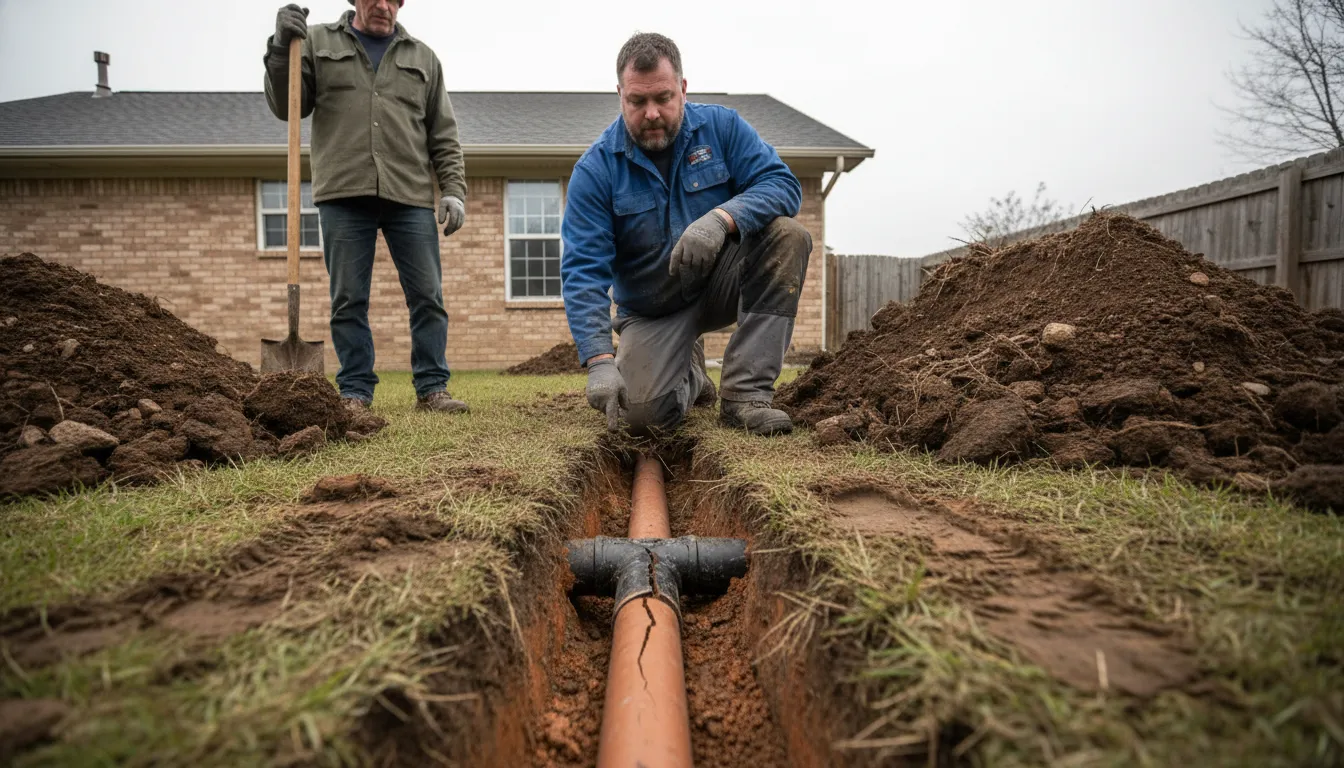
Find the Best Sewer Line Repair Companies for Your Business
No obligation • Fast responses • Nationwide coverage

Why you can trust Search a Plumber
Search a Plumber is a leading United States resource for finding and evaluating professional plumbing services. Our team researches licensing, experience, and customer feedback to create unbiased, fact-driven overviews. Companies cannot pay to change ratings or placement, ensuring homeowners get trustworthy information.
Search providers near you
Top Sewer Line Repair Companies in Maricopa, Arizona Ranked
A damaged sewer line is a serious issue that can disrupt your home and lead to costly property damage. Sewer line repair involves fixing the underground pipe that carries wastewater from your home to the city's main sewer system. When this critical line fails, it's essential to find a reliable, local professional who can diagnose the problem and recommend the best solution, whether it's a simple fix or a full replacement. This guide will help you understand your options for sewer line repair in Maricopa, from recognizing the signs of trouble to comparing repair methods and costs.
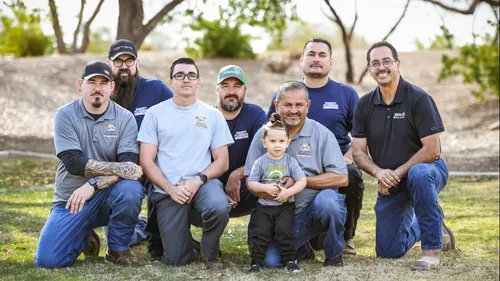
Dignity Plumbers Service & Water Softeners
11200 W Wisconsin Ave #5A, Youngtown, AZ 85363
Dignity Plumbers Service & Water Softeners is a family-owned plumbing company serving Phoenix, AZ, and surrounding West Valley communities. They provide a wide range of plumbing services including water heater repair and installation, tankless water heater services, water softener installation, drain cleaning, sewer line repair, leak detection, gas line installation, toilet repair, and garbage disposal repair. With over 20 years of experience, their master plumbers are equipped to handle emergency plumbing needs 24/7, ensuring prompt attention to urgent issues. They also specialize in tankless water heater installation and recommend water softeners to protect plumbing investments.
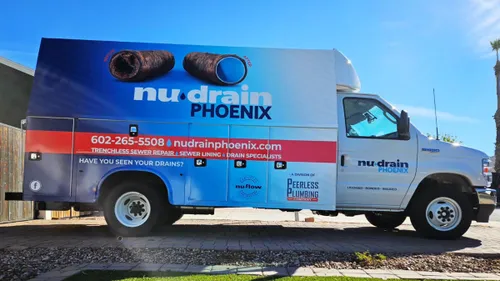
Peerless Plumbing & Nudrain Phoenix
3801 E Roeser Rd #20, Phoenix, AZ 85040
Peerless Plumbing & Nudrain Phoenix is a family-owned trenchless plumbing contractor based in Phoenix, AZ. They specialize in trenchless sewer repair, sewer camera inspections, repiping, and sewer line repairs using innovative, minimally disruptive technology. As the first licensed NuFlow contractor in Arizona, they offer services that avoid traditional digging, preserving landscapes and structures while restoring pipes efficiently. With over 30 years and more than 10,000 piping installations experience, Peerless Plumbing provides long-term plumbing solutions throughout Arizona and partners with professionals across the U.S. and Canada to extend their reach. They are certified by NASSCO and NuFlow and have been recognized in industry publications and podcasts for their expertise.
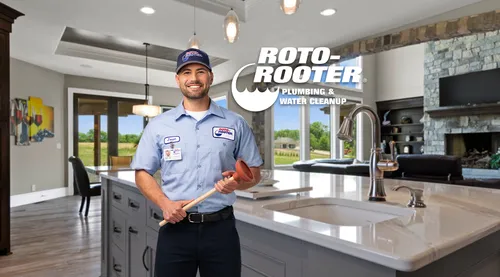
Roto-Rooter Plumbing & Water Cleanup
12133 W Bell Rd #104, Surprise, AZ 85378
Roto-Rooter Plumbing & Water Cleanup provides comprehensive plumbing and water cleanup services in Phoenix, AZ, and the surrounding areas. They serve both residential and commercial clients with a wide range of services including sewer and drain cleaning, water heater repair and installation, leak detection, gas line installation, and trenchless sewer repair. The company is equipped to handle emergency plumbing situations and offers 24/7 availability to address urgent issues such as sewer backups, flooding, and gas leaks. Roto-Rooter also specializes in hydro jetting and mold remediation, using advanced technology to maintain and restore plumbing systems effectively. Serving the greater Phoenix area, Roto-Rooter has a strong local presence and understands the unique plumbing challenges posed by the region's weather and infrastructure. Their team is experienced in both conventional and trenchless sewer repair methods, providing tailored solutions for each property. The company emphasizes emergency readiness with around-the-clock service to minimize damage and disruption during plumbing crises.
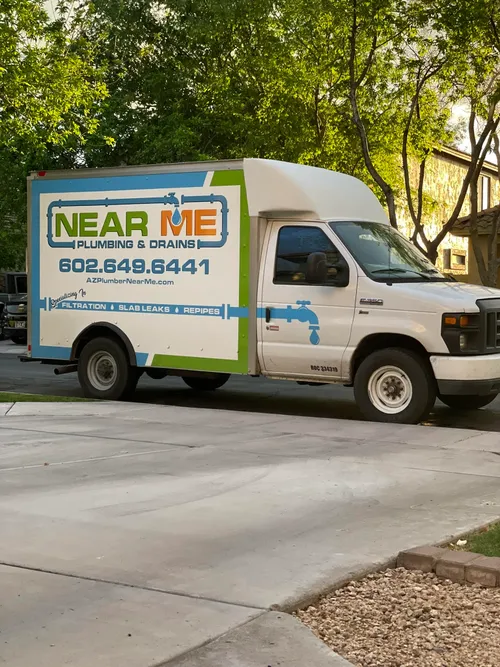
Near Me Plumbing & Drains, LLC
Phoenix, AZ
Near Me Plumbing & Drains, LLC is a family-owned plumbing company serving Phoenix, AZ, and surrounding areas. They provide a range of plumbing services including tankless water heater installation, water softener setup, drain cleaning, sewer line repair, leak detection, and toilet repair. The company emphasizes quality workmanship and offers same-day plumbing services with licensed plumbers equipped to handle both residential and commercial needs. They have a licensed team and operate Monday through Saturday with emergency availability, focusing on tailored solutions for each customer.
Instant Plumbing and Rooter
4340 W Charleston Ave, Glendale, AZ 85308
Instant Plumbing and Rooter is a family-owned plumbing business serving Glendale, AZ, and surrounding Arizona communities since 2001. They offer a wide range of plumbing services including drain and sewer restoration, water heater installation and repair, water softener installation, leak detection, and gas line installation. Their capabilities include sewer line camera inspections to accurately diagnose and address drainage issues. The company focuses on both residential and commercial plumbing needs, providing solutions to maintain functional and efficient household plumbing systems.
What is a Sewer Line and How Does It Fail?
Your home's main sewer line, or sewer lateral, is a crucial component of your plumbing system. It runs from your home's foundation, typically under your yard, to the city's main sewer line at the street. This pipe handles all the wastewater from your toilets, sinks, showers, and appliances. When it's working correctly, you don't think about it. When it fails, it becomes an urgent priority.
In Maricopa, several common factors lead to sewer line failure:
- Aging Pipes: Older homes may have pipes made of materials like cast iron or clay that are prone to corrosion, cracking, and deterioration over time.
- Tree Root Intrusion: This is a major issue. Roots seek out moisture and can infiltrate pipe joints, causing blockages, breaks, and complete pipe failure.
- Ground Shifting: Arizona's unique desert soil can expand, contract, and shift, putting stress on pipes and causing them to misalign or break.
- Blockages: Accumulations of grease, hair, soap scum, and non-flushable items can create severe clogs that lead to backups and pressure damage.
Signs You Need Sewer Line Repair or Replacement
Don't ignore the warning signs of a failing sewer pipe. Early detection can mean the difference between a relatively simple repair and a major excavation project. Be on the lookout for:
- Multiple Drain Clogs: If more than one fixture (like a toilet and a shower) is backing up at the same time, the problem is likely in the main line.
- Slow Drains Throughout the House: A systemic slowdown in drainage points to a blockage or collapse in the sewer lateral.
- Unpleasant Odors: Foul sewage smells in your yard, near cleanout pipes, or even inside your home are a red flag.
- Soggy Patches or Lush Grass: Unexplained wet, soggy, or unusually green and lush patches in your yard can indicate a sewer line leak.
- Gurgling Sounds: Strange gurgling noises coming from toilets or drains when water is running elsewhere.
If you notice any of these issues, the next step is to contact a professional for a video camera inspection. This is a non-invasive way to see exactly what's happening inside your pipe, pinpoint the problem's location and severity, and determine the best course of action.
Repair Methods: Trenchless vs. Traditional Excavation
Once a problem is diagnosed, you'll have two primary repair paths: modern trenchless technology or traditional dig-and-replace methods. The right choice depends on the damage, your property layout, and your budget.
Trenchless Sewer Repair
Trenchless technology has revolutionized sewer line fixes by minimizing disruption to your property. There are two main techniques:
- Cured-in-Place Pipe (CIPP) Lining: This method involves inserting a flexible, resin-coated tube into the damaged pipe. The tube is inflated and cured (often with heat or UV light) to form a hard, seamless "pipe within a pipe." It's excellent for fixing cracks, holes, and root intrusions in pipes that are still structurally sound.
- Pros: Extremely fast (often 1-2 days), creates no trenches, preserves landscaping and hardscapes like driveways, and can extend pipe life by decades.
- Cons: Not suitable for pipes that have fully collapsed or severely misaligned. The upfront material and technology cost is higher 1.
- Cost: Typically ranges from $90 to $250 per foot.
- Pipe Bursting: This method is used for replacement. A bursting head is pulled through the old, damaged pipe, fracturing it outward while simultaneously pulling a new, high-density polyethylene (HDPE) pipe into place behind it.
- Pros: Installs a brand-new pipe with a larger diameter if needed, still requires only small access pits, and is less disruptive than full excavation 2.
- Cons: Requires pulling space, and the old pipe fragments remain in the ground.
- Cost: Generally ranges from $60 to $200 per foot.
Find the perfect sewer line repair companies for your needs
Get personalized recommendations and expert advice
Traditional Excavation (Dig and Replace)
This is the conventional method, where a trench is dug along the entire length of the damaged pipe section to expose it, remove it, and install a new one.
- Pros: It is a definitive solution for any problem, including totally collapsed pipes, and can be the most straightforward method for shallow lines with no obstacles above 3.
- Cons: Highly disruptive. It requires digging through yards, which destroys landscaping, grass, trees, and possibly concrete surfaces like driveways or sidewalks. The project timeline is longer due to the digging and the extensive restoration work required afterward 4 5.
- Cost: The pipe replacement itself may cost $50 to $250 per foot, but the total project cost can skyrocket when factoring in labor for excavation, backfilling, and landscape/hardscape restoration. This often makes the "all-in" cost of traditional repair comparable to or higher than trenchless options.
Understanding Sewer Line Repair Costs in Maricopa
Costs for fixing a sewer line can vary dramatically based on the method, the extent of damage, pipe depth, soil conditions, and accessibility. Here's a general breakdown for the Maricopa area:
- Minor Repairs & Clearing: For simple blockages cleared with a heavy-duty auger (snaking) or hydro-jetting, you might pay between $150 and $800.
- Trenchless Repair: For lining or pipe bursting a standard residential line, expect a range of $3,000 to $20,000 or more, heavily dependent on length 6 7 8.
- Full Traditional Replacement: Excavating and replacing a sewer line can cost anywhere from $2,000 for a short, accessible section to over $30,000 for a long line under difficult terrain or paved surfaces 9 10 11.
Key Takeaway: While trenchless methods often have a higher per-foot cost for the repair itself, they frequently result in a lower total project cost because they eliminate thousands of dollars in landscape and concrete restoration. For most homeowners in Maricopa with intact but damaged pipes, a professional camera inspection followed by a trenchless repair recommendation is common.
Choosing the Right Service for Your Home
Selecting a provider for your sewer line project is a significant decision. Look for a licensed, insured, and experienced professional who offers a comprehensive approach:
- Thorough Inspection: They should always start with a video camera inspection to provide a clear diagnosis and estimate.
- Method Expertise: They should be proficient in both trenchless and traditional methods and explain the pros and cons of each for your specific situation without bias.
- Detailed Estimates: Get written estimates that detail all costs, including permits, repair, cleanup, and any restoration.
- Local Knowledge: A provider familiar with Maricopa's soil conditions and common local issues (like root intrusion from desert trees) can provide more accurate assessments.
Frequently asked questions
Sources
Footnotes
-
Trenchless Sewer Line Repair vs Traditional: Which Is Better - https://cactusplumbingandair.com/trenchless-sewer-line-repair-vs-traditional/ ↩
-
Trenchless Sewer Repair vs. Traditional Excavation: Which is Better? - https://alphaenvironmental.net/blog/trenchless-sewer-repair-vs-traditional-excavation-which-is-better/ ↩
-
How Much Does Sewer Line Replacement Cost in Phoenix, AZ? | Angi - https://www.angi.com/articles/how-much-does-sewer-line-replacement-or-repair-cost/az/phoenix ↩
-
Sewer Repair Signs & Trenchless Savings: Your Expert Guide - https://anyhourservices.com/arizona/sewer-line-repair-trenchless-options/ ↩
-
Trenchless Sewer Repair vs. Traditional Excavation - AQUALIS - https://aqualisco.com/trenchless-sewer-repair-vs-traditional/ ↩
-
Understanding the Costs of Sewer Line Repairs In Phoenix AZ - https://phoenixplumbanddrain.com/understanding-the-costs-of-sewer-line-repairs/ ↩
-
Traditional Excavation vs. Trenchless Pipe Repair in Phoenix - https://nuflowphoenix.com/traditional-excavation-vs-trenchless-pipe-repair-in-phoenix-a-full-cost-benefit-analysis/ ↩
-
Is Trenchless Sewer Line Repair Cheaper? - AP Plumbing - https://applumbing.com/blog/is-trenchless-sewer-line-repair-cheaper/ ↩
-
Cost Comparison: Trenchless vs. Traditional Sewer Line Repair - https://www.advancedtrenchlesssolutions.com/blog/cost-comparison-trenchless-vs-traditional-sewer-line-repair ↩
-
Arizona Sewer Line Replacement Cost & Factors - https://www.rooterranger.com/blog/sewer-line-replacement-cost-in-arizona/ ↩
-
How Much Does Sewer Line Replacement Cost? - CPI Service - https://cpiservice.com/blog/sewer-line-replacement-cost/ ↩