Find the Best Repiping Contractors for Your Business
No obligation • Fast responses • Nationwide coverage

Why you can trust Search a Plumber
Search a Plumber is a leading United States resource for finding and evaluating professional plumbing services. Our team researches licensing, experience, and customer feedback to create unbiased, fact-driven overviews. Companies cannot pay to change ratings or placement, ensuring homeowners get trustworthy information.
Search providers near you
Top Repiping Contractors in Hampton, Virginia Ranked
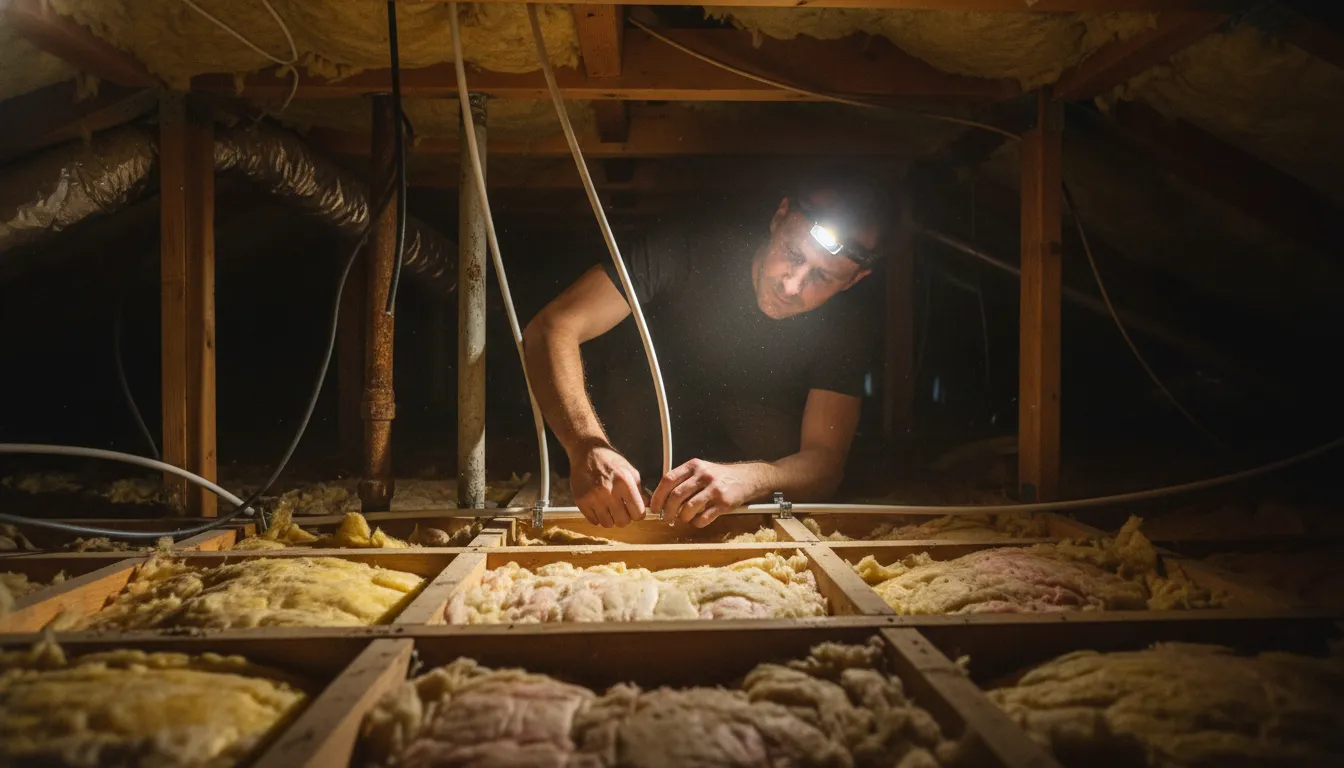
A whole-house repiping project is a significant but often necessary investment to ensure the long-term health and safety of your home's water supply. This process involves replacing all the old, failing pipes behind your walls and under your floors with new, durable materials. For homeowners in Hampton, VA, dealing with issues like frequent leaks, low water pressure, or discolored water, a full pipe replacement can restore reliability and peace of mind. This guide will help you understand what a repipe entails, from planning to completion, so you can confidently connect with qualified local professionals to assess your needs.
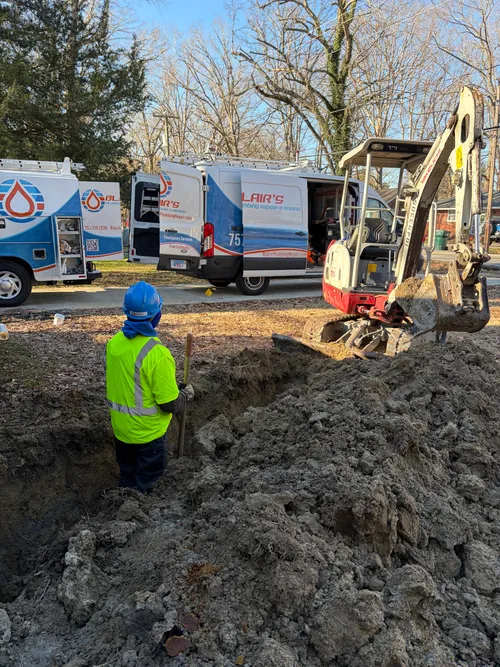
Blair's Plumbing Repair & Drains
337 Thalia Dr, Newport News, VA 23608
Blair's Plumbing Repair & Drains is a family-run plumbing company serving Virginia Beach, VA, and the Hampton Roads Peninsula communities. They provide a wide range of plumbing services including water heater repair and installation, tankless water heater service for Rinnai and Navien models, sump pump and sewage pump repair, drain cleaning, sewer line repair, leak detection, repiping, and toilet and garbage disposal repairs. The company emphasizes thorough whole home plumbing inspections and detailed explanations to help customers understand their plumbing systems. Founded in 2020 by Army veteran Justan Blair, the business combines skilled plumbing work with a focus on customer education and service.

RPG Plumbing Services
5305 Cleveland St STE 102, Virginia Beach, VA 23462
RPG Plumbing Services is a plumbing company serving Virginia Beach, VA, and the Hampton Roads area. Since 2015, they have provided a range of plumbing services including water heater repair and installation, drain cleaning, hydro jetting, sewer line repair, leak detection, repiping, gas line installation, and toilet repair. Their team holds Class A Contractor licenses, Master plumber and gas fitter certifications, and specialized training such as Navien certification, enabling them to handle both simple and complex plumbing issues. RPG Plumbing Services offers 24/7 emergency plumbing support to address urgent problems at any time.
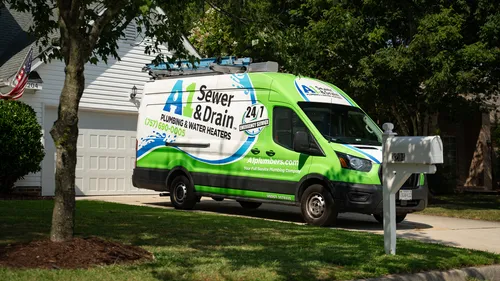
A1 Sewer & Drain Plumbing & Water Heaters
545 S Birdneck Rd Suite 202-E, Virginia Beach, VA 23451
A1 Sewer & Drain Plumbing & Water Heaters provides a wide range of plumbing, sewer, and gas line services in Virginia Beach, VA. Their offerings include sewer camera inspections, water heater installation and repair, drain cleaning, leak detection, repiping, and gas line installation. The company uses advanced diagnostic tools to accurately identify issues and delivers customized solutions for homes and businesses. With nearly four decades of experience since 1987, A1 Sewer & Drain is equipped to handle complex plumbing challenges and offers 24/7 emergency services to the local community.

Get Lit Electrical, Plumbing & Water Heater Repair
1720 Lambert Ct Suite B, Chesapeake, VA 23320
Get Lit Electrical, Plumbing & Water Heater Repair offers a wide range of plumbing services in Virginia Beach, VA. Their licensed plumbers handle everything from water heater installation and repair to sewer line repair and hydro jetting. They specialize in trenchless sewer repair and provide advanced leak detection and repiping services. With years of experience, they focus on honest communication and quality workmanship to ensure lasting results. The company also offers modern plumbing upgrades, including tankless water heaters and water softener installations.
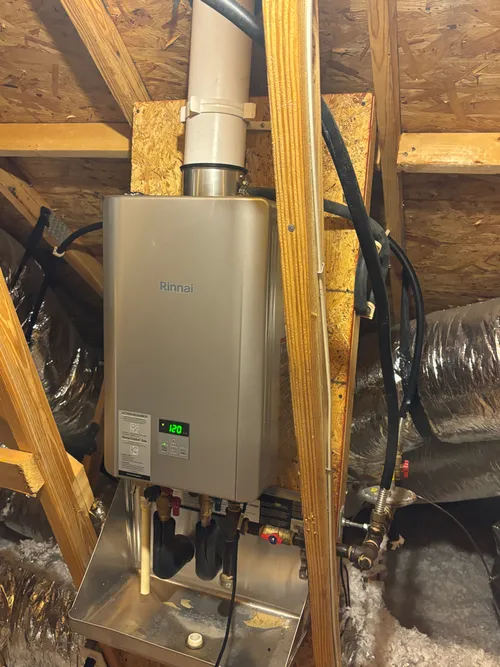
Power Plumbing LLC
2141 Chesapeake Dr, Chesapeake, VA 23324
Power Plumbing LLC is a family-owned plumbing and gas service provider based in Virginia Beach, VA. They offer a wide range of residential and commercial plumbing services including water heater repair and installation, drain cleaning with hydro-jetting, sewer line inspection and repair, sump pump services, gas line installation and repair, and leak detection. The company uses advanced technology such as sewer camera inspections and provides 24/7 emergency plumbing and gas services. Power Plumbing LLC emphasizes experienced, licensed professionals and transparent communication to meet customer needs.
Understanding the Need for a Full Pipe Replacement
Why would a Hampton homeowner consider such a major plumbing undertaking? Older homes in the area, like those built before the 1990s, may still have original piping materials that are prone to failure. Galvanized steel pipes, common in mid-century construction, corrode from the inside out, leading to rust-clogged lines and severely reduced water flow. Polybutylene pipes, used extensively from the late 1970s to mid-1990s, are notorious for becoming brittle and cracking. Even older copper systems can develop pinhole leaks over decades of use.
Signs you might need a repipe include:
- Persistent leaks in walls or ceilings, even after spot repairs.
- Discolored water (brown, yellow, or reddish) indicating rust in the lines.
- Noticeably low water pressure at multiple fixtures throughout the house.
- Rattling or banging noises (water hammer) from pipes.
- Visible corrosion on pipe fittings at your water heater or under sinks.
Ignoring these symptoms can lead to catastrophic water damage, mold growth, and skyrocketing water bills. A complete pipe replacement addresses the root cause, eliminating these risks for decades to come.
The Repiping Process: A Step-by-Step Overview
A professional whole-house repiping job is a multi-stage project designed for efficiency and minimal long-term disruption. Here's what you can generally expect when you hire a licensed plumber in Hampton.
1. Initial Inspection and Planning
The process begins with a thorough assessment. A plumber will evaluate your current system, identify the existing pipe materials, and map out the most efficient routes for the new lines. This is also when they will discuss material options (like PEX or copper) with you, provide a detailed estimate, and secure any necessary permits from the City of Hampton or local Virginia building authorities. 1
2. Site Preparation and Demolition
Before work starts, the water main will be shut off. The crew will move furniture, cover floors and belongings with protective sheets, and set up dust barriers if needed. To access the old plumbing network, strategic access holes are cut into drywall at key points, such as where pipes run vertically between studs or horizontally through joists. The goal is to minimize the number and size of these openings while ensuring the plumbers can work effectively.
3. Removal and Installation
The old pipes are carefully disconnected and removed. Then, the new piping system is installed. Modern methods often allow plumbers to "fish" flexible new lines through walls with fewer large holes. Each new section is secured, and all connections are made according to code. The installation phase is typically the most disruptive part of the project, as it requires access to walls throughout the home. 2
4. Pressure Testing and Reconnection
Once the new network is in place, it is not immediately connected to your fixtures. First, the system is sealed and pressurized with air or water for a comprehensive leak test. This critical step ensures every joint and segment is perfectly secure. Only after passing inspection does the plumber reconnect your water heater, toilets, sinks, showers, and appliances to the new supply lines. 3 4
5. Restoration and Cleanup
With the plumbing work complete, the restoration phase begins. The plumber or their partnered contractor will patch the access holes in your drywall, leaving them ready for sanding and painting. All work areas are thoroughly cleaned, debris is removed, and your furniture is returned to its place. A reputable service will leave your home as tidy as possible, considering the scope of the work. 5
Find the perfect repiping contractors for your needs
Get personalized recommendations and expert advice
Choosing the Right Piping Material
The material you select for your new plumbing system impacts cost, longevity, and installation time. Here are the most common options used in Hampton homes today.
PEX (Cross-linked Polyethylene): This is the most popular choice for modern repiping projects. PEX is a flexible, durable plastic tubing that is highly resistant to scale and corrosion. Its flexibility allows for long, continuous runs with fewer fittings, which can reduce potential leak points and speed up installation. It is also generally the most cost-effective material. 6
Copper: The traditional gold standard for water lines, copper is known for its durability and long service life. It can withstand high heat and adds a perceived value to a home. However, copper is significantly more expensive than PEX, both in material cost and labor, as it requires soldering each joint. It is also susceptible to theft from construction sites. 7
CPVC (Chlorinated Polyvinyl Chloride): Another plastic option, CPVC is rigid and requires glue at each connection. It is often a budget-friendly choice but is generally considered less robust and flexible than PEX for whole-house applications.
Your licensed plumber can advise on the best material for your specific home, budget, and local water conditions, ensuring compliance with the Virginia Uniform Statewide Building Code.
Project Timeline and Cost Considerations
Understanding the investment of time and money is crucial for planning a repipe.
How long does a repipe take? For an average-sized home in Hampton, the active plumbing work can often be completed in 2 to 5 days. However, larger homes, those with complex layouts, or projects requiring extensive wall access can extend to a week or more. 8 The subsequent drywall repair and painting are separate and will add to the overall project timeline.
What is the cost to repipe a house? Costs vary widely based on your home's square footage, the number of bathrooms, the chosen material, and labor complexity. 9 10 11
- Repiping with PEX or CPVC for a typical 1,500-2,000 sq ft home often ranges from $4,000 to $12,000+.
- Repiping with copper for the same home can range from $8,000 to $20,000 or more due to the high material cost and intensive labor.
These estimates generally include the plumbing labor, materials, permit fees, and standard wall patching. Always obtain detailed, written estimates from several licensed and insured local plumbers. The lowest bid is not always the best value; consider the company's reputation, warranty, and proposed process.
Preparing Your Home and Family for the Project
A little preparation can make the disruption much more manageable:
- Clear the work areas: Move small furniture, rugs, and decor items away from walls in bathrooms, the kitchen, and utility rooms.
- Plan for water outages: Your water will be off during the core installation days. Fill containers with water for drinking and flushing toilets (pour a bucket into the bowl to flush).
- Consider alternative arrangements: For multi-day projects, you may want to plan meals that don't require running water and consider if young children or pets would be better off staying elsewhere during the noisiest demolition phases.
- Communicate with your plumber: Discuss the daily schedule, where they will need access, and how they plan to manage dust and debris. A professional team will keep you informed every step of the way. 12
Frequently asked questions
Sources
Footnotes
-
What Is Involved in Repiping a House? - Allied Foundation - https://www.crackedslab.com/blog/what-is-involved-in-repiping-a-house/ ↩
-
What Is Involved in Repiping a House? - Apollo HVAC & Plumbing - https://gotoapollo.com/2024/03/06/what-is-involved-in-repiping-a-house/ ↩
-
How Much to Repipe a House: A Comprehensive Cost Guide - https://www.benjaminfranklinplumbing.com/league-city/blog/2024/december/how-much-to-repipe-a-house-a-comprehensive-cost-guide/ ↩
-
Repiping Services - https://www.ssihvac.com/plumbing/repiping-services/ ↩
-
Whole-House Repiping: Step-by-Step Guide - https://www.veteranplumbing.us/whole-house-repiping-step-by-step-guide/ ↩
-
How Much Does It Cost to Repipe a House? - CPI Service - https://cpiservice.com/blog/how-much-does-repiping-cost/ ↩
-
Repiping a House: What's Involved & How Much it Costs | R.J. Tilley - https://www.rjtilley.com/blog/2022/january/repiping-a-house-what-s-involved-how-much-it-cos/ ↩
-
What Is Involved With Repiping A House? | HELP Plumbing - https://333help.com/blog/what-is-involved-with-repiping-a-house/ ↩
-
How Much Should It Cost to Repipe Your House in Norfolk, VA? - https://norfolkplumbinginc.com/estimating-the-cost-to-repipe-your-house-in-norfolk-va/ ↩
-
What to Expect During a Whole House Repipe: Cost, Timeline ... - https://go4apes.com/what-to-expect-during-a-whole-house-repipe-cost-timeline-and-installation-process/ ↩
-
Replacing Old Pipes: 2026 Costs, Options, and What to Expect - https://modernize.com/plumbing/systems/water-supply/replacing-old-pipes ↩
-
What to Expect and How to Minimize Disruption During a ... - https://www.tridentplumbingllc.com/2025/12/31/what-to-expect-and-how-to-minimize-disruption-during-a-whole-house-repiping-project/ ↩