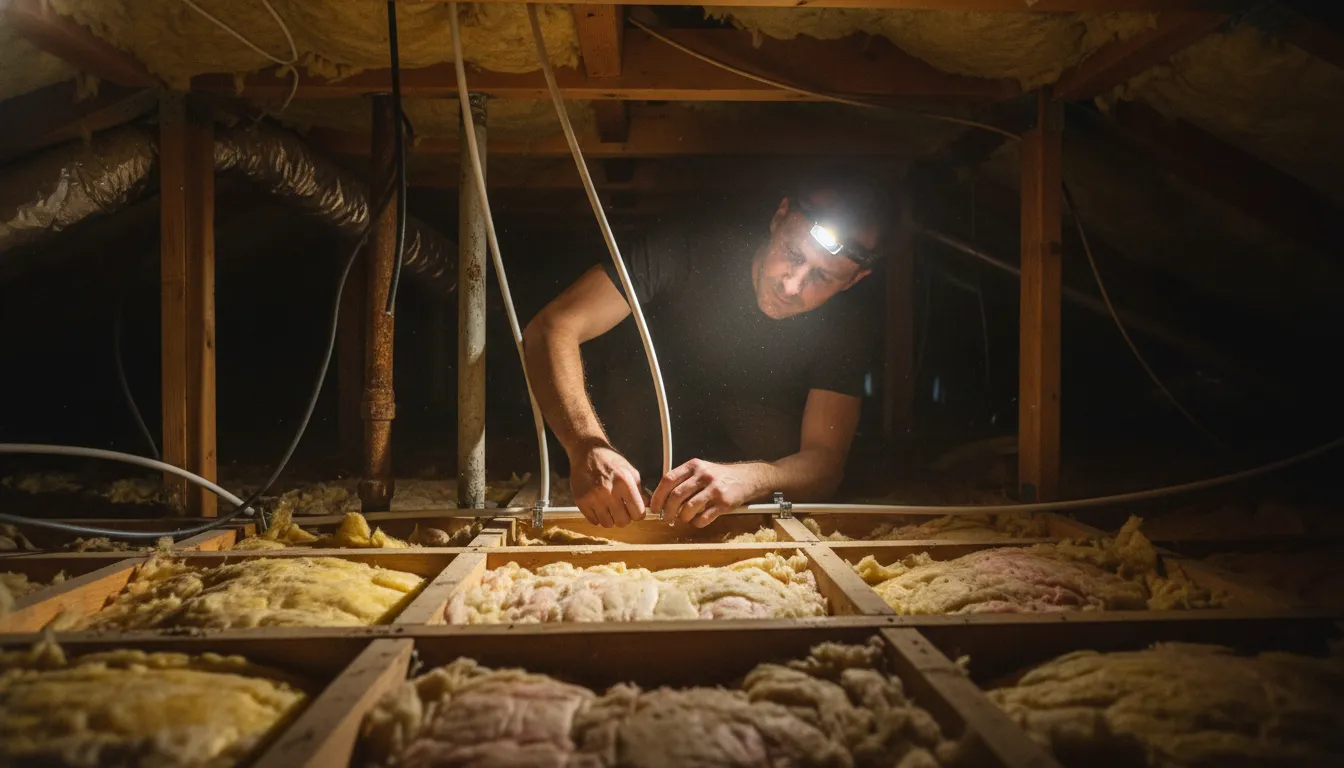
Find the Best Repiping Contractors for Your Business
No obligation • Fast responses • Nationwide coverage

Why you can trust Search a Plumber
Search a Plumber is a leading United States resource for finding and evaluating professional plumbing services. Our team researches licensing, experience, and customer feedback to create unbiased, fact-driven overviews. Companies cannot pay to change ratings or placement, ensuring homeowners get trustworthy information.
Search providers near you
Top Repiping Contractors in Lakeville, Minnesota Ranked
A whole-house repiping project is a significant but often necessary investment in your home's long-term health and value. It involves replacing all the old, failing water supply pipes in your walls and ceilings with new, modern materials. This process is crucial for preventing leaks, improving water pressure, and ensuring safe, clean drinking water for your family. If you're in Lakeville and experiencing signs of aging plumbing, this guide will help you understand the process, costs, and materials involved so you can connect with qualified local professionals for your project.
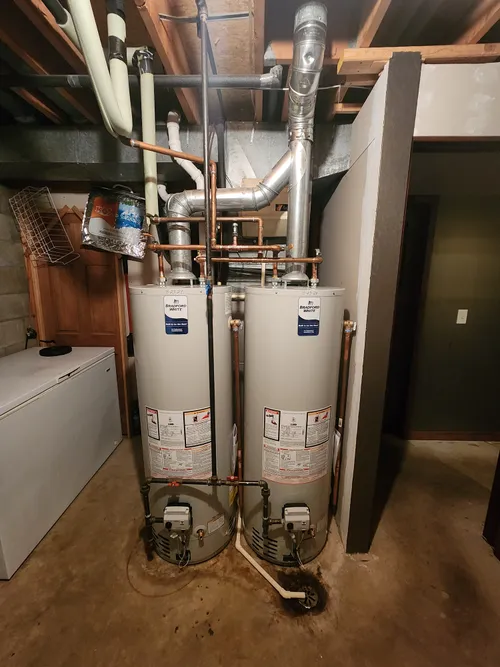
Good Guys Plumbing LLC
St Paul, MN
Good Guys Plumbing LLC is a family-owned plumbing company serving St Paul, MN, and nearby areas including Oakdale and Woodbury. They provide a wide range of residential plumbing services such as water heater repair and installation, sump pump repair, leak detection, gas line installation, and water softener installation. The company specializes in working with PEX, copper, and galvanized water systems and offers backflow prevention and water treatment solutions. With over a decade of experience, Good Guys Plumbing focuses on residential plumbing needs and maintaining home plumbing systems.
Roto-Rooter Plumbing & Water Cleanup
1821 University Ave W #317, St Paul, MN 55104
Roto-Rooter Plumbing & Water Cleanup provides a wide range of plumbing services in St. Paul, MN, including residential and commercial plumbing, drain cleaning, sewer line repair, water heater installation and repair, water softener and filtration system installation, and leak detection. They offer specialized capabilities such as video camera sewer inspections and trenchless sewer repair methods to minimize disruption during repairs. Serving the St. Paul metro area, their team is available 24/7, 365 days a year to address plumbing emergencies and routine maintenance needs.
Roto-Rooter Plumbing & Water Cleanup
6440 Flying Cloud Dr #111, Eden Prairie, MN 55344
Roto-Rooter Plumbing & Water Cleanup provides comprehensive plumbing services in Minneapolis, MN, including water heater repair and installation, sump pump repair, drain cleaning, sewer line repair, leak detection, repiping, and toilet and garbage disposal repairs. The company offers 24-hour emergency plumbing services, including after-hours and holiday availability, and specializes in trenchless sewer repair using advanced equipment. With over 85 years of experience, Roto-Rooter is equipped to handle a wide range of plumbing challenges and water damage cleanup.
Kelly Plumbing & Heating, Inc.
1932 St Clair Ave, St Paul, MN 55105
Kelly Plumbing & Heating, Inc. is a family-owned plumbing and heating service provider based in St Paul, MN. Serving the Saint Paul, Minneapolis, and Twin Cities communities, they offer a wide range of services including water heater installation, sewer line repair, repiping, and gas line installation. With over 50 years of experience since 1973, they specialize in handling vintage fixtures and plumbing challenges common in older homes. The company is licensed, bonded, and insured, emphasizing quality materials and long-term solutions.
Roto-Rooter Plumbing & Water Cleanup
1629 Hennepin Ave #300G, Minneapolis, MN 55403
Roto-Rooter Plumbing & Water Cleanup is a licensed and insured plumbing company serving Minneapolis, MN. They offer a wide range of services including drain cleaning, sewer line repair, water heater installation and repair, water softener installation, sump pump repair, and leak detection. Their capabilities include advanced sewer line inspections using video camera technology and trenchless sewer repair methods that minimize disruption. Established with a long-standing reputation in the plumbing industry, Roto-Rooter provides 24/7 emergency plumbing services to address urgent issues at any time.
What is Whole-House Repiping?
Whole-house repiping, also known as a full re-pipe or plumbing replacement, is the comprehensive process of removing a home's existing water distribution pipes and installing a new system. This is distinct from spot repairs that fix a single leak. Over time, pipes made from materials like galvanized steel can corrode from the inside out, leading to reduced water flow, discolored water, and an increased risk of catastrophic failure. In older homes, there's also the potential for lead pipes or lead-based solder, which poses a serious health risk. A complete pipe replacement addresses these systemic issues, providing a fresh start for your home's plumbing infrastructure that can last for decades.
Signs You May Need a Repipe in Lakeville
How do you know if your Lakeville home is a candidate for this major plumbing overhaul? Look for these common indicators:
- Discolored Water: Brown, yellow, or reddish water, especially when you first turn on the tap, is a classic sign of rusting galvanized or iron pipes.
- Low Water Pressure: A gradual or sudden drop in water pressure throughout the house often points to significant internal corrosion and mineral buildup restricting flow.
- Frequent Leaks: If you're constantly patching pinhole leaks in different locations, the entire pipe system is likely failing.
- Visible Corrosion: Check pipes in your basement, crawl space, or under sinks. Flaking, rust spots, or a chalky white buildup are clear visual cues.
- Water Quality Concerns: If your home was built before 1986, it may have lead solder or pipes. Testing your water is a prudent step.
If you're noticing several of these issues, it's time to have a professional plumber conduct a thorough inspection.
The Repiping Process: A Step-by-Step Overview
A professional repiping job follows a structured plan to ensure minimal disruption and a reliable result. Here's what you can generally expect:
1. Inspection and Planning
A licensed plumber will first assess the condition of your existing pipes and map out the new system's layout. This stage includes determining the best access points, selecting the appropriate new piping material, and obtaining any necessary permits from the City of Lakeville.
2. Access and Removal
To reach the old pipes, strategic openings are made in drywall and ceilings. Plumbers aim to be as minimally invasive as possible, but some wall cutting is unavoidable. The old galvanized, copper, or polybutylene pipes are then carefully removed.
3. New Pipe Installation
The new piping system is installed according to the planned layout. A key goal is to create efficient runs with as few fittings and joints as possible, as these are potential weak points for future leaks 1.
4. Pressure Testing and Inspection
Before any walls are closed up, the entire new system is pressurized and tested for leaks. This is a critical quality control step. Once the plumber is satisfied, a city inspector may visit to approve the work before it's covered 2.
5. Finishing and Restoration
After passing inspection, the plumber will reconnect all fixtures (sinks, toilets, appliances) and restore water service. Basic patching of drywall openings is typically included, though extensive painting and texturing might be handled separately or as an additional service 3.
Choosing the Right Piping Material
The choice of material is one of the most significant decisions in a repipe project, affecting cost, longevity, and performance. Here are the most common options used in Lakeville homes:
- PEX (Cross-Linked Polyethylene): This flexible, plastic tubing has become the go-to choice for modern repiping. Its flexibility allows for long, continuous runs with fewer fittings, reducing labor time and potential leak points. PEX is highly corrosion-resistant, performs well in Minnesota's freeze-thaw cycles, and is generally the most budget-friendly option.
- Copper: The traditional standard, copper is known for its durability and long lifespan. It is rigid, requiring more fittings and labor to install, which increases the project cost. While resistant to bacteria, copper can eventually corrode and is susceptible to theft due to its scrap value.
- CPVC (Chlorinated Polyvinyl Chloride): Another rigid plastic option, CPVC is less expensive than copper and resistant to corrosion. It requires glue at each joint for connection. It can become brittle over time, especially if exposed to direct sunlight, and is not as universally favored as PEX for whole-house applications.
For most Lakeville homeowners, PEX offers an excellent balance of cost, performance, and reliability, making it a highly recommended material for a full plumbing replacement 4 5.
Find the perfect repiping contractors for your needs
Get personalized recommendations and expert advice
Understanding the Timeline and Cost Factors
A whole-house repipe is a substantial project, and both the duration and price tag can vary widely.
Typical Timeline: For an average-sized home in Lakeville, the active plumbing work typically takes 2 to 5 days. Larger homes, those with complex layouts, or projects involving extensive custom finishes can extend to 7-10 days or more. Remember to factor in additional time for drywall repair, painting, and other restoration work after the plumbers have finished 6.
Cost Breakdown: The total cost of a repipe is influenced by several key factors:
- Home Size & Layout: The number of bathrooms, stories, and fixture count directly impacts the amount of material and labor required.
- Pipe Material: As discussed, material choice is a major cost driver.
- Accessibility: Easy access in basements or crawl spaces can reduce labor. Finished walls and ceilings increase the complexity and restoration costs.
- Local Labor Rates: Costs in the Twin Cities metro area, including Lakeville, are typically in line with national averages.
Based on industry data, here are general cost ranges for repiping a house 7 8 9 10 11 12 13:
- Overall Range: $1,500 to $15,000+, with many whole-house projects falling between $4,000 and $10,000.
- PEX/CPVC Systems: Often on the lower end of the scale, potentially ranging from $1,500 to $8,000+.
- Copper Systems: Command a premium, with costs frequently between $5,000 and $20,000+.
The most accurate way to understand the cost for your specific home is to obtain detailed, written estimates from multiple licensed and insured plumbing contractors in the Lakeville area. Be sure estimates clearly outline the material to be used, the scope of work, and what is included in restoration.
Preparing for a Repiping Project
Proper preparation can make the process smoother for your household:
- Clear the Work Areas: Move furniture and personal items away from walls where plumbers will need access.
- Plan for Water Outages: You will be without water for periods during the installation. Plan accordingly for drinking water, toilet use, and personal hygiene.
- Discuss Logistics: Talk with your plumber about daily start/end times, which parts of the house will be affected each day, and where they will stage their equipment.
- Understand the Finish: Confirm what level of drywall repair and cleanup is included in your contract.
Frequently asked questions
Sources
Footnotes
-
Replacing Old Pipes: 2026 Costs, Options, and What to Expect - https://modernize.com/plumbing/systems/water-supply/replacing-old-pipes ↩
-
Whole-House Repiping: Step-by-Step Guide - https://www.veteranplumbing.us/whole-house-repiping-step-by-step-guide/ ↩
-
Comprehensive Guide to Whole House Repiping - https://www.absoluteairflow.com/comprehensive-guide-to-whole-house-repiping/ ↩
-
How Much to Repipe a House: A Comprehensive Cost Guide - https://www.benjaminfranklinplumbing.com/league-city/blog/2024/december/how-much-to-repipe-a-house-a-comprehensive-cost-guide/ ↩
-
Repiping Services In San Antonio | Whole House Repiping - https://www.comfort-air.com/residential/plumbing/repiping/ ↩
-
What to Expect During a Whole House Repipe: Cost, Timeline ... - https://go4apes.com/what-to-expect-during-a-whole-house-repipe-cost-timeline-and-installation-process/ ↩
-
How Much Does It Cost to Repipe a House? - https://therepipecompany.com/faqs/how-much-does-it-cost-to-repipe-my-home/ ↩
-
What Is Involved With Repiping A House? | HELP Plumbing - https://333help.com/blog/what-is-involved-with-repiping-a-house/ ↩
-
Repiping a House: What's Involved & How Much it Costs | R.J. Tilley - https://www.rjtilley.com/blog/2022/january/repiping-a-house-what-s-involved-how-much-it-cos/ ↩
-
House Repiping Cost 2022: How Much To Repipe Your Home? - https://www.superbrothers.com/house-repiping-cost-2022-how-much-to-repipe-your-home/ ↩
-
Repipe House Cost 2023: Average Expenses & Factors - https://www.superbrothers.com/repipe-house-cost-2023-average-expenses-factors/ ↩
-
What Does Whole House Repiping Entail? | Golden Rule - https://goldenrulephc.com/blog/what-does-whole-house-repiping-entail/ ↩
-
Navigating the Repiping Process: A Timeline and Checklist - https://kinseyplumbing.com/navigating-the-repiping-process-a-timeline-and-checklist/ ↩