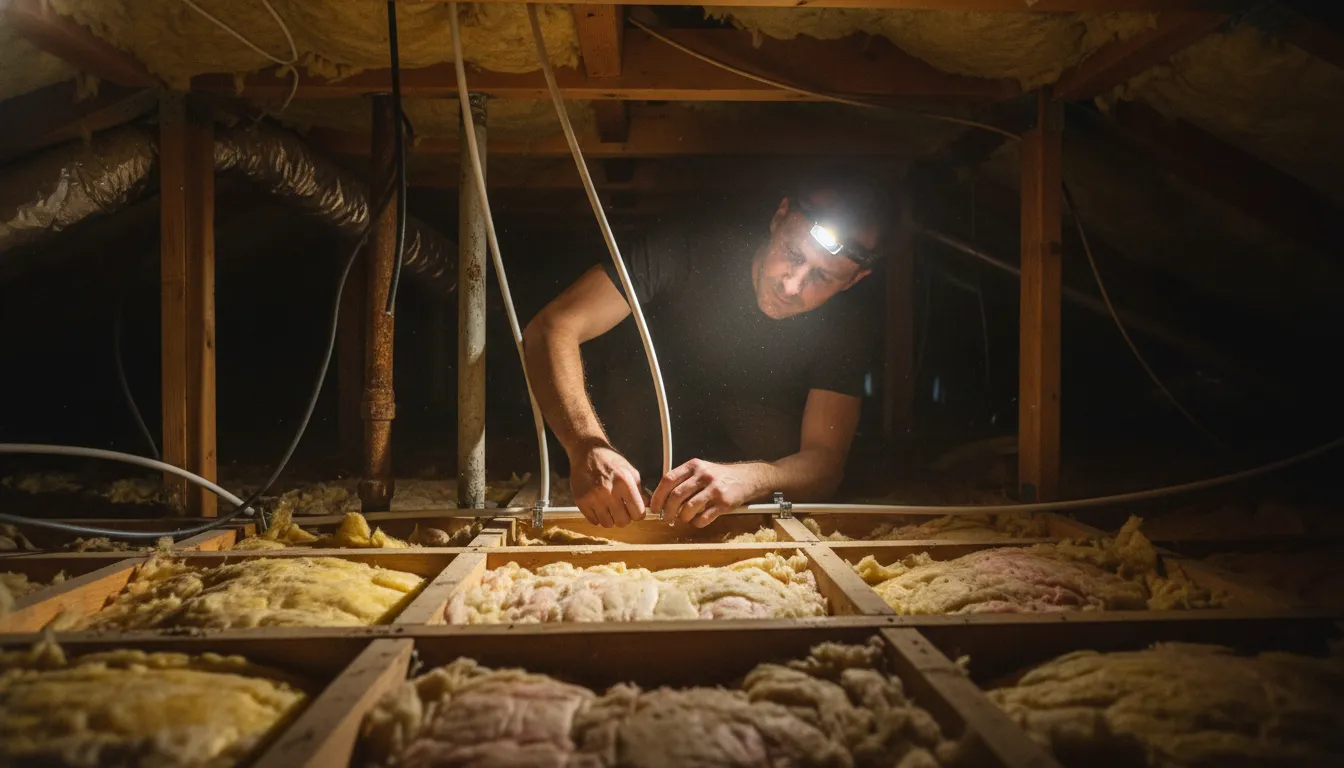
Find the Best Repiping Contractors for Your Business
No obligation • Fast responses • Nationwide coverage

Why you can trust Search a Plumber
Search a Plumber is a leading United States resource for finding and evaluating professional plumbing services. Our team researches licensing, experience, and customer feedback to create unbiased, fact-driven overviews. Companies cannot pay to change ratings or placement, ensuring homeowners get trustworthy information.
Search providers near you
Top Repiping Contractors in Taylor, Michigan Ranked
If you're a homeowner in Taylor, dealing with persistent plumbing issues like low water pressure, discolored water, or frequent leaks, your home's entire plumbing system may be failing. A whole-house repiping project is a significant but often necessary upgrade that replaces all the old, deteriorating water supply lines in your home with new, reliable piping. This guide will help you understand the process, materials, and considerations for a full plumbing system replacement, empowering you to find qualified local professionals to assess your home's specific needs.
Motor City Plumbing and Drain
30367 Gratiot Ave, Roseville, MI 48066
Motor City Plumbing and Drain is a plumbing service provider based in Detroit, MI. They offer a wide range of plumbing services including sewer camera inspections, water heater repair and installation, sump pump repair, drain cleaning, hydro jetting, sewer line repair, leak detection, repiping, gas line installation, and toilet repair. The company is known for its use of advanced techniques such as hydro jetting and sewer camera inspections to diagnose and resolve plumbing issues efficiently. Motor City Plumbing and Drain has built a reputation for thorough and professional service, with many customers noting the expertise and clear communication of their technicians. They serve residential and commercial clients in the Detroit area and emphasize customer education and transparency throughout their work.

Detroit Furnace LLC
31313 Kendall, Fraser, MI 48026
Detroit Furnace LLC provides comprehensive plumbing and HVAC services in Detroit, MI. Their offerings include water heater repair and installation, drain cleaning, sewer line repair, leak detection, repiping, gas line installation, toilet repair, and garbage disposal repair. The company serves the Detroit Metro area and is equipped to handle a wide range of plumbing and heating needs with skilled technicians. They offer 24/7 emergency service and support all brands and models. Detroit Furnace LLC is known for its commitment to proper installation and maintenance, including a "no lemon" guarantee for heating systems maintained by their team.

DC Basement Waterproofing
2221 Dougall Ave, Windsor, ON N8X 1S7, Canada
DC Basement Waterproofing is a service provider based in Detroit, MI, specializing in basement waterproofing and home renovations. Their services include interior and exterior basement waterproofing, sump pump installation and repair, backwater flow valves, foundation wall repair, sewer video inspection, and storm and sanitary sewer replacement. They also offer kitchen and bathroom renovations along with full home renovations. The company focuses on identifying and repairing leaks and seepage to protect properties from water damage.
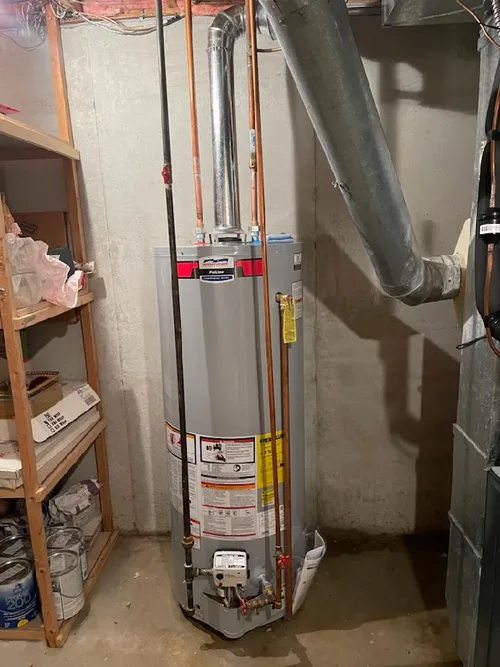
Best Plumbing Best1 Rooter
Detroit, MI
Best Plumbing Best1 Rooter is a plumbing service provider based in Detroit, MI. They offer a range of plumbing services including sump pump repair, drain cleaning, sewer line repair, repiping, and toilet repair. The company provides 24-hour plumbing and emergency services, specializing in sewer and drain cleaning with rooter equipment to address various plumbing issues.
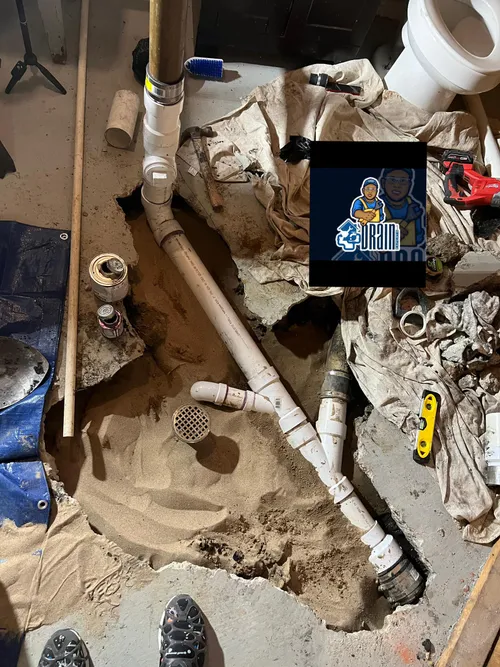
Drain Experts LLC
Detroit, MI
Drain Experts LLC provides professional drain cleaning, pipe repair, and maintenance services in Detroit, MI. They serve both residential and commercial properties, offering comprehensive drain solutions including emergency services available 24/7. The company uses the latest technology for pipe repair and replacement and has over 10 years of experience in the plumbing industry.
Signs You May Need a Full Plumbing Replacement
Recognizing the warning signs of a failing plumbing system is the first step. In older Michigan homes, especially those built before the 1970s, galvanized steel pipes were common. Over decades, these pipes corrode from the inside out, leading to a host of problems 1. If you're experiencing frequent pinhole leaks in your walls or ceilings, that's a clear red flag. Another common issue is rust-colored or brownish water, particularly when you first turn on a tap in the morning. This is caused by rust flakes breaking loose from the interior walls of the pipes.
A noticeable drop in water pressure throughout your home is another strong indicator. As corrosion builds up, the interior diameter of the pipe shrinks, restricting water flow. You might also hear rattling or banging noises, known as water hammer, which can be exacerbated by weakened pipes. If you have polybutylene piping (a gray plastic pipe used extensively from the late 1970s to mid-1990s), you may be at risk for sudden, catastrophic failures, as this material is known to become brittle and fail with age and exposure to chlorine. Consulting with a professional for a thorough inspection is crucial if you notice any of these symptoms.
The Step-by-Step Repiping Process
Understanding what happens during a whole-house repipe can help you prepare for the project. It's a multi-day endeavor that requires careful planning and skilled execution.
1. Inspection and Planning: A licensed plumber will begin with a comprehensive assessment of your current system. They will identify the pipe materials, map the existing water lines, and locate your main shut-off valve. This stage is also when they will discuss your options for new piping materials and develop a detailed plan for the new layout. Crucially, your plumber will handle pulling any necessary permits from the City of Taylor, which is a non-negotiable step for ensuring the work is done to code.
2. Preparation and Access: Before work begins, you'll need to clear out cabinets under sinks and remove personal items from areas where plumbers will need access. The crew will then establish a work plan that minimizes disruption. A key part of the process involves creating access points by cutting strategic holes in drywall or ceilings to reach the old pipes. While this sounds invasive, experienced plumbers aim to be as surgical as possible, often reusing holes for multiple pipe runs 2.
3. Removal and Installation: The main water supply to the house is shut off, and the system is fully drained. The old pipes are then carefully removed. The team will run the new piping-whether PEX, copper, or CPVC-through the walls, floors, and ceilings, connecting it to all fixtures (sinks, toilets, water heater, etc.). This is the core of the job and where the majority of labor is focused 3 4.
4. Testing, Patching, and Cleanup: Once the new lines are installed, the system is pressurized and tested for leaks. This critical step ensures the integrity of all new connections. After passing inspection, the water is turned back on and all fixtures are checked for proper operation. The plumbing crew will then typically seal the pipes in the walls, but the final patching, texturing, and painting of drywall are usually handled by a separate drywall contractor or can be a task for the homeowner. A reputable team will leave your home clean, removing all debris and old materials 5.
Find the perfect repiping contractors for your needs
Get personalized recommendations and expert advice
Choosing the Right Piping Material
The choice of material for your new plumbing system affects cost, longevity, and performance. Here are the three most common options used in Taylor homes today.
- PEX (Cross-linked Polyethylene): This is the most popular choice for modern repiping projects. PEX is a flexible, durable plastic tubing that is color-coded (red for hot, blue for cold). Its flexibility allows it to be snaked through walls with fewer fittings, which reduces potential leak points. It's resistant to scale and chlorine, doesn't corrode, and is less expensive than copper. PEX has a proven lifespan of 50+ years and is excellent for Michigan's climate.
- Copper: The long-standing gold standard for water lines, copper is extremely durable and has a lifespan that can exceed 70 years. It resists bacteria growth and can handle high water pressure. The primary drawback is cost; copper is significantly more expensive than plastic alternatives both in material and installation labor, as it requires soldering each joint. It's also susceptible to theft from vacant properties 6 7.
- CPVC (Chlorinated Polyvinyl Chloride): CPVC is a rigid plastic pipe that has been used reliably for decades. It's cheaper than copper and resistant to corrosion. Installation involves gluing joints with a special solvent cement. While it is a solid, code-approved material, it can become brittle if exposed to extreme cold and may require more fittings than a PEX system, which can increase installation time 8.
Your plumber can help you weigh the pros and cons of each material based on your budget, your home's layout, and your long-term plans.
What to Expect: Timeline, Cost, and Disruption
A whole-house repipe is a substantial home improvement project. Being prepared for the timeline and disruption is key to a smooth experience.
Project Duration: For an average single-family home in Taylor, you should expect the active plumbing work to take between 2 to 5 days. More complex layouts, multi-story homes, or larger square footage can extend the project to a full week. Water service will be turned off during work hours but is typically restored at the end of each day so you can use essential fixtures 9 10.
Understanding the Costs: The total investment for a repipe in the Taylor area typically ranges from $4,000 to over $10,000 11 12 13. This wide range is due to several variables:
- Home Size & Layout: The number of bathrooms, kitchens, and stories directly impacts the amount of material and labor required.
- Material Choice: As discussed, a copper system will be at the high end of the cost spectrum, while PEX is generally more mid-range.
- Labor & Access: The complexity of running pipes through finished walls and ceilings affects labor time. Homes with easy access (like unfinished basements or crawl spaces) may see lower costs.
- Permits & Patching: Remember to factor in the cost of city permits and the subsequent drywall repair and painting, which is often a separate line item.
Living Through the Project: There will be noise from tools and workers in your home. You'll need to plan for limited water access during the day. Clearing out under-sink areas and bathrooms beforehand will help the crew work efficiently. Good communication with your plumbing team about the daily schedule will help you manage household activities.
Preparing Your Home and Family
A little preparation goes a long way in minimizing stress. Before the crew arrives, move all valuables and breakables away from work areas. Designate a bathroom that will be completed first, if possible, for family use. For multi-day projects, consider setting up a temporary kitchenette with bottled water and disposable plates. Make sure children and pets have a safe space away from the work zones. Finally, confirm with your plumbing professional what their cleanup process entails and who is responsible for the final wall restoration, so there are no surprises when the plumbing work is complete.
Frequently asked questions
Sources
Footnotes
-
What Is Involved in Repiping a House? - Allied Foundation - https://www.crackedslab.com/blog/what-is-involved-in-repiping-a-house/ ↩
-
How Much to Repipe a House: A Comprehensive Cost Guide - https://www.benjaminfranklinplumbing.com/league-city/blog/2024/december/how-much-to-repipe-a-house-a-comprehensive-cost-guide/ ↩
-
Whole-House Repiping: Step-by-Step Guide - https://www.veteranplumbing.us/whole-house-repiping-step-by-step-guide/ ↩
-
What Is Involved in Repiping a House? - Apollo HVAC & Plumbing - https://gotoapollo.com/2024/03/06/what-is-involved-in-repiping-a-house/ ↩
-
How Much to Repipe a House? - Reliant Plumbing - https://reliantplumbing.com/plumbing/pipe-repairs/whole-house-repipe-cost/ ↩
-
What Is Repiping? A Comprehensive Guide | CPI Service - https://cpiservice.com/blog/what-is-repiping/ ↩
-
Repiping a House: Essential Guide | American Mains & Drains - https://www.americanmainsanddrains.com/post/repiping-a-house-guide ↩
-
Common Pipe Materials Used in the Home - The Spruce - https://www.thespruce.com/types-of-home-piping-materials-1824879 ↩
-
How to Prepare for a Whole-House Repiping - Ray The Plumber - https://raytheplumber.com/uncategorized/how-to-prepare-for-a-whole-house-repiping/ ↩
-
Repiping a House: What's Involved & How Much it Costs - https://www.rjtilley.com/blog/2022/january/repiping-a-house-what-s-involved-how-much-it-cos/ ↩
-
What Is Involved With Repiping A House? | HELP Plumbing - https://333help.com/blog/what-is-involved-with-repiping-a-house/ ↩
-
How Much Does It Cost to Repipe a House? - https://therepipecompany.com/faqs/how-much-does-it-cost-to-repipe-my-home/ ↩
-
Replacing Old Pipes: 2026 Costs, Options, and What to Expect - https://modernize.com/plumbing/systems/water-supply/replacing-old-pipes ↩