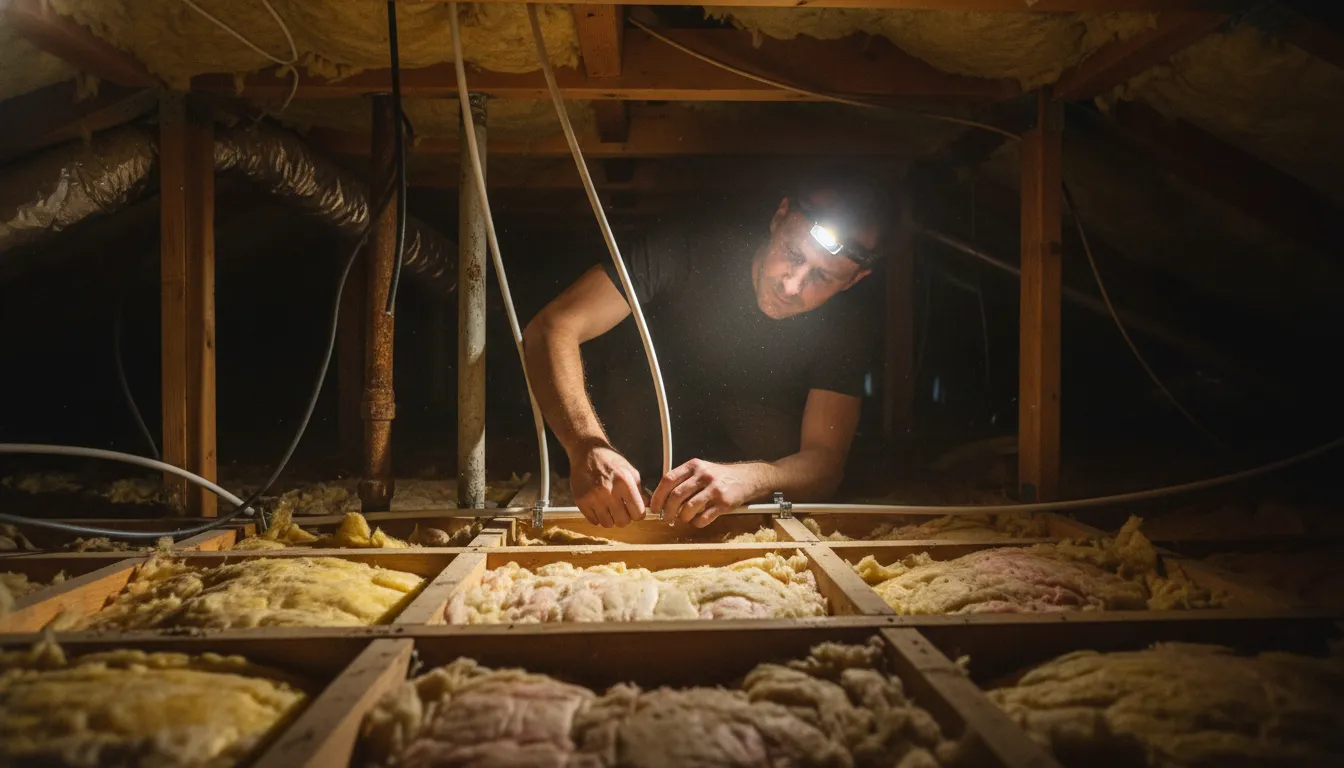
Find the Best Repiping Contractors for Your Business
No obligation • Fast responses • Nationwide coverage

Why you can trust Search a Plumber
Search a Plumber is a leading United States resource for finding and evaluating professional plumbing services. Our team researches licensing, experience, and customer feedback to create unbiased, fact-driven overviews. Companies cannot pay to change ratings or placement, ensuring homeowners get trustworthy information.
Search providers near you
Top Repiping Contractors in Royal Oak, Michigan Ranked
If you're a homeowner in Royal Oak, you know the charm of older neighborhoods often comes with aging infrastructure. One of the most significant upgrades you can make to protect your home's value and your family's health is a whole-house repiping project. This process involves replacing all the old water supply lines in your home with new, modern piping. It's a major investment that addresses persistent issues like low water pressure, discolored water, and the risk of leaks from corroded pipes. For Royal Oak residents, understanding the local process, materials, and what to expect is key to a successful project. This guide will help you navigate the essentials of repiping, from initial inspection to final restoration, so you can confidently connect with qualified professionals in your area.
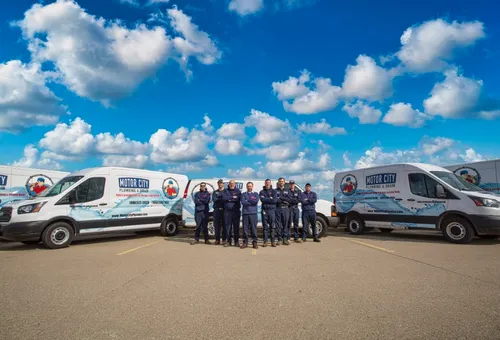
Motor City Plumbing and Drain
30367 Gratiot Ave, Roseville, MI 48066
Motor City Plumbing and Drain is a plumbing service provider based in Detroit, MI. They offer a wide range of plumbing services including sewer camera inspections, water heater repair and installation, sump pump repair, drain cleaning, hydro jetting, sewer line repair, leak detection, repiping, gas line installation, and toilet repair. The company is known for its use of advanced techniques such as hydro jetting and sewer camera inspections to diagnose and resolve plumbing issues efficiently. Motor City Plumbing and Drain has built a reputation for thorough and professional service, with many customers noting the expertise and clear communication of their technicians. They serve residential and commercial clients in the Detroit area and emphasize customer education and transparency throughout their work.

Detroit Furnace LLC
31313 Kendall, Fraser, MI 48026
Detroit Furnace LLC provides comprehensive plumbing and HVAC services in Detroit, MI. Their offerings include water heater repair and installation, drain cleaning, sewer line repair, leak detection, repiping, gas line installation, toilet repair, and garbage disposal repair. The company serves the Detroit Metro area and is equipped to handle a wide range of plumbing and heating needs with skilled technicians. They offer 24/7 emergency service and support all brands and models. Detroit Furnace LLC is known for its commitment to proper installation and maintenance, including a "no lemon" guarantee for heating systems maintained by their team.

DC Basement Waterproofing
2221 Dougall Ave, Windsor, ON N8X 1S7, Canada
DC Basement Waterproofing is a service provider based in Detroit, MI, specializing in basement waterproofing and home renovations. Their services include interior and exterior basement waterproofing, sump pump installation and repair, backwater flow valves, foundation wall repair, sewer video inspection, and storm and sanitary sewer replacement. They also offer kitchen and bathroom renovations along with full home renovations. The company focuses on identifying and repairing leaks and seepage to protect properties from water damage.
Best Plumbing Best1 Rooter
Detroit, MI
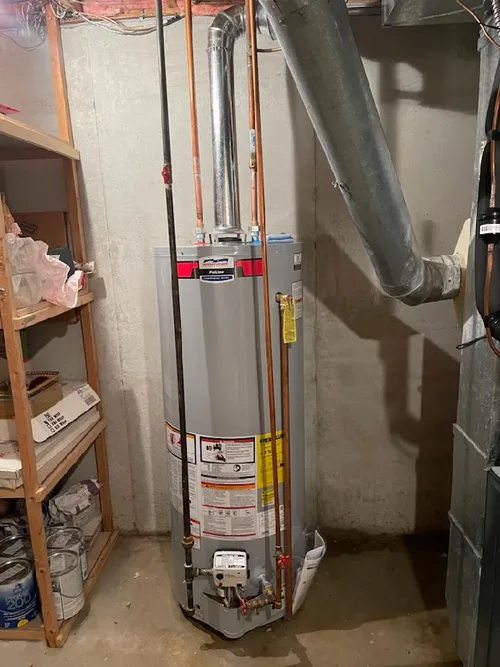
Best Plumbing Best1 Rooter is a plumbing service provider based in Detroit, MI. They offer a range of plumbing services including sump pump repair, drain cleaning, sewer line repair, repiping, and toilet repair. The company provides 24-hour plumbing and emergency services, specializing in sewer and drain cleaning with rooter equipment to address various plumbing issues.
Drain Experts LLC
Detroit, MI
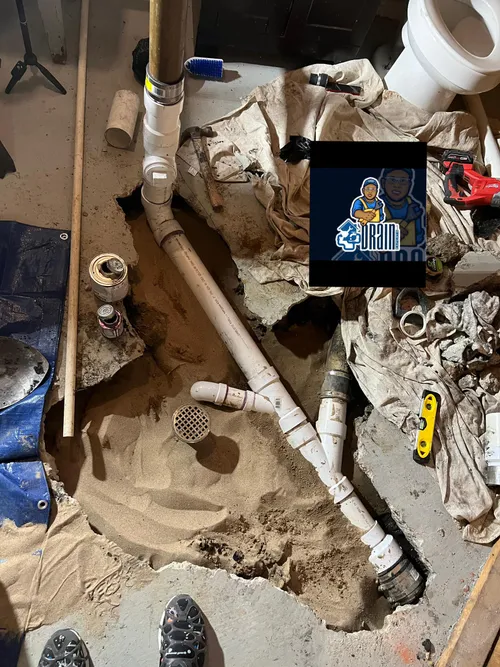
Drain Experts LLC provides professional drain cleaning, pipe repair, and maintenance services in Detroit, MI. They serve both residential and commercial properties, offering comprehensive drain solutions including emergency services available 24/7. The company uses the latest technology for pipe repair and replacement and has over 10 years of experience in the plumbing industry.
Why Consider a Whole-House Repipe in Royal Oak?
Many Royal Oak homes, particularly those built before the 1970s, were originally plumbed with galvanized steel or even lead pipes. Over decades, these materials corrode from the inside out. This corrosion leads to a host of problems: rust flakes can discolor your water, mineral buildup severely restricts water flow (causing low pressure at your faucets and showerheads), and the weakened metal becomes prone to pinhole leaks and catastrophic failures. A complete pipe replacement eliminates these issues at their source. Beyond just fixing leaks, a re-pipe modernizes your home's plumbing system with materials that are safer, more durable, and compliant with current building codes. The result is clean, clear water with strong, consistent pressure throughout your home, and the peace of mind that comes from a system built to last for decades.
The Repiping Process: A Step-by-Step Overview
A full home repipe is a structured project that professional plumbers manage to minimize disruption. Here's what typically happens from start to finish.
1. Inspection and Planning
The process begins with a thorough assessment. A licensed plumber will inspect your existing plumbing system to identify the pipe materials (galvanized, copper, lead, etc.), map the layout, and check for code compliance issues. This evaluation helps determine the scope of work, the best new piping material for your home and budget, and provides the basis for a detailed estimate. This is the time to ask questions and understand exactly what will be done.
2. Access and Preparation
Since water lines are hidden inside walls, under floors, and above ceilings, gaining access is necessary. Your plumber will strategically cut openings in drywall or plaster to reach the old pipes. They will also coordinate with you to shut off the main water supply for the duration of the active work and discuss how your household will manage without running water (e.g., using a temporary spigot or making alternative arrangements) 1. Moving furniture and clearing access areas in advance can help the project run smoothly.
3. Removal and Installation
This is the core phase. The old pipes are completely drained, cut out, and removed. Then, the new piping network is installed. For supply lines, this typically means running new lines of PEX or copper from the main shut-off valve to every fixture-sinks, toilets, showers, washing machine, and outdoor spigots 2. Drain, waste, and vent (DWV) lines may also be replaced if they are compromised, though this is sometimes a separate project. The new system is carefully secured and routed according to code.
4. Testing, Reconnection, and Restoration
Once the new pipes are in place, the system is pressurized and tested for leaks-a critical quality control step3. After passing inspection, all your fixtures (faucets, toilets, etc.) are reconnected to the new lines. Finally, the restoration phase begins. While many plumbing companies focus on the plumbing work itself, they will cap open walls. You will typically need to arrange for a drywall contractor or handyman to patch and finish the access holes, returning your walls and ceilings to their original condition4 5. A reputable plumber will leave the work area clean and tidy.
Find the perfect repiping contractors for your needs
Get personalized recommendations and expert advice
Choosing the Right Piping Material
The choice of material is a major decision in your repiping project, affecting cost, longevity, and performance. Here are the most common options used in Royal Oak homes today.
- PEX (Cross-linked Polyethylene): This flexible, plastic tubing has become the most popular choice for residential repiping. Its flexibility allows it to be snaked through walls with fewer fittings, which can reduce labor time and potential leak points. PEX is highly resistant to freezing and scale buildup, and it is generally the most cost-effective material6 7. It comes in red (hot) and blue (cold) lines for easy identification.
- Copper: The long-time standard for durability and longevity. Copper pipes are corrosion-resistant, can handle high heat, and have a proven track record lasting 50+ years. The installation is more labor-intensive, as it requires soldering each joint. This, along with the cost of the material itself, makes copper a premium, higher-cost option8 9.
- CPVC (Chlorinated Polyvinyl Chloride): A rigid plastic pipe that was a common alternative to copper before PEX gained popularity. CPVC is budget-friendly and resistant to corrosion, but it can become brittle over time and is more prone to cracking if it freezes.
- PVC (Polyvinyl Chloride): This white plastic pipe is not used for hot and cold water supply lines inside the home. Its primary use is for drain, waste, and vent (DWV) lines due to its smooth interior and excellent drainage properties.
For most Royal Oak homeowners, the decision comes down to PEX for its balance of performance and value, or copper for its maximum durability and traditional appeal.
What to Expect: Timeline and Investment
Understanding the project's scope helps set realistic expectations for your daily life and budget.
Typical Timeline: A whole-house repipe is not a one-day job. For an average-sized Royal Oak home, the plumbing work itself typically takes a few days to a full week. The total timeline can extend longer when you factor in the separate wall repair and painting work. Complexity increases with home size, the number of stories, and the ease of access to plumbing chases.
Cost Considerations: The total investment for a pipe replacement varies widely based on your home's square footage, the material chosen, and labor costs. In the Royal Oak area, homeowners can expect a broad range, often from $4,000 to $15,000 or more10 11 12. As a rough benchmark, repiping a 1,500-square-foot home with PEX might fall in the $4,000 to $5,000 range, while using copper would increase that cost significantly13 12. It's crucial to obtain detailed, written estimates from several licensed and insured local plumbers. The estimate should break down costs for materials, labor, permits, and any restoration they include.
Preparing Your Home and Family
A little preparation can make the process much smoother:
- Clear the Work Areas: Move furniture, rugs, and personal items away from walls where plumbers will need access, especially in bathrooms, kitchens, and basements.
- Plan for Water Outages: You will be without running water during the active installation phases. Fill containers with water for drinking and cooking. Consider using a gym or family member's home for showers.
- Discuss Logistics: Talk with your plumber about start/end times each day, where equipment will be stored, and how they will protect your flooring and belongings.
- Arrange Restoration: Line up a drywall professional in advance to begin repairs once the plumbing work is complete and has passed any required inspections.
Frequently asked questions
Sources
Footnotes
-
What to Expect During a Whole House Repipe: Cost, Timeline, and ... - https://go4apes.com/what-to-expect-during-a-whole-house-repipe-cost-timeline-and-installation-process/ ↩
-
What the Residential Repiping Process Involves - https://www.trmillerheatingandcooling.com/what-the-residential-repiping-process-involves/ ↩
-
What Is Involved With Repiping A House? | HELP Plumbing - https://333help.com/blog/what-is-involved-with-repiping-a-house/ ↩
-
Whole-House Repiping: Step-by-Step Guide - https://www.veteranplumbing.us/whole-house-repiping-step-by-step-guide/ ↩
-
What to Expect During a Whole-House Repiping - https://environmentmasters.com/what-to-expect-during-a-whole-house-repiping/ ↩
-
How Much to Repipe a House: A Comprehensive Cost Guide - https://www.benjaminfranklinplumbing.com/league-city/blog/2024/december/how-much-to-repipe-a-house-a-comprehensive-cost-guide/ ↩
-
Comprehensive Guide to Whole House Repiping - Absolute Airflow - https://www.absoluteairflow.com/comprehensive-guide-to-whole-house-repiping/ ↩
-
What Is Involved in Repiping a House? - https://gotoapollo.com/2024/03/06/what-is-involved-in-repiping-a-house/ ↩
-
How to Prepare for a Whole-House Repiping - Ray The Plumber - https://raytheplumber.com/uncategorized/how-to-prepare-for-a-whole-house-repiping/ ↩
-
Whole Home Repipe Company in Oak Park, MI - https://www.plumbingtechs.com/services/whole-home-repipe/ ↩
-
Repiping a House: What's Involved & How Much it Costs - https://www.rjtilley.com/blog/2022/january/repiping-a-house-what-s-involved-how-much-it-cos/ ↩
-
Royal Oak Plumbing Service Costs & Prices - ProMatcher Cost Report - https://plumbers.promatcher.com/cost/royal-oak-mi-plumbers-costs-prices.aspx ↩ ↩2
-
How Much Does It Cost to Repipe a House? [2026 Data] | Angi - https://www.angi.com/articles/cost-to-repipe-a-house.htm ↩