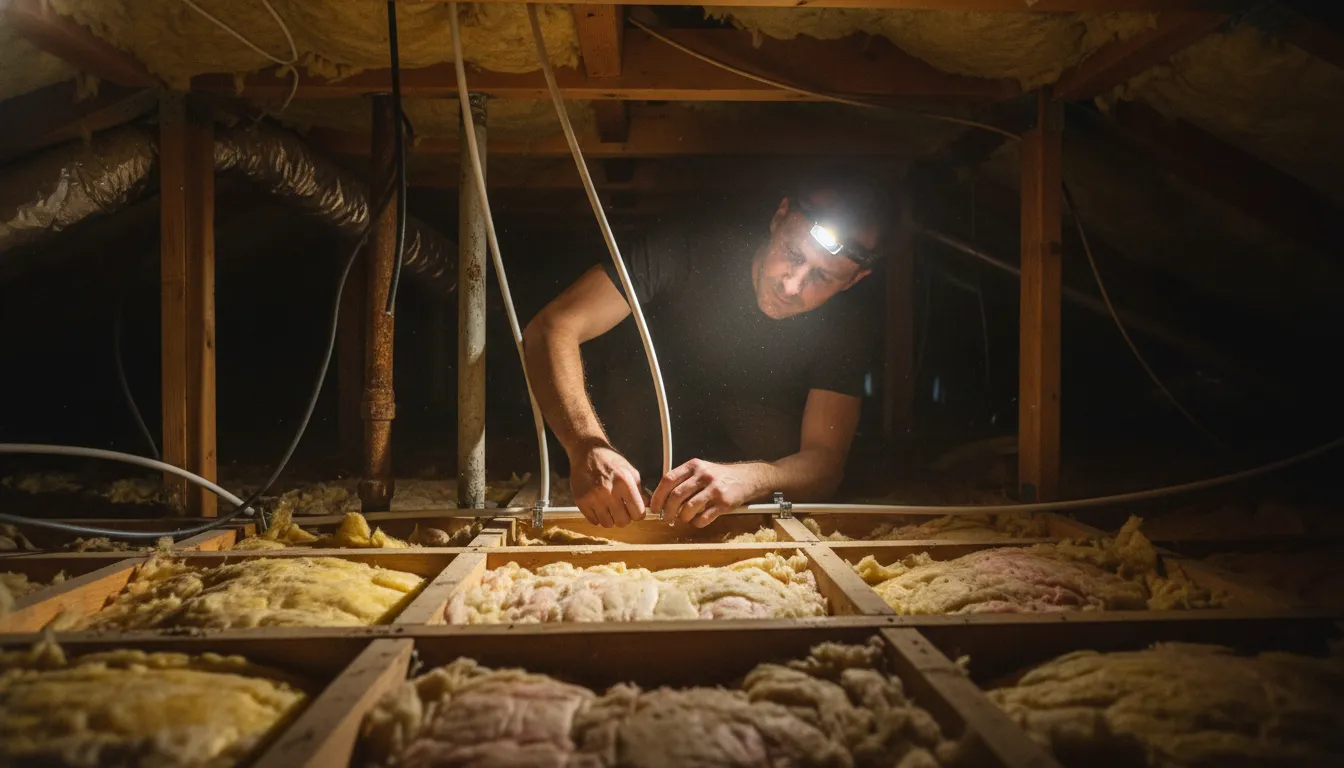
Find the Best Repiping Contractors for Your Business
No obligation • Fast responses • Nationwide coverage

Why you can trust Search a Plumber
Search a Plumber is a leading United States resource for finding and evaluating professional plumbing services. Our team researches licensing, experience, and customer feedback to create unbiased, fact-driven overviews. Companies cannot pay to change ratings or placement, ensuring homeowners get trustworthy information.
Search providers near you
Top Repiping Contractors in Peabody, Massachusetts Ranked
If you're experiencing persistent low water pressure, discolored water, or frequent leaks in your Peabody home, your plumbing system may be signaling it's time for a major upgrade. Repiping is the comprehensive process of replacing all the water supply pipes in your house, a critical project that restores clean water flow and protects your property from water damage. This guide will help you understand what a full-house pipe replacement entails, from the materials used to the timeline and investment, so you can confidently connect with qualified local professionals to assess your home's specific needs.
AJM Plumbing And Heating LLC
45 Exchange St, Rockland, MA 02370
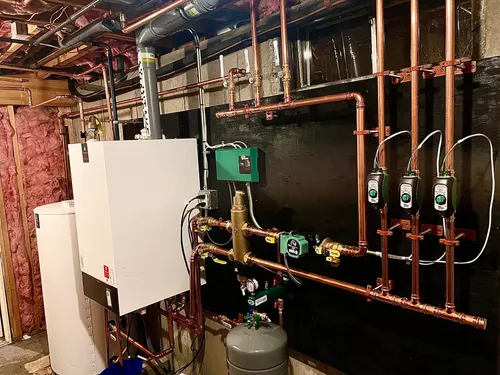
AJM Plumbing And Heating LLC is a plumbing and heating service provider based near Boston, MA. They offer water heater installation, repair, and maintenance for both tank and tankless systems, along with leak detection, repiping, gas line installation, and toilet repair. The company installs high-efficiency heating systems and provides warranties on parts and labor, with tankless water heaters qualifying for Mass Save rebates. AJM Plumbing also handles gas appliance connections and plumbing winterization to protect systems from harsh New England winters. They serve a wide area including Rockland, Hull, Quincy, and other nearby communities.
Perricone Home Services
111 Middlesex Turnpike #1103, Burlington, MA 01803
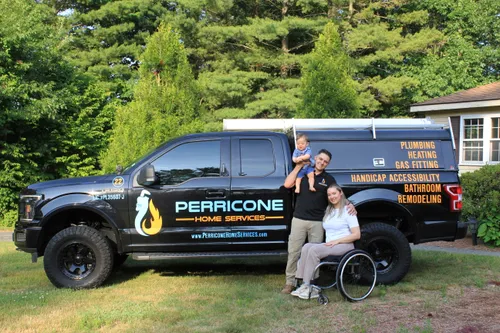
Perricone Home Services is a plumbing and gas service provider based in Boston, MA. They offer a range of services including water heater repair and installation, tankless water heater services, sump pump repair, leak detection, repiping, gas line installation, and garbage disposal repair. The company is known for thorough inspections, clear communication, and using quality materials. They have experience handling complex plumbing issues such as re-piping and interior gas leaks. Customers appreciate their detailed explanations and multiple repair options. Perricone Home Services responds promptly to emergencies, including after-hours and weekend calls, ensuring timely repairs and installations.

Vaughan Plumbing & Heating, LLC
Boston, MA
Vaughan Plumbing & Heating, LLC has been serving residential plumbing and heating needs in Boston, MA since 2008. The company addresses a wide range of services including water heater repair and installation, drain cleaning, leak detection, repiping, gas line installation, and toilet repair. They specialize in handling the unique plumbing challenges of Boston's older homes and harsh winters, offering expertise in winterization and emergency repairs. Vaughan Plumbing & Heating provides same-day or next-day emergency services and emphasizes clear communication and upfront pricing to keep customers informed throughout the process.

Woody’s Plumbing & Heating
594 Marrett Rd STE 16, Lexington, MA 02421
Woody's Plumbing & Heating provides plumbing and heating services in Boston, MA. The company handles water heater repair and installation, sump pump repair, repiping, and gas line installation. They are certified professionals experienced in designing and installing plumbing and gas piping systems. Woody's Plumbing & Heating offers emergency services and flexible scheduling to address urgent plumbing and heating needs. Their expertise includes installing and repairing boilers and sump pumps to manage water issues effectively. The company is known for its practical solutions and customer-focused approach.
Waterworks Mechanical Inc.
20 Sycamore Ave Suite 4006, Medford, MA 02155
Waterworks Mechanical Inc. is a family-owned plumbing company serving Medford, MA, and the Greater Boston area. They provide a range of plumbing services including sewer camera inspections, water heater repair and installation, tankless water heater services, drain cleaning, leak detection, and repiping. The company has over 30 years of combined experience and specializes in addressing plumbing challenges common to older homes in the region. Waterworks Mechanical Inc. offers 24/7 emergency response for urgent plumbing issues and provides a one-year warranty on new installations. Established in 2010, they serve residential and commercial customers throughout Medford and nearby communities.
Understanding the Need for a Whole-House Pipe Replacement
Over time, the pipes hidden within your walls and under your floors can deteriorate. In many older Peabody homes, this often involves galvanized steel or even lead pipes, which are prone to internal corrosion and rust buildup. This corrosion doesn't just affect water quality; it significantly restricts water flow, leading to the frustratingly weak shower pressure and slow-filling sinks that many homeowners experience. A complete re-pipe addresses these issues at their source, replacing the entire aging network with modern, durable materials to ensure decades of reliable service and improved water quality for your household.
The Repiping Process: A Step-by-Step Overview
A professional pipe replacement is a systematic project. Understanding the stages can help you prepare for the work and know what to expect from your plumbing contractor.
1. Inspection and Planning
The process begins with a thorough assessment. A licensed plumber will inspect your current plumbing system to identify the types of pipes, their condition, and the layout of your home. This evaluation is crucial for planning the new pipe routes and determining the scope of work. Based on this plan, your plumber will handle the necessary permits required by the City of Peabody, ensuring the project meets all local building codes.
2. Preparation and Protection
Before any pipes are touched, a reputable crew will take steps to protect your home. This includes laying down protective plastic sheeting over floors and moving furniture away from work areas. Since pipes run inside walls and ceilings, the plumbers will need to create access points by cutting into drywall or plaster. They will mark these areas carefully to minimize the extent of cutting needed.
3. Removal of Old Piping
With preparations complete, the water main is shut off and the existing system is fully drained. The old pipes are then carefully disconnected and removed. This phase can be labor-intensive, especially if old pipes are corroded and stuck in place, and it often requires the access points created during preparation.
4. Installation of New Pipes
This is the core of the re-piping project. The new piping material-whether PEX, copper, or CPVC-is installed along the planned routes. Skilled plumbers will solder, crimp, or glue fittings as required by the material, creating a brand-new water distribution system throughout your home. This stage requires precision to ensure proper slope, support, and connection to all fixtures.
5. Pressure Testing and Inspection
Once installed, the new system is not connected to your fixtures just yet. It is first pressurized with air or water in a rigorous leak test. This critical step verifies the integrity of every joint and connection. The system may also be checked for proper pressure balance. In many cases, a city inspector will visit to approve the work before the walls are closed up.
6. Finishing and Restoration
After passing inspection, the new pipes are connected to your sinks, toilets, showers, and appliances. The water is turned back on, and you'll immediately notice the improvement in flow and clarity. Finally, the plumbers will patch the access holes in your drywall. While they typically handle the patching, painting and final wall finishing are usually the homeowner's responsibility or can be arranged as an additional service 1.
Find the perfect repiping contractors for your needs
Get personalized recommendations and expert advice
Choosing the Right Piping Material for Your Home
The choice of material is one of the most significant decisions in a repiping project, affecting cost, longevity, and performance. Here are the most common options used by Peabody plumbers.
PEX (Cross-linked Polyethylene): This flexible, plastic tubing has become the go-to choice for modern re-pipes. Its flexibility allows it to be snaked through walls with fewer fittings, which reduces potential leak points and often speeds up installation 2. PEX is highly resistant to scale and corrosion, performs well in freezing conditions (it can expand), and is generally the most cost-effective option in terms of both material and labor.
Copper: The traditional standard for decades, copper piping is known for its exceptional durability and long lifespan-often 50 years or more. It has a proven track record and can withstand high temperatures. However, copper is more expensive than plastic alternatives, and its installation is more labor-intensive, requiring soldering at every joint 3. The final cost for a copper re-pipe is typically significantly higher than for PEX.
CPVC (Chlorinated Polyvinyl Chloride): CPVC is a rigid plastic pipe that was a popular choice before the rise of PEX. It is cheaper than copper and resistant to corrosion. However, it becomes brittle over time, especially when exposed to sunlight, and has a shorter expected lifespan than PEX or copper. Its use in whole-house repiping has declined in favor of more durable and flexible materials.
What Determines the Cost and Timeline?
The investment for a whole-house re-pipe in Peabody is highly variable, typically ranging from $4,000 to $15,000 or more4 5 6. The timeline can span from a few days for a small home to over a week for a larger, more complex property 7 8. Several key factors influence these numbers:
- Home Size and Layout: A larger home with more bathrooms and fixtures requires more materials and labor. Multi-story homes and those with complex layouts add to the project's complexity and time.
- Material Choice: As discussed, copper is a premium material that carries a higher price tag for both the pipe itself and the skilled labor to install it. PEX offers a more budget-friendly total project cost 9 10.
- Labor and Accessibility: If pipes are easily accessible in an unfinished basement or crawlspace, the job is faster. Conversely, pipes buried in concrete slabs or hidden behind finished walls in every room require more invasive work and time.
- Permits and Inspections: The cost for required permits from the Peabody building department is a necessary part of the project budget.
- Scope of Work: Does the project include just the hot and cold water supply lines, or does it also involve replacing drain/waste/vent (DWV) pipes? A full DWV replacement is a much larger and more expensive undertaking.
Preparing for Your Repiping Project
A successful pipe replacement requires some preparation on your part:
- Clear the Work Areas: Move furniture, rugs, and personal items away from walls where plumbers will need access, particularly in bathrooms, kitchens, and utility rooms.
- Plan for Water Disruption: You will be without water for the core installation and testing phases. Plan accordingly for drinking water, toilet use, and personal needs. Your plumber should give you a clear schedule.
- Discuss Restoration: Clarify what the plumbing company includes. Most will patch drywall, but painting and texturing are typically extra. Know what you're responsible for finishing.
- Get Detailed Quotes: Obtain written estimates from several licensed and insured Peabody plumbing contractors. A good quote should detail the materials to be used (brand and type of pipe), the scope of work, the projected timeline, and a breakdown of costs (materials, labor, permits).
Frequently asked questions
Sources
Footnotes
-
Whole-House Repiping: Step-by-Step Guide - https://www.veteranplumbing.us/whole-house-repiping-step-by-step-guide/ ↩
-
Comprehensive Guide to Whole House Repiping: Discover When, Why, and How - Absolute Airflow - https://www.absoluteairflow.com/comprehensive-guide-to-whole-house-repiping/ ↩
-
What to Expect During a Whole House Repipe: Cost, Timeline ... - https://go4apes.com/what-to-expect-during-a-whole-house-repipe-cost-timeline-and-installation-process/ ↩
-
How Much Does It Cost to Repipe a House? [2026 Data] | Angi - https://www.angi.com/articles/cost-to-repipe-a-house.htm ↩
-
Repipe House Cost 2023: Average Expenses & Factors - https://www.superbrothers.com/repipe-house-cost-2023-average-expenses-factors/ ↩
-
Repiping a House: What's Involved & How Much it Costs - https://www.rjtilley.com/blog/2022/january/repiping-a-house-what-s-involved-how-much-it-cos/ ↩
-
What Is Involved With Repiping A House? - HELP Plumbing - https://333help.com/blog/what-is-involved-with-repiping-a-house/ ↩
-
What Is Involved in Repiping a House? - https://www.crackedslab.com/blog/what-is-involved-in-repiping-a-house/ ↩
-
House Repiping Cost Breakdown - Vaquero Plumbing - https://vaqueroplumbing.com/house-repiping-cost-breakdown/ ↩
-
How to Prepare for a Whole-House Repiping - Ray The Plumber - https://raytheplumber.com/uncategorized/how-to-prepare-for-a-whole-house-repiping/ ↩