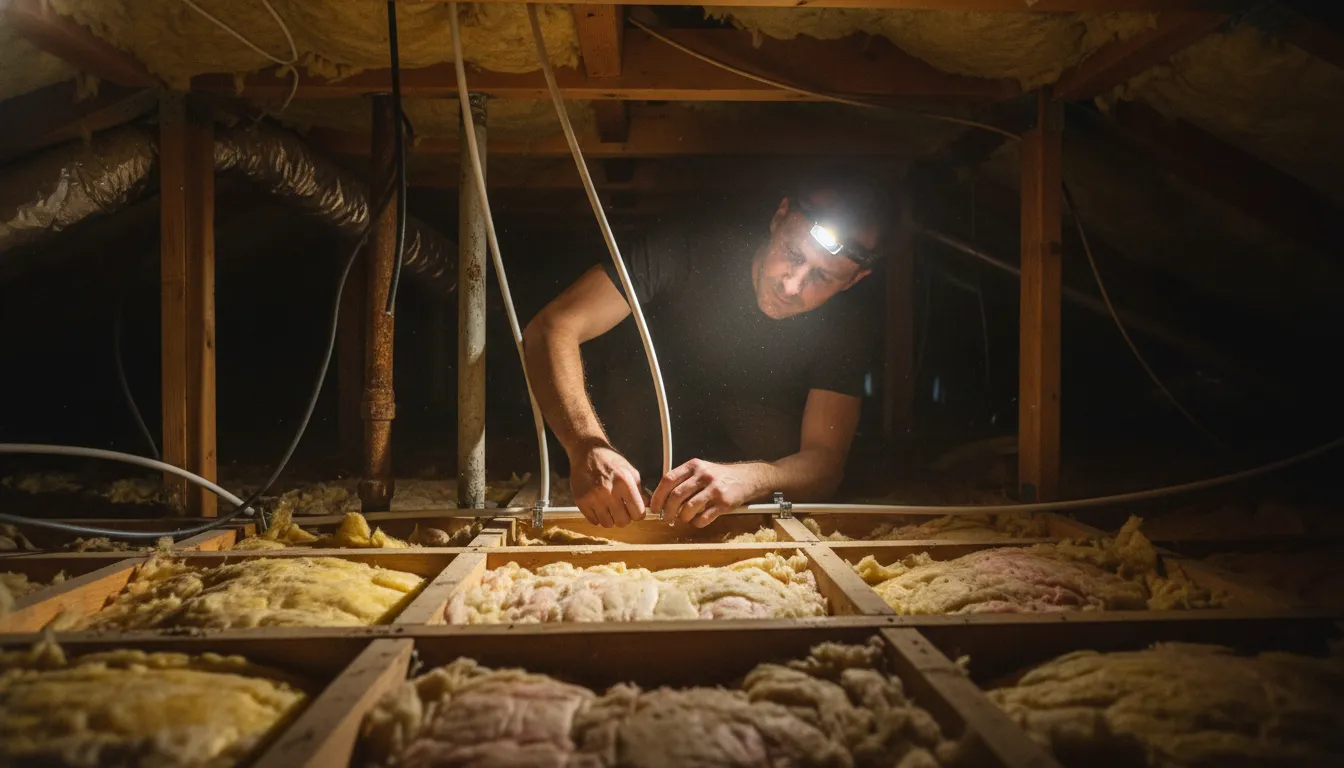
Find the Best Repiping Contractors for Your Business
No obligation • Fast responses • Nationwide coverage

Why you can trust Search a Plumber
Search a Plumber is a leading United States resource for finding and evaluating professional plumbing services. Our team researches licensing, experience, and customer feedback to create unbiased, fact-driven overviews. Companies cannot pay to change ratings or placement, ensuring homeowners get trustworthy information.
Search providers near you
Top Repiping Contractors in Cambridge, Massachusetts Ranked
If you're a homeowner in Cambridge, MA, dealing with persistent leaks, rusty water, or low water pressure, your home's aging plumbing system may be signaling the need for a comprehensive upgrade. Repiping, or a whole-house pipe replacement, is a major renovation project that replaces all the old water supply lines in your home with new, durable piping. This process is crucial for ensuring safe, clean water, preventing costly water damage, and bringing your plumbing up to modern Massachusetts building codes. This guide will help you understand what a full repipe entails, from the materials and process to the local considerations and costs, so you can make an informed decision and connect with qualified professionals for your project.
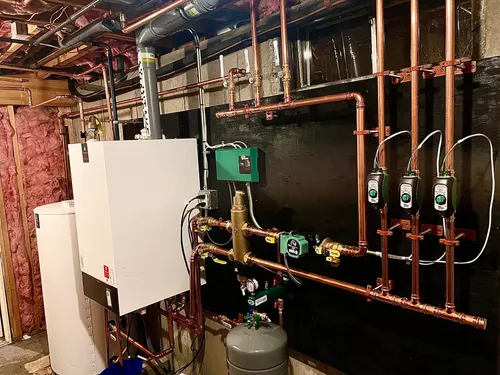
AJM Plumbing And Heating LLC
45 Exchange St, Rockland, MA 02370
AJM Plumbing And Heating LLC is a plumbing and heating service provider based near Boston, MA. They offer water heater installation, repair, and maintenance for both tank and tankless systems, along with leak detection, repiping, gas line installation, and toilet repair. The company installs high-efficiency heating systems and provides warranties on parts and labor, with tankless water heaters qualifying for Mass Save rebates. AJM Plumbing also handles gas appliance connections and plumbing winterization to protect systems from harsh New England winters. They serve a wide area including Rockland, Hull, Quincy, and other nearby communities.
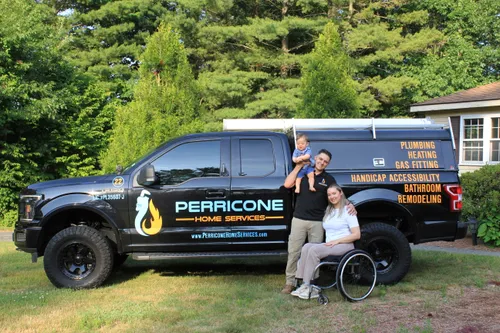
Perricone Home Services
111 Middlesex Turnpike #1103, Burlington, MA 01803
Perricone Home Services is a plumbing and gas service provider based in Boston, MA. They offer a range of services including water heater repair and installation, tankless water heater services, sump pump repair, leak detection, repiping, gas line installation, and garbage disposal repair. The company is known for thorough inspections, clear communication, and using quality materials. They have experience handling complex plumbing issues such as re-piping and interior gas leaks. Customers appreciate their detailed explanations and multiple repair options. Perricone Home Services responds promptly to emergencies, including after-hours and weekend calls, ensuring timely repairs and installations.

Vaughan Plumbing & Heating, LLC
Boston, MA
Vaughan Plumbing & Heating, LLC has been serving residential plumbing and heating needs in Boston, MA since 2008. The company addresses a wide range of services including water heater repair and installation, drain cleaning, leak detection, repiping, gas line installation, and toilet repair. They specialize in handling the unique plumbing challenges of Boston's older homes and harsh winters, offering expertise in winterization and emergency repairs. Vaughan Plumbing & Heating provides same-day or next-day emergency services and emphasizes clear communication and upfront pricing to keep customers informed throughout the process.

Woody’s Plumbing & Heating
594 Marrett Rd STE 16, Lexington, MA 02421
Woody's Plumbing & Heating provides plumbing and heating services in Boston, MA. The company handles water heater repair and installation, sump pump repair, repiping, and gas line installation. They are certified professionals experienced in designing and installing plumbing and gas piping systems. Woody's Plumbing & Heating offers emergency services and flexible scheduling to address urgent plumbing and heating needs. Their expertise includes installing and repairing boilers and sump pumps to manage water issues effectively. The company is known for its practical solutions and customer-focused approach.
Waterworks Mechanical Inc.
20 Sycamore Ave Suite 4006, Medford, MA 02155
Waterworks Mechanical Inc. is a family-owned plumbing company serving Medford, MA, and the Greater Boston area. They provide a range of plumbing services including sewer camera inspections, water heater repair and installation, tankless water heater services, drain cleaning, leak detection, and repiping. The company has over 30 years of combined experience and specializes in addressing plumbing challenges common to older homes in the region. Waterworks Mechanical Inc. offers 24/7 emergency response for urgent plumbing issues and provides a one-year warranty on new installations. Established in 2010, they serve residential and commercial customers throughout Medford and nearby communities.
Understanding the Need for a Whole-House Pipe Replacement
Older homes in Cambridge, particularly those built before the 1970s, often contain plumbing materials that are now considered problematic or even hazardous. Galvanized steel pipes, common in mid-century construction, are prone to severe internal corrosion over decades. This corrosion drastically reduces water flow and pressure, leads to rust discoloration in your water, and can cause pipe failures. Even more concerning are lead pipes or lead-based solder, which can leach toxic material into your drinking water. A complete pipe replacement eliminates these risks, providing peace of mind and protecting your family's health. Beyond safety, modern piping systems are more efficient, reduce the risk of catastrophic leaks inside walls, and can even increase your property's value.
The Repiping Process: A Step-by-Step Overview
A whole-house repipe is a significant undertaking that requires careful planning and execution by licensed professionals. Here's a breakdown of the typical stages involved in replacing your home's plumbing infrastructure.
1. Initial Inspection and Planning
The process begins with a thorough assessment by a licensed plumber. They will evaluate your current system, identify the existing pipe materials (e.g., galvanized, copper, lead), map out the plumbing layout, and diagnose specific issues like corrosion or leaks. This stage is critical for creating a detailed plan for the new system's layout and determining the scope of work, which directly influences the project timeline and cost 1.
2. Preparation and Demolition
Before work begins, you'll need to prepare your home. This involves clearing out cabinets under sinks, moving furniture away from walls, and covering belongings to protect them from dust. The plumber will shut off the main water supply to the house. To access the old pipes, strategic access points are created by cutting small, manageable holes in drywall or ceilings. This targeted approach minimizes the amount of repair needed later compared to removing entire wall sections 2.
3. Removal of Old Pipes and Installation of New Lines
The old, compromised pipes are carefully removed. Then, the new water supply lines are run through the wall cavities and floor joists, connecting them to each fixture (sinks, toilets, showers, appliances) and the main water entry point. This is the core of the repiping job. The system is then pressure tested to ensure there are no leaks before the walls are closed up 3 4.
4. Permits, Inspections, and Restoration
In Cambridge, obtaining the proper plumbing permits from local building authorities is not just a formality-it's a legal requirement. The work must adhere to the Massachusetts State Plumbing Code. A municipal inspector will visit to approve the new installation before the walls are sealed. Once the system passes inspection, the plumber or a contractor will patch the drywall access holes, restore any affected flooring, and conduct a final cleanup, leaving your home functional and tidy 5 6.
Choosing the Right Pipe Material for Your Cambridge Home
The choice of material for your new plumbing system is one of the most important decisions, affecting cost, longevity, and performance. Here are the most common options used in repiping projects today 7.
- PEX (Cross-linked Polyethylene): This flexible, plastic tubing has become the go-to choice for most repiping projects. It's highly durable, resistant to scale and chlorine, and won't corrode. Its flexibility allows it to be snaked through walls with far fewer fittings and joints than rigid pipe, which reduces potential leak points and can lower installation time and cost. PEX is also excellent for New England winters, as it can expand if water inside freezes, reducing the chance of bursting.
- Copper: The traditional, long-lasting standard for water lines. Copper pipes are extremely durable, can handle high heat, and have a proven track record measured in decades. However, copper is significantly more expensive than PEX, both for the material itself and due to the more labor-intensive installation process, which requires soldering each joint. It remains a premium, reliable choice.
- CPVC (Chlorinated Polyvinyl Chloride): A rigid plastic pipe that is a cost-effective alternative. It's cheaper than both PEX and copper and is resistant to corrosion. However, it can become brittle over time, especially if exposed to sunlight during storage, and is not as flexible or robust as PEX for whole-house applications.
For most Cambridge homeowners, PEX offers the best balance of cost, durability, and ease of installation, making it a highly recommended option for a full repipe 8 9.
Find the perfect repiping contractors for your needs
Get personalized recommendations and expert advice
What to Expect: Timeline, Cost, and Local Factors
Project Timeline
A whole-house repiping project is not a one-day job. For an average-sized home in Cambridge, you should expect the process to take between 2 to 7 days. The duration depends heavily on the size of your home (square footage and number of bathrooms), the complexity of the existing plumbing layout, the chosen pipe material, and the ease of access to the old pipes. Larger, older homes with multiple stories or finished basements will naturally take longer.
Understanding the Costs in Cambridge
The cost to repipe a house in Cambridge, MA, can vary widely based on several key factors. It's one of the more substantial home investments you can make.
Primary Cost Factors:
- Home Size & Layout: The number of bathrooms, kitchens, and fixtures directly correlates with the amount of material and labor required.
- Pipe Material: As discussed, copper is the most expensive option, while PEX and CPVC are more budget-friendly.
- Labor Rates: Labor costs in Massachusetts, and particularly in the Greater Boston area, are among the highest in the country, which significantly impacts the total price.
- System Complexity: Homes with multiple stories, slab foundations, or hard-to-access pipes require more labor.
- Permits & Inspections: Local permit fees and the cost of any required inspections are part of the project budget.
- Restoration Work: While often included, the cost to patch drywall, repair flooring, and repaint can add to the total if extensive.
General Price Ranges: While every project is unique, here are some general benchmarks based on common scenarios 10 11 12:
- Budget-Friendly (PEX/CPVC): $5,000 - $12,000+
- Mid-Range to Premium (Copper/Mixed Systems): $8,000 - $20,000+
- Average Cost: Many homeowners report total costs in the $7,500 to $15,000 range for a full repipe in this region. For larger, more complex homes in Cambridge, costs can easily exceed $15,000 to $20,000+.
It is essential to get multiple detailed, written estimates from licensed and insured local plumbers. These estimates should break down material costs, labor, permit fees, and restoration.
Why Local Expertise is Non-Negotiable
Hiring a plumber familiar with Cambridge and Massachusetts codes is critical. They understand the specific permit requirements of the Cambridge Inspectional Services Department, know how to navigate inspections, and are experienced working in the unique architectural styles and challenges of local homes, from historic Victorians to modern condos. This local expertise helps ensure the job is done correctly, safely, and to code the first time.
Preparing for Your Repiping Project
To ensure a smooth process:
- Get Multiple Estimates: Obtain at least 3 detailed quotes from licensed, bonded, and insured plumbing contractors.
- Check Credentials: Verify their Massachusetts plumbing license, insurance, and ask for references from recent repiping jobs.
- Plan for Disruption: You will be without running water for the duration of the active installation. Plan accordingly by filling containers with water for drinking and flushing toilets, or consider arranging a short stay elsewhere.
- Clear the Work Areas: Move all valuables, electronics, and furniture away from walls where plumbers will need access.
- Discuss the Details: Talk with your chosen plumber about the daily schedule, where they will need access, how debris will be removed, and the plan for post-inspection repairs.
Investing in a whole-house repipe is a major decision that addresses the core infrastructure of your home. By choosing modern materials like PEX and working with a qualified local professional, you secure a reliable plumbing system that will provide clean water and peace of mind for decades to come.
Frequently asked questions
Sources
Footnotes
-
What the Residential Repiping Process Involves - https://www.trmillerheatingandcooling.com/what-the-residential-repiping-process-involves/ ↩
-
What Is Involved With Repiping A House? - HELP Plumbing - https://333help.com/blog/what-is-involved-with-repiping-a-house/ ↩
-
How Much to Repipe a House: A Comprehensive Cost Guide - https://www.benjaminfranklinplumbing.com/league-city/blog/2024/december/how-much-to-repipe-a-house-a-comprehensive-cost-guide/ ↩
-
How Much to Repipe a House? - Reliant Plumbing - https://reliantplumbing.com/plumbing/pipe-repairs/whole-house-repipe-cost/ ↩
-
Whole-House Repiping: Step-by-Step Guide - https://www.veteranplumbing.us/whole-house-repiping-step-by-step-guide/ ↩
-
What Is Involved in Repiping a House? - https://gotoapollo.com/2024/03/06/what-is-involved-in-repiping-a-house/ ↩
-
How to Prepare for a Whole-House Repiping - Ray The Plumber - https://raytheplumber.com/uncategorized/how-to-prepare-for-a-whole-house-repiping/ ↩
-
Repiping a House: What's Involved & How Much it Costs - https://www.rjtilley.com/blog/2022/january/repiping-a-house-what-s-involved-how-much-it-cos/ ↩
-
What to Expect During a Whole House Repipe: Cost, Timeline ... - https://go4apes.com/what-to-expect-during-a-whole-house-repipe-cost-timeline-and-installation-process/ ↩
-
How Does Repiping Work? - Benjamin Franklin Plumbing - https://www.benjaminfranklinplumbing.com/eastern-iowa/blog/2018/december/how-does-repiping-work/ ↩
-
Replacing Old Pipes: 2026 Costs, Options, and What to Expect - https://modernize.com/plumbing/systems/water-supply/replacing-old-pipes ↩
-
Repipe House Cost 2023: Average Expenses & Factors - https://www.superbrothers.com/repipe-house-cost-2023-average-expenses-factors/ ↩