Find the Best Repiping Contractors for Your Business
No obligation • Fast responses • Nationwide coverage

Why you can trust Search a Plumber
Search a Plumber is a leading United States resource for finding and evaluating professional plumbing services. Our team researches licensing, experience, and customer feedback to create unbiased, fact-driven overviews. Companies cannot pay to change ratings or placement, ensuring homeowners get trustworthy information.
Search providers near you
Top Repiping Contractors in Johns Creek, Georgia Ranked
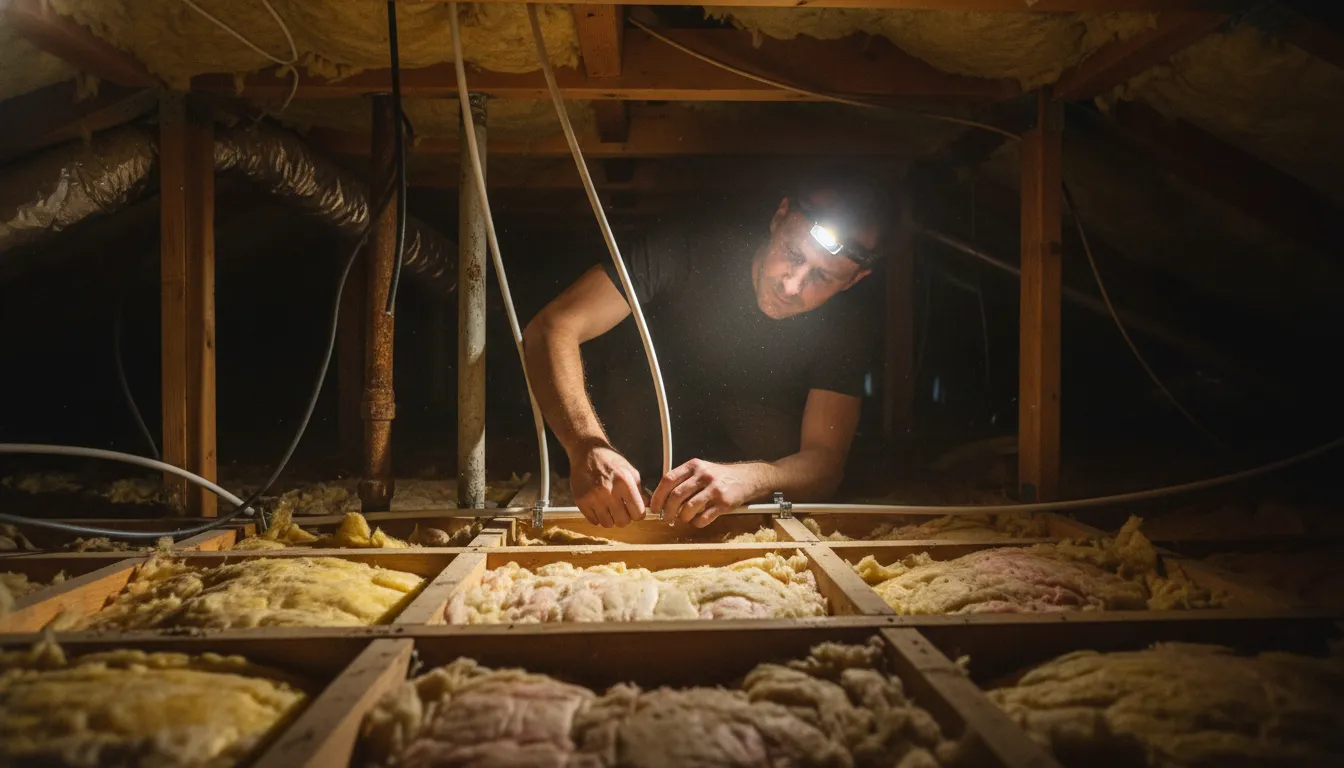
A whole-house repiping project is a significant but often necessary investment to ensure your home's plumbing system is safe, reliable, and efficient. This process involves replacing all the old water supply pipes throughout your home with new, modern materials, addressing issues like low water pressure, discolored water, and persistent leaks. For homeowners in Johns Creek, understanding the scope, materials, and timeline of a full repipe is key to planning this major home improvement. This guide provides the essential information to help you evaluate your needs and connect with qualified local professionals for your plumbing replacement project.
True Plumbing
2650 Pleasantdale Rd, Doraville, GA 30340
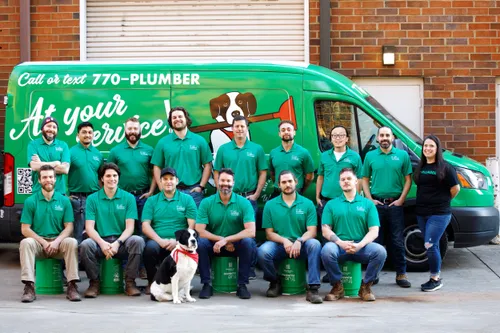
True Plumbing is a plumbing service provider based in Atlanta, GA, offering a wide range of services including sewer camera inspections, water heater repair and installation, drain cleaning, sewer line repair, trenchless sewer repair, leak detection, repiping, gas line installation, and toilet repair. They use advanced tools for leak detection and provide trenchless methods for sewer repairs, helping maintain efficient plumbing systems. Established in 2014, True Plumbing focuses on building lasting customer relationships by educating clients and ensuring peace of mind with their work.

Honeycomb Plumbing
Atlanta, GA
Honeycomb Plumbing is a residential plumbing company serving Atlanta, GA, and surrounding counties including Cobb, Fulton, Dekalb, and Gwinnett. Founded this year, the company brings a decade of expertise to a wide range of plumbing services such as water heater installation and maintenance, drain cleaning with camera inspections, water softener and filtration system installation, sump pump repairs, gas line installation, and full repiping projects. They offer 24/7 emergency plumbing services to address urgent issues and prevent property damage.

The Plumb Hero
Atlanta, GA
The Plumb Hero is a plumbing company serving Atlanta, GA, and the surrounding Metro Atlanta area. They offer a range of plumbing services including water heater repair and installation, tankless water heater services, water filtration system installation, sewer line repair, emergency water leak detection, and water line replacement. The company handles both traditional and tankless water heater needs and provides emergency leak services to clients in the region.
Atlantis Plumbing
691 John Wesley Dobbs Ave NE UNIT W, Atlanta, GA 30312
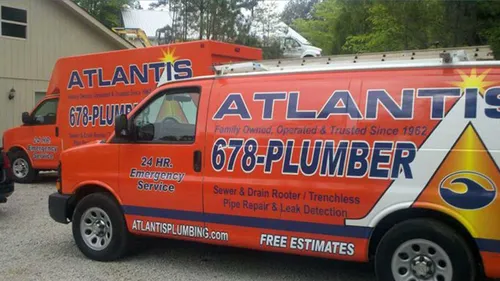
Atlantis Plumbing is a family-owned plumbing company serving Atlanta, GA, and surrounding areas for over 60 years. They provide a wide range of plumbing services including water heater repair and installation, drain cleaning, sewer line repair, trenchless sewer repair, leak detection, repiping, toilet repair, and garbage disposal repair. Atlantis Plumbing specializes in trenchless sewer repair, which offers a less invasive alternative to traditional sewer line replacement. The company operates 24/7, handling both residential and commercial plumbing needs with licensed and experienced plumbers.
Plumb Works Inc.
3116 Chestnut Dr #101, Atlanta, GA 30340
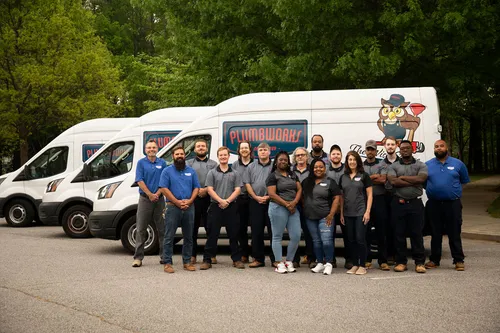
Plumb Works Inc. is a plumbing company serving the Atlanta, GA area since 1989. They provide a wide range of residential, commercial, and underground plumbing services including sewer camera inspections, water heater repair and installation, sump pump repair, drain cleaning, hydro jetting, sewer line repair, trenchless sewer repair, leak detection, repiping, gas line installation, toilet repair, and garbage disposal repair. The company offers specialized sewer line camera inspections to identify underground pipe issues and provides detailed reports with repair recommendations. Plumb Works also offers emergency plumbing services to address urgent plumbing problems promptly.
What is Whole-House Repiping?
Whole-house repiping, also known as a full re-pipe or plumbing replacement, is the comprehensive process of removing a home's existing water supply pipes and installing a new network. This is distinct from spot repairs that address a single leak. The goal is to replace aging or failing galvanized steel or copper pipes that are prone to corrosion, rust buildup, and pinhole leaks with a modern, durable system. In Johns Creek, where many homes are of an age where original plumbing may be nearing the end of its service life, this upgrade can resolve chronic plumbing problems and prevent future water damage, ultimately protecting your property's value and your family's health.
The Step-by-Step Repiping Process
A professional plumbing replacement follows a meticulous sequence to ensure a successful and minimally disruptive installation.
1. Inspection and Planning
The process begins with a thorough assessment by a licensed plumber. They will inspect the current plumbing system, identify the existing pipe materials, and map out the home's layout. This stage includes designing the new pipe system, determining the best routes for new lines, and obtaining any necessary permits from the City of Johns Creek.
2. Access and Removal
To access the old plumbing, technicians create strategic access points in walls and ceilings. This step is done with care to limit damage to your home's finishes. The old pipes-often heavy galvanized steel or existing copper-are then systematically cut out and removed from the property.
3. Installation of New Pipes
The new supply lines for hot and cold water are installed. Plumbers will run these new pipes through the access points, connecting them to the main water line and to each fixture (sinks, toilets, showers, appliances). Connections are made using specialized fittings, and for copper, soldering is required. In some cases, drain lines (waste pipes) may also be replaced if they are compromised 1.
4. Pressure Testing and Inspection
Once the new system is installed, it is filled with water and pressurized to test for any leaks. This critical quality-control step ensures the integrity of every joint and connection before the walls are closed up. A successful pressure test confirms the system is watertight and ready for use 2.
5. Restoration and Cleanup
Finally, the access points in your drywall and ceilings are patched, textured, and made ready for repainting. The work area is thoroughly cleaned, and the new plumbing system is activated. A reputable contractor will leave your home as they found it, with a fully functional, new plumbing system in place 3.
Choosing the Right Pipe Material
The choice of material for your new plumbing is a major decision that affects cost, longevity, and performance. Here are the most common options used in Johns Creek repiping projects:
- PEX (Cross-linked Polyethylene): This flexible, plastic tubing has become the leading choice for residential repiping. It is cost-effective, resistant to scale and corrosion, and can expand if water freezes, reducing the risk of bursting. Its flexibility allows for faster installation with fewer fittings, which can reduce labor costs 4.
- Copper: The long-time standard for water lines, copper is durable, resistant to bacteria, and can handle high temperatures. However, it is more expensive than PEX both in material and installation labor, as it requires soldering. It is also susceptible to theft from construction sites and can develop pinhole leaks in certain water conditions.
- CPVC (Chlorinated Polyvinyl Chloride): A rigid plastic pipe that is a lower-cost alternative for supply lines. It is easier to work with than copper but has lower temperature and pressure limits. It can become brittle over time and is less commonly used for whole-house repipes compared to PEX.
Most modern repiping projects in Johns Creek utilize PEX for its excellent balance of performance, durability, and value.
Find the perfect repiping contractors for your needs
Get personalized recommendations and expert advice
Project Timeline: What to Expect
Understanding the timeline helps you plan for the temporary disruption. For a typical 1,000 to 2,000 square foot home in Johns Creek, a whole-house repipe usually takes between 2 to 5 days to complete. Several factors can influence this duration:
- Home Size and Layout: Larger homes with multiple bathrooms and complex layouts take longer.
- Pipe Material: PEX installations are generally faster than copper due to the flexibility of the material.
- Access Requirements: The need for extensive wall and ceiling access can add time.
- Permit Inspections: The schedule for required municipal inspections can affect the pacing of the project. Your plumbing contractor should provide a detailed timeline after the initial inspection 5.
Understanding the Cost of Repiping in Johns Creek
The cost of a full plumbing replacement is a significant investment that varies based on several key factors. For Johns Creek homeowners, total project costs typically range from $4,000 on the very low end to over $17,000 for larger or more complex homes 6 7 8. The most common range for a 1,000-2,000 sq ft home is between $5,500 and $17,500+ 8 9.
Primary Cost Factors:
- Home Size: The square footage and number of plumbing fixtures (bathrooms, kitchen, laundry) are the biggest cost drivers.
- Pipe Material: PEX is generally the most budget-friendly option. Copper is premium and adds 20-40% or more to the material cost 10 11.
- Labor and Access: Complexity of the job, ease of access to existing pipes, and local labor rates all impact the final price.
- Wall Restoration: The cost to patch, texture, and repaint drywall after the pipes are installed is often a separate but necessary part of the budget.
While the upfront cost is considerable, repiping is a long-term investment that improves water quality, increases water pressure, eliminates leak risks, and enhances your home's overall value 12.
The Long-Term Benefits of a Full Re-pipe
Beyond fixing immediate problems, a whole-house plumbing replacement offers enduring advantages:
- Improved Water Quality and Pressure: New pipes eliminate rust, corrosion, and mineral buildup, delivering clean water at strong pressure to every fixture.
- Prevention of Costly Leaks: Proactively replacing failing pipes prevents catastrophic leaks that can cause thousands in water damage and mold remediation 13.
- Increased Home Value and Insurability: A modern, leak-free plumbing system is a strong selling point and may be viewed favorably by home insurers.
- Peace of Mind: Knowing your entire water supply system is new and reliable provides long-term security for your home and family.
By working with a licensed, experienced professional, you ensure the job is done correctly, with minimal disruption and a focus on restoring your home to its pre-construction condition 14.
Frequently asked questions
Sources
Footnotes
-
Whole-House Repiping: Step-by-Step Guide - https://www.veteranplumbing.us/whole-house-repiping-step-by-step-guide/ ↩
-
Comprehensive Guide to Whole House Repiping - Absolute Airflow - https://www.absoluteairflow.com/comprehensive-guide-to-whole-house-repiping/ ↩
-
What the Residential Repiping Process Involves - https://www.trmillerheatingandcooling.com/what-the-residential-repiping-process-involves/ ↩
-
What Is Involved in Repiping a House? - Apollo HVAC & Plumbing - https://gotoapollo.com/2024/03/06/what-is-involved-in-repiping-a-house/ ↩
-
Navigating the Repiping Process: A Timeline and Checklist - https://kinseyplumbing.com/navigating-the-repiping-process-a-timeline-and-checklist/ ↩
-
Why Older Homes in Georgia Need Plumbing Re-Piping - https://www.holtkamphvac.com/blog/plumbing-repiping-for-old-georgia-homes/ ↩
-
What Is Repiping? A Comprehensive Guide | CPI Service - https://cpiservice.com/blog/what-is-repiping/ ↩
-
What to Expect During a Whole House Repipe: Cost, Timeline ... - https://go4apes.com/what-to-expect-during-a-whole-house-repipe-cost-timeline-and-installation-process/ ↩ ↩2
-
Price to Repipe a House in Atlanta: What to Expect - https://atlanta.repipe.com/financing/cost-to-replace-plumbing-in-atlanta-what-to-expect ↩
-
How Much to Repipe a House: A Comprehensive Cost Guide - https://www.benjaminfranklinplumbing.com/league-city/blog/2024/december/how-much-to-repipe-a-house-a-comprehensive-cost-guide/ ↩
-
How Much Does It Cost to Repipe a House? [2026 Data] | Angi - https://www.angi.com/articles/cost-to-repipe-a-house.htm ↩
-
Whole Home Repiping | Atlanta, GA | TE Certified - https://www.tecertifiedelectricians.com/atlanta-area-plumber-services/whole-home-repiping/ ↩
-
Residential Repiping: The Ultimate Guide - Super Brothers - https://www.superbrothers.com/residential-repiping-the-ultimate-guide/ ↩
-
Johns Creek Home Repipe & Plumbing Services - https://plumbingexpress.com/areas-served/johns-creek-ga/ ↩