Find the Best Repiping Contractors for Your Business
No obligation • Fast responses • Nationwide coverage

Why you can trust Search a Plumber
Search a Plumber is a leading United States resource for finding and evaluating professional plumbing services. Our team researches licensing, experience, and customer feedback to create unbiased, fact-driven overviews. Companies cannot pay to change ratings or placement, ensuring homeowners get trustworthy information.
Search providers near you
Top Repiping Contractors in Alpharetta, Georgia Ranked
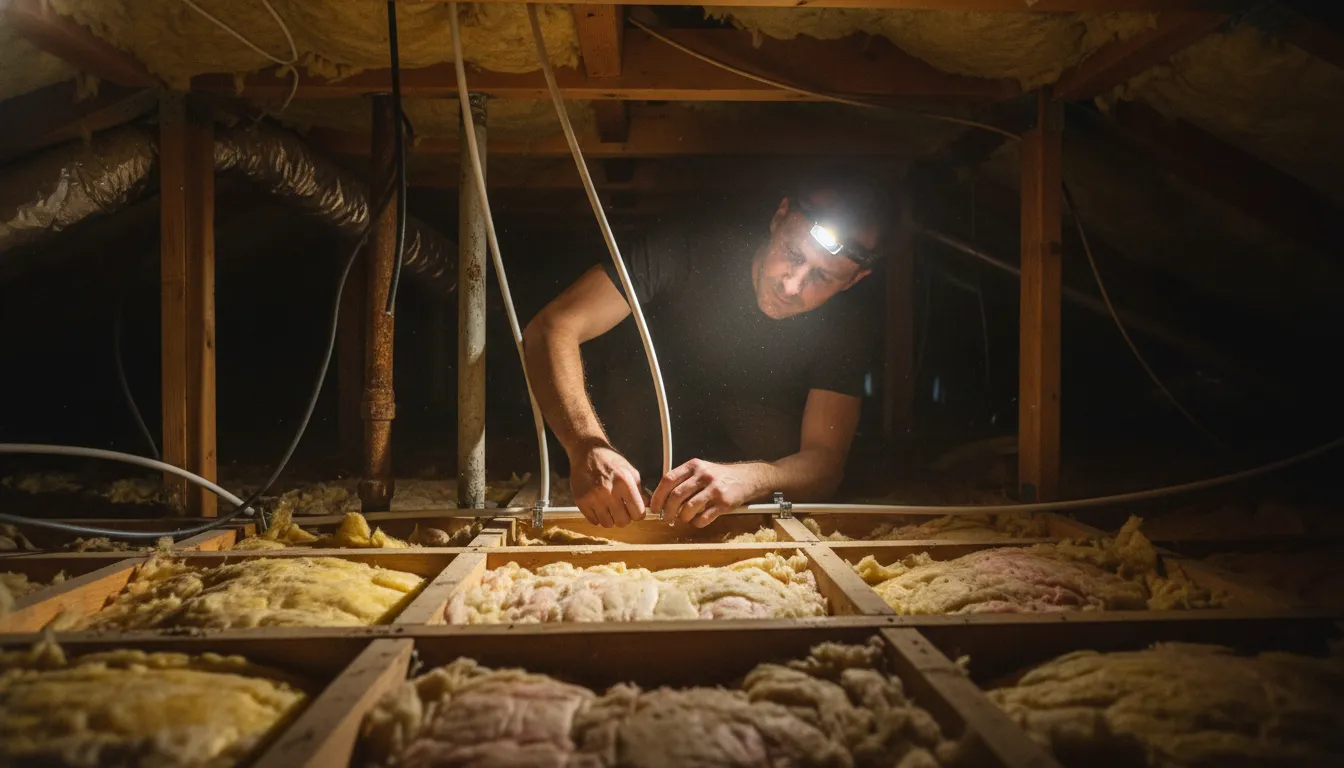
A whole-house repiping project is a significant but often necessary investment to ensure your home's plumbing system is safe, reliable, and efficient. This process involves replacing all the old water supply lines in your walls and ceilings with new, modern piping. If you're experiencing persistent leaks, rusty water, or low pressure, a full re-pipe can resolve these issues and protect your property from water damage. This guide will help you understand what a repipe entails, from materials and costs to the step-by-step process, so you can confidently connect with qualified local professionals to assess your needs.
True Plumbing
2650 Pleasantdale Rd, Doraville, GA 30340
True Plumbing is a plumbing service provider based in Atlanta, GA, offering a wide range of services including sewer camera inspections, water heater repair and installation, drain cleaning, sewer line repair, trenchless sewer repair, leak detection, repiping, gas line installation, and toilet repair. They use advanced tools for leak detection and provide trenchless methods for sewer repairs, helping maintain efficient plumbing systems. Established in 2014, True Plumbing focuses on building lasting customer relationships by educating clients and ensuring peace of mind with their work.

Honeycomb Plumbing
Atlanta, GA
Honeycomb Plumbing is a residential plumbing company serving Atlanta, GA, and surrounding counties including Cobb, Fulton, Dekalb, and Gwinnett. Founded this year, the company brings a decade of expertise to a wide range of plumbing services such as water heater installation and maintenance, drain cleaning with camera inspections, water softener and filtration system installation, sump pump repairs, gas line installation, and full repiping projects. They offer 24/7 emergency plumbing services to address urgent issues and prevent property damage.

The Plumb Hero
Atlanta, GA
The Plumb Hero is a plumbing company serving Atlanta, GA, and the surrounding Metro Atlanta area. They offer a range of plumbing services including water heater repair and installation, tankless water heater services, water filtration system installation, sewer line repair, emergency water leak detection, and water line replacement. The company handles both traditional and tankless water heater needs and provides emergency leak services to clients in the region.
Atlantis Plumbing
691 John Wesley Dobbs Ave NE UNIT W, Atlanta, GA 30312
Atlantis Plumbing is a family-owned plumbing company serving Atlanta, GA, and surrounding areas for over 60 years. They provide a wide range of plumbing services including water heater repair and installation, drain cleaning, sewer line repair, trenchless sewer repair, leak detection, repiping, toilet repair, and garbage disposal repair. Atlantis Plumbing specializes in trenchless sewer repair, which offers a less invasive alternative to traditional sewer line replacement. The company operates 24/7, handling both residential and commercial plumbing needs with licensed and experienced plumbers.
Plumb Works Inc.
3116 Chestnut Dr #101, Atlanta, GA 30340
Plumb Works Inc. is a plumbing company serving the Atlanta, GA area since 1989. They provide a wide range of residential, commercial, and underground plumbing services including sewer camera inspections, water heater repair and installation, sump pump repair, drain cleaning, hydro jetting, sewer line repair, trenchless sewer repair, leak detection, repiping, gas line installation, toilet repair, and garbage disposal repair. The company offers specialized sewer line camera inspections to identify underground pipe issues and provides detailed reports with repair recommendations. Plumb Works also offers emergency plumbing services to address urgent plumbing problems promptly.
Understanding the Repiping Process
Replacing your home's plumbing is a multi-stage project that requires careful planning and skilled execution. It's not a simple weekend fix but a comprehensive overhaul of your water distribution system. The goal is to remove aging, problematic pipes-often galvanized steel or corroded copper-and install a new network that will provide clean water for decades. Understanding each phase can help you prepare for the temporary disruption and ensure a smooth project.
Initial Inspection and Planning
The first critical step is a thorough assessment by a licensed plumber. They will evaluate your current system to confirm that a full repipe is necessary, identifying the extent of corrosion, leaks, or other failures. This stage involves mapping out the new pipe routes, determining the best materials for your home and budget, and securing any required permits from the City of Alpharetta. Proper planning here is essential for an efficient installation and helps establish an accurate timeline and cost estimate 1 2.
Preparation and Demolition
Once the plan is set, the physical work begins. The plumber will shut off your home's main water supply. To protect your belongings, furniture will be moved or covered, and work areas will be prepared with drop cloths. Technicians then need to create access points by cutting strategic openings in drywall at ceilings and walls to reach the existing pipe runs. This step is where homeowners see the most visible disruption, but it's a necessary part of accessing the old plumbing network 3.
Removal and Installation
The old pipes are carefully disconnected and removed. Then, the new supply lines-whether PEX, copper, or CPVC-are run through the open wall cavities and connected to each fixture (sinks, toilets, showers, appliances). This is the core of the repiping job. For drain lines, only the supply pipes are typically replaced; the main drain stacks are usually left in place unless they are also damaged. The installation must follow strict code requirements for support and slope 4.
Testing, Sealing, and Restoration
Before any walls are closed up, the new system is rigorously pressure-tested to check for leaks. Once it passes inspection, the plumber will seal all the connections. The final phase involves restoration: the drywall openings are patched, textured, and primed (painting is often a separate contractor's task). Fixtures are reconnected, the water is turned back on, and a final cleanup removes all debris and materials from your home 5 6.
Common Repiping Materials Used in Alpharetta Homes
Choosing the right piping material is a key decision that affects the project's cost, longevity, and performance. Modern options offer significant advantages over the galvanized steel pipes found in many older Alpharetta homes.
PEX (Cross-linked Polyethylene): This flexible, plastic tubing has become the most popular choice for residential repiping. Its flexibility allows it to be snaked through walls with fewer fittings, which can reduce labor time and potential leak points. PEX is highly resistant to scale and corrosion, doesn't conduct electricity, and can handle freezing temperatures better than copper. It's typically the most affordable option with a life expectancy exceeding 50 years.
Copper: The traditional premium material, copper piping is known for its durability and long lifespan, often lasting 70 years or more. It resists bacterial growth and can handle high water pressure and heat. However, it is more expensive than PEX, both in material cost and installation labor, as it requires soldering each joint. Some homeowners prefer it for its proven track record and potential to add value to a home.
CPVC (Chlorinated Polyvinyl Chloride): CPVC is a rigid plastic pipe that is glued together at fittings. It is a cost-effective and durable material, resistant to corrosion, and suitable for both hot and cold water lines. While not as flexible as PEX, it is a reliable alternative that has been used for decades and can last 40-50 years. It may be a good option in specific scenarios or based on a plumber's expertise 7.
Find the perfect repiping contractors for your needs
Get personalized recommendations and expert advice
Project Timeline and What to Expect
A whole-house repipe is not an overnight project. The duration depends heavily on the size of your home, the complexity of its layout, and the material chosen.
- Typical Timeline: For an average single-family home in Alpharetta, you can expect the active plumbing work to take between 3 to 7 days. Larger homes, those with multiple stories, or projects with complex layouts can extend to two weeks or more.
- Living Through the Project: Disruption is inevitable. You will experience planned water shut-offs. There will be noise from cutting tools and the sight of exposed walls and ceilings. Reputable contractors will work to minimize this by containing work areas, using dust control measures, and maintaining clear communication about the daily schedule 8.
- The Restoration Phase: Remember that the timeline includes the plumbing work itself. The drywall patching, texturing, and painting required to restore your walls are often handled separately and will add additional days to the overall project before your home is fully back to normal.
Cost Considerations for Repiping in Alpharetta
The investment for a repipe varies widely. It's one of the larger plumbing expenses a homeowner can face, but it's also a long-term solution to chronic problems. Prices in the Alpharetta and greater Atlanta area are influenced by local labor rates, home specifics, and material choice.
- Smaller Homes (1,000 - 1,500 sq ft): Repiping can range from approximately $4,000 to $11,000 or more. Using PEX tends to be on the lower end of this range, while a full copper repipe will push costs toward the higher end 9.
- Mid-Size Homes (around 2,000 sq ft): For a standard two-story home, homeowners might see estimates between $10,000 and $17,500+.
- Larger Homes (3,000+ sq ft): Comprehensive repiping in a large home can cost $13,000 to $27,000 or higher, especially with premium materials like copper or complex architectural features 10 11.
Key Cost Factors:
- Home Size & Layout: More fixtures and complex runs increase labor time.
- Pipe Material: Copper is significantly more expensive than PEX or CPVC.
- Wall Access: Easy access in unfinished basements or attics reduces cost; cutting into finished walls increases it.
- Labor & Permits: Includes the cost of skilled plumbers, helpers, and city permits.
Signs You May Need a Repipe in Alpharetta
How do you know if your home needs this major service? Look for these persistent warning signs, especially if your home was built before 1980 and may still have original galvanized steel pipes 12.
- Frequent Leaks: Patching one leak only for another to spring up nearby is a classic sign of systemic pipe failure.
- Discolored Water: Rusty or brown water, especially when first turning on a tap, indicates significant internal corrosion.
- Low Water Pressure: Mineral buildup and corrosion inside old pipes severely restrict water flow.
- Visible Corrosion: Check pipes in your basement, crawl space, or under sinks for signs of heavy rust, flaking, or green patina (on copper).
Frequently asked questions
Sources
Footnotes
-
What Is Involved With Repiping A House? - HELP Plumbing - https://333help.com/blog/what-is-involved-with-repiping-a-house/ ↩
-
What the Residential Repiping Process Involves - https://www.trmillerheatingandcooling.com/what-the-residential-repiping-process-involves/ ↩
-
Repiping a House: Essential Guide | American Mains & Drains - https://www.americanmainsanddrains.com/post/repiping-a-house-guide ↩
-
What Is Involved in Repiping a House? - Apollo HVAC & Plumbing - https://gotoapollo.com/2024/03/06/what-is-involved-in-repiping-a-house/ ↩
-
Whole-House Repiping: Step-by-Step Guide - https://www.veteranplumbing.us/whole-house-repiping-step-by-step-guide/ ↩
-
Comprehensive Guide to Whole House Repiping - Absolute Airflow - https://www.absoluteairflow.com/comprehensive-guide-to-whole-house-repiping/ ↩
-
What Is Repiping? A Comprehensive Guide | CPI Service - https://cpiservice.com/blog/what-is-repiping/ ↩
-
Whole Home Repiping | Atlanta, GA | TE Certified - https://www.tecertifiedelectricians.com/atlanta-area-plumber-services/whole-home-repiping/ ↩
-
What to Expect During a Whole House Repipe: Cost, Timeline ... - https://go4apes.com/what-to-expect-during-a-whole-house-repipe-cost-timeline-and-installation-process/ ↩
-
Repiping a House: What's Involved & How Much it Costs | R.J. Tilley - https://www.rjtilley.com/blog/2022/january/repiping-a-house-what-s-involved-how-much-it-cos/ ↩
-
Price to Repipe a House in Atlanta: What to Expect - https://atlanta.repipe.com/financing/cost-to-replace-plumbing-in-atlanta-what-to-expect ↩
-
What Is Involved in Repiping a House? - Allied Foundation - https://www.crackedslab.com/blog/what-is-involved-in-repiping-a-house ↩