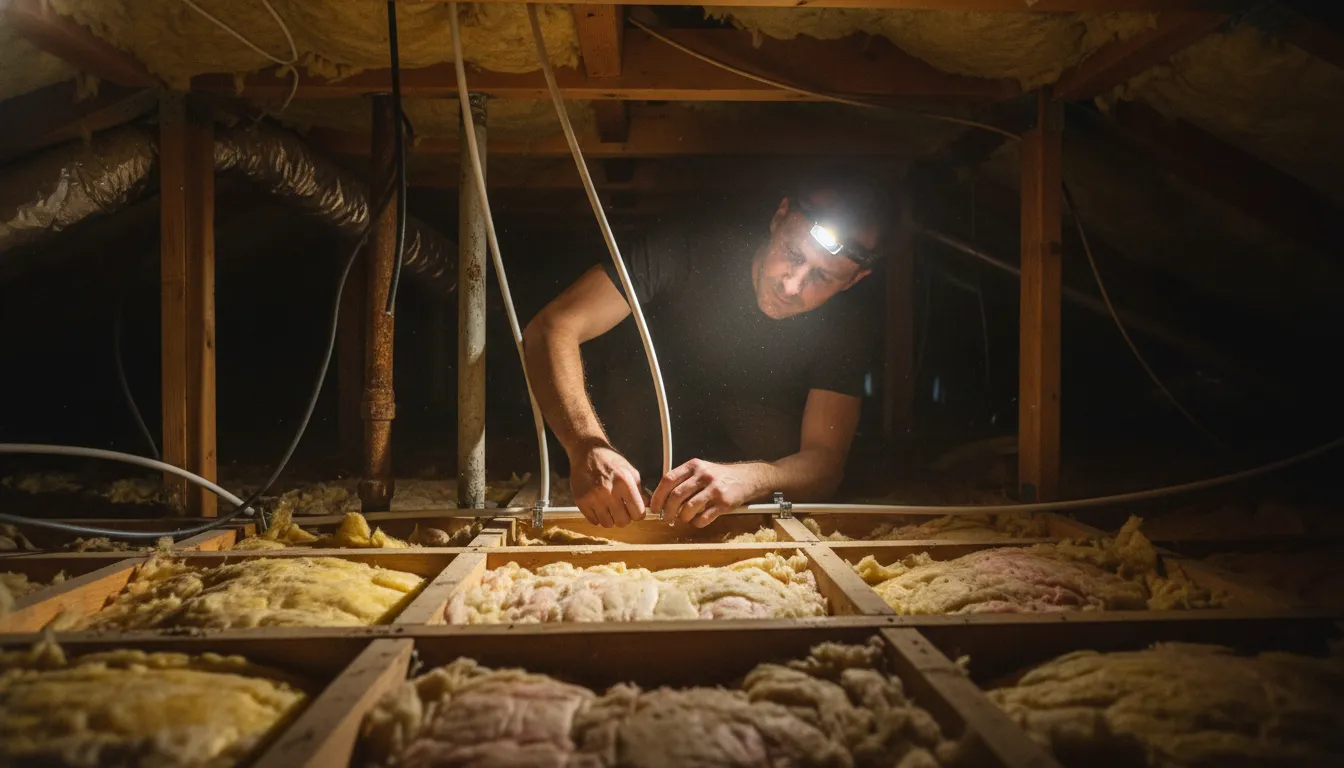
Find the Best Repiping Contractors for Your Business
No obligation • Fast responses • Nationwide coverage

Why you can trust Search a Plumber
Search a Plumber is a leading United States resource for finding and evaluating professional plumbing services. Our team researches licensing, experience, and customer feedback to create unbiased, fact-driven overviews. Companies cannot pay to change ratings or placement, ensuring homeowners get trustworthy information.
Search providers near you
Top Repiping Contractors in Longmont, Colorado Ranked
A whole-house repiping project is a significant investment in your home's infrastructure, replacing the aging or failing water supply lines that run behind your walls and under your floors. This plumbing overhaul is often necessary to resolve persistent leaks, improve water pressure, and ensure the delivery of clean, safe water to every faucet and appliance. For Longmont homeowners, understanding the process, materials, and local cost considerations is key to planning a successful pipe replacement project. This guide provides the essential information to help you navigate your options and connect with qualified professionals for your home's needs.
Big Apple Plumbing LLC - Broomfield, CO
1022 Depot Hill Rd Unit 10, Broomfield, CO 80020
Big Apple Plumbing LLC - Broomfield, CO provides a wide range of plumbing services in Denver, CO, including drain cleaning, sewer line repair, water heater installation and repair (tank and tankless), leak detection, gas line installation, sump pump repair, and repiping. The company serves both residential and commercial clients, handling routine maintenance, emergency repairs, and new installations with licensed plumbers. They specialize in sewer line services and offer 24/7 emergency plumbing solutions to address urgent issues like burst pipes and leaks. Big Apple Plumbing is locally owned and operated, with a focus on safety and code compliance. Their team is experienced in gas line installations and water heater replacements, ensuring efficient and reliable service. The company is known for upfront pricing, timely arrivals, and clear communication, serving Broomfield and surrounding areas including Anthem, The Broadlands, and Interlocken/FlatIron Crossing.
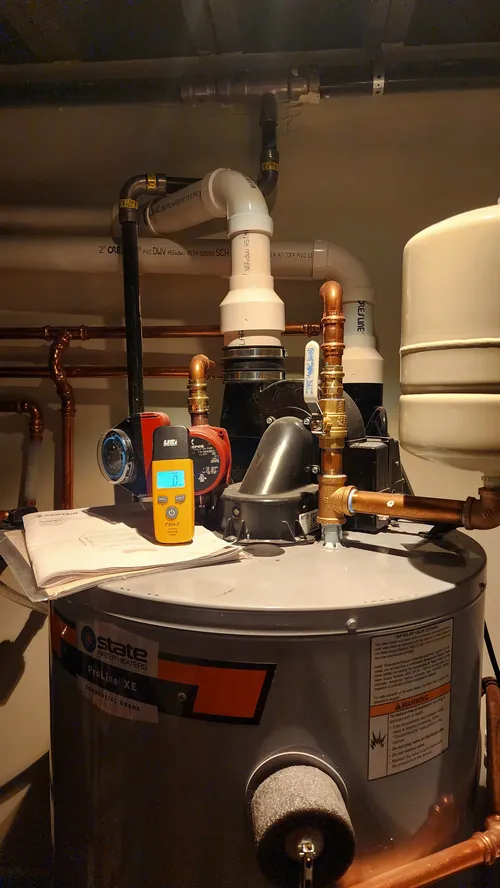
Midwest Plumbing Co. LLC
8360 Auburn Ln, Westminster, CO 80031
Midwest Plumbing Co. LLC is a plumbing service provider based in Denver, CO, offering a wide range of plumbing solutions. Their services include water heater repair and installation, sump pump repair, sewer line repair with trenchless technology, leak detection, repiping, gas line installation, toilet and garbage disposal repair, and more. The company uses advanced equipment and techniques to address both simple and complex plumbing issues, aiming to provide long-term solutions. They serve residential customers and emphasize careful, tailored service for each home. Midwest Plumbing Co. LLC offers 24/7 emergency plumbing services to assist customers whenever needed.
Absolute Plumbing, Electrical, Heating & Air
5590 Havana St Unit A, Denver, CO 80239
Absolute Plumbing, Electrical, Heating & Air provides a wide range of plumbing, electrical, heating, and air conditioning services in Denver, CO. Their plumbing services include sewer camera inspections, water heater repair and installation, water softener installation, sump pump repair, drain cleaning, hydro jetting, sewer line repair, leak detection, repiping, gas line installation, toilet repair, and garbage disposal repair. The company has over a decade of experience serving the Denver Metro area and offers fully stocked trucks and certified, insured technicians to handle most jobs efficiently. They emphasize honest, upfront pricing and satisfaction guaranteed.
Plumbline Services
5980 W 59th Ave, Arvada, CO 80003
Plumbline Services offers plumbing, HVAC, and electrical services to homeowners in Denver, CO, and the surrounding areas. Their skilled team handles a wide range of plumbing needs including water heater repair and installation, sump pump and sewer line repairs, drain cleaning, leak detection, gas line installation, and garbage disposal repairs. They also provide HVAC services such as furnace and air conditioning repair and installation, along with electrical work including circuit breakers, lighting, and EV charging stations. Plumbline Services is available 24/7 to assist with emergencies and routine maintenance, serving customers from Fort Collins to Castle Rock.
SUPERIOR MILE HIGH PLUMBING
Aurora, CO
Superior Mile High Plumbing is a licensed and insured plumbing contractor serving Aurora, CO, and the Denver metro area. Since 2019, they have provided a wide range of plumbing services including water heater repair and installation, water softener installation, drain cleaning, sewer line repair, leak detection, repiping, and gas line installation. The company holds an active Colorado Plumbing Contractor license and is accredited by the Better Business Bureau with an A+ rating. Their capabilities include comprehensive leak detection and repair, addressing issues under slabs, behind walls, and beneath floors, ensuring thorough service for both residential and commercial clients.
Why Consider a Full Plumbing Replacement?
Over time, the water lines in your home can deteriorate due to age, corrosion, and mineral buildup. In older Longmont homes, galvanized steel pipes were commonly used and are now prone to rusting from the inside out, leading to reduced water flow, discolored water, and eventual leaks. Even copper piping, a long-standing standard, can develop pinhole leaks after decades of service due to water chemistry and soil conditions. A comprehensive repipe is the definitive solution, eliminating recurring plumbing repairs, preventing water damage to your home's structure, and providing peace of mind with a modern, reliable system for decades to come 1.
The Repiping Process: A Step-by-Step Overview
A professional whole-house repipe is a systematic project managed by experienced plumbers. Here's what you can generally expect from start to finish.
Initial Inspection and Planning The process begins with a thorough assessment of your existing plumbing system. A licensed plumber will evaluate the pipe material, condition, layout, and access points. They will discuss your options for new piping materials, create a detailed plan for routing the new lines, and handle any necessary permits required by the City of Longmont or Boulder County 2.
Shut-Off, Drainage, and Removal Once planned, the team will shut off your home's main water supply and drain all the existing pipes. The old pipes-whether galvanized, copper, or polybutylene-are then carefully cut out and removed from walls, ceilings, crawl spaces, and basements.
Installation of New Water Lines New pipes are installed according to the planned routes. This stage involves running new supply lines from the main shut-off valve to every fixture in the house, including sinks, toilets, showers, and appliances like your water heater and washing machine. The installation method (e.g., running lines through walls, attic, or crawlspace) depends on your home's construction.
Critical Pressure Testing and Inspection After installation, the new system is pressurized with air or water to test for any leaks-a crucial quality control step. Once the system passes the plumber's test, a final inspection by a local building official is often required to ensure the work meets all current plumbing codes 3 4.
Finishing and Cleanup With the plumbing work approved, the project moves to the finish phase. This includes patching access holes in drywall, repairing flooring or insulation as needed, and a thorough cleanup of the work areas to restore your home 5.
Choosing the Right Piping Material
The choice of material is one of the most important decisions in a repiping project, impacting cost, longevity, and performance. The two most common options for modern homes are PEX and copper.
PEX (Cross-Linked Polyethylene) PEX has become the leading choice for residential repiping. This flexible, durable plastic tubing is resistant to scale and chlorine, doesn't corrode, and can expand, making it highly resistant to freeze damage. Its flexibility allows for faster installation with fewer fittings, which can reduce labor costs. PEX is typically color-coded (red for hot, blue for cold) for easy identification and has a projected lifespan well over 100 years 6.
Copper Copper piping has been the traditional standard for decades due to its durability and reliability. It remains a solid, long-lasting material. However, it is more rigid, making installation more labor-intensive, and it is significantly more expensive than PEX, both for the material itself and the installation labor. In some areas with specific water chemistry, copper can also be susceptible to a form of corrosion over very long periods.
Find the perfect repiping contractors for your needs
Get personalized recommendations and expert advice
Understanding Project Timelines and Disruptions
A common concern for homeowners is how long the plumbing replacement will take and how it will affect daily life. A whole-house repipe in a typical Longmont home typically takes between 2 to 7 days, depending on the home's size, complexity, and accessibility of the plumbing runs 7.
Water service will be interrupted during the active installation phases. Professional plumbers will work to minimize this disruption, often completing sections of the house in stages or setting up temporary water access points. You should plan for limited or no water use during work hours on the days when the main lines are being switched over. Good communication with your plumbing team about the daily schedule is essential for managing expectations.
Cost Factors for Repiping in Longmont
The total investment for a pipe replacement project varies widely based on several key factors specific to your home. Understanding these can help you interpret estimates.
- Home Size and Layout: The total square footage and number of bathrooms, kitchens, and wet bars are the primary drivers. Larger homes with complex layouts require more materials and labor. For example, repiping a 1,000-1,500 sq ft home may range from $5,500 to $11,000+, while a home over 3,000 sq ft can reach $27,000 or more, especially with premium materials.
- Material Choice: As discussed, the choice between PEX and copper has a major impact. PEX systems are generally more cost-effective, while copper repipes command a higher price point due to material and installation costs.
- Labor and Accessibility: The ease of access to your plumbing lines (e.g., open basements vs. finished walls) affects labor time. Projects requiring extensive demolition and subsequent drywall repair will add to the overall cost.
- Permits and Inspections: Fees for required permits and inspections are a standard part of the project cost and are typically included in a professional quote.
Given these variables, the overall cost range for a whole-house repipe in the Colorado area often falls between $4,500 and over $10,000, with many homeowners investing around $7,000 for a complete, professional job using modern materials like PEX 8 9 10.
Signs You May Need a Whole-House Repipe
How do you know if your home needs a full re-pipe rather than just a spot repair? Look for these telltale signs:
- Discolored Water: Brown or rusty water, especially when first turning on the tap, indicates internal pipe corrosion.
- Low Water Pressure: A gradual decline in pressure at multiple fixtures often points to mineral buildup or corrosion narrowing the pipes.
- Frequent Leaks: Recurring pinhole leaks in your pipes are a sign of systemic failure.
- Visible Corrosion: Signs of rust or green patina on pipe joints and valves.
- Outdated Materials: If your home has galvanized steel or polybutylene pipes, proactive replacement is often recommended to avoid catastrophic failure.
Frequently asked questions
Sources
Footnotes
-
Repiping a House: Essential Guide | American Mains & Drains - https://www.americanmainsanddrains.com/post/repiping-a-house-guide ↩
-
How Much to Repipe a House: A Comprehensive Cost Guide - https://www.benjaminfranklinplumbing.com/league-city/blog/2024/december/how-much-to-repipe-a-house-a-comprehensive-cost-guide/ ↩
-
Whole-Home Repiping: The Permanent Fix for Leaks - Paws Plumbing - https://www.pawsplumbing.com/blog/whole-home-repiping/ ↩
-
How Much to Repipe a House? - Reliant Plumbing - https://reliantplumbing.com/plumbing/pipe-repairs/whole-house-repipe-cost/ ↩
-
Whole-House Repiping: Step-by-Step Guide - https://www.veteranplumbing.us/whole-house-repiping-step-by-step-guide/ ↩
-
Comprehensive Guide to Whole House Repiping: Discover When, Why, and How - Absolute Airflow - https://www.absoluteairflow.com/comprehensive-guide-to-whole-house-repiping/ ↩
-
What Is Involved With Repiping A House? - HELP Plumbing - https://333help.com/blog/what-is-involved-with-repiping-a-house/ ↩
-
How Much Does It Cost to Repipe a House? - https://therepipecompany.com/faqs/how-much-does-it-cost-to-repipe-my-home/ ↩
-
What's the Cost of Whole-Home Repiping in Colorado? - https://www.coopergreenteam.com/blog/cost-whole-home-repiping-colorado ↩
-
What to Expect During a Whole House Repipe: Cost, Timeline ... - https://go4apes.com/what-to-expect-during-a-whole-house-repipe-cost-timeline-and-installation-process/ ↩