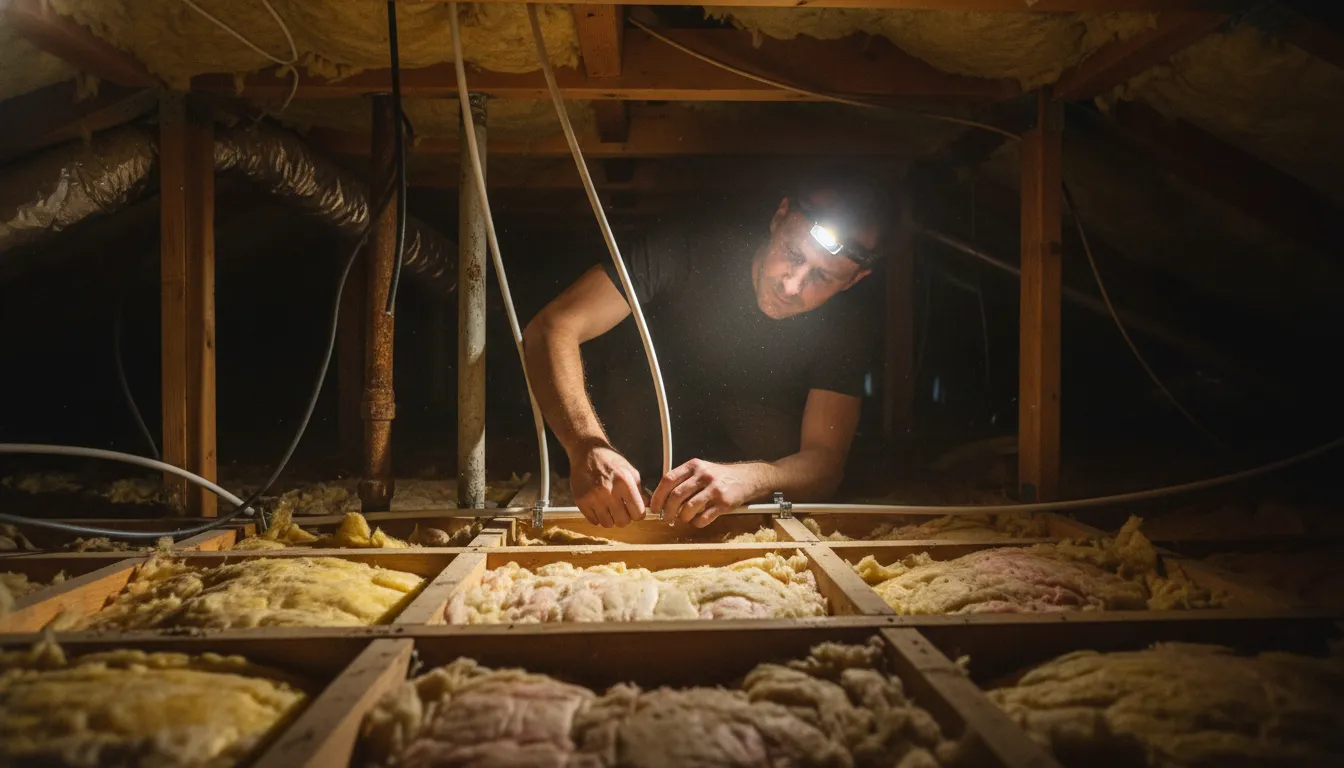
Find the Best Repiping Contractors for Your Business
No obligation • Fast responses • Nationwide coverage

Why you can trust Search a Plumber
Search a Plumber is a leading United States resource for finding and evaluating professional plumbing services. Our team researches licensing, experience, and customer feedback to create unbiased, fact-driven overviews. Companies cannot pay to change ratings or placement, ensuring homeowners get trustworthy information.
Search providers near you
Top Repiping Contractors in Littleton, Colorado Ranked
If your home in Littleton is showing signs of aging pipes-like persistent leaks, discolored water, or low water pressure-a full repiping project may be the most reliable long-term solution. This major plumbing service involves replacing all the water supply lines in your house with new, durable materials, ensuring clean water and preventing future damage. This guide will help you understand the process, materials, costs, and timeline for a whole-house repipe, so you can confidently find and vet qualified local professionals for this critical home improvement.
High 5 Plumbing, Heating, Cooling & Electric
15710 W Colfax Ave, Golden, CO 80401
High 5 Plumbing, Heating, Cooling & Electric is a full-service plumbing company serving Denver, CO. They provide a wide range of plumbing services including water heater installation and repair, drain cleaning, sewer line repair, leak detection, and gas line installation. The company uses advanced video technology for sewer camera inspections and offers trenchless sewer repair to minimize excavation. They also specialize in hydro jetting to clear blocked drains efficiently. High 5 Plumbing is licensed for gas plumbing and installs energy-efficient tankless water heaters. The company has received recognition such as the Angi Super Service Award and a BBB Torch Award for Ethics. They provide 24/7 emergency response for urgent plumbing needs.
Big Apple Plumbing LLC - Broomfield, CO
1022 Depot Hill Rd Unit 10, Broomfield, CO 80020
Big Apple Plumbing LLC - Broomfield, CO provides a wide range of plumbing services in Denver, CO, including drain cleaning, sewer line repair, water heater installation and repair (tank and tankless), leak detection, gas line installation, sump pump repair, and repiping. The company serves both residential and commercial clients, handling routine maintenance, emergency repairs, and new installations with licensed plumbers. They specialize in sewer line services and offer 24/7 emergency plumbing solutions to address urgent issues like burst pipes and leaks. Big Apple Plumbing is locally owned and operated, with a focus on safety and code compliance. Their team is experienced in gas line installations and water heater replacements, ensuring efficient and reliable service. The company is known for upfront pricing, timely arrivals, and clear communication, serving Broomfield and surrounding areas including Anthem, The Broadlands, and Interlocken/FlatIron Crossing.
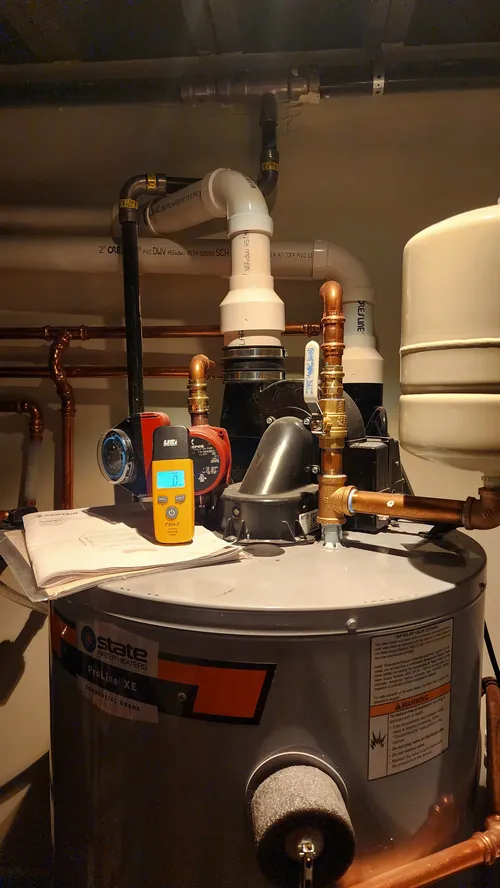
Midwest Plumbing Co. LLC
8360 Auburn Ln, Westminster, CO 80031
Midwest Plumbing Co. LLC is a plumbing service provider based in Denver, CO, offering a wide range of plumbing solutions. Their services include water heater repair and installation, sump pump repair, sewer line repair with trenchless technology, leak detection, repiping, gas line installation, toilet and garbage disposal repair, and more. The company uses advanced equipment and techniques to address both simple and complex plumbing issues, aiming to provide long-term solutions. They serve residential customers and emphasize careful, tailored service for each home. Midwest Plumbing Co. LLC offers 24/7 emergency plumbing services to assist customers whenever needed.

Mr. Perfect Plumbing
Denver, CO
Mr. Perfect Plumbing is a locally owned plumbing company serving the Denver, CO area. They offer a wide range of services including water heater repair and installation, sump pump repair, drain cleaning, sewer line repair, leak detection, repiping, gas line installation, and toilet repair. The team is licensed and trained to handle various plumbing needs with a focus on honest and compassionate service. They provide 24/7 emergency plumbing services and same-day appointments to address urgent issues promptly. With over 20 years of industry experience, Mr. Perfect Plumbing emphasizes a customer-first approach and supports their community through skilled and reliable plumbing solutions.
Bravo Plumbing Littleton
7917 W Peakview Dr, Littleton, CO 80123
Bravo Plumbing Littleton offers a wide range of plumbing services in Denver, CO, including water heater repair and installation, drain cleaning, leak detection, repiping, gas line installation, and toilet repair. They provide professional plumbing inspections, water filtration system installation, and emergency plumbing services available 24/7. Their licensed and experienced technicians use industry-best practices to deliver precise repairs and installations, with a focus on long-term system performance and maintenance support. Bravo Plumbing Littleton also specializes in gas line services and offers preventative maintenance to help avoid costly repairs.
What is Whole-House Repiping?
Whole-house repiping, also known as a full re-pipe or plumbing replacement, is the comprehensive process of removing all the old water supply pipes in a home and installing a brand-new system. This is distinct from spot repairs and is typically undertaken when a plumbing system is at the end of its lifespan, plagued by frequent pinhole leaks, or made of outdated materials like polybutylene or galvanized steel that are prone to failure. For Littleton homeowners, this service restores water flow, improves water quality, and provides peace of mind by eliminating the risk of catastrophic leaks behind walls and under floors 1.
Signs You May Need a Repipe in Littleton
How do you know if your home is a candidate for this major project? Look for these common indicators:
- Frequent Leaks: Multiple leaks occurring in different areas of the house, especially pinhole leaks in copper pipes, signal systemic corrosion.
- Discolored Water: Rusty or brown water, particularly when you first turn on the tap, often comes from corroding galvanized steel pipes.
- Low Water Pressure: A significant, home-wide drop in pressure can be caused by mineral buildup or corrosion narrowing the inside diameter of old pipes.
- Noisy Pipes: Loud banging (water hammer) or rattling sounds can indicate loose pipes or pressure issues within an aging system.
- Outdated Materials: Homes built before the 1970s may have galvanized steel pipes, which have a typical lifespan of 40-50 years. Homes built from the late 1970s to mid-1990s may have polybutylene pipes, which are prone to sudden failure.
The Step-by-Step Repiping Process
A professional repiping job is a multi-stage operation that requires careful planning and execution. Here's what you can expect from start to finish 2:
- Inspection and Estimate: A licensed plumber will conduct a thorough assessment of your current plumbing system, identify all lines that need replacement, and provide a detailed project quote and timeline.
- Preparation and Access: To reach the pipes, plumbers will need to create access points by cutting strategic, small openings in drywall, ceilings, and sometimes floors. They will take care to minimize disruption.
- Water Shutoff and Demolition: The main water supply is shut off. The old pipes are then systematically disconnected and removed from the home.
- Installation of New Pipes: New piping is run throughout the home, following the most efficient routes to all fixtures (sinks, toilets, showers, appliances).
- Pressure Testing and Inspection: The entire new system is pressurized with air or water and meticulously checked for any leaks before being sealed inside the walls.
- Finishing and Restoration: Once the system passes inspection, the water is turned back on. The plumber or a contracted professional will then patch and repair the access holes in your walls and floors.
Choosing the Right Piping Material
The choice of material is a crucial decision in your repiping project, affecting cost, longevity, and performance. The most common options used in Littleton today are 3 4:
- PEX (Cross-linked Polyethylene): This flexible, plastic tubing has become the industry standard for repiping. It is highly resistant to scale and chlorine, won't corrode, and is easier and faster to install due to its flexibility, which often reduces the number of required fittings and access holes. It's also the most cost-effective option.
- Copper: The traditional, durable choice. Copper pipes have a proven track record of lasting 50+ years and are resistant to bacteria. However, they are more expensive both for the material and the installation labor, as they require soldering and are rigid.
- CPVC (Chlorinated Polyvinyl Chloride): A rigid plastic pipe that is glued together. While less expensive than copper, it can become brittle over time and is generally considered less durable and flexible than PEX for whole-house applications.
Most modern repipes in Colorado utilize PEX for its excellent balance of cost, durability, and ease of installation, which can minimize labor time and wall damage.
Find the perfect repiping contractors for your needs
Get personalized recommendations and expert advice
Understanding the Cost of Repiping in Littleton
The total investment for a whole-house repipe varies significantly based on your home's size, the chosen material, the complexity of your plumbing layout, and the extent of necessary wall repairs. In the Littleton area, homeowners can expect the following general cost ranges 5 6:
- Average Cost: For a typical Colorado home, the average cost for a full repipe is around $7,000.
- Cost by Home Size:
- A 1,000-1,500 square foot home can range from $5,500 to $11,000, with PEX projects on the lower end and copper on the higher end.
- For larger homes, around 3,000 square feet, the cost can reach $15,000 to $27,000 or more.
- Material Cost Difference: Choosing PEX can be 50-70% less expensive for the material and installation labor compared to a copper repipe for the same home 7.
- What Influences Price: Key factors include the number of bathrooms and fixtures, whether the home has multiple stories, the accessibility of pipes (in slabs or easy crawlspaces), and local permit fees.
Always obtain multiple detailed, written estimates that break down material costs, labor, permit fees, and restoration work.
Project Timeline: How Long Does Repiping Take?
A whole-house repipe is not an overnight job. The timeline depends on the size of the home and the complexity of the system. Typically, the process can take anywhere from a few days to two weeks 8 9. A small, single-story home with accessible plumbing may be completed in 2-3 days. A larger, multi-story home with complex routing could take a week or more. The timeline includes the initial inspection, the physical pipe replacement, pressure testing, and the final patching and painting of access areas. Your chosen professional should provide a clear schedule upfront.
Preparing Your Home for a Repipe Project
Proper preparation can make the process smoother for everyone:
- Clear the Work Areas: Move furniture, decorations, and other belongings away from walls where plumbers will need access, especially in bathrooms, kitchens, and utility rooms.
- Plan for Water Outage: You will be without water for the duration of the active pipe installation phase, which could be 1-3 days. Plan accordingly by filling containers with water for drinking and flushing toilets.
- Discuss Logistics: Talk with your plumber about work hours, protection of flooring, dust control, and where equipment will be stored.
- Arrange for Restoration: Confirm who is responsible for the drywall repair and painting-some plumbing companies handle it, while others may recommend a contractor.
Frequently asked questions
Sources
Footnotes
-
What Is Repiping? A Comprehensive Guide | CPI Service - https://cpiservice.com/blog/what-is-repiping/ ↩
-
Whole-House Repiping: Step-by-Step Guide - https://www.veteranplumbing.us/whole-house-repiping-step-by-step-guide/ ↩
-
Comprehensive Guide to Whole House Repiping: Discover When, Why, and How - Absolute Airflow - https://www.absoluteairflow.com/comprehensive-guide-to-whole-house-repiping/ ↩
-
What to Expect During a Home Repiping Process - Vito Services - https://vitoservices.com/what-to-expect-during-a-home-repiping-process/ ↩
-
What's the Cost of Whole-Home Repiping in Colorado? - https://www.coopergreenteam.com/blog/cost-whole-home-repiping-colorado ↩
-
What to Expect During a Whole House Repipe: Cost, Timeline ... - https://go4apes.com/what-to-expect-during-a-whole-house-repipe-cost-timeline-and-installation-process/ ↩
-
House Repiping Cost Breakdown - Vaquero Plumbing - https://vaqueroplumbing.com/house-repiping-cost-breakdown/ ↩
-
How Long to Repipe a House - Oreate AI Blog - https://www.oreateai.com/blog/how-long-to-repipe-a-house/2b3f653597944c711d89ae3add84dee5 ↩
-
Everything You Need To Know About Repiping A House - https://www.raptorrooterplumbing.com/blog/2024/april/everything-you-need-to-know-about-repiping-a-hou/ ↩