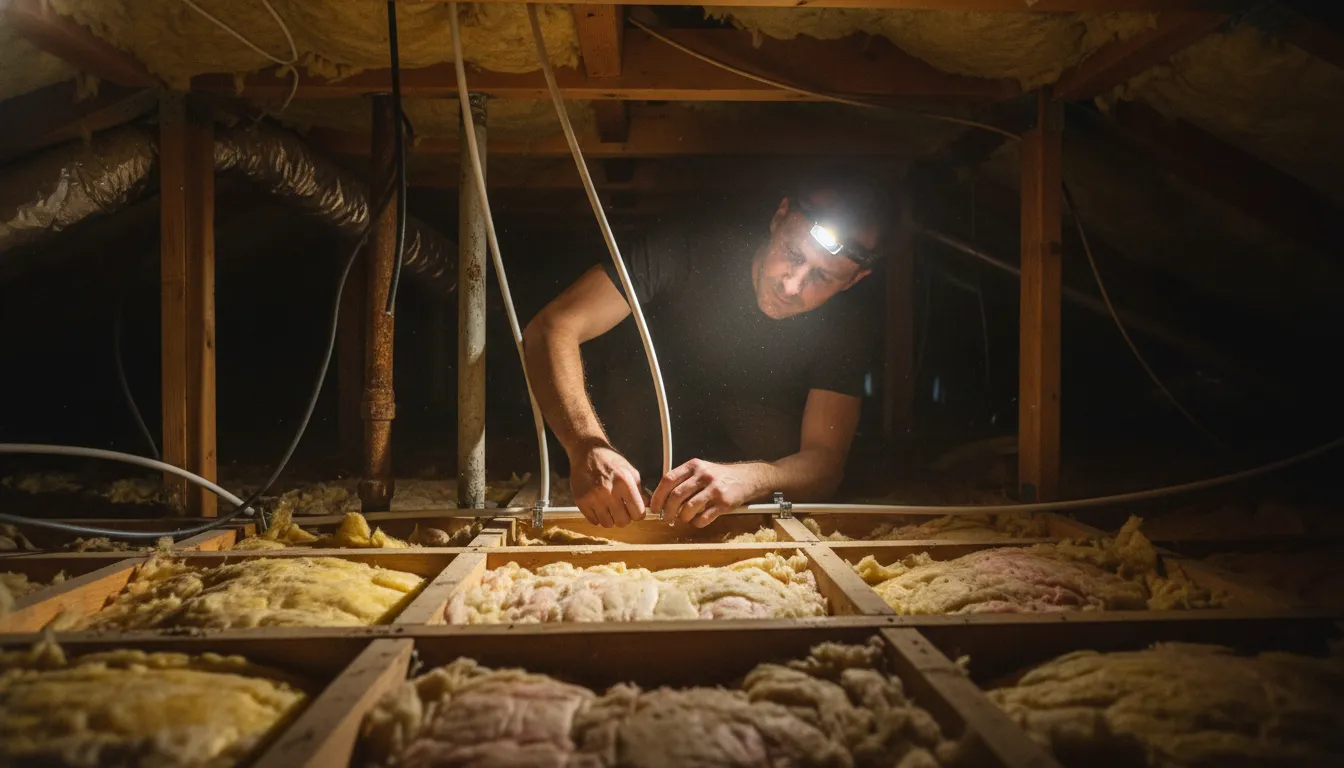
Find the Best Repiping Contractors for Your Business
No obligation • Fast responses • Nationwide coverage

Why you can trust Search a Plumber
Search a Plumber is a leading United States resource for finding and evaluating professional plumbing services. Our team researches licensing, experience, and customer feedback to create unbiased, fact-driven overviews. Companies cannot pay to change ratings or placement, ensuring homeowners get trustworthy information.
Search providers near you
Top Repiping Contractors in Lakewood, Colorado Ranked
If you're experiencing persistent plumbing problems in your Lakewood home, from rusty water to frustratingly low pressure, the issue may lie within the walls. Your home's piping system is its circulatory system, and over decades, pipes can corrode, scale, and fail. A full repiping project replaces all the old water supply lines in your house with new, modern piping, solving chronic issues and safeguarding your home for years to come. This guide will explain what a whole-house repipe involves, the materials used, and what Lakewood homeowners can expect, helping you make an informed decision about this significant home improvement.
High 5 Plumbing, Heating, Cooling & Electric
15710 W Colfax Ave, Golden, CO 80401
High 5 Plumbing, Heating, Cooling & Electric is a full-service plumbing company serving Denver, CO. They provide a wide range of plumbing services including water heater installation and repair, drain cleaning, sewer line repair, leak detection, and gas line installation. The company uses advanced video technology for sewer camera inspections and offers trenchless sewer repair to minimize excavation. They also specialize in hydro jetting to clear blocked drains efficiently. High 5 Plumbing is licensed for gas plumbing and installs energy-efficient tankless water heaters. The company has received recognition such as the Angi Super Service Award and a BBB Torch Award for Ethics. They provide 24/7 emergency response for urgent plumbing needs.
Big Apple Plumbing LLC - Broomfield, CO
1022 Depot Hill Rd Unit 10, Broomfield, CO 80020
Big Apple Plumbing LLC - Broomfield, CO provides a wide range of plumbing services in Denver, CO, including drain cleaning, sewer line repair, water heater installation and repair (tank and tankless), leak detection, gas line installation, sump pump repair, and repiping. The company serves both residential and commercial clients, handling routine maintenance, emergency repairs, and new installations with licensed plumbers. They specialize in sewer line services and offer 24/7 emergency plumbing solutions to address urgent issues like burst pipes and leaks. Big Apple Plumbing is locally owned and operated, with a focus on safety and code compliance. Their team is experienced in gas line installations and water heater replacements, ensuring efficient and reliable service. The company is known for upfront pricing, timely arrivals, and clear communication, serving Broomfield and surrounding areas including Anthem, The Broadlands, and Interlocken/FlatIron Crossing.
Midwest Plumbing Co. LLC
8360 Auburn Ln, Westminster, CO 80031
Midwest Plumbing Co. LLC is a plumbing service provider based in Denver, CO, offering a wide range of plumbing solutions. Their services include water heater repair and installation, sump pump repair, sewer line repair with trenchless technology, leak detection, repiping, gas line installation, toilet and garbage disposal repair, and more. The company uses advanced equipment and techniques to address both simple and complex plumbing issues, aiming to provide long-term solutions. They serve residential customers and emphasize careful, tailored service for each home. Midwest Plumbing Co. LLC offers 24/7 emergency plumbing services to assist customers whenever needed.

Mr. Perfect Plumbing
Denver, CO
Mr. Perfect Plumbing is a locally owned plumbing company serving the Denver, CO area. They offer a wide range of services including water heater repair and installation, sump pump repair, drain cleaning, sewer line repair, leak detection, repiping, gas line installation, and toilet repair. The team is licensed and trained to handle various plumbing needs with a focus on honest and compassionate service. They provide 24/7 emergency plumbing services and same-day appointments to address urgent issues promptly. With over 20 years of industry experience, Mr. Perfect Plumbing emphasizes a customer-first approach and supports their community through skilled and reliable plumbing solutions.
Bravo Plumbing Littleton
7917 W Peakview Dr, Littleton, CO 80123
Bravo Plumbing Littleton offers a wide range of plumbing services in Denver, CO, including water heater repair and installation, drain cleaning, leak detection, repiping, gas line installation, and toilet repair. They provide professional plumbing inspections, water filtration system installation, and emergency plumbing services available 24/7. Their licensed and experienced technicians use industry-best practices to deliver precise repairs and installations, with a focus on long-term system performance and maintenance support. Bravo Plumbing Littleton also specializes in gas line services and offers preventative maintenance to help avoid costly repairs.
Understanding the Need for Repiping in Older Homes
Lakewood is renowned for its beautiful, historic housing stock. While these homes are full of character, many still contain original galvanized steel or aging copper plumbing. Over time, galvanized pipes rust from the inside out, leading to a host of problems. You might notice brown or yellow discolored water, a sign of rust flaking off the pipe walls. More critically, the internal diameter of the pipes shrinks due to mineral buildup and corrosion, severely restricting water flow and pressure to your showers and faucets. Even small pinhole leaks can develop, causing hidden water damage inside walls and ceilings. A complete pipe replacement addresses these issues at their source, providing cleaner water, stronger pressure, and long-term reliability that can also increase your home's value.
The Step-by-Step Repiping Process
A whole-house repipe is a major project, but a professional plumbing team will manage it systematically to minimize disruption. Understanding the steps can help you prepare.
1. Inspection and Planning The process begins with a thorough assessment. A licensed plumber will inspect your current system to identify the pipe materials, map the layout, and evaluate the condition of your water lines. This is when you'll discuss material options (like PEX, Copper, or CPVC) and develop a detailed plan. The plumber will also handle securing any necessary permits from the City of Lakewood, ensuring the work is up to code 1.
2. Preparation and Access Before work starts, the main water supply to the home is shut off. The crew will protect your floors and furniture with drop cloths. To access the pipes running inside walls, ceilings, and floors, strategic access holes are carefully cut into the drywall or plaster. The goal is to create the fewest, most strategic openings possible to run the new piping network.
3. Removal and Installation The old pipes are carefully disconnected and removed. Then, the new piping is installed. Modern materials like flexible PEX tubing can often be "fished" through existing wall cavities with minimal demolition, while copper or CPVC may require more open access 2. The new lines are run from the main shut-off to every fixture-sinks, toilets, showers, washing machine, and more-creating a brand-new distribution system 3.
4. Pressure Testing and Inspection Once the new system is fully installed, it is rigorously pressure-tested. This critical step confirms there are no leaks in any of the new joints or lines before the walls are closed up 4. In many cases, a city inspector will visit to approve the work before proceeding to the final stage.
5. Patching and Restoration After passing inspection, the plumbing team will patch the access holes in your walls and ceilings. While they restore the walls to a rough finish, you will typically coordinate with a drywall professional or painter for the final cosmetic touch-ups. The area is cleaned up, fixtures are re-checked, and your water is restored.
Choosing the Right Piping Material
The choice of material is a key decision in your repiping project, affecting cost, longevity, and performance. Here are the most common options used in Lakewood homes today:
- PEX (Cross-linked Polyethylene): This is the most popular choice for modern repiping projects. PEX is a flexible, durable plastic tubing that is corrosion-resistant and cost-effective 5. Its flexibility allows for long, continuous runs with fewer fittings, which reduces potential leak points and can make installation faster and less invasive 6. It's excellent for both hot and cold water lines.
- Copper: The traditional, time-tested material. Copper pipes are extremely durable and have a long lifespan. However, they are more expensive than PEX, both in material cost and labor, as they require soldering at each joint 7. They remain a premium, reliable choice.
- CPVC (Chlorinated Polyvinyl Chloride): Another rigid plastic option, CPVC is also corrosion-resistant and less expensive than copper. It requires solvent welding at each joint and can become brittle if exposed to extreme cold, but it is a solid, code-approved material for whole-house water supply 8.
Your plumber can help you weigh the pros and cons of each material based on your budget, your home's layout, and your long-term goals.
Find the perfect repiping contractors for your needs
Get personalized recommendations and expert advice
Timeline and Cost Considerations for Lakewood Homes
How long does a repipe take? For an average-sized Lakewood home, you can expect the active plumbing work to take between 2 to 5 days 9. Larger homes, those with complex layouts, or projects requiring extensive wall access can extend the timeline to a week or more 10. The preparation (inspection/permitting) and restoration (drywall/painting) phases add additional time to the overall project.
What is the investment? The cost to repipe a house in Lakewood varies widely based on several factors, but homeowners should be prepared for a significant investment, typically ranging from $5,000 to $20,000 or more 11 12. Key factors include:
- Home Size & Number of Fixtures: A larger home with more bathrooms and sinks costs more.
- Material Choice: A PEX or CPVC system will generally be on the lower end of the cost spectrum, while a full copper repipe will be at the higher end 13.
- Labor & Access: The complexity of running pipes through your home's structure impacts labor time. More difficult access can increase costs.
- Restoration: Remember to budget for the drywall repair and painting needed after the plumbing work is complete.
While the upfront cost is considerable, a repipe is an investment that eliminates recurring repair bills, prevents catastrophic water damage, improves daily living, and contributes to your home's value 14.
The Lasting Benefits of a Whole-House Repipe
Beyond fixing immediate leaks, a full pipe replacement offers transformative benefits for your home:
- Optimal Water Pressure and Flow: Say goodbye to weak showers. New, clean pipes provide full, unrestricted water flow to all fixtures simultaneously 15.
- Clean, Clear Water: Eliminate rust, sediment, and discoloration from your drinking and bathing water.
- Peace of Mind: Dramatically reduce the risk of sudden, damaging pipe bursts or hidden leaks behind your walls.
- Increased Home Value: An updated, leak-free plumbing system is a strong selling point and can be a deciding factor for future buyers.
- Efficiency: Modern piping materials are often more efficient and can work better with today's water-using appliances.
Frequently asked questions
Sources
Footnotes
-
Whole-House Repiping: Step-by-Step Guide - https://www.veteranplumbing.us/whole-house-repiping-step-by-step-guide/ ↩
-
Repiping a House: Essential Guide | American Mains & Drains - https://www.americanmainsanddrains.com/post/repiping-a-house-guide ↩
-
How Much to Repipe a House? - Reliant Plumbing - https://reliantplumbing.com/plumbing/pipe-repairs/whole-house-repipe-cost/ ↩
-
What Is Involved in Repiping a House? - Apollo HVAC & Plumbing - https://gotoapollo.com/2024/03/06/what-is-involved-in-repiping-a-house/ ↩
-
Comprehensive Guide to Whole House Repiping: Discover When, Why, and How - Absolute Airflow - https://www.absoluteairflow.com/comprehensive-guide-to-whole-house-repiping/ ↩
-
Repiping with PEX: Why It's a Smart Choice for Older Homes - https://kinseyplumbing.com/repiping-with-pex-why-its-a-smart-choice-for-older-homes/ ↩
-
What Is Involved in Repiping a House? - Allied Foundation - https://www.crackedslab.com/blog/what-is-involved-in-repiping-a-house ↩
-
What to Expect During a Home Repiping Process - Vito Services - https://vitoservices.com/what-to-expect-during-a-home-repiping-process/ ↩
-
What Is Involved With Repiping A House? | HELP Plumbing - https://333help.com/blog/what-is-involved-with-repiping-a-house/ ↩
-
What Does Whole House Repiping Entail? | Golden Rule - https://goldenrulephc.com/blog/what-does-whole-house-repiping-entail/ ↩
-
How Much to Repipe a House: Understanding Costs and ... - https://www.benjaminfranklinplumbing.com/league-city/blog/2025/march/how-much-to-repipe-a-house-understanding-costs-and-factors/ ↩
-
Lakewood Repiping FAQs - Wilson Plumbing - https://www.wilsonplumbingandheating.com/post/lakewood-repiping-faqs ↩
-
Repiping a House: What's Involved & How Much it Costs - https://www.rjtilley.com/blog/2022/january/repiping-a-house-what-s-involved-how-much-it-cos/ ↩
-
Everything You Need To Know About Repiping A House - https://canyonhillsplumbing.com/everything-you-need-to-know-about-repiping-a-house/ ↩
-
Whole Home Repiping Ohio | Anderson Heating Cooling & Plumbing - https://www.myandersonhvac.com/plumbing/piping-repiping/ ↩