Find the Best Repiping Contractors for Your Business
No obligation • Fast responses • Nationwide coverage

Why you can trust Search a Plumber
Search a Plumber is a leading United States resource for finding and evaluating professional plumbing services. Our team researches licensing, experience, and customer feedback to create unbiased, fact-driven overviews. Companies cannot pay to change ratings or placement, ensuring homeowners get trustworthy information.
Search providers near you
Top Repiping Contractors in Castle Rock, Colorado Ranked
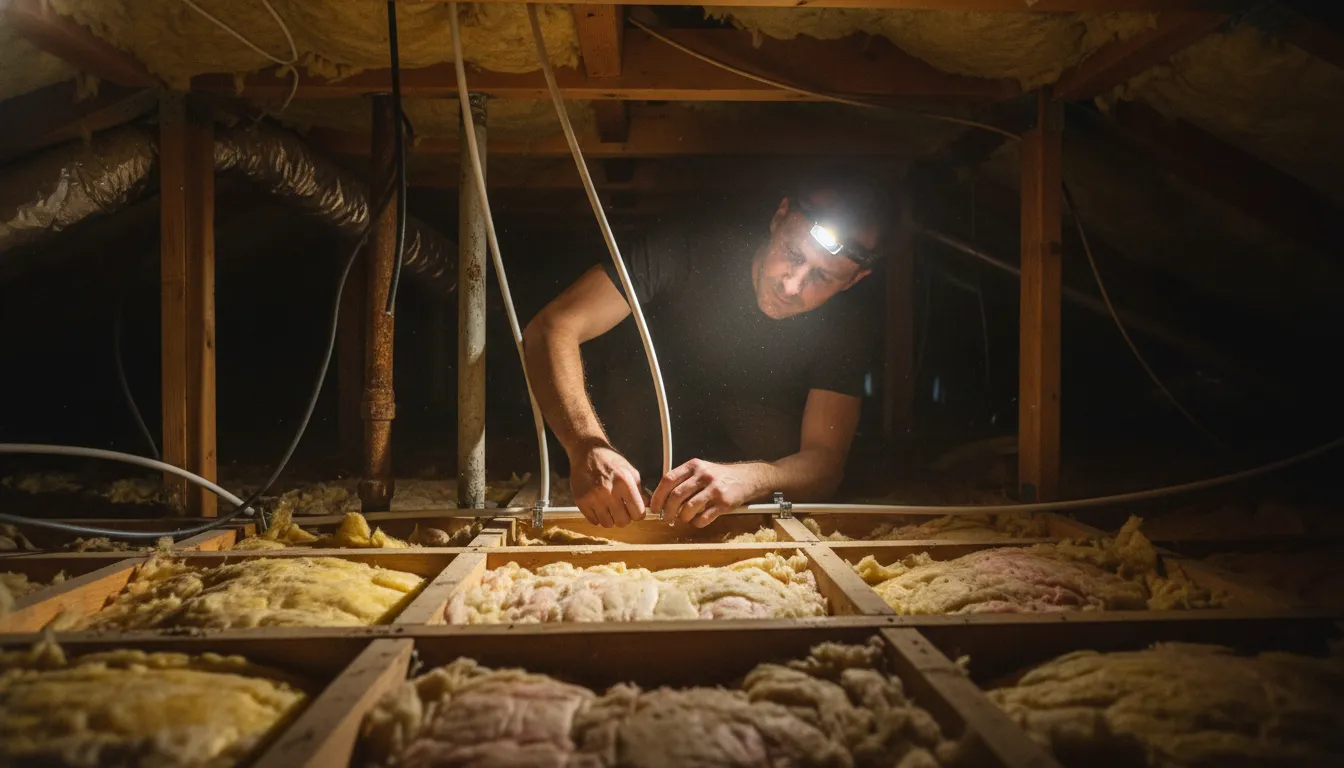
If your home in Castle Rock is showing signs of aging pipes-like persistent leaks, low water pressure, or discolored water-it might be time to consider a whole-house repipe. This major plumbing project involves replacing all the water supply lines in your home with new, durable materials like PEX or copper, ensuring clean water and reliable pressure for years to come. For homeowners, navigating this process means understanding the scope, materials, and local professionals who can execute the job correctly. This guide will help you understand what repiping entails, what to expect for your Castle Rock home, and how to find qualified specialists for your pipe replacement project.
High 5 Plumbing, Heating, Cooling & Electric
15710 W Colfax Ave, Golden, CO 80401
High 5 Plumbing, Heating, Cooling & Electric is a full-service plumbing company serving Denver, CO. They provide a wide range of plumbing services including water heater installation and repair, drain cleaning, sewer line repair, leak detection, and gas line installation. The company uses advanced video technology for sewer camera inspections and offers trenchless sewer repair to minimize excavation. They also specialize in hydro jetting to clear blocked drains efficiently. High 5 Plumbing is licensed for gas plumbing and installs energy-efficient tankless water heaters. The company has received recognition such as the Angi Super Service Award and a BBB Torch Award for Ethics. They provide 24/7 emergency response for urgent plumbing needs.

Mr. Perfect Plumbing
Denver, CO
Mr. Perfect Plumbing is a locally owned plumbing company serving the Denver, CO area. They offer a wide range of services including water heater repair and installation, sump pump repair, drain cleaning, sewer line repair, leak detection, repiping, gas line installation, and toilet repair. The team is licensed and trained to handle various plumbing needs with a focus on honest and compassionate service. They provide 24/7 emergency plumbing services and same-day appointments to address urgent issues promptly. With over 20 years of industry experience, Mr. Perfect Plumbing emphasizes a customer-first approach and supports their community through skilled and reliable plumbing solutions.
Bravo Plumbing Littleton
7917 W Peakview Dr, Littleton, CO 80123
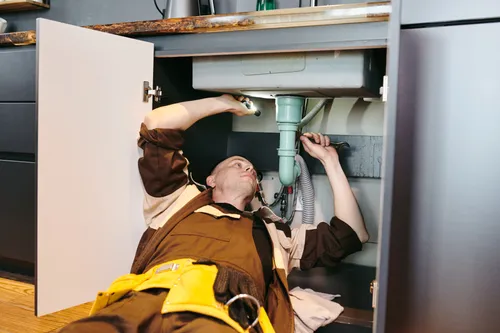
Bravo Plumbing Littleton offers a wide range of plumbing services in Denver, CO, including water heater repair and installation, drain cleaning, leak detection, repiping, gas line installation, and toilet repair. They provide professional plumbing inspections, water filtration system installation, and emergency plumbing services available 24/7. Their licensed and experienced technicians use industry-best practices to deliver precise repairs and installations, with a focus on long-term system performance and maintenance support. Bravo Plumbing Littleton also specializes in gas line services and offers preventative maintenance to help avoid costly repairs.
Clean Cut Plumbing
4196 S Pagosa Ct, Aurora, CO 80013
Clean Cut Plumbing offers residential and commercial plumbing services in Aurora, CO. Their expertise includes water heater installation and repair, drain cleaning, sewer line maintenance, and fixture upgrades. They use advanced equipment such as sewer camera inspections and trailer-mounted hydro jetting to diagnose and clear blockages efficiently. Founded by Master Plumber Vern Eavenson, who has over 15 years of experience, the company emphasizes transparent pricing and skilled workmanship. Clean Cut Plumbing operates daily from early morning until late evening to accommodate customer needs.
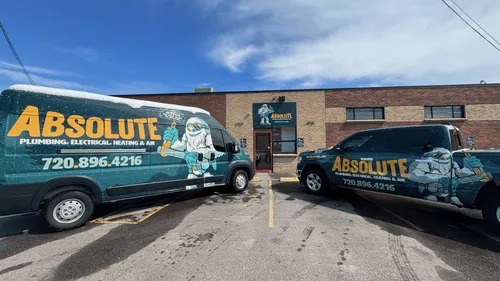
Absolute Plumbing, Electrical, Heating & Air
5590 Havana St Unit A, Denver, CO 80239
Absolute Plumbing, Electrical, Heating & Air provides a wide range of plumbing, electrical, heating, and air conditioning services in Denver, CO. Their plumbing services include sewer camera inspections, water heater repair and installation, water softener installation, sump pump repair, drain cleaning, hydro jetting, sewer line repair, leak detection, repiping, gas line installation, toilet repair, and garbage disposal repair. The company has over a decade of experience serving the Denver Metro area and offers fully stocked trucks and certified, insured technicians to handle most jobs efficiently. They emphasize honest, upfront pricing and satisfaction guaranteed.
Why Consider a Whole-House Pipe Replacement?
The plumbing system is the circulatory system of your home. Over decades, pipes made from galvanized steel or even older materials can corrode from the inside out. This corrosion leads to a host of problems: rust flakes can discolor your water, mineral buildup severely restricts water flow, and weakened walls can lead to pinhole leaks or catastrophic failures. In Castle Rock's climate and with the age of many homes in the area, proactive pipe replacement is often a smarter investment than constant reactive repairs. A full re-piping project eliminates these worries by installing a modern, efficient, and code-compliant system that improves your home's safety, water quality, and property value.
The Step-by-Step Repiping Process
A professional whole-house repipe is a systematic project, not a chaotic demolition. Understanding the stages can help you prepare and set realistic expectations.
1. Inspection and Planning
The process begins with a thorough assessment. A licensed plumber will inspect your current plumbing, identify the existing pipe materials (often galvanized, copper, or polybutylene), and evaluate the extent of corrosion or damage. They will then plan the new pipe layout, select the appropriate replacement materials (PEX or copper), and handle pulling any necessary permits from the Town of Castle Rock. This planning phase is crucial for a smooth installation.
2. Preparation
Before work starts, the plumber will shut off your home's main water supply and drain the entire system. You'll need to clear out cabinets under sinks, move furniture away from walls where pipes run, and remove valuable items from the work areas. Good preparation by the homeowner minimizes delays and protects your belongings.
3. Removal of Old Pipes
The old water supply lines are carefully disconnected and removed. This can be the messiest part, as it often involves cutting access holes in drywall to reach pipes inside walls and ceilings. Professionals work to minimize damage and contain debris.
4. Installation of New Piping
This is the core of the project. The new network of pipes-for both hot and cold water-is installed. The plumber will run new lines from the main shut-off to every fixture in your home: sinks, toilets, showers, washing machine, water heater, etc. The installation method differs significantly between PEX and copper, which impacts labor time and cost 1.
5. Testing and Inspection
Once the new pipes are in place, the system is pressurized with air or water to test for leaks. After the plumber confirms the system is sealed, a final inspection by the local building department is often required to ensure the work meets all current plumbing codes 2.
6. Finishing and Cleanup
After passing inspection, the plumber will restore your home. This includes patching drywall, replastering, and painting walls where access holes were made. A reputable company will leave your home clean, with all fixtures reinstalled and functioning 3 4.
Choosing Your Pipe Material: PEX vs. Copper
The two primary materials for modern repiping projects are PEX (cross-linked polyethylene) and copper. Each has distinct advantages that may suit different homes and budgets in Castle Rock.
PEX (Cross-linked Polyethylene): This flexible, plastic tubing has become the go-to choice for many repiping projects. Its flexibility allows it to be snaked through walls with far fewer fittings and joints than rigid pipe, which reduces potential leak points and labor time. PEX is highly resistant to scale and corrosion, doesn't conduct electricity, and can expand slightly if water freezes, reducing burst risk. For most homeowners, PEX offers a budget-friendly and highly reliable solution.
Copper: The traditional, time-tested material. Copper pipes are extremely durable, can last 50+ years, and are resistant to bacteria. They are often preferred for their rigidity and performance with hot water. However, copper is significantly more expensive than PEX, both in material cost and due to the more labor-intensive soldering ("sweating") required for installation.
Find the perfect repiping contractors for your needs
Get personalized recommendations and expert advice
What Determines the Cost of Repiping in Castle Rock?
The cost for a full home repipe in Castle Rock is not a flat fee; it varies based on several key factors. On average, homeowners can expect a range of roughly $4,000 to $10,000 or more, with many projects averaging around $7,000+ 5 6.
- Home Size and Layout: The single biggest cost driver is the square footage of your home and the number of stories. A larger, multi-story home requires more linear feet of pipe and more labor to run it through complex walls and ceilings 7.
- Number of Fixtures: Each sink, toilet, shower, dishwasher, and washing machine is a "fixture count." More fixtures mean more branch lines and termination points, increasing the project's complexity and cost.
- Pipe Material Choice: As discussed, choosing PEX will generally result in a lower overall project cost compared to copper, due to cheaper materials and faster installation 8 9.
- Labor and Accessibility: If pipes are easily accessible in an unfinished basement or crawlspace, costs are lower. If walls and ceilings are finished and require careful cutting and patching, labor time and restoration costs increase 10 11.
- Permits and Inspections: Local permit fees in Douglas County are part of the project cost, as is the time for the required final inspection 12.
Timeline: How Long Does a Repipe Take?
You should plan for some household disruption. For a typical 1,500 to 2,500 square foot home in Castle Rock, a professional repiping job often takes 3 to 7 days or more. The timeline depends on your home's size, the crew's size, the material used (PEX installations are typically faster), and the complexity of the restoration work. Your plumbing professional should provide a clear schedule so you can plan accordingly, which may include arranging for alternative water access or short-term accommodations if needed.
Signs You May Need a Repipe
How do you know if your home is a candidate for this major project? Look for these common indicators:
- Discolored Water: Brown, yellow, or reddish water, especially when first turning on the tap, is a classic sign of rusting galvanized pipes.
- Low Water Pressure: Gradual buildup of corrosion and minerals inside old pipes severely restricts flow.
- Frequent Leaks: If you're constantly patching pinhole leaks in different areas, the entire system is likely failing.
- Visible Corrosion: Check pipes in your basement, crawlspace, or under sinks. Flaking, rust, or green patina on copper joints are bad signs.
- Outdated Materials: If your home was built before the 1970s and still has its original galvanized steel pipes, or if it contains polybutylene (a gray plastic pipe used in the 80s-90s known to fail), planning a repipe is a proactive move 13.
Frequently asked questions
Sources
Footnotes
-
Comprehensive Guide to Whole House Repiping: Discover When, Why, and How - Absolute Airflow - https://www.absoluteairflow.com/comprehensive-guide-to-whole-house-repiping/ ↩
-
Whole-House Repiping: Step-by-Step Guide - https://www.veteranplumbing.us/whole-house-repiping-step-by-step-guide/ ↩
-
Castle Rock Repiping - Smith Plumbing - https://www.smithpinktrucks.com/castle-rock-repiping/ ↩
-
What the Residential Repiping Process Involves - https://www.trmillerheatingandcooling.com/what-the-residential-repiping-process-involves/ ↩
-
What's the Cost of Whole-Home Repiping in Colorado? - https://www.coopergreenteam.com/blog/cost-whole-home-repiping-colorado ↩
-
Greeley Repiping | Repipe Specialists Greeley - https://lionhomeservice.com/greeley-repiping/ ↩
-
How Much to Repipe a House: A Comprehensive Cost Guide - https://www.benjaminfranklinplumbing.com/league-city/blog/2024/december/how-much-to-repipe-a-house-a-comprehensive-cost-guide/ ↩
-
House Repiping Cost 2022: How Much To Repipe Your Home? - https://www.superbrothers.com/house-repiping-cost-2022-how-much-to-repipe-your-home/ ↩
-
Copper Pipes vs. PEX Pipes for Your Home - https://www.aeheatingandcooling.com/blog/copper-pex-comparison ↩
-
What Is Involved With Repiping A House? - HELP Plumbing - https://333help.com/blog/what-is-involved-with-repiping-a-house/ ↩
-
What to Expect During a Whole House Repipe: Cost, Timeline ... - https://go4apes.com/what-to-expect-during-a-whole-house-repipe-cost-timeline-and-installation-process/ ↩
-
What Is Involved in Repiping a House? - https://gotoapollo.com/2024/03/06/what-is-involved-in-repiping-a-house/ ↩
-
What Does Whole House Repiping Entail? | Golden Rule - https://goldenrulephc.com/blog/what-does-whole-house-repiping-entail/ ↩