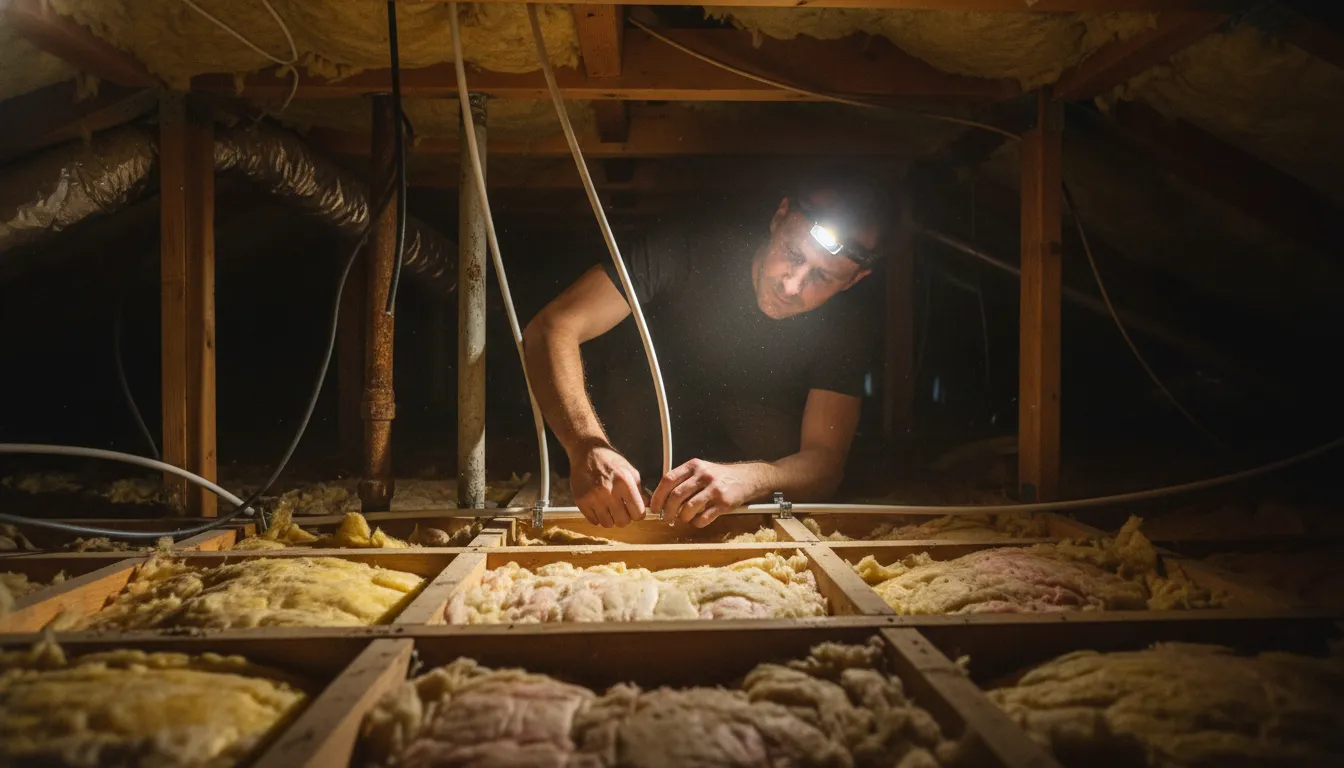
Find the Best Repiping Contractors for Your Business
No obligation • Fast responses • Nationwide coverage

Why you can trust Search a Plumber
Search a Plumber is a leading United States resource for finding and evaluating professional plumbing services. Our team researches licensing, experience, and customer feedback to create unbiased, fact-driven overviews. Companies cannot pay to change ratings or placement, ensuring homeowners get trustworthy information.
Search providers near you
Top Repiping Contractors in Boulder, Colorado Ranked
A whole-house repiping project is a significant investment in your home's long-term health and safety. It involves replacing all the old water supply and drain lines running through your walls and ceilings with new, modern piping. In Boulder, where homes can range from historic properties to modern builds, outdated plumbing materials like galvanized steel or lead can pose risks of leaks, corrosion, and water quality issues. This guide explains the process, materials, timelines, and costs specific to the Boulder area, helping you understand what a full plumbing replacement entails and how to find qualified local professionals for the job.
High 5 Plumbing, Heating, Cooling & Electric
15710 W Colfax Ave, Golden, CO 80401
High 5 Plumbing, Heating, Cooling & Electric is a full-service plumbing company serving Denver, CO. They provide a wide range of plumbing services including water heater installation and repair, drain cleaning, sewer line repair, leak detection, and gas line installation. The company uses advanced video technology for sewer camera inspections and offers trenchless sewer repair to minimize excavation. They also specialize in hydro jetting to clear blocked drains efficiently. High 5 Plumbing is licensed for gas plumbing and installs energy-efficient tankless water heaters. The company has received recognition such as the Angi Super Service Award and a BBB Torch Award for Ethics. They provide 24/7 emergency response for urgent plumbing needs.
Big Apple Plumbing LLC - Broomfield, CO
1022 Depot Hill Rd Unit 10, Broomfield, CO 80020
Big Apple Plumbing LLC - Broomfield, CO provides a wide range of plumbing services in Denver, CO, including drain cleaning, sewer line repair, water heater installation and repair (tank and tankless), leak detection, gas line installation, sump pump repair, and repiping. The company serves both residential and commercial clients, handling routine maintenance, emergency repairs, and new installations with licensed plumbers. They specialize in sewer line services and offer 24/7 emergency plumbing solutions to address urgent issues like burst pipes and leaks. Big Apple Plumbing is locally owned and operated, with a focus on safety and code compliance. Their team is experienced in gas line installations and water heater replacements, ensuring efficient and reliable service. The company is known for upfront pricing, timely arrivals, and clear communication, serving Broomfield and surrounding areas including Anthem, The Broadlands, and Interlocken/FlatIron Crossing.
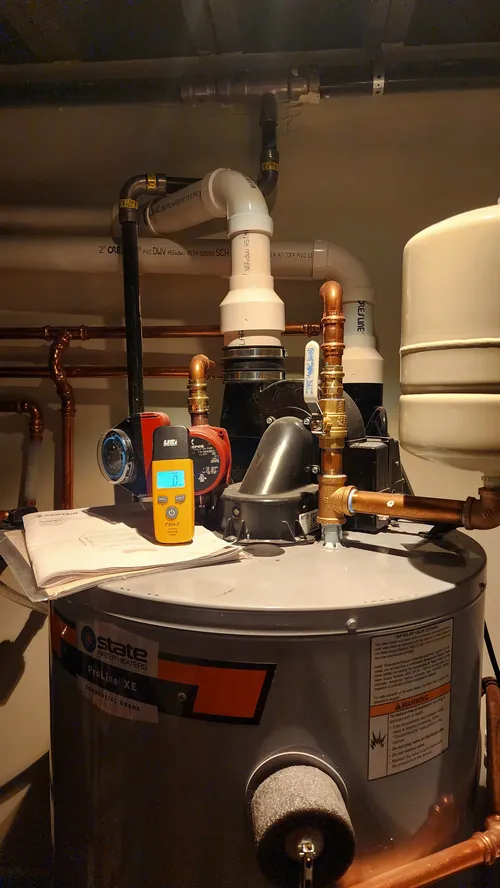
Midwest Plumbing Co. LLC
8360 Auburn Ln, Westminster, CO 80031
Midwest Plumbing Co. LLC is a plumbing service provider based in Denver, CO, offering a wide range of plumbing solutions. Their services include water heater repair and installation, sump pump repair, sewer line repair with trenchless technology, leak detection, repiping, gas line installation, toilet and garbage disposal repair, and more. The company uses advanced equipment and techniques to address both simple and complex plumbing issues, aiming to provide long-term solutions. They serve residential customers and emphasize careful, tailored service for each home. Midwest Plumbing Co. LLC offers 24/7 emergency plumbing services to assist customers whenever needed.

Mr. Perfect Plumbing
Denver, CO
Mr. Perfect Plumbing is a locally owned plumbing company serving the Denver, CO area. They offer a wide range of services including water heater repair and installation, sump pump repair, drain cleaning, sewer line repair, leak detection, repiping, gas line installation, and toilet repair. The team is licensed and trained to handle various plumbing needs with a focus on honest and compassionate service. They provide 24/7 emergency plumbing services and same-day appointments to address urgent issues promptly. With over 20 years of industry experience, Mr. Perfect Plumbing emphasizes a customer-first approach and supports their community through skilled and reliable plumbing solutions.
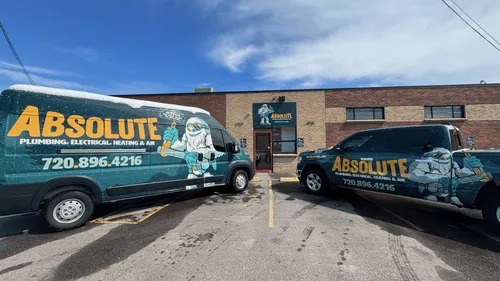
Absolute Plumbing, Electrical, Heating & Air
5590 Havana St Unit A, Denver, CO 80239
Absolute Plumbing, Electrical, Heating & Air provides a wide range of plumbing, electrical, heating, and air conditioning services in Denver, CO. Their plumbing services include sewer camera inspections, water heater repair and installation, water softener installation, sump pump repair, drain cleaning, hydro jetting, sewer line repair, leak detection, repiping, gas line installation, toilet repair, and garbage disposal repair. The company has over a decade of experience serving the Denver Metro area and offers fully stocked trucks and certified, insured technicians to handle most jobs efficiently. They emphasize honest, upfront pricing and satisfaction guaranteed.
Why Consider a Full Plumbing Replacement in Boulder?
Many Boulder homes, especially those built before the 1970s, may still contain original plumbing pipes that are nearing the end of their functional lifespan. Galvanized steel pipes, common in mid-century construction, are prone to internal rust and corrosion, which severely restricts water flow and pressure over time. In even older homes, there is a possibility of lead service lines or fittings, which pose a health risk. Beyond material failure, frequent pinhole leaks, discolored water, and a persistent musty smell can all be signs that your home's piping system is failing. A complete repipe addresses these issues at their source, ensuring clean, reliable water delivery and protecting your home from catastrophic water damage.
The Repiping Process: A Step-by-Step Overview
A professional whole-house repiping job is a multi-stage process designed for minimal disruption and maximum code compliance.
- Inspection and Planning: A licensed plumber will conduct a thorough assessment of your existing system. This involves identifying the pipe materials, mapping the current layout, locating the main water shutoff, and diagnosing problem areas. This planning stage is crucial for creating an efficient installation blueprint and an accurate estimate.
- Permitting: In Boulder, a plumbing permit from the local building department is typically required for a repiping project. Your plumbing contractor will usually handle pulling this permit, ensuring the planned work meets all current plumbing codes and standards 1.
- Water Shutdown and Access: Once work begins, the main water supply to the house will be shut off. Strategic access points are then created in drywall or ceilings to reach the old pipe network. Experienced plumbers aim to minimize the number and size of these access holes.
- Removal and Installation: The old pipes are carefully removed. The new piping system-using PEX, copper, or CPVC-is installed according to the pre-planned layout. This stage is the core of the project and requires significant skill to ensure proper routing, support, and connections 2.
- Pressure Testing and Inspection: Before closing up walls, the new system is pressurized with air or water to test for any leaks. After the plumber confirms the system is sound, a city inspector will typically visit to approve the work against the issued permit 3.
- Finishing: Finally, the access holes are patched with drywall, textured, and painted. Fixtures are reinstalled, the water is turned back on, and the work area is cleaned up 4.
Choosing the Right Pipe Material for Your Boulder Home
The choice of material impacts the project's cost, longevity, and performance. Here are the most common options used in Boulder repiping projects:
- PEX (Cross-Linked Polyethylene): This flexible, plastic tubing has become the most popular choice for repiping. Its flexibility allows it to be snaked through walls with fewer fittings and joints (potential leak points), significantly reducing installation time and labor cost. PEX is resistant to scale and corrosion, performs well in freezing conditions, and is generally the most cost-effective option 5.
- Copper: The long-standing standard for durability and longevity. Copper pipes have a proven lifespan of 50+ years, resist bacterial growth, and can handle high heat and pressure. The primary drawbacks are higher material cost and more labor-intensive installation, which requires soldering each joint. It remains a premium choice for homeowners prioritizing long-term value 6 7.
- CPVC (Chlorinated Polyvinyl Chloride): A rigid plastic pipe that is glued together at fittings. CPVC is less expensive than copper and is suitable for both hot and cold water lines. However, it can become brittle over time, especially if exposed to direct sunlight during storage, and is generally considered less durable long-term than copper or PEX.
Find the perfect repiping contractors for your needs
Get personalized recommendations and expert advice
What to Expect: Timeline and Living Arrangements
A whole-house repiping is not an overnight project. For an average-sized Boulder home (1,500-2,500 square feet), you should plan for the active plumbing work to take 2 to 5 days8 9. Larger, more complex homes with multiple bathrooms or intricate layouts can take a week or more.
Water service will be interrupted during the installation of the new supply lines. Your plumber should provide a clear schedule for when water will be off and for how long. Many families choose to stay in the home during the project, but it requires patience. You'll need to plan for alternative water sources (like filling jugs) and be prepared for noise, dust, and workers in your space. For minimal disruption, some homeowners schedule the work while on vacation or arrange to stay elsewhere.
Understanding Repiping Costs in Boulder
The total investment for a repiping project in Boulder varies widely based on several key factors. A general cost range is $3,000 to $10,000 or more, with many projects for typical homes averaging around $7,00010 11 12.
- Material Choice: This is the single biggest cost driver. A PEX repipe is often significantly less expensive than copper due to lower material costs and faster installation. For example, repiping a 1,500 sq ft home with PEX might cost between $4,000 and $6,000, while the same home with copper could range from $8,000 to $10,000 13 14.
- Home Size and Layout: The number of bathrooms, kitchens, and wet bars directly correlates to the amount of pipe and labor required. Multi-story homes and those with difficult-to-access plumbing chases add complexity and time.
- Labor and Permits: Local Boulder labor rates affect the price. The cost for required city permits and inspections is also a factor included in most quotes 15.
- Wall Repair: While some quotes may include basic drywall patching, painting and full finish restoration are often handled separately, either by the plumbing company or a contractor you hire.
It's essential to get detailed, written estimates from multiple licensed plumbers that break down material costs, labor, permit fees, and the scope of finish work.
Signs You May Need a Plumbing System Replacement
How do you know if your home needs a partial fix or a full replacement? Watch for these indicators:
- Discolored Water: Brown or rusty water, especially after periods of non-use, points to corroding pipes.
- Low Water Pressure: A gradual decline in pressure at multiple fixtures often means mineral buildup or corrosion is restricting flow inside the pipes.
- Frequent Leaks: If you're constantly patching pinhole leaks in different areas, the entire system is likely failing.
- Visible Corrosion: Check pipes in your basement, crawl space, or under sinks. Flaking, rust, or green patina on copper are bad signs.
- Outdated Materials: If you have galvanized steel or lead pipes, proactive replacement is a wise decision for health and reliability.
Frequently asked questions
Sources
Footnotes
-
Whole-House Repiping: Step-by-Step Guide - https://www.veteranplumbing.us/whole-house-repiping-step-by-step-guide/ ↩
-
What Is Involved in Repiping a House? - Apollo HVAC & Plumbing - https://gotoapollo.com/2024/03/06/what-is-involved-in-repiping-a-house/ ↩
-
How Much to Repipe a House? - Reliant Plumbing - https://reliantplumbing.com/plumbing/pipe-repairs/whole-house-repipe-cost/ ↩
-
What the Residential Repiping Process Involves - https://www.trmillerheatingandcooling.com/what-the-residential-repiping-process-involves/ ↩
-
Types of Plumbing Pipes | Learn What the Top 5 Are in This Post - https://www.neit.edu/blog/the-5-types-of-plumbing-pipes ↩
-
Comprehensive Guide to Whole House Repiping: Discover When, Why, and How - Absolute Airflow - https://www.absoluteairflow.com/comprehensive-guide-to-whole-house-repiping/ ↩
-
What to Expect During a Whole House Repipe: Cost, Timeline ... - https://go4apes.com/what-to-expect-during-a-whole-house-repipe-cost-timeline-and-installation-process/ ↩
-
What Is Involved With Repiping A House? - HELP Plumbing - https://333help.com/blog/what-is-involved-with-repiping-a-house/ ↩
-
How Long Does It Take To Repipe Your House? - https://www.allaffordable.org/how-long-does-it-take-to-repipe-your-house/ ↩
-
What's the Cost of Whole-Home Repiping in Colorado? - https://www.coopergreenteam.com/blog/cost-whole-home-repiping-colorado ↩
-
Replacing Old Pipes: 2026 Costs, Options, and What to Expect - https://modernize.com/plumbing/systems/water-supply/replacing-old-pipes ↩
-
How Much Does It Cost to Repipe a House? - https://therepipecompany.com/faqs/how-much-does-it-cost-to-repipe-my-home/ ↩
-
House Repiping Cost Breakdown - Vaquero Plumbing - https://vaqueroplumbing.com/house-repiping-cost-breakdown/ ↩
-
Repipe House Cost 2023: Average Expenses & Factors - https://www.superbrothers.com/repipe-house-cost-2023-average-expenses-factors/ ↩
-
How Much to Repipe a House: A Comprehensive Cost Guide - https://www.benjaminfranklinplumbing.com/league-city/blog/2024/december/how-much-to-repipe-a-house-a-comprehensive-cost-guide/ ↩