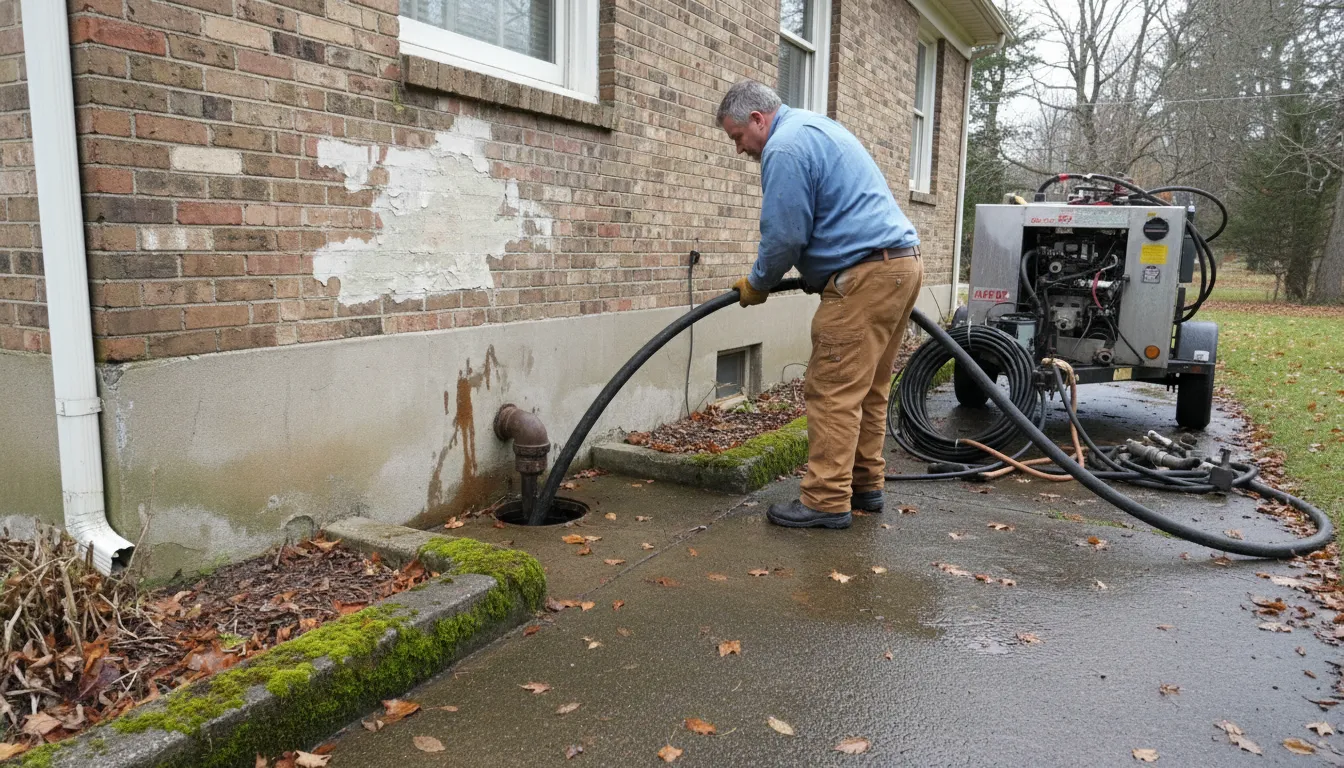
Find the Best Hydro Jetting Service Companies for Your Business
No obligation • Fast responses • Nationwide coverage

Why you can trust Search a Plumber
Search a Plumber is a leading United States resource for finding and evaluating professional plumbing services. Our team researches licensing, experience, and customer feedback to create unbiased, fact-driven overviews. Companies cannot pay to change ratings or placement, ensuring homeowners get trustworthy information.
Search providers near you
Top Hydro Jetting Service Companies in Kansas City, Missouri Ranked
Hydro jetting is a powerful, non-invasive plumbing solution that uses ultra-high-pressure water to clear the toughest drain and sewer line blockages. For Kansas City homeowners and businesses dealing with persistent slow drains, recurring backups, or invasive tree roots, this advanced drain cleaning method offers a thorough, long-lasting fix. This guide explains how high-pressure water jetting works, what problems it solves, and how to find qualified local professionals to restore your plumbing system's full flow.
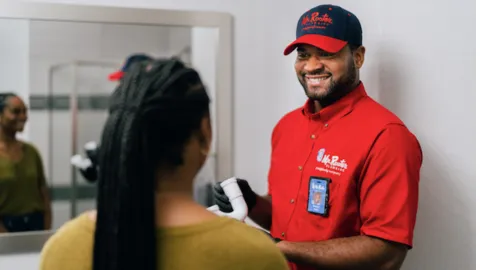
Mr. Rooter Plumbing of Johnson County
13480 S Arapaho Dr, Olathe, KS 66062
Mr. Rooter Plumbing of Johnson County provides a range of plumbing services in Kansas City, MO, including water heater repair and installation, sump pump repair, and sewer line repair. They use advanced technology such as hydro jetting, trenchless sewer repair, and video camera inspections to address plumbing issues with minimal disruption. The company serves both residential and commercial customers across multiple nearby communities. Their plumbers are licensed, insured, and background-checked to ensure qualified service. Mr. Rooter Plumbing offers in-home estimates and flexible scheduling to accommodate customer needs.
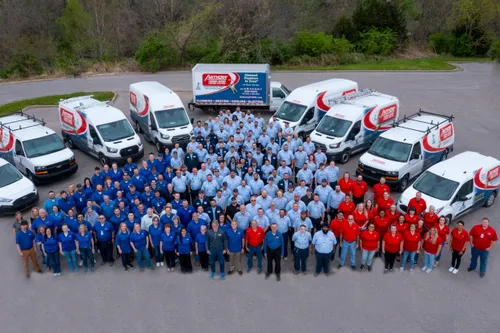
Anthony Plumbing, Heating, Cooling & Electric
15203 W 99th St, Lenexa, KS 66219
Anthony Plumbing, Heating, Cooling & Electric has been serving the Kansas City, MO area for over 70 years. The company offers a wide range of plumbing services including sewer camera inspections, tankless water heater installation and repair, water softener installation, sump pump repair, drain cleaning, hydro jetting, trenchless sewer repair, and toilet and garbage disposal repairs. Their experienced plumbers provide detailed problem investigations and multiple solution options tailored to long-term needs and budgets. Anthony Plumbing also offers 24/7 emergency support, ensuring assistance is available whenever needed.
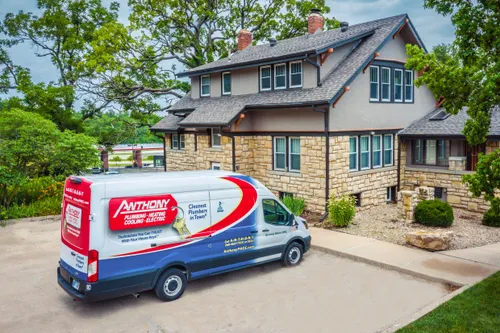
Anthony Plumbing, Heating, Cooling & Electric
17331 East 40th Terrace S Units 111-112, Independence, MO 64055
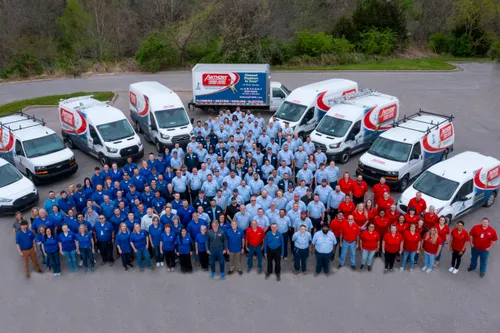
Anthony Plumbing, Heating, Cooling & Electric has been serving Kansas City, MO, and the surrounding metro area for over 70 years. They provide a wide range of plumbing services including sewer camera inspections, tankless water heater installation, sump pump repair, drain cleaning, hydro jetting, and trenchless sewer repair. Their experienced plumbers offer thorough problem investigations and multiple solutions tailored to long-term needs and budgets. The company also offers 24/7 emergency support, ensuring help is available whenever needed.
Anthony Plumbing, Heating, Cooling & Electric
7667 NW Prairie View Rd # 200, Kansas City, MO 64151
Anthony Plumbing, Heating, Cooling & Electric provides a wide range of plumbing, heating, cooling, and electrical services in Kansas City, MO. With over 70 years of experience, they offer services including tankless water heater installation, sewer line repair, hydro jetting, sump pump repair, and leak detection. Their plumbers average more than 15 years of professional experience and provide solutions tailored to long-term needs and budgets. The company offers 24/7 emergency support and is known for its trusted technicians who undergo thorough background checks and training.
Roto-Rooter Plumbing & Water Cleanup
4600 Kansas Ave Ste A, Kansas City, KS 66106
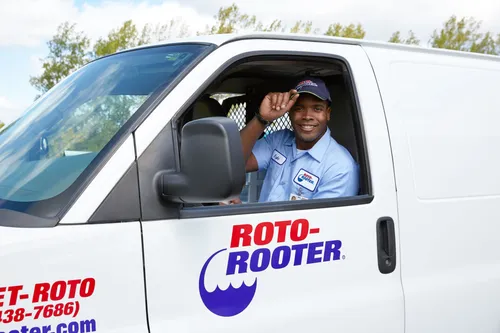
Roto-Rooter Plumbing & Water Cleanup provides a wide range of plumbing services in Kansas City, MO, including water heater repair and installation, sump pump repair, drain cleaning, sewer line repair, leak detection, repiping, gas line installation, toilet repair, and garbage disposal repair. They serve both residential and commercial clients, addressing plumbing challenges in historic and modern buildings alike. The company offers specialized services such as hydro jetting and floodwater cleanup, and they have experience with complex commercial plumbing systems. Roto-Rooter has a long history dating back to the invention of the original motorized drain snake in 1935 and offers 24/7 emergency plumbing services to handle urgent issues at any time.
What is Hydro Jetting and How Does It Work?
Hydro jetting, also known as water jetting or high-pressure drain cleaning, is a process that blasts away clogs and buildup inside pipes using a specialized pump that delivers water at pressures ranging from 1,500 to 4,000 PSI. Unlike traditional snaking, which merely pokes a hole through a blockage, this method scours the entire interior circumference of the pipe, removing grease, scale, roots, and debris to leave the walls clean and smooth. The procedure is highly effective for main sewer lines, large-diameter pipes, and severe commercial blockages.
The process typically follows a systematic approach to ensure safety and effectiveness:
- Camera Inspection: A technician first conducts a video camera inspection to locate the exact source and nature of the clog and to assess the pipe's condition for any cracks or damage that high pressure could worsen.
- Setup & Insertion: The area is protected with floor covers. A flexible, high-pressure hose fitted with a multi-directional nozzle is carefully fed into the cleanout or drain opening 1.
- The Jetting Process: The pump is activated, and the nozzle propels itself through the pipe using the force of the rear-facing jets. The forward and angled jets simultaneously blast the blockage apart and scrub the pipe walls clean.
- Final Verification & Cleanup: A post-service camera inspection confirms the line is completely clear and flowing freely. The technician then thoroughly cleans the work area.
Common Problems Solved by High-Pressure Water Jetting in KC
Kansas City's diverse infrastructure and climate create specific plumbing challenges that are ideal for hydro jetting services. This method is particularly effective against stubborn, compounded blockages that standard tools can't handle.
- Grease, Fat, and Soap Scum: In kitchen lines and restaurant grease traps, these substances harden into a concrete-like mass that snakes cannot remove completely.
- Invasive Tree Roots: A common issue in older KC neighborhoods, roots can infiltrate sewer line joints, creating a dense, fibrous net that traps waste. Hydro jetting cuts through roots and flushes them out.
- Mineral Deposits and Scale: Hard water in the region can leave behind hardened calcium and mineral buildup on pipe walls, gradually restricting flow.
- Accumulated Sludge and Debris: Over years, a combination of hair, organic waste, sand, and other materials can create a thick, packed layer that causes chronic slow drains 2.
Key Benefits of Choosing Hydro Jetting for Drain Cleaning
Opting for professional hydro jetting service provides advantages that go beyond simply removing a current clog.
- Complete Clog Removal: Instead of just creating a small passage, high-pressure water jetting eradicates the entire blockage and flushes it out of the system, providing a more definitive solution.
- Preventative Pipe Cleaning: By scrubbing the pipe walls clean of all clinging residue, it restores the pipe to near-original capacity and prevents new debris from sticking as quickly, extending the time between needed cleanings.
- Restored Full Flow: Eliminating the obstruction and the rough interior buildup allows wastewater to flow freely, resolving slow drains and preventing backups and potential overflows.
- Environmentally Friendly: The process uses only water, with no harsh chemicals, making it a safe choice for your pipes, your property, and the local environment 3.
Find the perfect hydro jetting service companies for your needs
Get personalized recommendations and expert advice
Understanding Hydro Jetting Service Costs in Kansas City
Pricing for sewer jetting in Kansas City is typically job-based and depends on the severity of the clog, the location and length of the pipe, and the time required. Many local companies bundle the essential camera inspection with the jetting service for a complete diagnosis and verification.
- Diagnostic Camera Inspection: Often the first step, this can range from approximately $275 to $400 if performed separately, but is frequently included in the total service price.
- Hydro Jetting Service: For a standard residential sewer line, prices often start in the $400 to $700 range. More severe or complex jobs, such as deep main line blockages or extensive root infiltration, can cost $1,000 or more4.
- Additional Related Services: Some issues identified during inspection may require separate solutions. For example, cutting and removing large root masses may add $100 to $600, while commercial grease trap cleaning is priced separately5 6 7.
- Maintenance Plans: To manage costs long-term, many Kansas City providers offer preventative maintenance plans that schedule regular hydro jetting or inspections, which can help avoid emergency pricing and major repairs.
Finding Professional Hydro Jetting Services in Kansas City
When seeking a high-pressure drain cleaning service, it's important to choose an experienced, licensed, and insured professional. Look for companies that emphasize a camera inspection first, use modern, powerful equipment, and provide clear, upfront pricing. Several established providers in the Kansas City metro area specialize in this advanced technique, including Sewer Surgeon, A.B. May, Morgan Miller Plumbing, C.M. Mose & Son, Zoom Drain, Polestar Plumbing, Heating & Air Conditioning, and The Sewer Doctors 8 9 10 11. A qualified technician will assess your specific situation, recommend the appropriate solution, and explain the process thoroughly before beginning work.
Frequently asked questions
Sources
Footnotes
-
Hydro Jetting Kansas City, MO | High-Press Drain & Sewer ... - https://prodraincleaningkansascity.com/hydro-jetting/ ↩
-
24/7 Sewer Line Repair In Kansas City | Schedule Now - https://abmay.com/plumbing/sewer-issues/kansas-city-sewer-line-clearing/ ↩
-
Hydro Jetting Pipe Cleaning by Kansas NuDrain - https://www.smithplumbingks.com/sewer-drain/hydro-jetting-pipe-cleaning.html ↩
-
Drain Hydro Jetting Services In Kansas City - A.B. May - https://abmay.com/plumbing/hydro-jetting/ ↩
-
Drain & Sewer Services Kansas City, KS | 24/7 Drain Cleaning - https://www.zoomdrain.com/kansas-city/about-us/areas-we-serve/kansas-city/ ↩
-
Hydro Jetting Kansas City MO - Sewer Surgeon - https://www.sewersurgeonllc.com/hydro-jetting-kansas-city-mo ↩
-
Kansas City Drain & Sewer Cleaning - https://www.zoomdrain.com/kansas-city/ ↩
-
Professional Hydro Jetting In Kansas City | Schedule Today - https://polestarcomfort.com/plumbing/drain-cleaning/hydro-jetting/ ↩
-
Hydro Jetting - Morgan Miller Plumbing - https://www.morganmillerplumbing.com/hydro-jetting-residential/ ↩
-
Drain Cleaning in Kansas City - C.M. Mose & Son - https://www.cmmoseandson.com/plumbing/drain-cleaning/ ↩
-
Drain Cleaning Kansas City, MO - Drain Line Opening - Hydro Jet & Auger - https://www.thesewerdoctors.com/drain-cleaning/ ↩