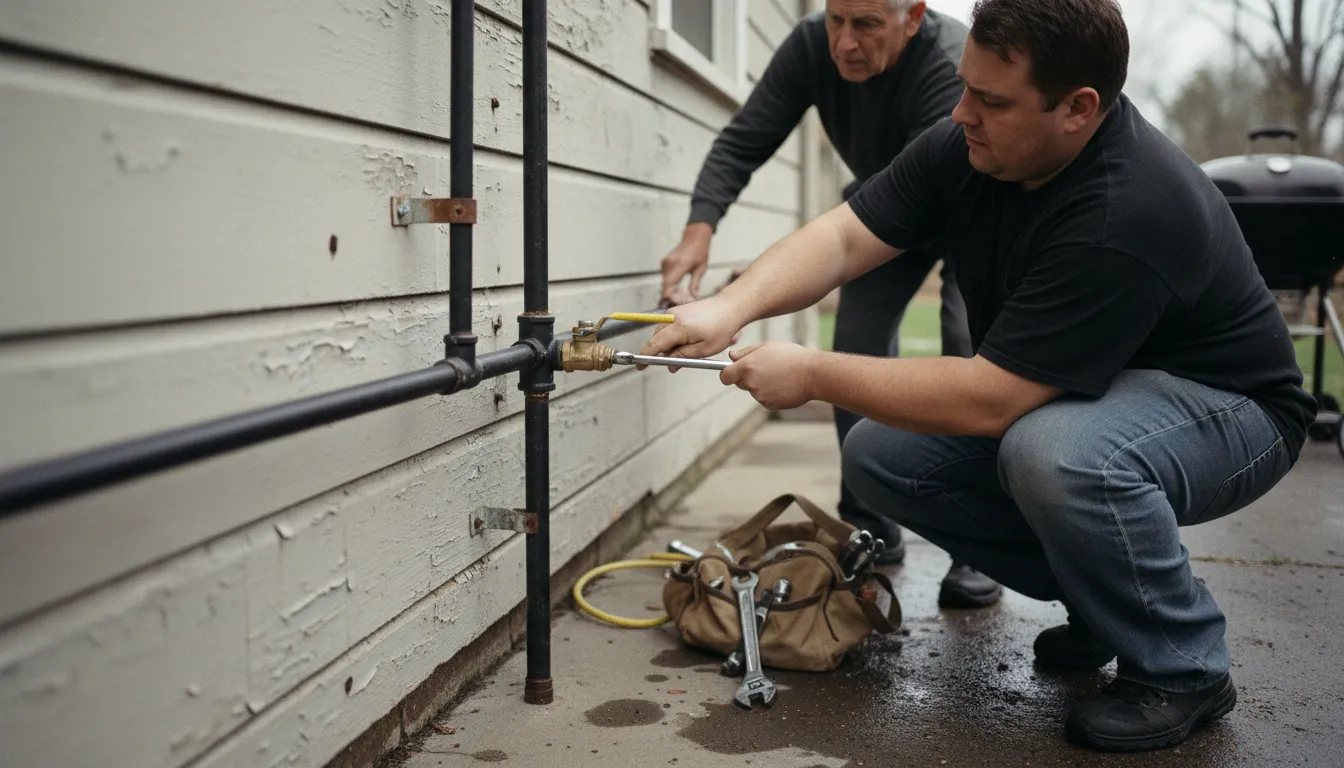
Find the Best Gas Line Plumbing Companies for Your Business
No obligation • Fast responses • Nationwide coverage

Why you can trust Search a Plumber
Search a Plumber is a leading United States resource for finding and evaluating professional plumbing services. Our team researches licensing, experience, and customer feedback to create unbiased, fact-driven overviews. Companies cannot pay to change ratings or placement, ensuring homeowners get trustworthy information.
Search providers near you
Top Gas Line Plumbing Companies in Shoreline, Washington Ranked
Connecting your home to natural gas or repairing an existing gas line is a significant project that directly impacts your safety and comfort. Proper gas line work ensures your appliances-like furnaces, water heaters, and stoves-receive a reliable fuel supply without risk. In Shoreline, this work is governed by strict codes and requires licensed professionals to handle everything from permits to final inspection. This guide will help you understand the process, regulations, and key considerations for finding qualified local experts for your gas piping needs.
Anthony's Plumbing Company
2624 47th Ave SW, Seattle, WA 98116
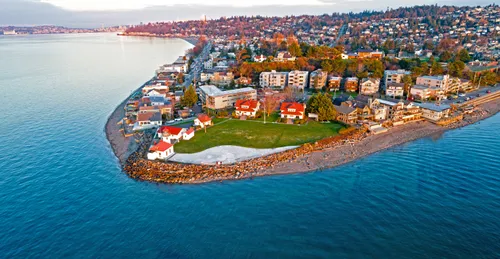
Anthony's Plumbing Company is a licensed and insured plumbing service based in Seattle, WA. They provide residential and commercial plumbing solutions including gas line installation, drain repairs, and custom steam shower systems. The company emphasizes clean and professional work practices, using high-quality, safe materials and adhering to all code protocols. They offer free in-home consultations within their service area and have a strong focus on customer satisfaction, building lasting relationships with clients. Their service area includes multiple neighborhoods around Seattle and nearby cities.
Wesnor Plumbing and Heating
1705 N 82nd St, Seattle, WA 98103
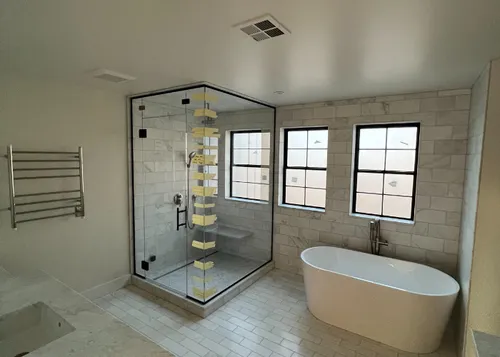
Wesnor Plumbing and Heating provides a wide range of plumbing and heating services in Seattle, WA, including residential and commercial work. Their offerings cover water heater repair and installation, drain cleaning, sewer camera inspections, hydro jetting, leak detection, repiping, and gas line installation. They are authorized service providers for Rheem and Moen water heaters and hold a gas piping mechanic license, ensuring qualified handling of natural gas services. With extensive experience and licensed, bonded, and insured plumbers, Wesnor emphasizes quality workmanship and customer satisfaction. They also offer rapid response for flooding emergencies.
Eco Electric, Plumbing, Heating and Air
126 S Spokane St, Seattle, WA 98134
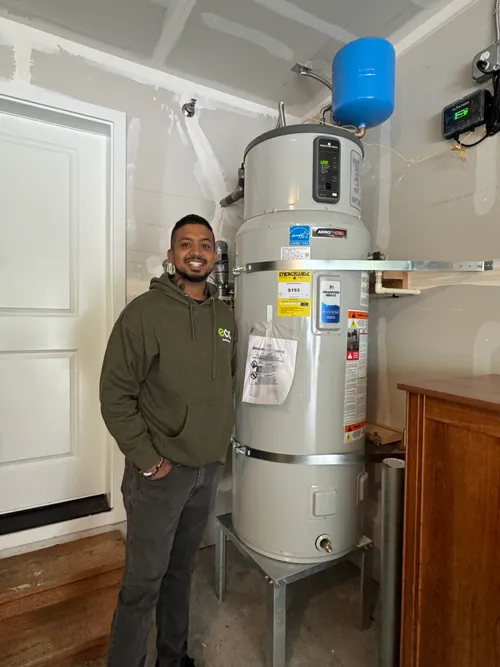
Eco Electric, Plumbing, Heating and Air provides a range of home services in Seattle, WA, including leak detection plumbing and gas line installation. Serving the Puget Sound area, they offer electrical, plumbing, heating, and air conditioning solutions designed to improve home efficiency and sustainability. Their team brings over 10 years of combined experience and uses advanced technology for detailed inspections and durable repairs. The company is fully licensed, insured, and bonded, and offers financing options to help homeowners manage repair and upgrade costs.
Pars plumbing
417 212th St SW, Bothell, WA 98021
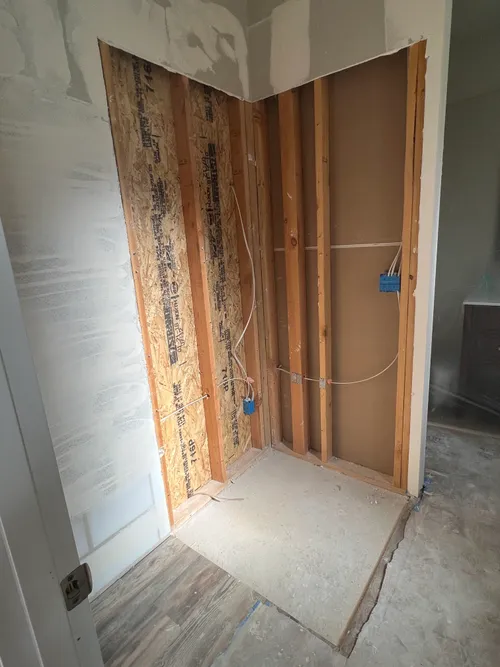
Pars Plumbing is a plumbing service provider located in Seattle, WA, specializing in water heater repair and installation as well as gas line installation. They focus on delivering efficient and clean workmanship with attention to detail. Pars Plumbing is known for their thoughtful execution and clear communication throughout the project.
Pelican Plumbing LLC
4181 Wheaton Wy # 3, Bremerton, WA 98310
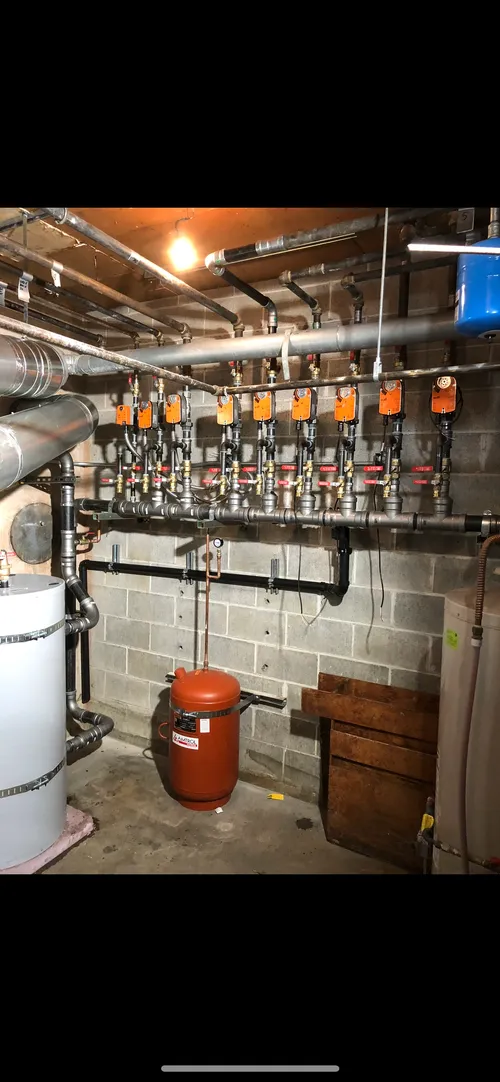
Pelican Plumbing LLC is a plumbing contractor based in Seattle, WA, specializing in residential and commercial plumbing services. They offer whole-home re-piping, gas line installations, tankless water heater installation, sump pump repair, drain cleaning, leak detection, and water heater repair. Serving Kitsap County, Gig Harbor, and Tacoma, Pelican Plumbing focuses on high-end remodels, new construction plumbing, and safe, code-compliant gas and propane line installations. With over seven years of experience and union training, they have completed more than 100 projects, providing expert craftsmanship and reliable plumbing solutions.
Understanding Gas Line Services
Gas line installation involves running new piping from the main utility line to your home and to individual appliances. This is common when converting from electric to gas, adding an outdoor kitchen, or installing a new gas fireplace. Gas line repair addresses issues like leaks, corrosion, or low pressure in existing systems. Both services are critical for safety and require a deep understanding of local building codes, proper materials, and precise pressure testing.
In Shoreline and the broader King County area, this work is not a DIY project. The risks of improper installation-including gas leaks, fire, explosion, and carbon monoxide poisoning-are too high. Furthermore, unpermitted work can lead to hefty fines, failed home inspections, and voided insurance policies. Working with a licensed professional is the only way to ensure the job is done safely and legally.
Permits and Regulations in Shoreline
Before any trench is dug or pipe is fitted, the proper permits must be secured. In Shoreline, gas piping projects fall under the jurisdiction of King County Public Health for unincorporated areas, while the City of Shoreline handles permits within city limits.
- Permit Requirement: A permit is required for all new installations, relocations, or modifications to your gas piping system. This regulatory step ensures your project plan meets current safety codes before work begins.
- Who Can Pull Permits: Typically, the licensed plumbing or mechanical contractor you hire will obtain the necessary permits. They must hold the proper state license with a gas piping endorsement to perform this work legally, especially for projects within Seattle and surrounding areas.
- The Inspection Process: The permit triggers mandatory inspections at critical stages. An inspector will check the work, including the pressure test, to verify it complies with the Washington State Fuel Gas Code and local amendments before the line is covered or put into service.
Skipping the permit process might seem easier, but it creates major liabilities. If an unpermitted gas line is discovered during a future home sale or insurance audit, you could be forced to pay for a full re-inspection, uncover buried lines, and potentially redo the entire installation.
The Professional Installation Process
A professional gas line installation follows a meticulous, multi-stage process designed for safety and longevity. Here's what you can expect when you hire a qualified contractor in Shoreline.
- Planning and Permitting: The contractor will assess your property, locate existing underground utilities, plan the pipe route, and secure the required permits from the city or county.
- Trenching and Path Preparation: For underground lines, a trench is dug to the code-specified depth (often a minimum of 12-18 inches) to protect the pipe from damage. The trench must have safe slopes if workers are entering it 1.
- Piping Installation: Approved materials like coated steel, copper, or CSST (Corrugated Stainless Steel Tubing) are installed. Pipes running through walls or under foundations are often placed in protective sleeves. Crucially, an accessible shutoff valve must be installed for each appliance.
- Pressure and Leak Testing: This is the most critical safety step. The sealed system is pressurized with an inert gas like air or nitrogen. The contractor then uses a approved leak detection solution (soapy water) or a gas detector to check every joint, valve, and connection. Using oxygen for this test is prohibited due to explosion risk 2.
- Inspection and Backfilling: Once the system passes the contractor's leak test, a county or city inspector will perform their own inspection. Only after receiving a passing inspection can the trench be carefully backfilled and the system connected to the gas meter.
Find the perfect gas line plumbing companies for your needs
Get personalized recommendations and expert advice
Critical Safety Practices for Gas Piping
Adhering to safety best practices isn't just a recommendation-it's a requirement enforced by code. Whether for installation or repair, these principles are non-negotiable.
- Professional Installation is Mandatory: The complexity and danger of gas work make professional handling essential. Faulty workmanship is a leading cause of leaks, which can have catastrophic consequences 3.
- Shutoff Valves are a Must: Each gas appliance must have its own dedicated, easily accessible shutoff valve. This allows you to quickly cut off the gas supply to a single appliance in an emergency without affecting the rest of your home.
- Proper Leak Detection: Never use a flame to check for a gas leak. Professionals use commercial leak detection fluid or electronic gas detectors. If you smell gas (a rotten egg odor) at any time, leave the area immediately and call your utility company from a safe distance 4.
- Code Compliance Protects You: Following the latest fuel gas codes ensures your system is designed to prevent leaks, manage pressure correctly, and ventilate properly. Compliance protects your family, your property, and your financial investment.
Understanding Costs for Gas Line Projects
The cost of gas line work in Shoreline varies widely based on the project's scope. There is no flat fee, as every home and layout is unique. Key factors influencing the price include:
- Linear Footage: The total length of new pipe needed from the meter to the appliance is a primary cost driver. Longer runs require more materials and labor.
- Appliance Type: Hooking up a gas range is generally less complex and costly than connecting a high-demand appliance like a furnace or tankless water heater, which may require larger diameter piping 5.
- Labor and Complexity: Difficulty factors like digging through rocky soil, tunneling under driveways or sidewalks, or navigating a cramped crawl space will increase labor time and cost.
- Repair vs. Installation: Repairing a small leak may cost a few hundred dollars, while a full gas line replacement or a new run for an outdoor appliance can range into the thousands 6.
The most accurate way to understand your project's cost is to get detailed quotes from multiple licensed contractors. They should provide a breakdown that includes materials, labor, and permit fees.
Finding and Vetting a Qualified Professional
Your choice of contractor is the most important decision you'll make. For gas piping services, prioritize licensing, experience, and local knowledge.
- Verify Licensing and Insurance: Always ask for proof of a current Washington State plumbing or mechanical contractor license with a gas piping endorsement. Confirm they carry general liability and workers' compensation insurance 7 8.
- Check Local Experience: A contractor familiar with Shoreline and King County will understand the specific permit process, inspectors, and local code nuances. They should be able to guide you through the city or county requirements seamlessly 9 10.
- Get Detailed Quotes: Obtain written estimates from at least three companies. The quote should detail the scope of work, materials to be used, permit responsibilities, timeline, and total cost.
- Ask About Inspections: A reputable contractor will insist on pulling permits and scheduling the required inspections. Be wary of anyone who suggests skipping permits to "save you money" or time.
- Review Past Work: Look for online reviews, ask for references, and check their standing with the Washington State Department of Labor & Industries or the Better Business Bureau.
Frequently asked questions
Sources
Footnotes
-
Phases of Pipeline Construction: An Overview | PHMSA - https://www.phmsa.dot.gov/technical-resources/pipeline/pipeline-construction/phases-pipeline-construction-overview ↩
-
WAC 296-24-68207: - | WA.gov - https://app.leg.wa.gov/wac/default.aspx?cite=296-24-68207 ↩
-
What You Need to Know Before Installing a Gas Line in Your Home - https://www.readyenergyhvac.com/post/what-you-need-to-know-before-installing-a-gas-line-in-your-home ↩
-
Inspection Checklist - Residential Fuel Gas Piping - https://www.mybuildingpermit.com/sites/default/files/inline-files/IC_Residential_Fuel_Gas_Piping_Final.pdf ↩
-
Gas Line Installation Cost: 2023 Guide - Super Brothers - https://www.superbrothers.com/gas-line-installation-cost-2023-guide/ ↩
-
Gas Line Repair and Replacement in Shoreline, WA - https://salishplumbingco.com/services/gas-line-repair-and-replacement/ ↩
-
Expert Gas Piping in Seattle, WA - Safe & Reliable Service - https://craftsman-plumbing.com/general-plumbing-services/gas-piping-in-seattle-wa/ ↩
-
Installing gas piping - King County, Washington - https://kingcounty.gov/en/dept/dph/health-safety/environmental-health/plumbing-gas-piping/installations/installing-gas-piping ↩
-
Plumbing and gas piping applications and permits - King County - https://kingcounty.gov/en/dept/dph/health-safety/environmental-health/plumbing-gas-piping/applications-and-permits ↩
-
Inspections and Extensions | City of Shoreline - https://www.shorelinewa.gov/inspections ↩