Find the Best Gas Line Plumbing Companies for Your Business
No obligation • Fast responses • Nationwide coverage

Why you can trust Search a Plumber
Search a Plumber is a leading United States resource for finding and evaluating professional plumbing services. Our team researches licensing, experience, and customer feedback to create unbiased, fact-driven overviews. Companies cannot pay to change ratings or placement, ensuring homeowners get trustworthy information.
Search providers near you
Top Gas Line Plumbing Companies in Puyallup, Washington Ranked
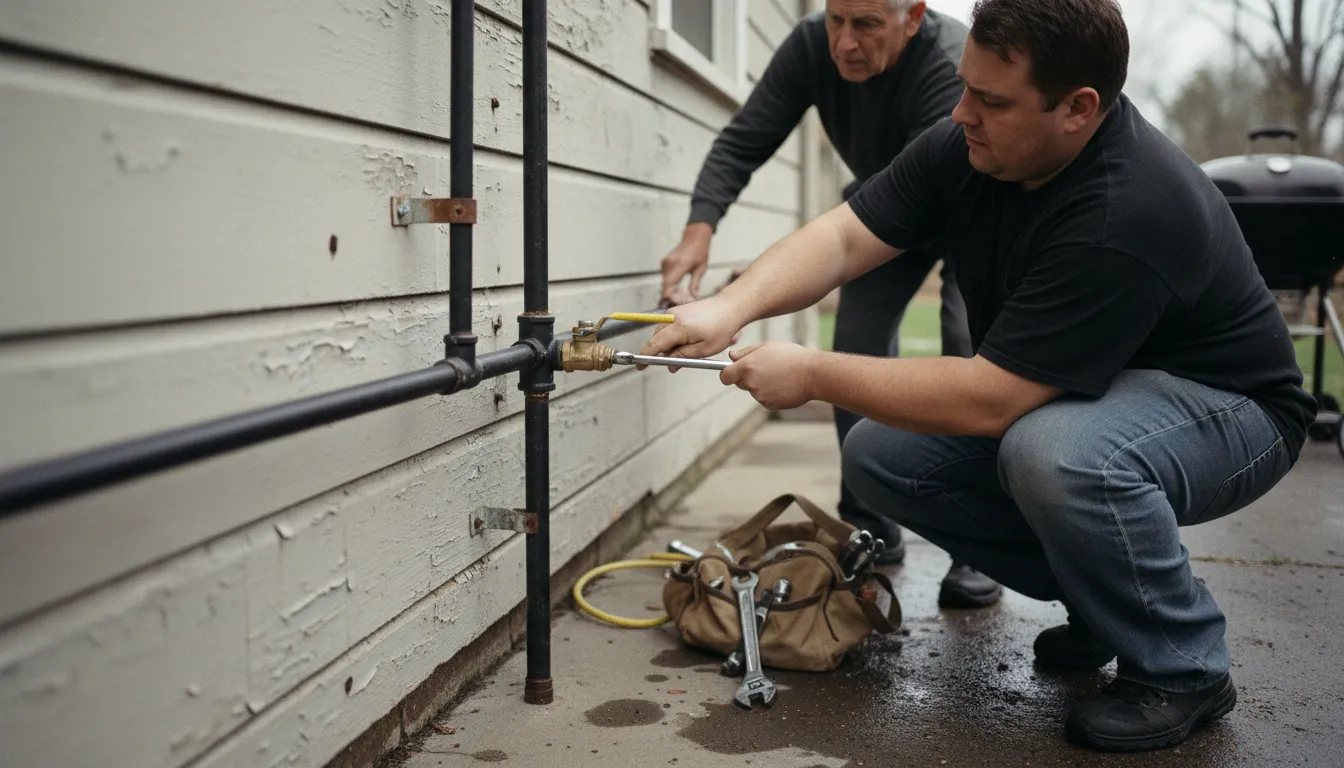
Installing or repairing a gas line is a critical project that directly impacts the safety and functionality of your Puyallup home. Proper gas line work ensures your appliances-from furnaces and water heaters to stoves and outdoor kitchens-receive a reliable and safe fuel supply. This guide explains the key steps, local requirements, and safety considerations for gas line projects, helping you understand the process so you can confidently engage qualified local professionals to handle the job.
Anthony's Plumbing Company
2624 47th Ave SW, Seattle, WA 98116
Anthony's Plumbing Company is a licensed and insured plumbing service based in Seattle, WA. They provide residential and commercial plumbing solutions including gas line installation, drain repairs, and custom steam shower systems. The company emphasizes clean and professional work practices, using high-quality, safe materials and adhering to all code protocols. They offer free in-home consultations within their service area and have a strong focus on customer satisfaction, building lasting relationships with clients. Their service area includes multiple neighborhoods around Seattle and nearby cities.
Eco Electric, Plumbing, Heating and Air
126 S Spokane St, Seattle, WA 98134
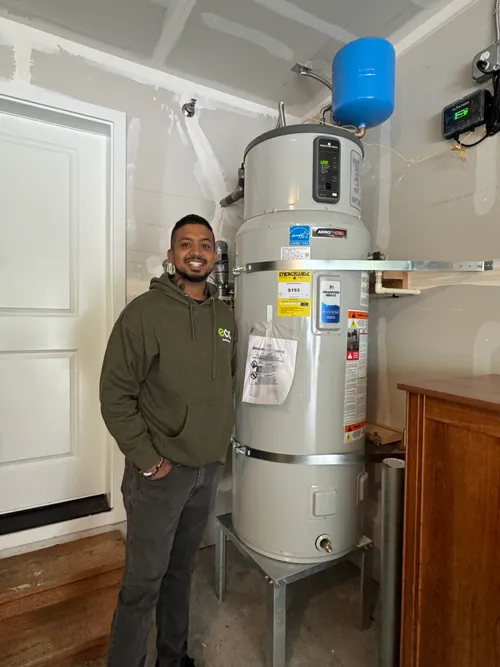
Eco Electric, Plumbing, Heating and Air provides a range of home services in Seattle, WA, including leak detection plumbing and gas line installation. Serving the Puget Sound area, they offer electrical, plumbing, heating, and air conditioning solutions designed to improve home efficiency and sustainability. Their team brings over 10 years of combined experience and uses advanced technology for detailed inspections and durable repairs. The company is fully licensed, insured, and bonded, and offers financing options to help homeowners manage repair and upgrade costs.
George Gas Piping
601 12th Ave NW, Issaquah, WA 98027
George Gas Piping is a plumbing service based in Seattle, WA, specializing in gas piping installation for both residential and commercial projects. Their services include water heater and tankless water heater installation, furnace installation, and gas line installation and repair. They have expertise in gas repiping, appliance hookups, and supplying new gas piping from the street to homes. With over 10 years of experience, George Gas Piping serves multiple areas including Kent, Redmond, Renton, Kirkland, Issaquah, Woodinville, Sammamish, Bellevue, Bothell, and Seattle.
Green Planet Plumbing & Sewer, LLC
11454 Des Moines Memorial Dr S, Seattle, WA 98168
Green Planet Plumbing & Sewer, LLC provides plumbing services in Seattle, WA, covering areas from Edmonds to Federal Way and surrounding neighborhoods. They offer drain cleaning, sewer line repair, and gas line installation for both residential and commercial clients. The company emphasizes eco-friendly plumbing solutions and sustainable practices to ensure quality workmanship on every job.
King County Sewer Drain and Plumbing
Seattle, WA
King County Sewer Drain and Plumbing offers a wide range of plumbing services in Seattle, WA. Their expertise covers sewer camera inspections, water heater repairs and installations, drain cleaning, hydro jetting, leak detection, repiping, gas line installation, and trenchless sewer repairs. The company has been serving the area since 2017 and provides 24/7 emergency plumbing services to address urgent needs at any time. Their plumbers arrive with fully stocked trucks to complete most jobs in a single visit, minimizing disruption for customers.
Understanding Gas Line Services
Gas line installation and repair encompasses a range of services essential for residential and commercial properties. This includes running new gas piping from the meter to a new appliance, replacing old or corroded lines, repairing leaks, and extending existing systems for additions like fire pits or generators. Given the inherent dangers of natural gas and propane, this work is not a DIY endeavor. It requires specialized knowledge of pressure systems, local building codes, and precise installation techniques to prevent leaks, explosions, or carbon monoxide poisoning.
In Puyallup, this work is governed by a combination of Washington State codes, City of Puyallup amendments, and the standards set by utility providers. A successful project hinges on three pillars: using a licensed professional, securing the proper permits, and passing mandatory inspections. Licensed plumbers or gas fitters have the training to size pipes correctly, choose approved materials, and perform the critical pressure tests that verify system integrity before your gas is turned back on.
The Puyallup Permit and Inspection Process
Before any trench is dug or pipe is fitted, the proper administrative steps must be taken. The City of Puyallup's Permit Services department oversees this process for gas line installations and major repairs.
Securing a Permit: For new installations or significant replacements, you or your contractor will need to obtain a permit. This often involves submitting plans for a pre-application review to ensure the proposed work meets all code requirements. The permit fee is typically based on the job's valuation. This step is not bureaucratic red tape; it's a vital safety checkpoint that ensures your project is reviewed for compliance with depth, material, and placement rules before work begins 1.
Mandatory Inspections: Once the installation is complete but before the trench is backfilled or walls are closed up, a qualified inspector must examine the work. This inspector may be from the city or the utility company. They will check for proper pipe material, joint integrity, support, and labeling. The most critical part of the inspection is witnessing the pressure test, where the system is pressurized with air to check for any leaks 2. Only after the inspector approves the work can the system be connected to the gas supply and the project be considered finished. Skipping this step can result in failed utility connections, fines, and serious safety hazards.
Step-by-Step: How Gas Lines Are Installed
A professional gas line installation follows a meticulous sequence designed for safety and longevity. Here's what you can expect when you hire a pro in Puyallup:
-
Call 811 Before Digging: This is the non-negotiable first step. Washington state law requires you to call 811 at least two business days before any excavation. This free service alerts all local utility companies, who will send locators to mark the approximate location of underground electric, water, sewer, and communication lines on your property with paint or flags. This prevents catastrophic and dangerous strikes on existing infrastructure.
-
Trench Excavation: Your contractor will excavate a trench from the gas meter to the appliance location. The required burial depth is a key code point. Typically, gas lines must be buried a minimum of 18 to 24 inches deep in most areas, and even deeper (often 36 inches) when running under a driveway or other paved surface to protect from traffic loads 3 4. The trench bottom must be level and free of rocks to prevent stress on the pipe.
-
Pipe Installation: Modern installations often use corrosion-resistant yellow polyethylene (PE) plastic piping for the underground portion, which is more durable than old steel lines. Where the pipe emerges from the ground and enters the building, it transitions to coated steel or CSST (corrugated stainless steel tubing) using the proper dielectric fittings to prevent galvanic corrosion. The pipe is laid in the trench, ensuring a continuous, downward slope away from the building to carry any moisture back to a drip leg or the meter 5.
-
Pressure Testing: This is the paramount safety check. The contractor will cap the ends of the newly installed line and pressurize it with air, typically to 10 psi or more, for a minimum of 15 minutes. A gauge is monitored; if the pressure holds steady, the system is sealed. Any drop indicates a leak that must be found and repaired before proceeding 6.
-
Inspection and Backfill: After the pressure test is verified by the inspector, the trench can be backfilled. The first layer is often soft sand or fine soil without sharp stones, carefully placed and tamped around the pipe. The remaining fill is then added and compacted in stages to prevent settling 7.
Find the perfect gas line plumbing companies for your needs
Get personalized recommendations and expert advice
Critical Safety and Material Considerations
Choosing the right professional and materials is where safety is truly built into your gas line project.
Why Licensing is Non-Negotiable: Hiring a licensed, bonded, and insured plumbing contractor specializing in gas work is your strongest safeguard. These professionals are tested on the Washington Uniform Plumbing Code (WUPC), which includes all gas piping regulations. They carry liability insurance that protects you in the rare event of an error, and they know how to navigate the local permit office efficiently. They are also equipped with specialized leak-detection tools like gas sniffers and soap solution for bubble testing 8.
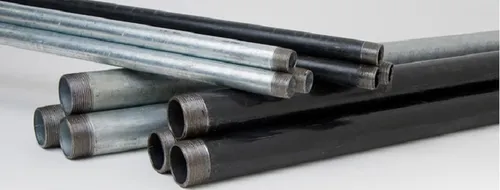
Material Matters: Using the wrong or outdated piping is a common source of failure. For underground use, high-density polyethylene (HDPE) is the standard. Inside the home, black iron pipe or CSST are common. A critical rule is that galvanized pipe must never be used for natural gas, as the zinc coating can flake off and clog appliance valves. Your contractor will select materials listed for gas service and approved for the specific application (interior, exterior, underground) 9.
Hand Digging Near Marks: When excavating, the 811 marks indicate the approximate location of utilities. The law requires that you use hand tools or vacuum excavation to carefully expose any marked lines when digging within 18 inches of either side of the indicated path. This "tolerance zone" hand-digging prevents damage from mechanical equipment 10.
Understanding Project Costs
The cost for gas line services in Puyallup varies widely and is difficult to state as a flat fee. It is always best to get a detailed, written quote from a licensed contractor after they assess your specific site. Several key factors influence the price:
- Project Scope & Distance: A simple repair of an accessible above-ground line costs significantly less than running a new line 50 feet across a yard to a new patio kitchen. Longer runs require more materials and labor for trenching.
- Excavation Complexity: Digging through rocky soil, navigating dense tree roots, or tunneling under a driveway or sidewalk adds considerable time and equipment costs compared to digging in soft, open soil.
- Materials: The type and diameter of pipe needed, along with fittings, valves, and protective sleeving, factor into the material cost.
- Permits and Inspections: The contractor will typically include the cost of the City of Puyallup permit and any associated plan review fees in their quote.
Given these variables, you can expect a range from a few hundred dollars for a minor repair to several thousand dollars for a comprehensive new installation for an appliance like a pool heater or whole-home generator 11. The quote should break down labor, materials, and permit fees.
Maintaining Your Gas System
Once your new gas line is installed, periodic awareness is your best maintenance tool. Know the smell of natural gas (a rotten egg odor added by the utility). Regularly check the area around gas appliances for dead vegetation (which can indicate an underground leak) or a hissing sound. Have your furnace, water heater, and other gas appliances serviced annually by a qualified technician who can also visually inspect the accessible portions of your gas piping. If you ever suspect a leak, leave the area immediately and call 911 or your gas utility from a safe distance.
Frequently asked questions
Sources
Footnotes
-
Permit Services - https://www.puyallupwa.gov/325/Permit-Services ↩
-
Gas Inspection Requirements - WSSC Water - https://www.wsscwater.com/work-us/plumbing-and-inspections/inspections/gas-inspection-requirements ↩
-
Frequently Asked Questions - CivicPlus.CMS.FAQ - https://www.rpvca.gov/faq.aspx?TID=40 ↩
-
How Deep Are Gas Lines Buried? - J.D. Power - https://www.jdpower.com/cars/shopping-guides/how-deep-are-gas-lines-buried ↩
-
Underground Gas Line - GasGuys.ca Inc. - https://www.gasguys.ca/underground-gas-lines/ ↩
-
Gas Line Repair & Installation in Washington - https://www.cpiplumbing.com/plumbing/gas-lines/ ↩
-
Trench and Ducting Guide - National Gas - https://www.nationalgas.com/sites/default/files/documents/24763-General,%20Pre-excavation%20and%20Ducting%20Guide.pdf ↩
-
Puyallup Gas Line Repair - Bowers Plumbing LLC - https://bowersplumbingllc.com/puyallup-gas-line-repair/ ↩
-
CodeNotes: Underground Gas Piping System Requirements in the I-Codes - https://www.iccsafe.org/building-safety-journal/bsj-dives/codenotes-underground-gas-piping-system-requirements-in-the-i-codes/ ↩
-
Safe digging and 811 FAQ | Black Hills Energy - https://www.blackhillsenergy.com/safe-digging-and-811-faq ↩
-
GET GAS LINE INSTALLATION IN PUYALLUP - https://pristineplumbingservices.com/service/gas-line-installation-puyallup/ ↩