Find the Best Gas Line Plumbing Companies for Your Business
No obligation • Fast responses • Nationwide coverage

Why you can trust Search a Plumber
Search a Plumber is a leading United States resource for finding and evaluating professional plumbing services. Our team researches licensing, experience, and customer feedback to create unbiased, fact-driven overviews. Companies cannot pay to change ratings or placement, ensuring homeowners get trustworthy information.
Search providers near you
Top Gas Line Plumbing Companies in Kirkland, Washington Ranked
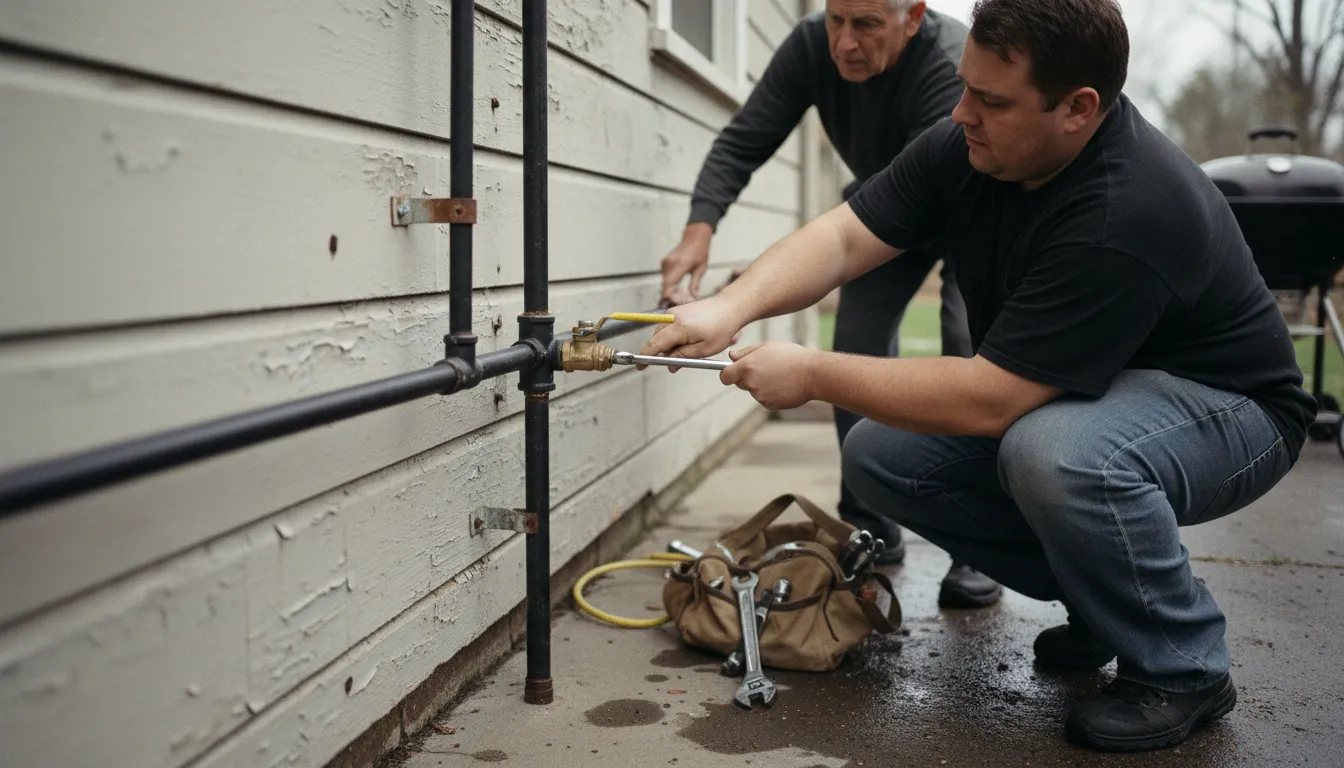
Connecting a new gas range, installing a cozy fireplace, or upgrading your home's fuel system requires professional gas line services. This work involves running pipes to safely deliver natural gas or propane to appliances, a critical task where precision and safety are paramount. In Kirkland, this process is governed by specific local and county codes to protect your home and community. This guide explains the key steps, regulations, and considerations for gas piping projects, helping you understand what's involved so you can confidently engage with qualified local specialists.
Anthony's Plumbing Company
2624 47th Ave SW, Seattle, WA 98116
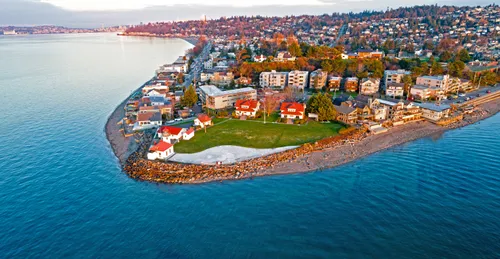
Anthony's Plumbing Company is a licensed and insured plumbing service based in Seattle, WA. They provide residential and commercial plumbing solutions including gas line installation, drain repairs, and custom steam shower systems. The company emphasizes clean and professional work practices, using high-quality, safe materials and adhering to all code protocols. They offer free in-home consultations within their service area and have a strong focus on customer satisfaction, building lasting relationships with clients. Their service area includes multiple neighborhoods around Seattle and nearby cities.
Wesnor Plumbing and Heating
1705 N 82nd St, Seattle, WA 98103
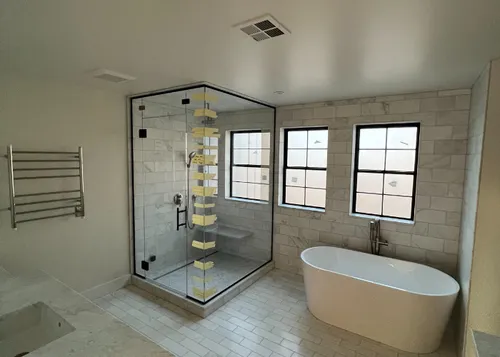
Wesnor Plumbing and Heating provides a wide range of plumbing and heating services in Seattle, WA, including residential and commercial work. Their offerings cover water heater repair and installation, drain cleaning, sewer camera inspections, hydro jetting, leak detection, repiping, and gas line installation. They are authorized service providers for Rheem and Moen water heaters and hold a gas piping mechanic license, ensuring qualified handling of natural gas services. With extensive experience and licensed, bonded, and insured plumbers, Wesnor emphasizes quality workmanship and customer satisfaction. They also offer rapid response for flooding emergencies.
Eco Electric, Plumbing, Heating and Air
126 S Spokane St, Seattle, WA 98134
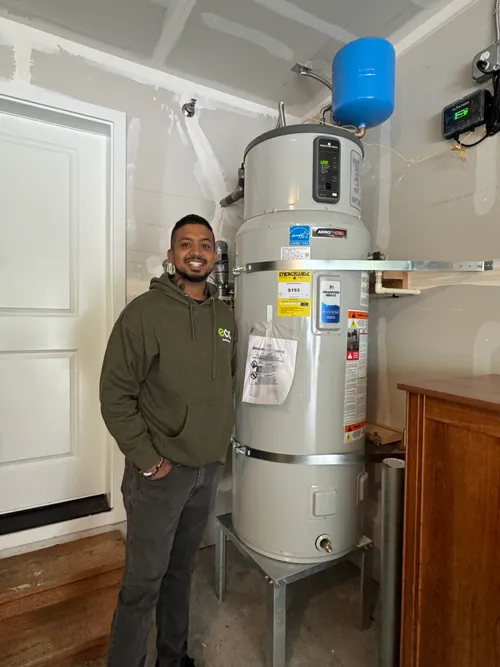
Eco Electric, Plumbing, Heating and Air provides a range of home services in Seattle, WA, including leak detection plumbing and gas line installation. Serving the Puget Sound area, they offer electrical, plumbing, heating, and air conditioning solutions designed to improve home efficiency and sustainability. Their team brings over 10 years of combined experience and uses advanced technology for detailed inspections and durable repairs. The company is fully licensed, insured, and bonded, and offers financing options to help homeowners manage repair and upgrade costs.
Pars plumbing
417 212th St SW, Bothell, WA 98021
Pars Plumbing is a plumbing service provider located in Seattle, WA, specializing in water heater repair and installation as well as gas line installation. They focus on delivering efficient and clean workmanship with attention to detail. Pars Plumbing is known for their thoughtful execution and clear communication throughout the project.
Pelican Plumbing LLC
4181 Wheaton Wy # 3, Bremerton, WA 98310
Pelican Plumbing LLC is a plumbing contractor based in Seattle, WA, specializing in residential and commercial plumbing services. They offer whole-home re-piping, gas line installations, tankless water heater installation, sump pump repair, drain cleaning, leak detection, and water heater repair. Serving Kitsap County, Gig Harbor, and Tacoma, Pelican Plumbing focuses on high-end remodels, new construction plumbing, and safe, code-compliant gas and propane line installations. With over seven years of experience and union training, they have completed more than 100 projects, providing expert craftsmanship and reliable plumbing solutions.
Understanding Local Permit Requirements
In Kirkland, virtually all new gas line installations or major repairs require a permit from the city. This is not just bureaucratic red tape; it's a vital safety check. The permit process ensures that your project plans are reviewed for compliance with the King County Fuel Gas Code and Kirkland's amendments before any work begins. You or your contractor must apply through the online MyBuildingPermit.com portal, which serves Kirkland and many surrounding areas.
The plan review by city staff verifies that the proposed materials, pipe sizing, and routing meet current safety standards. Once approved, the permit allows the work to proceed, but it also triggers the requirement for a final inspection. This inspection is a non-negotiable final step to get your new gas line officially approved for use. Skipping the permit can lead to unsafe conditions, fines, and complications when selling your home.
The Step-by-Step Process for Gas Piping Work
A professional gas line project follows a structured sequence. Here's what you can expect when you hire a licensed expert in Kirkland.
1. Planning and Calling 811 Before a shovel touches the ground, the location of all existing underground utilities must be marked. This is a free service accessed by calling 811 at least a few days before digging. This step is crucial to avoid striking other lines, which can be dangerous and costly 1.
2. Trenching and Installation For exterior gas lines running to a house or between buildings, a trench must be dug. In our region, the typical required depth for buried gas piping is 18 to 24 inches 2. The trench bottom must be level and free of rocks that could damage the pipe. If the line needs to pass under a concrete slab or foundation, the code is very specific: the pipe must be housed inside a separate, vented conduit (like Schedule 40 steel or plastic) that extends past the foundation wall and is sealed at the interior end to prevent gas accumulation 3.
The installation itself involves joining sections of approved piping-typically black iron pipe or flexible Corrugated Stainless Steel Tubing (CSST)-using precise techniques to create leak-proof joints.
3. The Critical Pressure Test After installation but before the pipe is buried or enclosed, a mandatory pressure test is conducted. This is a key safety checkpoint. The system is pressurized to 1.5 times its normal working pressure (but not less than 10 psi on the gauge) and must hold that pressure steadily for a minimum of 10 minutes 4. The gauge must be visible and accessible for the inspector to verify. Professionals will often use a soapy water solution on all fittings and joints to check for tiny leaks, which will cause bubbles to form.
4. Final Inspection and Approval Once the pressure test is successfully completed, your contractor will schedule the final inspection through MyBuildingPermit.com. The inspector will verify the installation depth, conduit use (if applicable), proper support of piping, and the successful pressure test results. Only after passing this inspection can the trench be backfilled and the gas line be connected to the utility meter or source for active use.
Find the perfect gas line plumbing companies for your needs
Get personalized recommendations and expert advice
Why Professional Installation is Non-Negotiable
Gas line work is explicitly not a DIY project. King County regulations state that any fuel gas piping installed inside a structure must be performed by a licensed plumbing contractor 5. There are compelling reasons for this mandate:
- Safety: Natural gas is combustible. Improper installation can lead to leaks, fire, or explosion.
- Code Knowledge: Professionals are trained in the intricate details of the fuel gas code, including proper pipe sizing, material specifications, and required clearances.
- Liability and Insurance: Licensed contractors carry insurance that protects you in case of an accident or faulty work.
- Permit Management: A reputable pro will handle the entire permit process-application, plan submission, and inspection scheduling-saving you time and ensuring it's done correctly 6.
When selecting a provider, verify their Washington State plumbing license, insurance, and registration with the City of Kirkland. Ask about their experience with local inspection requirements.
Safety Practices During Gas Work
Even when professionals are on the job, homeowners should be aware of critical safety practices:
- Hand Digging Near Marks: If any excavation is needed near the marked utility lines, use hand tools like shovels or spades within about 30 centimeters (one foot) of the marked line to carefully expose it before proceeding with other equipment.
- Leak Detection: Never, under any circumstances, use an open flame (like a match or lighter) to check for a gas leak. Professionals use approved leak-detection solutions or electronic detectors 7.
- Awareness: Know the smell of natural gas (a rotten egg odor added by the utility). If you smell gas inside or outside, leave the area immediately and call 911 and your gas company from a safe distance.
Understanding Project Costs
The cost for gas line installation or repair in Kirkland varies based on several factors. There is no flat fee, but understanding the components can help you evaluate quotes:
- Scope of Work: A simple line for a new kitchen range will cost significantly less than a whole-house repipe or a line run to a new backyard patio.
- Materials: The type and length of pipe (black iron vs. CSST) and necessary fittings impact material costs.
- Labor: Complexity, such as tunneling under driveways or navigating finished walls, increases labor time.
- Permits: The city permit fee is an additional cost, often ranging from $100 to $300 or more, depending on the project's valuation 8 9.
- Restoration: Don't forget the cost to repair drywall, siding, or landscaping after the trench is filled.
While prices can range from several hundred to several thousand dollars, the investment ensures the job is safe, legal, and built to last. A detailed quote from a licensed contractor will break down these elements.
Frequently asked questions
Sources
Footnotes
-
Dig Safe Tips: How to dig around a natural gas line with a shovel - https://www.youtube.com/watch?v=sB55FempqWk&t=23 ↩
-
How Deep Are Gas Lines Buried? - J.D. Power - https://www.jdpower.com/cars/shopping-guides/how-deep-are-gas-lines-buried ↩
-
Trench and Ducting Guide - National Gas - https://www.nationalgas.com/sites/default/files/documents/24763-General,%20Pre-excavation%20and%20Ducting%20Guide.pdf ↩
-
Installing gas piping - King County, Washington - https://kingcounty.gov/en/dept/dph/health-safety/environmental-health/plumbing-gas-piping/installations/installing-gas-piping ↩
-
Gas Piping Permit Application Instructions, updated Jan. 6, 2025 - https://cdn.kingcounty.gov/-/media/king-county/depts/dph/documents/health-safety/environmental-health/plumbing-gas-piping/application-gas-piping.pdf ↩
-
Mechanical, Plumbing, Electrical and Fire Permit Process - https://www.kirklandwa.gov/Government/Departments/Development-Services-Center/Apply-for-a-Permit/Mechanical-Plumbing-Electrical-and-Fire-Permit-Process ↩
-
Inspection Checklist - Residential Fuel Gas Piping - https://www.mybuildingpermit.com/sites/default/files/inline-files/IC_Residential_Fuel_Gas_Piping_Final.pdf ↩
-
Do you need a permit? - City of Kirkland - https://www.kirklandwa.gov/Government/Departments/Development-Services-Center/Do-you-need-a-permit ↩
-
How Much Does Gas Line Installation Cost? (2025) - https://homeguide.com/costs/gas-line-installation-cost ↩